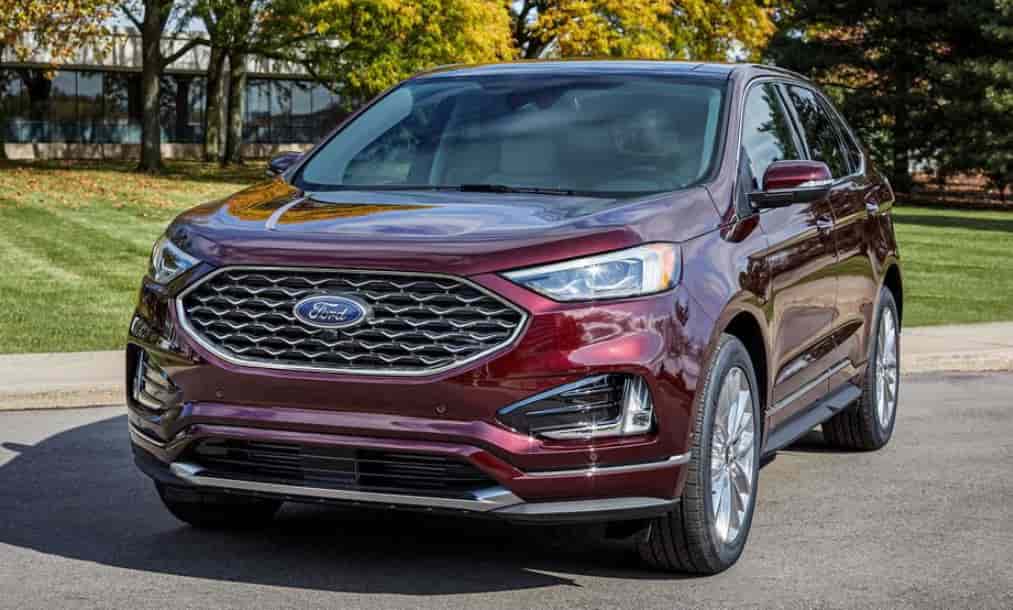
Sport utility vehicles continue to dominate the global automotive market, and the Ford Edge has remained one of the most recognizable midsize crossovers for more than a decade. With its spacious interior, smooth ride quality, and practical design, the Ford Edge has become a popular option for families and daily commuters who want the comfort of a sedan combined with the versatility of an SUV.
However, before purchasing any vehicle, one important question always comes up. Are Ford Edges reliable enough for long term ownership? Reliability matters because it directly affects maintenance costs, ownership satisfaction, and the overall value of the vehicle over time. A reliable SUV can easily last well over 150000 miles with proper care, while an unreliable one may require costly repairs much earlier than expected.
Many potential buyers consider the Ford Edge as an affordable alternative to other midsize SUVs such as the Toyota Highlander or the Honda Passport. The vehicle offers strong engine performance, modern technology features, and a comfortable driving experience. Yet reliability ratings, common mechanical issues, and long term durability are factors that buyers carefully research before making a decision.
In this complete reliability guide, we will examine whether Ford Edges are reliable vehicles by analyzing owner experiences, common problems, maintenance costs, and expected lifespan. We will also explore which model years perform best and which ones may require extra caution when buying used. By the end of this guide, you will have a clear understanding of whether the Ford Edge is a dependable SUV and whether it is the right choice for your needs as a buyer.
Contents
- Overview of the Ford Edge
- Are Ford Edges Reliable Overall
- How Long Do Ford Edges Last
- Common Ford Edge Problems Owners Should Know
- Best Ford Edge Model Years to Buy
- Ford Edge Model Years to Avoid
- Ford Edge Maintenance and Repair Costs
- Ford Edge vs Other SUVs in Reliability
- Final Verdict: Are Ford Edges Reliable and Worth Buying
Overview of the Ford Edge
The Ford Edge is a midsize crossover produced by Ford Motor Company. The model first appeared in 2007 and quickly became one of the brand’s most recognizable SUVs. It was designed to sit between compact crossovers and larger three row SUVs. Because of this position in the market, the Ford Edge offers a balance between comfort, interior space, and everyday practicality. Many drivers choose it because it provides more room than smaller crossovers while still being easy to drive in cities and on highways.
Over the years, the Ford Edge has evolved through several generations with improved technology, safety systems, and engine performance. Modern versions include touchscreen infotainment systems, smartphone connectivity, and advanced driver assistance features that improve the overall driving experience. In addition, many models use turbocharged engines that provide solid acceleration while maintaining reasonable fuel efficiency for a midsize SUV. These improvements have helped the vehicle remain competitive in a crowded segment.
Another reason buyers consider the Ford Edge is its comfortable interior design. The SUV offers generous legroom for both front and rear passengers, which makes it suitable for families and long distance travel. The cargo area is also spacious and can easily handle luggage, groceries, or sports equipment. Compared with competitors such as the Toyota Highlander and the Honda Passport, the Ford Edge focuses on a two row layout that prioritizes passenger comfort and cargo space. Because of these features, the model continues to attract drivers who want a practical and versatile midsize SUV.
Are Ford Edges Reliable Overall
When buyers research midsize SUVs, one of the most common questions is simple. Are Ford Edges reliable enough for long term ownership? Reliability plays a major role in vehicle satisfaction because it affects maintenance costs, repair frequency, and long term durability.
In general, the Ford Edge is considered a reasonably reliable SUV in its class. Many owners report positive experiences with the vehicle’s smooth driving performance, comfortable interior, and solid engine design. When properly maintained, a Ford Edge can often reach high mileage without serious mechanical failures. This makes it an appealing choice for drivers who want a practical and comfortable daily vehicle.
Reliability ratings from automotive analysts also place the Ford Edge in a competitive position within the midsize SUV segment. While it may not always rank at the very top of reliability charts, it still performs well compared with many similar vehicles. Consistent improvements in later model years have also helped increase reliability and owner satisfaction.
However, reliability can vary depending on the model year, maintenance history, and driving habits. Some older versions of the Ford Edge experienced issues related to transmission components, brake boosters, or electrical systems. These problems were more common in specific production years rather than across the entire model lineup.
Despite these concerns, many drivers continue to trust the Ford Edge as a dependable family SUV. With regular maintenance and careful ownership, the vehicle can provide years of reliable performance. Understanding its lifespan and common problems helps buyers make a more informed decision before purchasing.
How Long Do Ford Edges Last
One of the most important factors when evaluating a vehicle’s reliability is its lifespan. Many buyers who ask Are Ford Edges reliable also want to know how long the SUV can realistically last. Longevity affects the long term value of a vehicle and helps buyers decide whether it is worth purchasing new or used.
The Ford Edge is generally capable of lasting a long time when it is properly maintained. Many owners report that their vehicles reach between 150000 and 200000 miles without major mechanical failures. Some well maintained models even exceed this range and continue to perform reliably for many years. Regular oil changes, routine inspections, and timely repairs play a major role in extending the life of the vehicle.
Driving habits also affect how long a Ford Edge lasts. Vehicles that are driven mostly on highways often experience less mechanical stress than those used mainly for short city trips. In addition, careful drivers who avoid aggressive acceleration and heavy braking may see better long term durability.
Maintenance history is another key factor. A used Ford Edge with consistent service records is usually a safer purchase than one with limited maintenance documentation. Components such as the transmission, braking system, and suspension benefit greatly from regular service.
Compared with many vehicles in the same segment, the Ford Edge offers a respectable lifespan. Competitors such as the Toyota Highlander are often known for exceptional longevity, but the Ford Edge still performs well when properly cared for. For many owners, reaching high mileage without severe issues is a realistic expectation.
Understanding the typical lifespan of the Ford Edge helps answer the broader question of reliability. While no vehicle is completely free from problems, consistent maintenance and responsible driving can allow this SUV to remain dependable for many years.
Common Ford Edge Problems Owners Should Know
When evaluating reliability, it is important to look at the issues that owners report most often. Many people who search Are Ford Edges reliable want to understand the potential problems before buying the vehicle. Like any car on the market, the Ford Edge has experienced a few common issues across different model years. Knowing these problems helps buyers make a more informed decision.
One issue reported by some owners involves the transmission system. In certain older models, drivers noticed delayed shifting or rough gear changes. While this problem does not affect every vehicle, it appeared more frequently in specific production years. Regular transmission fluid service and proper maintenance can reduce the risk of long term damage.
Another concern reported by drivers relates to the brake booster. Some Ford Edge models experienced brake booster failures that caused the brake pedal to feel stiff or difficult to press. This issue affected particular model years and was addressed through recalls and service updates. Drivers who check recall records and maintenance history can often avoid unexpected repair costs.
Electrical system problems have also appeared in a small number of vehicles. Owners sometimes report issues with sensors, warning lights, or infotainment system glitches. These problems are usually minor compared with major mechanical failures, but they can still affect the driving experience if not repaired.
Despite these concerns, many owners continue to report positive long term experiences with the Ford Edge. The majority of vehicles perform reliably when they receive proper maintenance and timely repairs. Understanding the most common problems simply allows buyers to inspect the vehicle carefully before making a purchase.
Best Ford Edge Model Years to Buy
Choosing the right model year is one of the most important steps when researching Are Ford Edges reliable. Reliability can vary from year to year because automakers introduce design updates, new engines, and improved safety systems over time. For buyers considering a used SUV, focusing on the most dependable production years can significantly reduce the risk of unexpected repairs.
The Ford Edge has seen several improvements across its generations. Many automotive experts and long term owners consider the newer models from the late 2010s and early 2020s to be among the most reliable versions of the vehicle. These models benefit from updated technology, refined engine performance, and improved safety features. In addition, many earlier mechanical concerns were addressed through engineering updates and recalls.
The 2018 through 2020 model years are often highlighted as strong options for buyers looking for a balance between price and reliability. These vehicles typically offer modern infotainment systems, advanced driver assistance features, and improved engine efficiency. Owners frequently report smooth driving performance and fewer major mechanical problems compared with earlier versions.
Another advantage of these newer model years is the availability of updated turbocharged engines. These engines deliver solid acceleration while maintaining reasonable fuel economy for a midsize SUV. Many drivers also appreciate the comfortable ride quality and spacious interior that the Ford Edge continues to provide.
When buying a used Ford Edge, it is always important to review the maintenance history and vehicle inspection records. Even the most reliable model year can develop problems if it has not been properly maintained. However, choosing a well maintained vehicle from one of the stronger production years can greatly increase the chances of long term reliability and ownership satisfaction.
Ford Edge Model Years to Avoid
When researching Are Ford Edges reliable, it is also important to understand that some model years have reported more issues than others. While the Ford Edge is generally considered a dependable vehicle, certain production years experienced mechanical or design problems that affected owner satisfaction. Knowing which years to approach with caution can help buyers avoid costly repairs and unexpected maintenance.
Some earlier versions of the Ford Edge received higher numbers of complaints related to the transmission system and braking components. In particular, a few model years from the early 2010s were associated with transmission shifting problems and occasional brake booster failures. These issues did not affect every vehicle, but they appeared frequently enough to be noted by automotive analysts and owner reports.
Another concern reported in certain model years involved electrical components. Some drivers experienced sensor malfunctions, warning light errors, or infotainment system glitches. While these problems were usually not severe enough to disable the vehicle, they could still create inconvenience for owners and sometimes required dealership repairs.
It is important to remember that vehicles with higher complaint rates are not necessarily unreliable in every case. Many Ford Edge models from these years continue to perform well when they receive proper maintenance and timely repairs. A vehicle with a complete service history and regular inspections may still provide dependable performance even if it comes from a year with more reported issues.
For buyers considering a used Ford Edge, the safest approach is to review the vehicle’s maintenance records, check recall history, and arrange a professional inspection before purchasing. Taking these precautions can significantly reduce risk and help ensure the SUV delivers reliable performance over the long term.
Ford Edge Maintenance and Repair Costs
Maintenance cost is another key factor when buyers evaluate Are Ford Edges reliable. A vehicle may offer good performance and comfort, but high repair expenses can reduce its long term value. Understanding the typical ownership costs of the Ford Edge helps buyers plan their budget and avoid unexpected financial stress.
In general, the Ford Edge has moderate maintenance costs compared with many midsize SUVs. Routine services such as oil changes, tire rotations, brake pad replacements, and filter changes are similar in price to other vehicles in the same category. Many owners find that the annual maintenance cost remains manageable when the vehicle receives regular service at recommended intervals.
Some repairs may become necessary as the vehicle ages. Components such as brake systems, suspension parts, and batteries eventually wear out and require replacement. These repairs are normal for most vehicles and do not necessarily indicate poor reliability. The key factor is whether the problems occur frequently or lead to major mechanical failures.
Compared with certain competitors, maintenance expenses for the Ford Edge are often considered reasonable. Vehicles such as the Toyota Highlander are sometimes known for slightly lower long term repair costs, but the difference is not always significant. Many drivers continue to choose the Ford Edge because it offers a good balance between comfort, performance, and overall ownership cost.
Regular maintenance plays a major role in controlling repair expenses. Owners who follow the recommended service schedule and address minor issues early can often prevent larger problems later. As a result, many Ford Edge drivers enjoy years of dependable use without facing unusually high maintenance costs.
Ford Edge vs Other SUVs in Reliability
Buyers often compare several vehicles before making a final decision. This is especially true for drivers researching Are Ford Edges reliable. Looking at how the Ford Edge performs against its competitors helps provide a clearer picture of its overall reliability.
One of the most frequently compared rivals is the Toyota Highlander. The Highlander has built a strong reputation for long term durability and low repair frequency. Many drivers consider it one of the most dependable midsize SUVs available. Because of this reputation, the Highlander often ranks slightly higher in reliability ratings. However, the Ford Edge still competes well by offering a comfortable ride, modern technology, and solid engine performance.
Another competitor in the segment is the Honda Passport. The Passport is known for strong build quality and practical design. Both SUVs provide spacious interiors and capable performance. Reliability differences between the two models are often small, and buyer preference may depend more on design, driving feel, and interior features.
The Ford Edge stands out in several areas when compared with these rivals. Its two row layout focuses on passenger comfort and cargo space instead of adding a third seating row. Many drivers appreciate this design because it provides a roomy interior and a smoother ride. In addition, the vehicle often offers competitive pricing in the midsize SUV market.
Overall, while some competitors may have slightly stronger reliability reputations, the Ford Edge still performs well within its segment. For many drivers, the balance between comfort, performance, and ownership cost makes it a practical alternative to other midsize SUVs.
Final Verdict: Are Ford Edges Reliable and Worth Buying
After examining reliability ratings, lifespan, common problems, and ownership costs, the question remains clear. Are Ford Edges reliable enough to consider buying?
The Ford Edge generally offers solid reliability for a midsize SUV. Many owners report positive long term experiences, especially when the vehicle receives proper maintenance. With regular servicing, a Ford Edge can often reach high mileage and continue to perform well for many years.
Like most vehicles, reliability can vary depending on the model year and maintenance history. Some earlier versions experienced issues with transmission components, braking systems, or electrical features. However, many of these concerns were addressed in later models, which improved the overall reliability of the vehicle.
For buyers considering a used SUV, choosing a well maintained Ford Edge from a strong model year can be a smart decision. The vehicle provides a comfortable interior, practical cargo space, and modern technology that appeals to families and daily drivers. When these benefits are combined with reasonable maintenance costs, the Ford Edge becomes an attractive option in the midsize SUV category.
In the end, the Ford Edge may not always rank as the most reliable SUV in its class, but it still offers dependable performance and good long term value. For many drivers looking for a comfortable and versatile crossover, it remains a worthy option to consider.