Dodge Rams are generally reliable trucks, but their long-term reliability varies significantly by model year, engine, transmission, mileage, and maintenance history. A well-maintained Ram can remain dependable at high mileage, while specific model years and powertrain combinations have a higher risk of engine, transmission, electrical, or suspension problems. For used-truck buyers, this difference makes the individual Ram’s configuration and service history more important than the nameplate alone.
Reliability also differs across the Ram lineup. A Ram 1500 used primarily for commuting does not experience the same mechanical demands as a Ram 2500 or 3500 regularly used for heavy towing. Engine choice matters as well. Ram trucks have been offered with powertrains including the 3.6L Pentastar V6, 5.7L HEMI V8, EcoDiesel, and Cummins diesel engines, each with a different reliability profile and set of potential failure points.
This guide examines how reliable Dodge Ram trucks are, how many miles they can last, which model years have stronger or weaker reliability records, and which problems owners should watch for. It also evaluates engine and transmission reliability, maintenance and repair costs, competing pickup trucks, and the factors that determine whether a used Ram is a reliable long-term purchase.
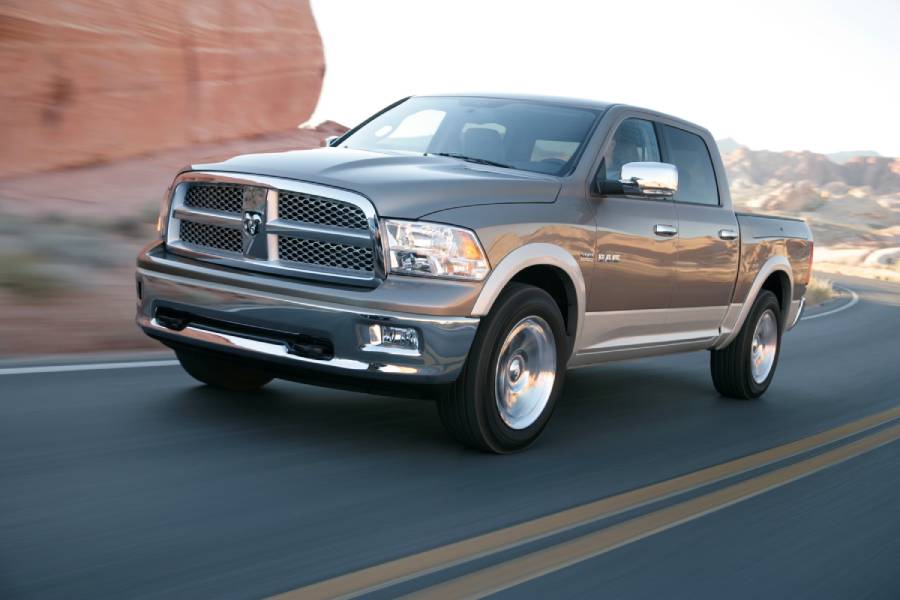
Are Dodge Rams Reliable?
Dodge Ram trucks are moderately reliable overall, but reliability varies substantially by model year, powertrain, and maintenance history. RepairPal gives the Ram brand a reliability rating of 3.0 out of 5.0. Its data shows an average annual repair and maintenance cost of $858, about 0.3 unscheduled repair-shop visits per year, and a 15% probability that a repair will be severe. These figures indicate average rather than class-leading reliability.
Reliability ratings also change considerably between individual Ram model years. For example, J.D. Power gives the 2024 Ram 1500 a Quality & Reliability score of 89/100, while the redesigned 2019 Ram 1500 received 69/100. The 2017 Ram 1500 scored 81/100 for Quality & Reliability. This variation demonstrates why a reliability assessment based only on the Ram nameplate can be misleading.
The distinction between “Dodge Ram” and “Ram” also matters when researching used trucks. Ram became a separate truck brand after being split from Dodge, so older vehicles are commonly identified as Dodge Ram trucks while later models are sold under the Ram name. Used-truck shoppers therefore encounter both names when researching the reliability history of the same pickup lineage.
A Ram’s long-term dependability is determined by five primary factors: model year, engine, transmission, accumulated mileage, and maintenance history. A truck with documented oil changes, fluid services, and timely repairs presents a different ownership risk from an identical model that has been neglected or repeatedly subjected to heavy towing. The specific truck and its service history should therefore be evaluated alongside model-level reliability ratings.
How Many Miles Do Dodge Rams Last?
A properly maintained Dodge Ram can remain serviceable at high mileage, but there is no single mileage at which every Ram reaches the end of its usable life. Vehicle lifespan depends on the engine and transmission combination, maintenance intervals, towing workload, operating conditions, corrosion, and whether previous mechanical problems were repaired correctly.
Mileage alone also does not describe the condition of a high-mileage Ram. Highway mileage generally places different loads on brakes, suspension components, transmissions, and cooling systems than repeated short trips or heavy towing. Two Ram 1500s showing the same odometer reading can therefore have substantially different remaining service lives.
The distinction between engine lifespan and vehicle lifespan is particularly important. An engine can remain functional while the truck requires repairs to its transmission, suspension, steering, electronics, cooling system, or emissions equipment. A Ram does not need to experience complete engine failure to become uneconomical to own. Long-term reliability should therefore be measured by the condition and repair requirements of the entire truck rather than the engine alone.
Can a Dodge Ram Last 200,000 Miles?
A Dodge Ram can reach 200,000 miles when its powertrain is maintained correctly and developing mechanical problems are repaired before they cause secondary damage. Reaching this mileage is plausible for a maintained pickup, but 200,000 miles should not be treated as a guaranteed lifespan for every Ram.
Maintenance becomes increasingly important as mileage accumulates. Engine oil and filters need to be changed at the required intervals, while transmission fluid, coolant, differential fluids, ignition components, belts, hoses, brakes, and suspension parts need inspection or replacement according to the truck’s configuration and use. Trucks subjected to frequent towing, hauling, idling, dusty environments, or severe temperature conditions can require more intensive servicing than lightly used highway vehicles.
A buyer considering a Ram near 200,000 miles should consequently place more weight on maintenance documentation and mechanical condition than mileage alone. Evidence of regular servicing, a properly operating transmission, stable engine oil pressure, a healthy cooling system, and the absence of persistent warning lights provides more useful information than an odometer number without service records.
Can a Dodge Ram Last 300,000 Miles?
A Dodge Ram can reach 300,000 miles, but doing so usually requires consistent maintenance and replacement of wear-related components during the truck’s life. At this mileage, the relevant question is not whether the original engine can continue running; it is whether maintaining the entire vehicle remains mechanically and financially practical.
Components outside the engine become increasingly significant over a 300,000-mile ownership period. Suspension joints, wheel bearings, cooling-system parts, sensors, seals, electrical components, drivetrain hardware, and other wear items do not necessarily share the same service life as the engine. A truck can therefore retain a functional powertrain while accumulating substantial repair requirements elsewhere.
For this reason, 300,000 miles should be viewed as a high-mileage outcome rather than a standard lifespan that every Dodge Ram will achieve. Long-term ownership depends on preventing minor faults from developing into major failures and deciding whether the cost of continued repairs remains justified by the truck’s condition and value.
What Are the Most Reliable Dodge Ram Years?
Some of the more reliable Dodge Ram and Ram 1500 model years are found among mature production years within established generations, but no model year should be judged by year alone. Reliability depends on the engine, transmission, drivetrain, maintenance history, and previous use of the individual truck. A well-maintained example from an average-rated year can be a better purchase than a neglected truck from a year with a stronger reliability record.
The 2017 Ram 1500 is one example with a relatively strong third-party reliability assessment. J.D. Power gave the 2017 Ram 1500 a Quality & Reliability score of 81 out of 100. This score measures defects, malfunctions, and design flaws reported by vehicle owners, providing a useful indicator when comparing model years within the same pickup lineage.
Later fourth-generation Ram 1500 trucks are also relevant to used buyers because the underlying platform and major components had already spent years in production. A mature model year does not automatically eliminate mechanical failures, but manufacturers have more opportunities to address problems identified during earlier production. Buyers should still check the exact engine, transmission, drivetrain, recalls, and service records rather than assuming every truck from a later production year has the same reliability.
Newer fifth-generation trucks require a different interpretation. The 2024 Ram 1500, for example, received a J.D. Power Quality & Reliability score of 89 out of 100. A strong score indicates favorable owner-reported quality and reliability within J.D. Power’s measurement period, but it does not provide the same evidence about 150,000- or 200,000-mile durability that is available from older trucks with longer ownership histories.
The most useful way to identify a reliable Ram is therefore to combine four types of evidence: model-year reliability data, powertrain-specific problem history, recall records, and the individual truck’s maintenance condition. This method reduces the risk of selecting a truck solely because its model year appears on a generalized “best years” list.
What Dodge Ram Years Have the Most Problems?
Certain Dodge Ram and Ram 1500 model years have accumulated more reliability concerns than others, particularly years associated with a redesign or recurring powertrain, electrical, and chassis complaints. The 2019 Ram 1500 illustrates why model-year research matters. J.D. Power gave the redesigned 2019 model a Quality & Reliability score of 69 out of 100, substantially below the 81/100 score recorded for the 2017 Ram 1500.
The 2019 model introduced the fifth-generation Ram 1500, bringing major changes to the truck’s platform, technology, electrical architecture, and available equipment. A redesign can create a different reliability profile because numerous systems change simultaneously. Problems discovered after vehicles enter real-world use can subsequently be addressed through revised parts, software updates, technical service procedures, recalls, or later production changes.
Older Dodge Ram trucks also need to be evaluated by their specific generation and configuration rather than placed into a single unreliable category. Engine problems can affect one powertrain without affecting another, while transmission, steering, suspension, emissions, and electrical problems can be concentrated in particular production periods. The presence of a known problem therefore does not establish that every Ram from the affected year will experience the same failure.
Recall history provides another layer of evidence but should not be used as a standalone reliability score. A recall identifies a safety-related defect that requires correction, while reliability also includes non-recall failures, repair frequency, component durability, and the severity of unexpected repairs. A truck with completed recall work and comprehensive maintenance records can consequently represent a different ownership risk from an identical model with outstanding recalls and an undocumented service history.
Used buyers should verify the vehicle identification number before purchasing a specific Ram because recall applicability can depend on production date and configuration rather than model year alone. They should also compare the truck’s maintenance and repair records with known problems for its engine and transmission. This vehicle-specific approach provides more actionable information than rejecting every truck produced during a model year associated with elevated complaints.
Why Are Some Dodge Ram Years Less Reliable Than Others?
Some Dodge Ram years are less reliable because component designs, powertrain combinations, production changes, and electronic systems differ between model years and generations. Reliability is therefore not a permanent characteristic of the Ram nameplate. A mechanical or electronic system introduced during a redesign can create a problem that did not exist in the preceding generation and may be revised in subsequent production years.
Powertrain configuration creates another major difference. A Ram equipped with a 5.7L HEMI V8 does not share every failure point with a truck using a 3.6L Pentastar V6, EcoDiesel, or Cummins diesel engine. The same principle applies to transmissions. Different engines can be paired with different transmissions, and the durability of the complete powertrain depends on how those components interact under conditions such as towing, hauling, stop-and-go driving, and high-temperature operation.
Maintenance and previous use further amplify differences between trucks from the same year. Frequent heavy towing places additional thermal and mechanical loads on the engine, transmission, cooling system, brakes, and drivetrain. Deferred oil changes, neglected fluid services, unresolved warning lights, and improperly performed repairs can turn manageable wear into expensive failures.
For this reason, model year should be treated as the first screening criterion rather than the final buying decision. A reliable used Ram should combine a favorable model and powertrain history with completed recalls, documented maintenance, acceptable mechanical condition, and a pre-purchase inspection. These factors provide a stronger basis for predicting future reliability than the model year alone.
What Are the Most Common Dodge Ram Problems?
The most common Dodge Ram problems fall into four major categories: engine, transmission, electrical, and suspension or steering problems. The exact failure pattern varies by generation, model year, engine, transmission, and drivetrain configuration, so a problem associated with one Ram should not automatically be applied to every truck in the lineup.
Engine-related concerns include valvetrain noise, exhaust manifold hardware failures, oil leaks, cooling-system problems, and faults specific to individual gasoline or diesel engines. Transmission complaints can include harsh shifting, delayed engagement, slipping, fluid leaks, or failure to select the correct gear. Electrical faults range from battery and charging problems to sensors, modules, infotainment equipment, and warning lights. Suspension and steering problems generally become more relevant as mileage increases because ball joints, tie rods, bushings, wheel bearings, shocks, and related components are exposed to repeated loads.
The severity of these problems also differs. An exhaust leak caused by damaged manifold hardware does not have the same financial or mechanical consequences as internal engine damage or transmission failure. Reliability should therefore be evaluated by three factors: how frequently a fault occurs, how severe the resulting failure is, and how expensive it is to correct.
What Engine Problems Do Dodge Rams Have?
Dodge Ram engine problems include valvetrain faults, exhaust manifold leaks, oil leaks, cooling-system failures, and engine-specific emissions problems. The relevant problems depend heavily on whether the truck uses a HEMI V8, Pentastar V6, EcoDiesel, or Cummins diesel engine.
The 5.7L HEMI V8 is commonly associated with two issues that owners may describe as a “HEMI tick,” but the sound does not identify a single failure by itself. One source can be an exhaust leak around the exhaust manifold or its mounting hardware. Another can involve components within the valvetrain. Because these causes have different repair requirements, a ticking HEMI should be diagnosed rather than assuming that the engine has suffered an internal failure.
Oil and cooling-system condition also affect engine longevity. An oil leak can gradually reduce lubrication if the oil level is not monitored, while a cooling-system fault can cause overheating and increase the risk of cylinder-head, gasket, or internal engine damage. A small leak therefore becomes a reliability issue when it is ignored long enough to affect another component.
Diesel-powered Rams have additional systems that gasoline trucks do not use in the same way. Modern diesel configurations incorporate emissions-control equipment and additional sensors that can generate faults independently of the engine’s basic mechanical durability. This distinction is important when evaluating a used diesel Ram: a durable engine does not mean that every supporting emissions, fuel, cooling, and electronic component will share the same service life.
What Transmission Problems Do Dodge Rams Have?
Dodge Ram transmission problems can include rough shifts, delayed engagement, slipping, fluid leaks, abnormal noises, and failure to engage or remain in the intended gear. These symptoms should be evaluated according to the transmission fitted to the truck because Ram has used different automatic transmissions across generations and powertrain configurations.
A harsh shift does not automatically indicate complete transmission failure. Shift quality can be affected by fluid condition, operating temperature, electronic controls, sensors, software, hydraulic components, or internal mechanical wear. Diagnosis therefore matters before repair severity or cost can be determined.
Delayed engagement is another warning sign worth investigating on a used Ram. A noticeable delay when selecting Drive or Reverse can indicate a transmission-related fault, particularly when accompanied by slipping, unusual noises, warning lights, or inconsistent shifting after the drivetrain reaches operating temperature. A pre-purchase test drive should consequently include both cold and fully warmed operation rather than a short drive around a parking lot.
Towing history also matters because towing increases the load and heat handled by a transmission. A Ram regularly used near its towing limits can have a different wear profile from an otherwise identical truck used primarily for commuting. Service records for transmission fluid and other drivetrain maintenance provide important context when assessing a high-mileage example.
What Electrical Problems Do Dodge Rams Have?
Electrical problems in Dodge Rams can affect batteries, charging systems, sensors, control modules, warning systems, infotainment equipment, and other electronically controlled functions. Their significance has increased as newer Ram generations have incorporated more electronic modules and interconnected vehicle systems.
Electrical faults can be difficult to evaluate from symptoms alone. A warning light, intermittent starting issue, malfunctioning accessory, or communication error can originate from a failed component, damaged wiring, poor connection, low battery voltage, software issue, or another module elsewhere in the network. Replacing components without identifying the underlying fault can therefore increase repair costs without correcting the problem.
Battery condition deserves particular attention because unstable system voltage can produce symptoms across multiple electronic systems. When several unrelated warnings appear simultaneously, testing the battery and charging system provides a logical starting point before assuming multiple components have failed independently.
Used buyers should also verify that dashboard warnings and electronic functions operate correctly before purchase. Warning lights that disappear after the engine starts are normal when designed to perform a startup check, while lights that remain illuminated require diagnosis. Recently cleared diagnostic codes should also be investigated because deleting a code does not repair the condition that originally triggered it.
What Suspension and Steering Problems Do Dodge Rams Have?
Dodge Ram suspension and steering problems commonly involve wear-sensitive components such as ball joints, tie rods, bushings, wheel bearings, shocks, and other steering or suspension hardware. Wear becomes increasingly relevant on high-mileage trucks and vehicles that regularly tow, haul, travel off-road, or operate on rough surfaces.
Suspension wear usually produces observable symptoms before a component fails completely. Clunking over bumps, uneven tire wear, steering looseness, vibration, poor alignment, or excessive movement at a wheel can indicate that one or more components require inspection. These symptoms should not be ignored because steering and suspension parts influence vehicle control as well as tire life.
Modified trucks require additional scrutiny. Oversized tires, altered suspension geometry, lift kits, and nonstandard wheels can change the forces placed on bearings, joints, steering components, and suspension hardware. The modification itself does not prove that a Ram is unreliable, but its installation quality and effect on component loads should be included in a used-truck inspection.
The practical significance of suspension problems depends on how many components require attention at the same time. Replacing one worn component is fundamentally different from purchasing a high-mileage truck that needs tires, wheel bearings, steering components, shocks, and alignment work simultaneously. Evaluating the complete chassis condition provides a more accurate estimate of ownership risk than treating each symptom as an isolated repair.
Are Dodge Ram Engines Reliable?
Dodge Ram engines are generally reliable when maintained correctly, but reliability differs significantly among the 5.7L HEMI V8, 3.6L Pentastar V6, Cummins diesel, and EcoDiesel engines. Each powertrain uses a different design and supporting systems, which means its common failure points, maintenance requirements, and long-term repair risks are not interchangeable.
Engine reliability should also be separated from total vehicle reliability. A Ram can retain a mechanically sound engine while developing transmission, electrical, emissions, cooling, or suspension problems. Conversely, a truck with a well-maintained chassis can become expensive to own if its engine develops a major internal fault. Buyers should therefore evaluate both the engine family and the condition of the complete vehicle.
Three factors have the greatest effect on the reliability of a used Ram engine: maintenance history, operating conditions, and evidence of existing faults. Consistent oil changes protect lubricated internal components, while a functioning cooling system controls operating temperature. Heavy towing, prolonged idling, repeated short trips, and deferred maintenance can change the wear profile even between two trucks equipped with the same engine.
Is the 5.7L HEMI V8 Reliable?
The 5.7L HEMI V8 can provide reliable long-term service, but valvetrain and exhaust-manifold-related problems are important failure points to investigate. The engine has been installed across numerous Ram model years, so its reliability should be assessed according to the specific year, maintenance history, operating hours, and symptoms rather than from the HEMI name alone.
A ticking sound is one of the symptoms frequently associated with the 5.7L HEMI, but “HEMI tick” is a descriptive term rather than a diagnosis. A ticking noise can originate around the exhaust manifold and its mounting hardware, while another source can involve the valvetrain. The distinction matters because an external exhaust leak and an internal valvetrain problem have different mechanisms, repair procedures, and consequences.
Lubrication history deserves particular attention when evaluating a used HEMI. Engine oil lubricates components throughout the valvetrain and rotating assembly, so incorrect oil, inadequate oil level, or extended service intervals can increase wear. Service documentation provides evidence that is more useful than an owner’s statement that the truck was “well maintained.”
A prospective buyer should listen to a 5.7L HEMI during a cold start and again after the engine reaches operating temperature. Persistent ticking, abnormal oil pressure, misfires, warning lights, exhaust leaks, or stored diagnostic codes justify further diagnosis before purchase. A properly operating HEMI should not be rejected solely because the engine family has documented problem areas.
Is the 3.6L Pentastar V6 Reliable?
The 3.6L Pentastar V6 is a viable Ram engine for long-term ownership, but cooling, lubrication, valvetrain, and oil-leak concerns should be checked on a used truck. Its reliability profile differs from the 5.7L HEMI because the two engines use different designs and are often purchased for different workloads.
The Pentastar’s naturally aspirated gasoline configuration avoids some of the additional emissions and forced-induction hardware found on modern diesel engines. Fewer diesel-specific systems do not make the engine immune to failure, but they change the number and type of components that an owner must maintain.
Oil leakage requires attention because a leak can create two separate problems. The immediate issue is loss of engine oil, while leaked oil can also contaminate surrounding components or produce odors and smoke when it reaches hot surfaces. Repairing the source early limits the chance that a relatively localized fault develops into a broader maintenance problem.
Cooling-system condition is equally important on a high-mileage Pentastar. Stable coolant temperature, correct coolant level, functioning fans, intact hoses, and the absence of visible leakage indicate that the system is performing its basic role. Repeated overheating should be treated as a significant warning because excessive temperature can damage seals, gaskets, cylinder heads, and other engine components.
The 3.6L Pentastar is therefore best evaluated through its actual condition rather than an assumption that a V6 is inherently more or less reliable than a V8. Buyers who do not require the output of a larger engine may find it appropriate, provided the specific truck has a documented maintenance history and passes a mechanical inspection.
Is the Cummins Diesel Engine in Ram Trucks Reliable?
Cummins diesel engines used in Ram heavy-duty trucks have strong long-term durability potential, but the reliability of a diesel Ram depends on more than the engine block itself. Fuel delivery, turbocharging, cooling, emissions equipment, sensors, transmission components, and other supporting systems contribute to the truck’s total ownership reliability.
This distinction becomes especially important when discussing high-mileage diesel trucks. An engine’s major internal components can remain serviceable while peripheral equipment requires expensive repair or replacement. Describing the Cummins engine as durable therefore does not establish that a Ram 2500 or Ram 3500 will reach a specific mileage without significant maintenance costs.
Usage also changes the reliability equation. Cummins-powered Rams are frequently selected for towing and hauling, which can expose the drivetrain to sustained loads that a lightly used passenger vehicle rarely experiences. A high-mileage truck with documented servicing and controlled operating temperatures can present a different risk from a lower-mileage truck that has repeatedly been overloaded or poorly maintained.
Diesel emissions equipment deserves separate consideration on modern trucks because it adds components beyond the engine’s fundamental mechanical assembly. A fault in an emissions-control component can produce warning lights, reduced performance, or repair expenses even when the engine itself remains mechanically healthy. Buyers should therefore inspect the complete diesel and emissions system rather than judging reliability solely by the Cummins reputation.
For a used Cummins Ram, service records, cold-start behavior, abnormal smoke, fluid leaks, warning lights, diagnostic codes, transmission operation, and evidence of previous modifications should all be evaluated. Extensive aftermarket tuning or emissions modifications can make the truck’s previous operating conditions more difficult to establish.
Overall, the Cummins engine can be a strong choice for buyers who need a heavy-duty truck and are prepared for diesel-specific maintenance. Its durability advantage is most meaningful when the rest of the truck has received maintenance consistent with the demanding work for which the powertrain was designed.
Are Dodge Ram Transmissions Reliable?
Dodge Ram transmissions can be reliable with proper maintenance, but their durability varies by transmission type, model year, engine pairing, workload, and previous service history. Ram trucks have used multiple automatic transmissions across different generations, so transmission reliability cannot be accurately reduced to a single rating for every Dodge Ram.
Transmission condition is especially important because a reliable engine does not guarantee a reliable drivetrain. The engine generates power, while the transmission must transfer that power under changing speeds and loads. Towing and hauling increase these loads and generate additional heat, making operating conditions an important factor when evaluating a used truck.
Ram 1500 models equipped with eight-speed automatic transmissions should therefore be assessed according to their actual shifting behavior rather than reputation alone. Smooth engagement from Park into Drive or Reverse, predictable shifts under acceleration, and consistent operation after reaching normal temperature are positive signs. Harsh shifts, hesitation, slipping, abnormal noises, warning messages, or delayed engagement require diagnosis because these symptoms can indicate electronic, hydraulic, fluid-related, or internal mechanical problems.
Transmission temperature also affects long-term durability. Heat reduces the ability of transmission fluid to perform its lubrication and hydraulic functions when operating conditions exceed the system’s intended range. Heavy towing, high ambient temperatures, steep grades, and repeated stop-and-go operation can increase thermal stress. A truck that spent much of its life towing heavy loads can consequently have a different transmission wear profile from an identical Ram used mainly for highway commuting.
Fluid condition and service history provide additional evidence when evaluating transmission reliability. Transmission fluid performs several functions, including lubrication, hydraulic pressure transfer, cooling, and contamination control. Fluid loss, incorrect fluid, neglected leaks, or inappropriate servicing can interfere with these functions and accelerate component wear. Maintenance should follow the requirements for the specific transmission and operating conditions rather than a universal interval applied to every Ram.
Electronic controls add another diagnostic consideration. Modern automatic transmissions use sensors, control modules, solenoids, and software to determine shift timing and gear selection. A poor shift can therefore originate from a control-related problem rather than immediate mechanical failure inside the transmission. Diagnostic trouble codes and manufacturer-specific testing help distinguish electronic faults from hydraulic or internal mechanical damage.
A used Ram should be test-driven both cold and at normal operating temperature before purchase. The test should include gentle acceleration, stronger acceleration, deceleration, reverse engagement, low-speed operation, and highway-speed shifting when conditions permit. A transmission that behaves normally during a short cold test can display different symptoms once the fluid and drivetrain reach operating temperature.
Towing history should also be considered alongside mileage. A 100,000-mile Ram that has repeatedly pulled heavy trailers can place different demands on its transmission from a 100,000-mile truck accumulated primarily through unloaded highway driving. Service records, trailer equipment, modifications, drivetrain condition, and the seller’s description of previous use provide context for interpreting the odometer reading.
Transmission reliability is therefore determined by the specific Ram configuration and its maintenance and operating history, not by the Ram badge alone. Buyers should investigate abnormal shifting before purchase because a minor control or service issue and a major internal transmission failure can initially produce similar symptoms but result in substantially different repair costs.
Are Dodge Rams Expensive to Maintain and Repair?
Dodge Rams have moderate to relatively high maintenance and repair costs, with expenses varying by model, engine, drivetrain, mileage, and how the truck is used. RepairPal estimates an average annual repair and maintenance cost of $858 across Ram vehicles. This figure combines routine maintenance with unexpected repairs, so it should not be interpreted as the amount every Ram owner will spend each year.
Routine maintenance and unexpected repairs create two different types of ownership costs. Routine maintenance includes scheduled services such as engine oil and filter changes, fluid inspections, brake servicing, tire replacement, and replacement of normal wear components. These expenses are predictable and help prevent premature component failure. Unexpected repairs involve faults such as failed sensors, cooling-system leaks, suspension wear, electrical problems, engine faults, or transmission problems.
The severity of a repair matters as much as its frequency. RepairPal reports that approximately 15% of repairs for Ram vehicles are considered severe, while owners average about 0.3 unscheduled repair-shop visits per year. A truck can therefore visit a repair facility relatively infrequently but still generate a substantial ownership expense when a major drivetrain or electronic component fails.
Engine configuration also changes maintenance requirements. A gasoline-powered Ram 1500 with a 3.6L Pentastar V6 has a different service profile from a 5.7L HEMI V8, while Cummins-powered Ram 2500 and 3500 trucks introduce diesel-specific fuel, emissions, and heavy-duty drivetrain components. The larger capacity and more complex systems of a heavy-duty diesel truck can increase the cost of individual maintenance procedures even when the underlying engine remains mechanically durable.
Mileage produces another cost difference. As a Ram accumulates miles, maintenance extends beyond oil changes and filters to components that wear over longer intervals. Brakes, wheel bearings, suspension joints, shocks, hoses, seals, batteries, cooling-system components, and drivetrain parts can require replacement. Several age-related repairs occurring within the same ownership period can make a high-mileage truck expensive even without a catastrophic engine or transmission failure.
Previous use can accelerate this process. Regular towing and hauling increase loads on the transmission, cooling system, brakes, suspension, wheel bearings, and drivetrain. Off-road operation can add stress to steering and suspension components, while frequent short trips and prolonged idling create operating conditions different from steady highway driving. Maintenance cost should consequently be evaluated alongside the truck’s work history rather than mileage alone.
Maintenance records can reduce uncertainty when purchasing a used Ram. Documentation showing regular oil changes, appropriate fluid services, completed recall work, and timely replacement of worn components indicates that previous owners addressed predictable maintenance requirements. Missing records do not prove neglect, but they make it harder to establish whether expensive services were performed when required.
Unexpected repair costs deserve greater attention when comparing two used trucks. A less expensive Ram that immediately needs tires, brakes, suspension work, cooling-system repairs, and an oil leak corrected can cost more during the first year than a higher-priced truck with those services already completed. Purchase price should therefore be considered together with the cost of bringing the vehicle to a reliable mechanical condition.
Dodge Rams are not automatically expensive to own simply because they are pickup trucks, but repair costs can rise substantially when maintenance has been deferred or major powertrain components fail. Buyers planning long-term ownership should budget for routine servicing and inspect high-cost systems before purchase instead of using average annual maintenance cost as the only measure of affordability.
Are Dodge Rams More Reliable Than Other Pickup Trucks?
Dodge Rams are competitive with other full-size pickup trucks for reliability, but they are not consistently more reliable than every Ford F-150, Chevrolet Silverado 1500, or Toyota Tundra. The result changes according to model year, powertrain, maintenance history, and the reliability metric used for comparison. Comparing brands without controlling for these factors can produce a misleading buying recommendation.
Four factors provide a useful basis for comparing pickup-truck reliability: frequency of unexpected problems, severity of major repairs, powertrain durability, and long-term maintenance requirements. Model-year-specific data is particularly important because a redesigned truck can have a substantially different reliability record from the model it replaces.
Ram also competes across several vehicle classes. A Ram 1500 should primarily be compared with other half-ton trucks such as the Ford F-150, Chevrolet Silverado 1500, and Toyota Tundra. Ram 2500 and 3500 heavy-duty trucks operate under different loads and use different engines, transmissions, suspension systems, and drivetrain components, so combining them with half-ton pickups would weaken the comparison.
Is a Ram 1500 More Reliable Than a Ford F-150?
Neither the Ram 1500 nor Ford F-150 is universally more reliable because both trucks have model years and powertrain configurations with different failure histories. A useful comparison therefore requires matching trucks of similar age, mileage, engine type, and previous workload.
The Ford F-150 has been offered with multiple naturally aspirated, turbocharged, hybrid, and V8 powertrains, while the Ram 1500 has used engines including the Pentastar V6, HEMI V8, and EcoDiesel during different production periods. Each configuration introduces its own components and failure points. Comparing “Ram reliability” with “F-150 reliability” without identifying the engines and model years removes information that directly affects long-term ownership.
Maintenance history can also outweigh a small difference in model-level reliability ratings. A Ram 1500 with complete service documentation, no unresolved warning lights, and a healthy drivetrain can represent a lower ownership risk than an F-150 with deferred maintenance and an unknown towing history. The opposite is equally true.
Used buyers should consequently compare specific vehicles rather than choose between Ram and Ford solely from brand reputation. Model year, engine, transmission, recall status, diagnostic results, corrosion, service records, and a pre-purchase inspection provide stronger evidence for an individual buying decision.
Is a Ram 1500 More Reliable Than a Chevrolet Silverado 1500?
The Ram 1500 and Chevrolet Silverado 1500 have comparable roles as full-size half-ton pickups, but neither model maintains a reliability advantage across every generation and powertrain. Reliability differences become clearer when individual model years and mechanical configurations are compared.
The Silverado 1500 uses its own range of gasoline and diesel engines, transmissions, electronic systems, and cylinder-management technologies. Ram uses a different set of powertrains and vehicle systems. As a result, each truck develops a different collection of potential engine, transmission, electrical, and chassis problems over its service life.
Repair severity should be considered alongside the number of reported problems. Several inexpensive wear-related repairs can be less important to long-term ownership than one major engine or transmission failure. Counting complaints without considering the type and consequence of each failure therefore provides an incomplete reliability comparison.
Condition becomes increasingly important as the trucks age. At high mileage, previous towing, corrosion exposure, fluid maintenance, suspension condition, drivetrain servicing, and previous repairs can have a greater effect on future costs than a modest difference in original reliability ratings. A mechanical inspection is therefore necessary when choosing between similarly aged Ram and Silverado trucks.
Is a Ram 1500 More Reliable Than a Toyota Tundra?
A Ram 1500 should not automatically be considered more or less reliable than a Toyota Tundra without specifying the model years being compared. The Tundra has a strong reputation for long-term durability, but reputation alone does not establish the condition or future reliability of an individual used truck.
Generation changes are particularly important in this comparison. Engines, transmissions, electronics, emissions systems, and other components change when manufacturers redesign their trucks. Reliability evidence from an older Tundra generation cannot automatically predict the reliability of a newer generation, just as reliability data for a fourth-generation Ram 1500 cannot simply be transferred to a fifth-generation model.
The same principle applies to high-mileage examples. A Tundra with an incomplete service history or significant corrosion can present greater ownership risk than a well-maintained Ram, even when the Toyota generation has a stronger historical reliability reputation. Vehicle condition modifies the practical value of model-level reliability statistics.
Buyers deciding between a Ram 1500 and Toyota Tundra should therefore compare equivalent model years and evaluate five vehicle-specific factors: powertrain history, maintenance documentation, outstanding recalls, current mechanical condition, and evidence of severe previous use. These factors turn a general brand comparison into a more useful prediction of long-term ownership risk.
The Ram 1500’s reliability position among full-size pickups is therefore model-specific rather than absolute. Ford, Chevrolet, Toyota, and Ram have each produced trucks with stronger and weaker reliability records. For a used-truck buyer, choosing the right model year and individual vehicle is more important than assuming one manufacturer is always the most reliable.
Is a Used Dodge Ram Reliable?
A used Dodge Ram can be reliable when it has the right model-year and powertrain combination, documented maintenance, and good mechanical condition. Age and mileage alone do not determine whether a used Ram is dependable. Two trucks with identical odometer readings can have substantially different reliability because of their service histories, towing workloads, operating environments, previous repairs, and modifications.
Model year provides the first level of screening because reliability patterns change between generations and production years. A buyer should identify whether the truck belongs to a model year associated with recurring engine, transmission, electrical, steering, or suspension concerns. This information establishes which components deserve closer inspection, but it does not prove that an individual truck has or will develop those faults.
Maintenance history provides the second level of evidence. Records for engine oil changes, cooling-system service, drivetrain fluids, brakes, and previous repairs show how consistently the truck has been maintained. A high-mileage Ram with documented maintenance can represent a lower ownership risk than a lower-mileage truck with long service gaps and no evidence that required maintenance was completed.
Previous workload is equally important because Ram trucks are designed to perform tasks that create substantial mechanical loads. Frequent towing and hauling place additional stress on the transmission, cooling system, brakes, suspension, wheel bearings, and drivetrain. Off-road use can increase wear on steering and suspension components, while extensive idling adds engine operating hours without adding equivalent mileage to the odometer.
Modifications introduce another variable. Suspension lifts, oversized tires, engine tuning, altered exhaust or emissions equipment, and other aftermarket changes can affect component loads or make the truck’s previous operating conditions harder to determine. A modification does not automatically make a Ram unreliable, but its installation quality and mechanical consequences should be assessed before purchase.
The most reliable used Ram is therefore not necessarily the truck with the lowest mileage. A better candidate combines an appropriate model year and powertrain with documented maintenance, normal drivetrain operation, completed safety repairs, and no evidence of unresolved mechanical faults. A pre-purchase inspection can verify these conditions before the buyer assumes the financial risk of future repairs.
What Should You Check Before Buying a Used Dodge Ram?
Check at least seven areas before buying a used Dodge Ram: service history, engine condition, transmission operation, cooling system, electrical systems, steering and suspension, and the truck’s recall and modification history. These checks address the systems most relevant to the reliability issues discussed throughout this guide.
Start with the maintenance records because they provide context for everything found during the physical inspection. Verify oil-change history and look for evidence of fluid services, cooling-system repairs, brake work, and replacement of major components. Compare invoices with the current mileage to determine whether maintenance was performed consistently rather than completed only immediately before the truck was listed for sale.
Inspect the engine from a cold start whenever possible. Starting an already-warm engine can conceal symptoms that occur after the vehicle has been parked for several hours. Listen for persistent ticking, knocking, or other abnormal noises and check for oil or coolant leaks, unstable idle, excessive smoke, warning lights, and abnormal gauge readings. On a 5.7L HEMI, for example, ticking deserves diagnosis because an exhaust-related noise and an internal valvetrain problem do not represent the same repair risk.
Test the transmission through more than one operating condition. Check engagement into Drive and Reverse, low-speed shifts, acceleration, deceleration, and highway shifts when a safe test route permits them. Continue driving until the drivetrain reaches normal operating temperature because delayed engagement, slipping, harsh shifting, or other symptoms can change as transmission temperature increases.
Inspect the cooling system because overheating can turn a repairable cooling-system fault into major engine damage. Check the coolant level and condition when safe, inspect accessible hoses and connections for leakage, and monitor the temperature gauge during the test drive. Evidence of repeated coolant loss or previous overheating warrants additional diagnosis.
Test the truck’s electrical equipment individually. Confirm that exterior lighting, power windows, locks, climate controls, infotainment equipment, cameras, dashboard displays, and other installed features operate correctly. Check whether warning lights illuminate during the startup self-test and then turn off normally. Persistent warning lights or diagnostic codes should be investigated rather than cleared before purchase.
Inspect the steering, suspension, wheels, and tires for evidence of wear or modification-related stress. Uneven tire wear, steering looseness, vibration, clunking, leaking shocks, damaged bushings, or wheel-bearing play can indicate repairs that need to be included in the purchase budget. Lifted trucks and vehicles with oversized wheels or tires deserve additional inspection because changes in suspension geometry and component loading can accelerate wear when modifications are poorly selected or installed.
Finally, verify the vehicle identification number and investigate applicable recalls, previous accidents, title history, and major modifications. A model-year reliability rating describes a population of vehicles; a VIN identifies the exact truck being purchased. Recall completion and vehicle history therefore provide information that a generalized “best Dodge Ram years” list cannot supply.
A professional pre-purchase inspection should follow these checks when the truck remains a serious candidate. The inspection is particularly valuable for high-mileage, diesel, modified, or heavily used Rams because expensive engine, transmission, emissions, steering, and drivetrain faults are not always apparent during a brief test drive.
Is a Dodge Ram Worth Buying for Long-Term Ownership?
A Dodge Ram is worth buying for long-term ownership when you choose a reliable model year and powertrain, verify its maintenance history, and confirm that the individual truck is mechanically sound. Ram trucks can remain dependable at high mileage, but the reliability differences between model years, engines, transmissions, and previous usage make vehicle selection more important than brand reputation alone.
A Ram is a stronger long-term purchase when its maintenance history can be documented. Regular oil changes, appropriate fluid services, cooling-system maintenance, completed repairs, and attention to developing mechanical problems reduce the likelihood that minor faults will cause secondary damage. Service records also allow a buyer to distinguish a genuinely maintained high-mileage truck from one that has simply reached high mileage without documented preventive care.
Powertrain selection should match the truck’s intended use. The 3.6L Pentastar V6, 5.7L HEMI V8, and Cummins diesel each have different mechanical characteristics and potential failure points. Buyers should not select an engine solely because it has a reputation for durability. A powertrain that matches the expected towing, hauling, mileage, and driving conditions provides a more useful basis for long-term ownership.
Used Rams require additional scrutiny because previous use can substantially alter future reliability. A truck that accumulated highway miles with consistent maintenance presents a different mechanical risk from an identical model that regularly performed heavy towing with deferred servicing. Mileage should therefore be interpreted together with engine hours when available, maintenance documentation, drivetrain condition, modifications, and evidence of previous work.
Long-term owners should also expect wear-related repairs as mileage increases. Suspension components, wheel bearings, brakes, seals, cooling-system parts, sensors, batteries, and other components do not necessarily last as long as the engine. Reaching 200,000 miles or more without replacing any components is not a realistic definition of reliability. A more useful definition is whether the truck remains mechanically dependable without developing repair costs that exceed its practical value.
A Dodge Ram is consequently a suitable long-term choice for buyers willing to evaluate the specific truck rather than rely on the Ram badge alone. The best long-term candidate combines a favorable model and powertrain history, consistent maintenance, completed recall work, an unmodified or professionally modified drivetrain, and a clean pre-purchase inspection. Buyers who verify these factors before purchasing can reduce the primary reliability risks associated with owning a used Ram.