Choosing the correct Mopar transfer case fluid equivalent is essential for maintaining the reliability of a four wheel drive or all wheel drive system. While many vehicle owners assume that every Mopar transfer case uses the same lubricant, the reality is different. Each transfer case is engineered with specific friction characteristics, viscosity requirements, and additive formulations that directly affect shifting performance, component protection, and long term durability. Using the wrong fluid can lead to clutch chatter, excessive wear, overheating, or even premature transfer case failure.
The safest way to select an equivalent fluid is to identify the transfer case model before considering any replacement product. Vehicles from Jeep, Ram, Dodge, and Chrysler may share similar platforms, yet they often use different transfer cases that require different lubricants. This is why relying only on the vehicle model or production year can result in an incorrect fluid choice.
This guide explains everything you need to know about finding a reliable Mopar transfer case fluid equivalent. You will learn how to identify your transfer case, understand OEM fluid specifications, compare compatible aftermarket alternatives, and determine whether ATF+4 is suitable for your application. By the end of this article, you will be able to choose a replacement fluid with confidence while protecting the performance and service life of your transfer case.
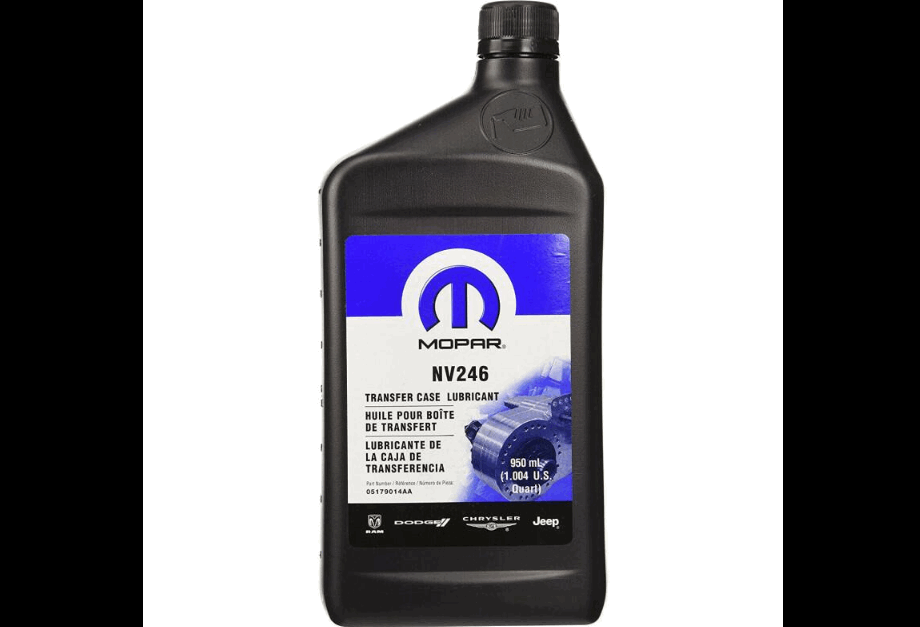
What Is a Mopar Transfer Case Fluid Equivalent?
A Mopar transfer case fluid equivalent is a replacement fluid that delivers the same performance as the original Mopar lubricant. It matches the required viscosity, friction characteristics, and technical specifications for a specific transfer case. When the fluid meets these requirements, it helps the transfer case operate safely and efficiently.
Many vehicle owners believe any automatic transmission fluid can replace the factory lubricant. This assumption often leads to poor performance and unnecessary wear. Every transfer case uses a specific fluid formulation to lubricate internal components, control clutch engagement, and reduce friction. A fluid with the wrong additive package may cause rough operation, abnormal noise, or accelerated component wear.
A true equivalent fluid meets the same OEM requirements as the original Mopar product. Many licensed ATF+4 fluids satisfy these standards for transfer cases designed to use ATF+4. Other transfer cases require dedicated transfer case lubricants instead. Choosing a product that matches the required specification is more important than choosing a well known brand.
Always identify the transfer case model before buying a replacement fluid. Two vehicles from the same manufacturer may use different transfer cases, even if they share the same engine and model year. Each transfer case may require a different lubricant. Selecting the correct fluid protects gears, bearings, chains, and clutch packs. It also helps maintain smooth four wheel drive performance and extends the service life of the transfer case.
How Do You Identify the Correct Mopar Transfer Case Before Choosing an Equivalent?
You should identify the transfer case model before selecting a Mopar transfer case fluid equivalent. The transfer case determines the required fluid specification, not the vehicle model alone. Many Jeep, Ram, Dodge, and Chrysler vehicles share similar engines and transmissions, but they often use different transfer cases. As a result, they may require completely different lubricants.
The owner’s manual provides the most reliable place to start. Most manufacturers list the transfer case model and the recommended fluid specification in the maintenance section. If the manual is unavailable, inspect the identification tag attached to the transfer case housing. This tag usually displays the model number, part number, and other manufacturing details. You can also decode the vehicle identification number (VIN) through an authorized dealer or a trusted parts database to confirm the correct transfer case.
Several transfer case models appear across Mopar vehicles, including the NV140, NV241, NV243, NV245, NV247, NV271, NV273, and selected BorgWarner units. Although some of these models use ATF+4, others require dedicated transfer case lubricants with different friction properties. Choosing the wrong fluid because two vehicles look similar can reduce shifting performance and increase internal wear.
Always confirm the transfer case model before purchasing any replacement fluid. This simple step eliminates guesswork and helps you choose a lubricant that matches the original specification. It also reduces the risk of costly repairs and keeps the four wheel drive system operating as designed.
Which Fluids Are the Best Mopar Transfer Case Fluid Equivalents?
The best Mopar transfer case fluid equivalent is the product that matches the original OEM specification for your transfer case. Brand alone does not determine compatibility. A replacement fluid must provide the correct viscosity, friction characteristics, and additive technology to protect internal components and maintain smooth four wheel drive operation.
Genuine Mopar transfer case fluid remains the first choice because engineers develop it specifically for Mopar transfer cases. It meets the exact requirements for lubrication, heat resistance, and wear protection. If your vehicle operates under warranty or frequently tows heavy loads, using the original fluid offers the highest level of confidence.
Licensed ATF+4 fluids provide an excellent alternative for transfer cases that require ATF+4. Manufacturers such as Valvoline, Castrol, Mobil, Pennzoil, and Mopar produce fluids that meet the same ATF+4 performance standard. These products deliver consistent shift quality, reliable cold weather performance, and strong oxidation resistance when the transfer case was originally designed for ATF+4.
Premium synthetic transfer case fluids also offer dependable protection when they match the required OEM specification. Brands such as AMSOIL, Red Line, Ravenol, and Royal Purple formulate synthetic lubricants to withstand high temperatures and heavy loads. Many off road enthusiasts and towing applications prefer these products because they maintain stable viscosity under demanding conditions and provide excellent wear protection during extended service intervals.
Always compare the product specification with the requirement listed for your transfer case before making a purchase. Two fluids may carry similar marketing claims, but only one may satisfy the correct OEM specification. Choosing a fluid that matches the required standard helps reduce wear, improves long term reliability, and keeps the transfer case performing as the manufacturer intended.
Mopar Transfer Case Fluid Compatibility Chart
A compatibility chart helps you match the correct fluid to your transfer case model before performing a fluid change. It provides a quick reference for the original Mopar fluid, the required specification, and suitable replacement options. However, you should always confirm the information with your owner’s manual or the transfer case identification tag because specifications may vary by model year.
| Transfer Case Model | OEM Mopar Fluid | Required Specification | Compatible Equivalent Fluids |
|---|---|---|---|
| NV140 | Mopar ATF+4 | MS-9602 | Valvoline ATF+4, Mobil ATF+4, Castrol Transmax ATF+4 |
| NV241 | Mopar ATF+4 | MS-9602 | Pennzoil Platinum ATF+4, Valvoline ATF+4, Mobil ATF+4 |
| NV243 | Mopar ATF+4 | MS-9602 | Castrol Transmax ATF+4, Mobil ATF+4, AMSOIL ATF |
| NV245 | Mopar Transfer Case Fluid | OEM Specification | Ravenol Transfer Fluid, AMSOIL Synthetic ATF* |
| NV247 | Mopar Transfer Case Lubricant | Special Friction Specification | Crown Transfer Case Fluid, Mopar OEM Fluid |
| NV271 | Mopar ATF+4 | MS-9602 | Valvoline ATF+4, Castrol Transmax ATF+4 |
| NV273 | Mopar ATF+4 | MS-9602 | Mobil ATF+4, Pennzoil Platinum ATF+4 |
| BorgWarner Transfer Cases | Refer to OEM Specification | Model Specific | Use only fluids that match the required specification |
This chart serves as a starting point rather than a universal recommendation. Some transfer cases share the same fluid specification, while others require a unique lubricant with different friction properties. Choosing a fluid based only on the vehicle model can result in poor lubrication or reduced transfer case performance.
Always verify the transfer case model before selecting an equivalent fluid. If the required specification matches MS-9602, a licensed ATF+4 product usually provides a safe replacement. If the transfer case requires a dedicated Mopar transfer case lubricant, select a product that specifically states compatibility with that OEM specification. Taking a few minutes to confirm the correct fluid can prevent premature wear and help the transfer case deliver reliable performance for many years.
Is ATF+4 Always the Correct Mopar Transfer Case Fluid Equivalent?
ATF+4 is not always the correct Mopar transfer case fluid equivalent. Many Mopar transfer cases use ATF+4, but others require a dedicated transfer case lubricant with different friction characteristics. Choosing the correct fluid depends on the transfer case model instead of the vehicle brand or model year.
Several New Venture Gear transfer cases, including the NV140, NV241, NV243, NV271, and NV273, commonly use ATF+4 because engineers designed these units around its viscosity and additive package. Licensed ATF+4 products from reputable manufacturers can deliver the same level of protection when they meet the MS-9602 specification. These fluids provide stable lubrication, reliable cold temperature performance, and consistent wear protection under normal driving conditions.
Other transfer cases require a specialized lubricant instead of ATF+4. Models equipped with progressive clutch packs or unique internal components often depend on a dedicated fluid to maintain proper friction and smooth torque transfer. Replacing these fluids with standard ATF+4 may increase clutch wear, create vibration during engagement, or reduce the efficiency of the four wheel drive system over time.
Many vehicle owners make the mistake of assuming that every Mopar transfer case uses the same lubricant because several models share similar drivetrains. This approach can shorten component life and reduce overall performance. Always verify the transfer case model and confirm the required fluid specification before purchasing a replacement. Following the original OEM recommendation remains the safest way to protect the transfer case and maintain reliable four wheel drive operation.
What Happens If You Use the Wrong Transfer Case Fluid?
Using the wrong transfer case fluid can reduce performance and cause permanent damage to internal components. The transfer case depends on a specific lubricant to reduce friction, control heat, and protect gears, bearings, chains, and clutch packs. When the fluid does not match the required specification, the entire four wheel drive system may operate less efficiently.
The first signs of an incorrect fluid often appear during normal driving. You may notice unusual noises, rough engagement, delayed power transfer, or vibration when shifting between drive modes. These symptoms develop because the fluid cannot provide the friction characteristics that the transfer case requires. As the problem continues, internal parts experience greater stress and wear at a faster rate.
Using the wrong fluid also increases operating temperatures inside the transfer case. Higher temperatures reduce the lubricant’s ability to protect moving components and accelerate fluid degradation. Over time, excessive heat can damage seals, shorten bearing life, and wear the drive chain or gears. In electronically controlled transfer cases, poor lubrication may also affect clutch pack operation and reduce the accuracy of torque distribution between the front and rear axles.
Repairing a damaged transfer case often costs far more than replacing the fluid with the correct product. For this reason, selecting a fluid that matches the original OEM specification is always the safest decision. Verifying the transfer case model before every fluid change helps prevent expensive repairs, improves long term reliability, and keeps the four wheel drive system operating as designed.
How Do You Choose the Best Mopar Transfer Case Fluid Equivalent?
The best Mopar transfer case fluid equivalent is the one that matches your transfer case specification exactly. Choosing the correct fluid protects internal components, maintains smooth power transfer, and helps the four wheel drive system perform as intended. A well matched lubricant also reduces wear and extends the service life of the transfer case.
Start by checking the fluid specification recommended by the manufacturer. This information appears in the owner’s manual or on the transfer case identification tag. Many Mopar transfer cases require ATF+4 that meets the MS-9602 specification, while others need a dedicated transfer case lubricant. Matching the specification is far more important than selecting a popular brand.
Next, consider the conditions in which you drive. Vehicles that tow heavy trailers, travel off road, or operate in extreme temperatures place additional stress on the transfer case. A high quality synthetic fluid often provides better thermal stability and stronger oxidation resistance under these demanding conditions. For normal daily driving, a licensed OEM equivalent usually delivers all the protection the transfer case requires.
Finally, purchase fluids from manufacturers with proven quality standards and clear compatibility information. Reputable brands publish detailed product specifications and identify the transfer cases they support. Avoid products that make broad compatibility claims without referencing OEM requirements. Selecting the correct fluid based on specification, operating conditions, and manufacturer approval helps maintain reliable four wheel drive performance and reduces the risk of premature transfer case wear.
How Often Should Mopar Transfer Case Fluid Be Changed?
You should change Mopar transfer case fluid at the interval recommended for your specific transfer case and driving conditions. Most manufacturers recommend inspecting the fluid regularly and replacing it between 30,000 and 60,000 miles under normal use. Vehicles that tow heavy loads, travel off road, or operate in harsh environments often require more frequent service to maintain reliable performance.
Transfer case fluid gradually loses its protective properties as it ages. Heat, moisture, and metal particles reduce the lubricant’s ability to minimize friction and control operating temperatures. As the fluid deteriorates, internal components receive less protection, which increases the risk of wear and reduces the efficiency of the four wheel drive system.
Driving conditions also play an important role in determining service intervals. Frequent towing, deep water crossings, steep mountain roads, and extended off road driving expose the transfer case to higher temperatures and heavier loads. These conditions accelerate fluid degradation and increase contamination. Replacing the fluid earlier helps remove harmful deposits and restores proper lubrication before damage develops.
Do not rely only on mileage when deciding whether to replace the fluid. Inspect the lubricant during routine maintenance whenever possible. Clean transfer case fluid usually appears clear and maintains a consistent color. Dark fluid, a burnt odor, or visible metal particles indicate that the lubricant has reached the end of its service life. Replacing the fluid before these conditions become severe helps extend transfer case life and maintains dependable four wheel drive performance.
How Do You Replace Mopar Transfer Case Fluid?
Replacing Mopar transfer case fluid is a straightforward maintenance task when you use the correct fluid and follow the proper procedure. Performing regular fluid changes helps reduce wear, improve lubrication, and maintain reliable four wheel drive performance. Before starting, make sure the replacement fluid matches the specification required for your transfer case.
Begin by parking the vehicle on a level surface and allowing the transfer case to cool if it has been operating for an extended period. Remove the fill plug before loosening the drain plug. This simple step confirms that you can refill the transfer case after draining the old lubricant. Once the drain plug is removed, allow the fluid to empty completely into a suitable drain pan.
Inspect the drained fluid before installing the drain plug. A small amount of fine metallic residue on the magnetic drain plug is usually normal. Large metal fragments, excessive sludge, or a burnt smell may indicate abnormal internal wear. Clean the drain plug thoroughly, reinstall it to the manufacturer’s torque specification, and refill the transfer case with the recommended fluid until it reaches the bottom edge of the fill opening.
After completing the refill, reinstall the fill plug securely and clean any spilled fluid around the transfer case. Start the engine and shift through each four wheel drive mode according to the owner’s manual. Finally, inspect the transfer case for leaks and verify that the system operates smoothly during a short road test. Following this procedure helps ensure proper lubrication and extends the service life of the transfer case.
Frequently Asked Questions About Mopar Transfer Case Fluid Equivalent
Many vehicle owners have similar questions when choosing a Mopar transfer case fluid equivalent. The answers below address the most common concerns and help you select the correct fluid with greater confidence.
Can I use Valvoline ATF+4 as a Mopar transfer case fluid equivalent?
Yes, you can use Valvoline ATF+4 if your transfer case requires ATF+4 and the product meets the MS-9602 specification. Always confirm the required fluid in your owner’s manual before making a replacement.
Is Mobil ATF+4 compatible with Mopar transfer cases?
Mobil ATF+4 is compatible with many Mopar transfer cases that specify ATF+4. Compatibility depends on the transfer case model rather than the vehicle model. Verify the required specification before filling the transfer case.
Can I mix Mopar transfer case fluid with an equivalent fluid?
Mixing compatible fluids may not cause immediate damage if both products meet the same OEM specification. However, replacing all of the old fluid during service provides the best lubrication and ensures consistent performance.
Is synthetic transfer case fluid better than conventional fluid?
Synthetic transfer case fluid offers better resistance to heat, oxidation, and viscosity breakdown. It also performs well in extreme temperatures and demanding driving conditions. The most important requirement is matching the correct OEM specification.
Can the wrong transfer case fluid damage the transfer case?
Yes. The wrong fluid can increase friction, reduce lubrication, and create excessive heat inside the transfer case. Continued use may lead to premature wear, clutch problems, bearing damage, or complete transfer case failure.
How do I know which transfer case my vehicle has?
The easiest way is to check the owner’s manual or inspect the identification tag attached to the transfer case. You can also decode the VIN through an authorized dealer or a trusted parts catalog to identify the correct transfer case model and fluid specification.
Conclusion
Choosing the correct Mopar transfer case fluid equivalent starts with identifying the transfer case, not simply the vehicle model. Many Jeep, Ram, Dodge, and Chrysler vehicles use different transfer case designs, and each one may require a unique fluid specification. Selecting a lubricant based on the correct OEM requirement helps maintain smooth operation, protects internal components, and reduces the risk of costly repairs.
Throughout this guide, you have learned how to identify your transfer case, compare OEM and aftermarket replacement fluids, understand when ATF+4 is appropriate, and recognize the risks of using the wrong lubricant. Following these recommendations allows you to make an informed decision instead of relying on assumptions or generic compatibility claims.
Before purchasing any replacement fluid, always confirm the transfer case model and verify the required specification in the owner’s manual or service documentation. Spending a few extra minutes on this step can prevent expensive mechanical problems and help your four wheel drive system deliver reliable performance for years to come. When you choose a fluid that matches the original specification, you protect one of the most important components in your drivetrain and maximize the long term value of your vehicle.