No, Dodge and Ram are no longer the same brand. Although many older pickup trucks carry the “Dodge Ram” badge, Ram became a standalone truck brand in 2009. Today, Dodge focuses on performance-oriented passenger vehicles and SUVs, while Ram specializes in pickup trucks and commercial vehicles. Both brands remain part of the same parent company, Stellantis, but they operate as separate automotive brands with distinct product lineups and marketing strategies.
The confusion is understandable because millions of trucks built before the brand separation still wear the Dodge Ram nameplate. Buyers searching for used trucks often encounter both “Dodge Ram 1500” and “Ram 1500,” leading many to wonder whether they are different vehicles or simply different names for the same truck. The transition also affects how owners search for replacement parts, identify vehicle models, and understand manufacturer branding.
This guide explains exactly how Dodge and Ram are related, why Chrysler separated the brands, and what changed after the split. You’ll also learn the differences between modern Dodge and Ram vehicles, who owns both brands today, whether the separation affects maintenance and parts compatibility, and what you should know before buying either an older Dodge Ram or a newer Ram truck. By the end of this article, you’ll have a clear understanding of the brands’ history and how the distinction matters in today’s automotive market.
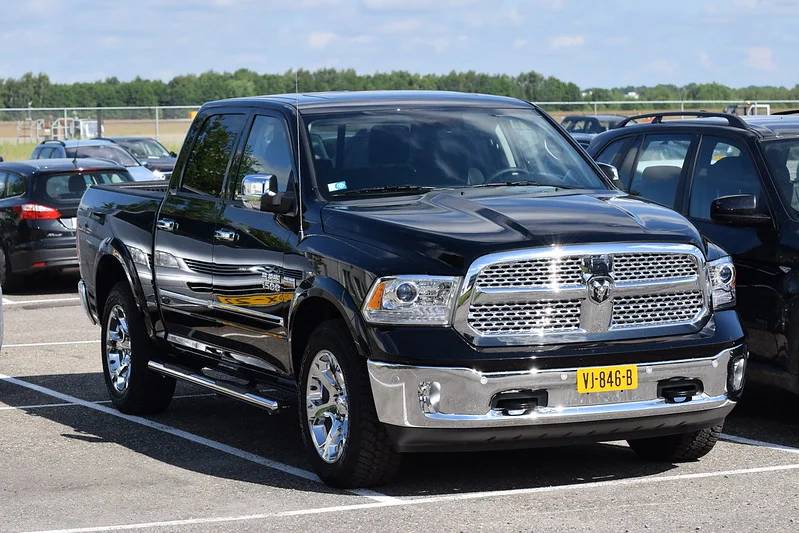
Are Dodge and Ram the Same Company?
No, Dodge and Ram are separate automotive brands today. Ram has operated as an independent brand since 2009, while Dodge continues to produce performance-focused cars and SUVs. Although they are no longer the same brand, both belong to Stellantis, one of the world’s largest automotive manufacturers.
The confusion exists because Ram trucks were originally sold under the Dodge brand for decades. Before the separation, popular models such as the Dodge Ram 1500, Dodge Ram 2500, and Dodge Ram 3500 carried Dodge badging and were marketed alongside Dodge passenger vehicles. As a result, millions of these trucks remain on the road today, causing many buyers to assume that modern Ram trucks are still Dodge vehicles.
Today, the distinction is straightforward. Dodge focuses on vehicles designed for driving performance and sporty styling, while Ram develops pickup trucks, heavy-duty trucks, chassis cab models, and commercial vans. Although both brands share the same corporate ownership and may be sold through the same dealership network, they have separate branding, product planning, and marketing strategies.
For consumers, the difference mainly affects vehicle identification rather than ownership or service. A 2025 Ram 1500 is officially manufactured under the Ram brand, whereas a 2008 Dodge Ram 1500 belongs to the Dodge brand. Despite the different badges, many mechanical components, dealership services, and maintenance procedures remain familiar across generations.
Why Did Ram Split from Dodge?
Chrysler separated Ram from Dodge to create a dedicated truck brand. The decision allowed each brand to build a stronger identity and compete more effectively in its respective market segment.
When did Ram become a separate brand?
Ram officially became a standalone brand in 2009 as part of Chrysler’s restructuring efforts. Beginning with the 2010 model year, newly introduced pickup trucks were marketed under the Ram name instead of Dodge Ram. Existing Dodge passenger vehicles continued under the Dodge brand, marking the beginning of two independent product portfolios.
Although the branding changed, the trucks themselves did not undergo an immediate redesign simply because of the name change. Early Ram-branded models shared much of the engineering and design language of their Dodge Ram predecessors, making the transition relatively seamless for existing owners.
Why did Chrysler create the Ram brand?
The primary goal was to strengthen brand positioning. Pickup truck buyers often have different priorities than buyers of muscle cars or family vehicles. Truck customers typically value towing capacity, payload, durability, work capability, and commercial applications, while Dodge increasingly positioned itself around performance, horsepower, and enthusiast-oriented vehicles.
Creating a standalone Ram brand enabled Chrysler to dedicate product development, advertising, and customer messaging specifically to truck buyers. This strategy also allowed Dodge to concentrate on building a clearer performance image through models such as the Charger, Challenger, and later the Hornet and Durango.
The separation mirrors strategies used elsewhere in the automotive industry, where manufacturers establish dedicated divisions for trucks, luxury vehicles, or commercial products to better address distinct customer segments.
What changed after the split?
Several aspects of the business evolved after Ram became its own brand.
- Brand identity became more specialized. Ram focused exclusively on pickup trucks, commercial vans, and heavy-duty work vehicles, while Dodge emphasized performance-oriented passenger vehicles.
- Marketing campaigns targeted different audiences. Ram advertisements highlighted capability, towing performance, durability, and work applications, whereas Dodge promoted speed, muscle car heritage, and driving excitement.
- Product development became independent. Ram introduced innovations tailored to truck owners, including improved towing technologies, premium interior designs, advanced suspension systems, and off-road variants such as the Ram Rebel and Ram TRX.
- Dealership branding gradually changed. Many dealerships continued selling both brands, but manufacturer materials, vehicle badges, brochures, and official websites clearly distinguished Ram from Dodge.
For today’s buyers, the most important takeaway is that a truck labeled “Dodge Ram” is generally an older model built before the branding change, while a vehicle labeled simply “Ram” is part of the standalone Ram brand introduced from the 2010 model year onward.
What Is the Difference Between Dodge and Ram Today?
The biggest difference between Dodge and Ram is their product focus. Dodge builds performance-oriented passenger vehicles and SUVs, while Ram designs and manufactures pickup trucks, heavy-duty trucks, commercial vans, and work-focused vehicles. Although both brands operate under Stellantis, they serve different customer groups and pursue separate product strategies.
Dodge focuses on performance vehicles
Dodge has positioned itself as a performance brand. Its lineup emphasizes horsepower, acceleration, bold styling, and driver engagement rather than utility or towing capability. Models such as the Dodge Charger and Dodge Challenger established the brand’s reputation in the American muscle car segment, while the Durango offers three-row SUV practicality with available high-performance trims. More recently, Dodge has expanded its portfolio with the Hornet, targeting compact SUV buyers while maintaining its performance-oriented image.
This strategy allows Dodge to compete with manufacturers that prioritize driving excitement instead of commercial capability. Marketing campaigns frequently highlight speed, powerful engines, racing heritage, and aggressive design, reinforcing Dodge’s identity as a performance-focused automaker.
Ram focuses on pickup trucks and commercial vehicles
Ram concentrates exclusively on trucks and commercial transportation. Its lineup includes light-duty pickups, heavy-duty trucks, chassis cab models, cargo vans, and specialty work vehicles designed for towing, hauling, construction, agriculture, and everyday utility.
The Ram 1500 serves customers looking for a comfortable daily driver with impressive towing capability, while the Ram 2500 and Ram 3500 target buyers who regularly tow heavy trailers or transport substantial payloads. Ram also produces commercial vehicles such as the ProMaster van, giving the brand a strong presence in business and fleet markets.
Rather than emphasizing high-speed performance, Ram invests heavily in ride comfort, towing technology, payload capacity, off-road capability, advanced safety systems, and premium interior features. This specialized approach has helped Ram become one of North America’s leading truck brands.
Current model lineup comparison
The distinction between the two brands becomes even clearer when comparing their current vehicle portfolios.
Dodge models include:
- Dodge Charger
- Dodge Durango
- Dodge Hornet
These vehicles are designed primarily for personal transportation and performance-oriented driving.
Ram models include:
- Ram 1500
- Ram 2500
- Ram 3500
- Ram Chassis Cab
- Ram ProMaster
These vehicles are built for work, towing, hauling, commercial applications, and off-road capability.
For most consumers, the easiest way to remember the difference is simple: if you’re shopping for a pickup truck, you’re looking at Ram. If you’re interested in a muscle car or performance SUV, you’re looking at Dodge.
Why Do Older Trucks Say Dodge Ram?
Many older pickup trucks carry the Dodge Ram badge because Ram was originally a truck model within the Dodge brand. Before becoming an independent brand, every Ram pickup was officially marketed as a Dodge vehicle, which explains why so many used trucks still display Dodge emblems today.
Dodge Ram before 2010
For nearly three decades, Dodge sold its full-size pickup trucks under the Dodge Ram name. Popular models such as the Dodge Ram 1500, Dodge Ram 2500, and Dodge Ram 3500 became well-known for their powerful engines, durable construction, and strong towing capability.
During this period, Dodge marketed trucks alongside passenger cars, minivans, and SUVs under a single brand. Whether a customer purchased a sports coupe or a heavy-duty pickup, both vehicles carried the Dodge nameplate.
As a result, millions of Dodge Ram trucks remain in circulation, especially in the used vehicle market. Buyers researching older trucks frequently encounter listings that refer to the same generation as either “Dodge Ram” or simply “Ram,” depending on how the seller categorizes the vehicle.
Ram branding after 2010
Beginning with the 2010 model year, Chrysler introduced Ram as a standalone brand. New trucks no longer carried Dodge badges and instead featured the Ram name and logo across vehicle badging, advertising, owner’s manuals, dealership materials, and manufacturer documentation.
The branding transition happened gradually. While the exterior name changed quickly, many dealerships, repair shops, insurance companies, and consumers continued using the term “Dodge Ram” out of habit. This informal usage remains common today, particularly when discussing older generations.
Why the name still causes confusion
The continued use of “Dodge Ram” is primarily a result of history rather than branding. Older trucks retain their original badges, online marketplaces often use both names interchangeably, and many owners still identify their vehicles by the name printed on the tailgate.
For practical purposes, the distinction is straightforward. Trucks produced before Ram became an independent brand are correctly identified as Dodge Ram models. Trucks introduced after the separation are officially Ram vehicles. Understanding this timeline helps buyers interpret vehicle listings, identify the correct model year, and purchase compatible replacement parts with greater confidence.
Who Owns Dodge and Ram Today?
Dodge and Ram are both owned by Stellantis, but they operate as separate brands within the company’s global portfolio. While the two brands share the same parent company, they have independent product strategies, marketing teams, and vehicle lineups designed to serve different segments of the automotive market.
Chrysler originally owned both Dodge and Ram
For most of their history, Dodge and Ram were part of Chrysler Corporation. Dodge produced a broad range of vehicles, including passenger cars, SUVs, minivans, and pickup trucks. During this period, Ram existed as a truck model rather than an independent brand, which is why older pickups carried the Dodge Ram badge.
Following Chrysler’s restructuring in 2009, the company created Ram Trucks as a standalone division dedicated to pickup trucks and commercial vehicles. The move allowed each brand to specialize without competing for the same customer base.
FCA continued operating both brands
In 2014, Chrysler became part of Fiat Chrysler Automobiles (FCA) after Fiat completed its acquisition of the American automaker. Under FCA, Dodge continued developing performance vehicles, while Ram expanded its truck lineup with models such as the Ram 1500, Ram Heavy Duty series, and ProMaster commercial vans.
During this period, Ram strengthened its reputation for ride quality, luxury interiors, towing capability, and innovative truck technology. Dodge, meanwhile, reinforced its identity through high-performance models that appealed to muscle car enthusiasts.
Stellantis became the parent company
In 2021, FCA merged with France’s Groupe PSA to form Stellantis. Today, Stellantis owns more than a dozen automotive brands, including Dodge, Ram, Jeep, Chrysler, Alfa Romeo, Fiat, Peugeot, Citroën, Opel, Maserati, and DS Automobiles.
Although Dodge and Ram belong to the same corporate family, each brand maintains its own engineering priorities, marketing campaigns, dealership materials, and future product roadmap. Consumers should think of them in the same way they would view Chevrolet and GMC or Toyota and Lexus—related brands under one parent company, but each serving a distinct purpose.
Does the Brand Separation Affect Parts, Service, or Warranty?
For most owners, the separation between Dodge and Ram has little impact on maintenance or ownership. Dealerships, service centers, replacement parts, and manufacturer support continue to operate smoothly because both brands remain within the Stellantis network.
Replacement parts
Many mechanical components remain interchangeable between older Dodge Ram trucks and early Ram models because the branding changed before major engineering revisions occurred. Parts suppliers typically organize inventories by model year, engine, trim level, and VIN rather than by whether the truck carries a Dodge or Ram badge.
When purchasing replacement parts, owners should always verify compatibility using the vehicle’s VIN instead of relying solely on the brand name. This approach ensures the correct components are selected, particularly for trucks produced during the transition period.
Service and maintenance
Most authorized Chrysler, Dodge, Jeep, and Ram dealerships can service both Dodge and Ram vehicles. Factory-trained technicians have access to manufacturer repair procedures, diagnostic software, technical service bulletins, and genuine OEM parts across the Stellantis family.
Independent repair shops also routinely maintain both brands because their powertrains, transmissions, suspension systems, and electronic components are widely supported throughout the automotive aftermarket.
Vehicle identification
The easiest way to identify whether a truck belongs to the Dodge or Ram brand is by checking its model year and VIN. Trucks built before Ram became a standalone brand are generally identified as Dodge Ram models, while later vehicles are officially listed under the Ram brand.
This distinction becomes important when registering a vehicle, purchasing insurance, ordering replacement parts, or searching manufacturer databases. Using the VIN eliminates uncertainty and ensures accurate vehicle identification.
Warranty considerations
Warranty coverage depends on the vehicle’s model year, factory warranty status, and any extended protection plans rather than the historical relationship between Dodge and Ram. A modern Ram truck follows Ram’s warranty policies, while an older Dodge Ram is covered according to the manufacturer’s terms that applied when the vehicle was originally sold.
For used vehicles, buyers should review the remaining factory warranty, certified pre-owned coverage, and service history instead of focusing on whether the truck carries a Dodge or Ram badge.
Should You Buy a Dodge Ram or a Ram Truck?
The best choice depends primarily on the truck’s model year, condition, maintenance history, and intended use—not on whether it is labeled Dodge Ram or Ram. Both older Dodge Ram trucks and newer Ram models have established strong reputations, but they appeal to different types of buyers.
Buying an older Dodge Ram
Older Dodge Ram trucks often provide excellent value in the used vehicle market. Because these trucks have been on the road for many years, replacement parts are widely available, repair procedures are well documented, and experienced mechanics are familiar with their common maintenance requirements.
Buyers considering an older Dodge Ram should carefully inspect maintenance records, accident history, rust, transmission condition, suspension wear, and engine performance. A well-maintained truck with higher mileage is often a better purchase than a neglected vehicle with fewer miles.
Buying a newer Ram truck
Modern Ram trucks deliver significant improvements in comfort, safety, technology, fuel efficiency, and towing capability. Features such as advanced driver-assistance systems, premium interior materials, large infotainment displays, adaptive air suspension on selected models, and improved cabin refinement make newer Ram pickups competitive with the best full-size trucks on the market.
A newer Ram is generally the better option for buyers who plan to tow frequently, drive long distances, or keep the truck for many years. Although the purchase price is typically higher, the updated engineering and modern technology may justify the additional investment.
Which buyers each model suits
A used Dodge Ram is often the right choice for buyers seeking an affordable work truck, weekend project vehicle, or dependable pickup for occasional towing and hauling. These trucks continue to perform well when properly maintained and can represent excellent value in the used market.
A modern Ram truck is better suited for drivers who prioritize daily comfort, advanced technology, higher towing ratings, and the latest safety features. Whether the badge says Dodge Ram or Ram, evaluating the truck’s overall condition, service history, inspection results, and ownership costs will have a far greater impact on long-term satisfaction than the branding alone.
What Are the Most Popular Ram Trucks Today?
Ram offers several pickup truck models designed for different workloads, towing requirements, and driving preferences. While each model targets a specific market, the Ram 1500, Ram 2500, and Ram 3500 represent the brand’s core lineup and account for most Ram truck sales.
Ram 1500
The Ram 1500 is the brand’s flagship light-duty pickup truck. It balances everyday comfort with practical capability, making it suitable for commuting, family transportation, recreational towing, and light commercial work.
Compared with heavy-duty models, the Ram 1500 offers a smoother ride, better fuel efficiency, and a more refined interior. Higher trim levels include premium materials, large touchscreen infotainment systems, advanced driver-assistance technologies, and luxury features that rival many premium SUVs.
For most buyers, the Ram 1500 provides enough towing and payload capacity without sacrificing daily drivability, making it the most versatile truck in the Ram lineup.
Ram 2500
The Ram 2500 is designed for drivers who regularly tow large trailers or haul heavier loads. Its reinforced chassis, stronger suspension, and heavy-duty powertrain options deliver substantially greater capability than the Ram 1500.
This model is commonly used by contractors, farmers, RV owners, and businesses that require dependable towing performance without stepping up to the largest heavy-duty truck available.
Although the Ram 2500 offers greater capability, it also has a firmer ride and larger dimensions, making it less maneuverable in urban environments than the Ram 1500.
Ram 3500
The Ram 3500 is the most capable pickup in the standard Ram truck lineup. It is engineered for maximum towing and payload capacity, making it a popular choice for commercial operators, construction companies, and owners who frequently transport extremely heavy equipment.
Many configurations are available, including dual rear-wheel models that improve stability while towing large fifth-wheel trailers or heavy commercial loads. Buyers who need the highest level of capability typically choose the Ram 3500 because it prioritizes strength and durability over everyday comfort.
Which Vehicles Does Dodge Still Produce?
Although Dodge no longer manufactures pickup trucks, it continues producing vehicles that emphasize performance, bold styling, and driver engagement.
Dodge Charger
The Dodge Charger has long been one of America’s most recognizable performance sedans. Throughout its production history, it became known for powerful engine options, spacious interiors, and distinctive muscle car styling. Even as Dodge transitions toward electrification, the Charger remains one of the brand’s defining nameplates.
Dodge Durango
The Dodge Durango is a midsize SUV that combines family practicality with available high-performance powertrains. Unlike many three-row SUVs that focus primarily on efficiency, the Durango offers strong towing capability and performance-oriented trims that reflect Dodge’s performance heritage.
Dodge Hornet
The Dodge Hornet is the brand’s compact crossover SUV. It introduces Dodge’s performance philosophy to buyers seeking a smaller, more efficient vehicle while incorporating modern technology, contemporary styling, and available electrified powertrains.
These models demonstrate Dodge’s strategic direction following the separation from Ram. Instead of competing in the pickup truck segment, Dodge now concentrates on performance vehicles and SUVs that appeal to enthusiasts and everyday drivers alike.
Frequently Asked Questions
Is Dodge Ram discontinued?
The Dodge Ram name has been discontinued, but the truck itself has not. Beginning with the 2010 model year, pickup trucks were sold under the standalone Ram brand instead of Dodge. Modern versions continue as the Ram 1500, Ram 2500, and Ram 3500.
Is Ram owned by Dodge?
No. Ram is not owned by Dodge. Ram and Dodge are separate brands that are both owned by Stellantis. Neither brand owns the other, although they share the same corporate parent.
Are Dodge and Ram dealerships the same?
Many dealerships operate as Chrysler, Dodge, Jeep, and Ram dealerships, allowing customers to purchase and service vehicles from all four brands in one location. However, Ram maintains its own branding, marketing materials, and product lineup within those dealerships.
Can Dodge mechanics service Ram trucks?
Yes. Most technicians at authorized Chrysler, Dodge, Jeep, and Ram dealerships are trained to service both Dodge and Ram vehicles. Independent repair shops also routinely perform maintenance and repairs on trucks from both brands.
Are Dodge Ram and Ram 1500 the same truck?
They refer to different generations of the same truck lineage. A Dodge Ram 1500 was produced before Ram became an independent brand, while a Ram 1500 is produced after the branding change. Although the name changed, the vehicle’s development continued through the same pickup truck family.
Final Thoughts
Dodge and Ram share a common history, but they are no longer the same brand. Since 2009, Ram has operated as a dedicated truck manufacturer, while Dodge has focused on performance cars and SUVs. Both brands continue to benefit from shared ownership under Stellantis, yet each serves a distinct market with its own product strategy and brand identity.
For buyers shopping the used truck market, understanding the timeline behind the Dodge Ram and Ram nameplates eliminates much of the confusion. A Dodge Ram simply represents an earlier generation produced before the brand split, whereas a Ram truck reflects the standalone brand introduced for the 2010 model year and beyond.
Ultimately, whether you choose an older Dodge Ram or a newer Ram pickup should depend on the vehicle’s condition, maintenance history, capabilities, and intended use rather than the badge on the grille. Knowing the relationship between the two brands makes it easier to compare listings, order the correct parts, schedule maintenance, and make a confident purchasing decision.