Buying a midsize SUV is not just about style or performance. For most drivers, reliability is the deciding factor that determines whether a vehicle becomes a smart investment or a costly mistake. This is exactly why so many potential buyers are asking one critical question: Are Chevy Blazers reliable?
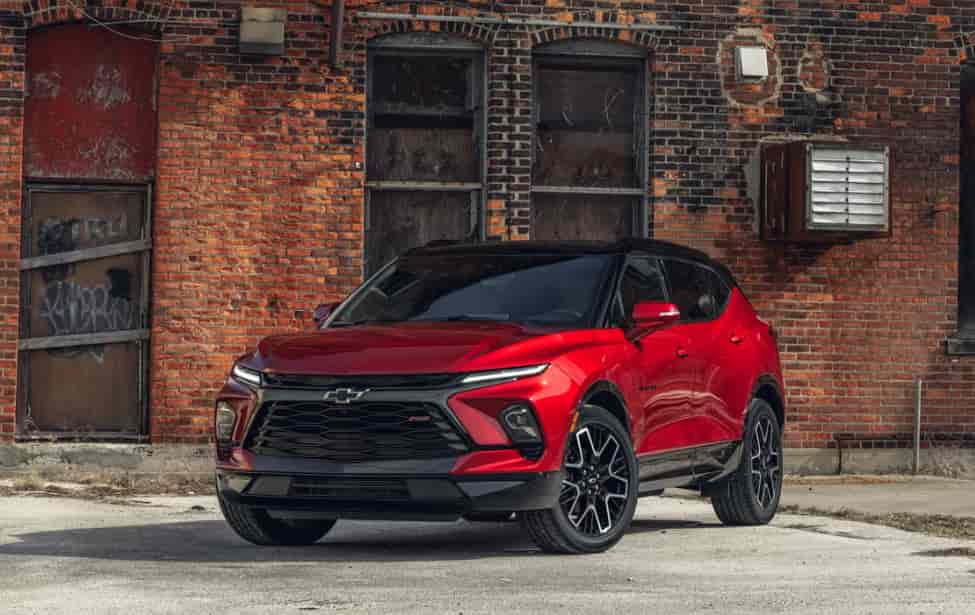
The Chevrolet Blazer stands out with its bold design, sporty handling, and modern technology. At first glance, it looks like the perfect balance between performance and practicality. However, behind that aggressive styling, many drivers are concerned about long term durability, unexpected repair costs, and how well the vehicle holds up over time. No one wants to deal with frequent breakdowns or expensive maintenance just a few years after purchase.
In this guide, we will uncover the truth about Chevy Blazer reliability by analyzing real world performance, common problems, lifespan expectations, and ownership costs. Whether you are considering buying a new model or a used one, this article will help you understand what to expect and whether the Blazer truly delivers long term value.
Contents
What Does “Reliability” Mean for an SUV?
Before answering the question are Chevy Blazers reliable, it is important to understand what reliability actually means in the context of a midsize SUV. Many buyers assume reliability simply means a car does not break down, but in reality, it is a combination of several critical factors that directly affect ownership experience.
First, reliability refers to how often a vehicle experiences mechanical or technical issues over time. A reliable SUV should run consistently without frequent visits to the repair shop. This includes the durability of the engine, the smooth operation of the transmission, and the stability of electronic systems such as infotainment and safety sensors.
Second, repair cost plays a major role. Even if a vehicle has occasional issues, it can still be considered reliable if those problems are inexpensive and easy to fix. On the other hand, a car with rare but extremely costly failures can quickly become a financial burden for owners.
Another key factor is long term durability. A reliable SUV should be able to maintain performance and comfort well beyond 100,000 miles with proper maintenance. This is especially important for buyers who plan to keep their vehicle for many years or purchase a used model.
Finally, owner satisfaction and reliability ratings from automotive experts also help define how dependable a vehicle truly is. These insights often reveal patterns that may not be obvious at first glance.
Understanding these factors will make it much easier to evaluate whether the Chevy Blazer truly meets expectations in real world conditions.
Are Chevy Blazers Reliable Overall?
When evaluating the overall reliability of the Chevrolet Blazer, the answer is not entirely straightforward. The Blazer is generally considered moderately reliable, but it does not rank among the top performers in the midsize SUV segment.
In real world usage, many owners report that the Chevy Blazer delivers a smooth driving experience, responsive handling, and solid performance from its engine options. These strengths make it an appealing choice for drivers who prioritize style and driving dynamics. However, reliability is about more than just how a vehicle feels on the road.
Compared to competitors like the Ford Edge or Honda Passport, the Blazer tends to fall slightly behind in long term dependability. While it does not suffer from widespread catastrophic failures, it has a pattern of minor to moderate issues that can affect ownership satisfaction over time. These include electronic glitches, occasional transmission hesitation, and faster than expected wear on certain components.
Reliability ratings from automotive sources often place the Chevy Blazer in the average range. This means it is not unreliable, but it also does not offer the same level of peace of mind as some of its more dependable rivals. For buyers, this creates a trade off between design and long term durability.
Ultimately, if you are asking are Chevy Blazers reliable, the honest answer is that they are decent but not exceptional. They can be a good choice if properly maintained, but they may not be ideal for those seeking a worry free ownership experience.
Common Chevy Blazer Problems
While the Chevy Blazer is not known for severe or widespread failures, it does have several recurring issues that potential buyers should carefully consider. Understanding these problems is essential if you are seriously asking are Chevy Blazers reliable in real world conditions.
One of the most commonly reported concerns involves the transmission. Some drivers experience hesitation during acceleration or rough shifting, especially at lower speeds. While this issue is not always severe, it can affect driving comfort and may require software updates or repairs over time.
Another area that raises concern is the vehicle’s electronic system. Modern Blazers come equipped with advanced infotainment and driver assistance features, but these systems are not always perfectly stable. Owners have reported glitches such as screen freezing, delayed response, or sensor malfunctions. These issues can be frustrating, especially in a vehicle that is marketed as tech forward.
Engine related problems are less common but still worth noting. In most cases, they are minor and manageable with proper maintenance. However, neglecting regular servicing can lead to reduced performance or increased wear, which ultimately impacts long term reliability.
Brake components are another pain point. Some owners report faster than expected brake wear, leading to more frequent replacements. This adds to the overall maintenance cost and can catch new owners off guard.
The biggest concern is not that these problems are catastrophic, but that they can appear unpredictably and accumulate over time. For many drivers, this creates a sense of uncertainty, especially when compared to more reliable competitors.
Understanding these common issues helps set realistic expectations and allows buyers to make a more informed decision before committing to the Chevy Blazer.
Chevy Blazer Lifespan: How Long Do They Last?
One of the most important factors when evaluating are Chevy Blazers reliable is how long they can actually last. Lifespan plays a major role in determining whether a vehicle is a smart long term investment or a potential financial burden.
On average, a well maintained Chevy Blazer can last between 150,000 to 200,000 miles. With careful driving habits and regular servicing, some owners even report reaching higher mileage without major mechanical failures. This puts the Blazer in a respectable position within the midsize SUV segment, although it does not lead the category.
However, reaching this lifespan depends heavily on maintenance. Routine oil changes, timely transmission servicing, and proper brake care are essential. Skipping these basic steps can significantly shorten the vehicle’s life and increase the likelihood of costly repairs. This is especially important for buyers considering a used Blazer, where previous ownership history plays a critical role.
Driving conditions also have a strong impact. Vehicles used in heavy traffic, extreme weather, or rough terrain tend to experience more wear over time. In contrast, highway driving with consistent speeds is generally less stressful on the engine and transmission.
Compared to some competitors known for exceptional durability, the Chevy Blazer offers an average lifespan. It is capable of lasting many years, but it requires more attention and care to achieve its full potential.
For buyers asking are Chevy Blazers reliable in the long run, the answer depends largely on how well the vehicle is maintained throughout its life.
Maintenance and Repair Costs
Beyond performance and lifespan, maintenance cost is one of the biggest concerns for buyers trying to answer the question are Chevy Blazers reliable. Even a vehicle with decent durability can become a poor choice if ownership costs are too high over time.
On average, the annual maintenance and repair cost of a Chevy Blazer falls into the moderate range compared to other midsize SUVs. Routine services such as oil changes, brake replacements, and tire rotations are fairly standard and do not differ significantly from competitors. However, the real concern comes from less predictable repair expenses.
Transmission related fixes can be one of the more expensive issues if they occur outside of warranty. Even minor problems such as hesitation or rough shifting may require diagnostic work or software updates, which can add up over time. Electronic system repairs are another area where costs can increase unexpectedly, especially when dealing with infotainment or sensor related malfunctions.
Brake wear, which tends to happen faster than some owners expect, also contributes to ongoing expenses. While not extremely costly per visit, frequent replacements can gradually raise the total cost of ownership.
Compared to highly reliable rivals, the Chevy Blazer may require slightly more attention and budget planning. This does not make it an expensive vehicle to maintain overall, but it does mean owners should be prepared for occasional unexpected costs.
For many buyers, the concern is not just how much they will spend, but how predictable those expenses are. This uncertainty is often what influences the perception of reliability more than the actual numbers.
Best and Worst Chevy Blazer Model Years
If you are seriously evaluating are Chevy Blazers reliable, looking at specific model years is one of the most important steps. Not all Blazers are created equal, and reliability can vary significantly depending on the production year.
The newer generation of the Chevy Blazer, reintroduced in 2019, brought a completely redesigned platform with modern styling and updated technology. However, like many first year redesigns, the 2019 model experienced more issues than later versions. Early adopters reported problems related to electronics, infotainment glitches, and minor transmission concerns. While not severe, these issues affected overall satisfaction.
Model years from 2020 to 2023 are generally considered more reliable. Chevrolet addressed many of the early issues through software updates and incremental improvements. These newer models tend to offer a more refined driving experience with fewer reported problems, making them a safer choice for most buyers.
For used car shoppers, choosing the right model year can make a significant difference in ownership experience. A slightly newer model may come with a higher upfront cost, but it often reduces the risk of unexpected repairs and long term frustration.
Another important factor is maintenance history. Even a reliable model year can become problematic if it has not been properly maintained. Buyers should always check service records, mileage, and previous ownership conditions before making a decision.
Understanding the difference between the best and worst years helps answer the question are Chevy Blazers reliable with much greater accuracy. It shifts the focus from the model as a whole to the specific version you are actually considering.
Pros and Cons of Chevy Blazer
To fully answer the question are Chevy Blazers reliable, it is important to look at both the strengths and weaknesses of the vehicle. Reliability is not just about problems, but also about the overall ownership experience.
One of the biggest advantages of the Chevy Blazer is its sporty design. Unlike many midsize SUVs that focus purely on practicality, the Blazer offers a bold and aggressive look that appeals to drivers who want something more stylish. This design is paired with responsive handling, making it more engaging to drive than many competitors in its class.
Another strong point is its modern technology. The infotainment system is user friendly, and the vehicle includes a wide range of driver assistance features. These elements enhance convenience and safety, which are important factors for daily driving.
However, there are also some drawbacks that affect its reliability perception. The Blazer does not rank among the most dependable SUVs in its segment. While it is not unreliable, it does have more minor issues compared to top competitors, especially in terms of electronic systems.
Repair and maintenance costs can also be a concern over time. While not excessively high, they can become unpredictable, particularly if issues arise outside of warranty. This uncertainty is often what makes buyers hesitate.
Another downside is long term durability compared to rivals known for exceptional reliability. Some competitors offer a more consistent ownership experience with fewer unexpected problems.
In the end, the Chevy Blazer offers a strong balance between style, performance, and technology, but it comes with trade offs in long term dependability. Understanding these pros and cons helps buyers decide whether it aligns with their priorities.
Conclusion
So, are Chevy Blazers reliable? The answer depends on what you expect from your vehicle. Overall, the Chevy Blazer offers average reliability within the midsize SUV segment. It delivers strong performance, eye catching design, and modern features, but it does not stand out as one of the most dependable options available.
In terms of lifespan, the Blazer can last well beyond 150,000 miles with proper maintenance, making it a reasonable long term choice for many drivers. However, the presence of recurring minor issues, especially related to electronics and transmission behavior, means that ownership may not always be completely worry free.
Maintenance and repair costs are generally manageable, but they can become unpredictable over time. This is often the biggest concern for buyers who prioritize peace of mind and consistent reliability above all else.
If you value style, driving experience, and technology, the Chevy Blazer can still be a solid option. On the other hand, if your top priority is maximum reliability with minimal risk, you may want to consider other SUVs known for their long term durability.
Ultimately, the decision comes down to your priorities and expectations. Now that you understand the full picture, would you choose the Chevy Blazer, or go for a more reliable alternative?