Are 3 cylinder engines reliable, or are they just a cost cutting trend in modern cars? As automakers push for better fuel efficiency, they now use smaller engines more than ever. Many drivers now choose cars with 3 cylinder engines, but they still have serious doubts.
Most people worry about the same issues. Will the engine feel weak in daily driving? Will it wear out faster than a traditional 4 cylinder engine? Can it handle long term use without expensive repairs? These concerns affect not only performance but also long term ownership costs.
Modern 3 cylinder engines are not as simple as they seem. Engineers now use turbocharging, improved balancing systems, and lightweight materials to boost performance and durability. These upgrades help small engines deliver more power while keeping fuel consumption low.
However, reliability is not the same for every engine. It depends on build quality, driving habits, and maintenance. Some engines perform surprisingly well, while others struggle under stress.
In this guide, you will discover the truth about performance, longevity, and real world use. This will help you decide if a 3 cylinder engine fits your needs.
Contents
What Is a 3 Cylinder Engine
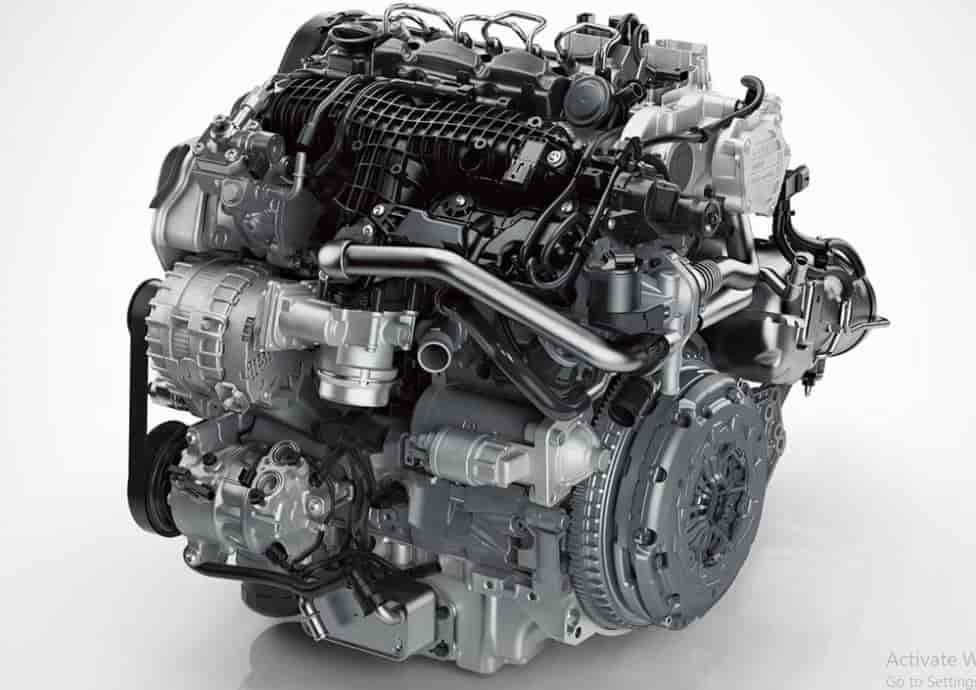
A 3 cylinder engine is a type of internal combustion engine that uses three cylinders to generate power. Each cylinder fires in sequence to create the force needed to move the vehicle. Compared to larger engines, this design uses fewer components, which helps reduce weight and improve efficiency.
Most modern 3 cylinder engines use advanced technology to overcome their natural limitations. Manufacturers often add turbochargers to increase power output. This allows a small engine to perform like a larger one while still saving fuel. Engineers also install balancing shafts and improved engine mounts to reduce vibration, which was a major issue in older designs.
When compared to a 4 cylinder engine, the main difference lies in size, weight, and fuel consumption. A 3 cylinder engine is lighter and more compact, which helps improve fuel economy and reduce emissions. However, it may produce more vibration due to its uneven firing pattern. This is why modern engineering plays a critical role in making these engines more refined.
You can find 3 cylinder engines in many popular cars today. Examples include the Ford EcoBoost 1.0 engine, which is widely used in small cars, and Toyota’s 1.5 liter 3 cylinder engine found in hybrid and compact models. These engines show how manufacturers balance efficiency and performance.
Understanding how a 3 cylinder engine works will help you better evaluate its reliability in real world conditions.
Are 3 Cylinder Engines Reliable?
Are 3 cylinder engines reliable? The short answer is yes, but reliability depends on several key factors. Modern 3 cylinder engines can be very reliable when manufacturers design them properly and owners maintain them well.
First, build quality plays a major role. Engines from brands like Ford and Toyota often show strong durability because they use advanced materials and precise engineering. A well built 3 cylinder engine can last just as long as a traditional 4 cylinder engine under normal driving conditions.
Second, turbocharging affects reliability. Many 3 cylinder engines rely on turbochargers to boost power. This improves performance, but it also increases heat and pressure inside the engine. If drivers ignore maintenance, this extra stress can reduce engine lifespan. Regular oil changes and proper cooling become more important in turbocharged setups.
Third, driving habits directly impact longevity. Smooth acceleration, proper warm up, and avoiding constant high speed driving help reduce wear. On the other hand, aggressive driving and heavy loads can push a small engine beyond its comfort zone.
It is also important to understand that modern engineering has solved many traditional problems. Older 3 cylinder engines often suffered from excessive vibration and rough operation. Today, manufacturers use balancing shafts and improved mounts to create a smoother driving experience.
In real world use, many drivers report that 3 cylinder engines can easily reach 150000 to 200000 kilometers with proper care. This puts them in a similar range to many 4 cylinder engines.
So, are 3 cylinder engines reliable? Yes, but only when you choose a well engineered model and follow a consistent maintenance routine.
Pros of 3 Cylinder Engines
One of the biggest advantages of a 3 cylinder engine is fuel efficiency. Because the engine is smaller and lighter, it consumes less fuel during daily driving. This makes it an excellent choice for city commuters who want to reduce fuel costs over time. In many cases, drivers can see noticeable savings compared to larger engines.
Another important benefit is lower emissions. Automakers design 3 cylinder engines to meet strict environmental regulations. By reducing engine size and improving combustion efficiency, these engines produce fewer emissions. This not only helps the environment but also aligns with future automotive trends.
The lightweight design also improves overall vehicle dynamics. A lighter engine reduces the total weight of the car, which can enhance handling and responsiveness. This makes small cars feel more agile, especially in urban environments where quick movements and tight turns are common.
Despite their small size, modern 3 cylinder engines can deliver impressive performance. Turbocharging plays a key role here. A turbocharged 3 cylinder engine can produce strong torque at low RPM, which improves acceleration in city driving. Many drivers feel surprised by how responsive these engines can be in real world conditions.
Maintenance costs can also be lower in some cases. With fewer cylinders and components, the engine may require less material and simpler servicing. This can reduce routine maintenance expenses, especially for drivers who follow proper service schedules.
Overall, 3 cylinder engines offer a strong balance between efficiency, performance, and cost. They are especially suitable for drivers who prioritize fuel savings and urban usability over raw power.
Cons of 3 Cylinder Engines
Despite their advantages, 3 cylinder engines still have several drawbacks that drivers should consider before making a decision. These limitations often become clear during long term use.
One of the most common issues is engine vibration. Because a 3 cylinder engine has an uneven firing pattern, it cannot balance itself as naturally as a 4 cylinder engine. Although modern balancing systems reduce this problem, some vibration still reaches the cabin, especially at idle or low speeds. For drivers who value a smooth ride, this can become annoying over time.
Noise is another concern. A 3 cylinder engine often produces a distinct sound that feels rougher than larger engines. Even with improved insulation, some drivers still notice the difference. This can affect the overall driving experience, especially on longer trips.
Long term stress is also a factor, particularly in turbocharged engines. Many 3 cylinder engines rely on turbochargers to deliver enough power. While this improves performance, it also increases pressure and heat inside the engine. Over time, this can lead to faster wear if the engine is not maintained properly. Skipping oil changes or using low quality oil can make the problem worse.
Resale value may also be lower in some markets. Some buyers still prefer traditional 4 cylinder engines because they trust their durability more. This perception can affect how much you can sell the car for in the future.
These drawbacks do not mean that 3 cylinder engines are unreliable, but they highlight the importance of choosing the right model and maintaining it carefully.
3 Cylinder vs 4 Cylinder Engines
When comparing 3 cylinder vs 4 cylinder engines, reliability is one of the biggest concerns for most drivers. Both engine types can be reliable, but they behave differently under real world conditions.
In terms of reliability, a 4 cylinder engine has a natural advantage. Its balanced design allows smoother operation and reduces internal stress over time. This often leads to more consistent long term durability, especially in high mileage use. In contrast, a 3 cylinder engine relies heavily on modern engineering solutions to achieve similar results. When built well, it can match reliability, but it has less margin for neglect.
Performance is another key difference. A 4 cylinder engine usually delivers more stable and consistent power, especially at higher speeds. It suits highway driving and heavy loads better. On the other hand, a turbocharged 3 cylinder engine can produce strong low end torque. This makes it feel responsive in city driving, but it may struggle when pushed hard for long periods.
Maintenance cost also varies between the two. A 3 cylinder engine may cost less for basic servicing due to fewer components. However, if it includes a turbocharger, repair costs can increase significantly over time. A 4 cylinder engine, while slightly more expensive to maintain regularly, often has fewer high stress components in standard configurations.
Driving experience is where many drivers notice the biggest difference. A 4 cylinder engine feels smoother and quieter in most situations. A 3 cylinder engine may feel less refined, especially at idle or during acceleration, even with modern improvements.
So which one is better? If you prioritize fuel efficiency and city driving, a 3 cylinder engine is a strong choice. If you want smoother performance and long distance comfort, a 4 cylinder engine may suit you better.
How Long Do They Last?
In real world conditions, many drivers ask a simple question. How long can a 3 cylinder engine actually last? The answer depends on usage, maintenance, and overall build quality, but the results may surprise you.
Most modern 3 cylinder engines can last between 150000 and 200000 kilometers when owners follow proper maintenance schedules. This lifespan puts them in a similar range to many traditional 4 cylinder engines. In some cases, well maintained engines can even exceed this range without major issues.
Driving habits play a critical role in longevity. Smooth acceleration, consistent speeds, and proper engine warm up help reduce internal stress. Short trips with frequent cold starts can increase wear over time, especially for turbocharged engines. Drivers who push the engine hard on highways or carry heavy loads regularly may also see faster wear.
Maintenance is another key factor. Regular oil changes, high quality engine oil, and timely filter replacements help protect internal components. Turbocharged 3 cylinder engines require even more attention because the turbo system operates under high heat and pressure. Neglecting maintenance can lead to costly repairs.
Real world examples support these findings. Many drivers report strong reliability from engines like the Ford 1.0 EcoBoost and Toyota’s 1.5 liter 3 cylinder engine. These engines perform well in daily driving and show consistent durability when properly maintained.
So, are 3 cylinder engines reliable in the long run? Yes, they can be, but only when drivers treat them with proper care and realistic expectations.
Maintenance and Cost Analysis
Maintenance and ownership cost play a major role when evaluating engine reliability. Many drivers choose 3 cylinder engines because they expect lower expenses, but the reality depends on several factors.
Routine maintenance for a 3 cylinder engine is often affordable. The engine uses fewer components, which can reduce the cost of basic services such as oil changes, spark plug replacement, and filters. For drivers who follow regular service intervals, these engines can remain cost efficient over time.
However, turbocharged systems can increase long term costs. Most modern 3 cylinder engines rely on turbochargers to deliver better performance. While this improves power, it also adds complexity. Turbo components operate under high heat and pressure, which means they may require expensive repairs if they fail. Replacing a turbocharger can cost significantly more than standard engine parts.
Oil quality is another important factor. Using low quality oil or skipping oil changes can lead to faster wear, especially in small turbocharged engines. This can result in carbon buildup, reduced efficiency, and potential engine damage. Investing in high quality oil and timely maintenance helps avoid these risks.
When compared to 4 cylinder engines, the cost difference is not always as large as expected. A naturally aspirated 4 cylinder engine may offer more predictable long term expenses, while a turbocharged 3 cylinder engine may have higher repair risks if neglected.
In the end, a 3 cylinder engine can be cost effective, but only when owners maintain it properly and understand its limitations.
Should You Buy a 3 Cylinder Engine Car?
So, should you buy a car with a 3 cylinder engine? The answer depends on how you plan to use your vehicle and what you expect from it.
A 3 cylinder engine is a smart choice if you mainly drive in the city. It offers excellent fuel efficiency, quick low speed response, and lower emissions. For daily commuting, short trips, and urban traffic, this type of engine performs very well. It helps reduce fuel costs while still delivering enough power for normal driving needs.
It also suits drivers who want a modern and efficient vehicle without paying for a larger engine. Many automakers now design these engines with advanced technology, which makes them more capable than older small engines.
However, a 3 cylinder engine may not be the best option for everyone. If you often drive on highways at high speeds or carry heavy loads, you may notice its limitations. The engine can feel less stable under constant stress, especially during long distance driving. In these situations, a 4 cylinder engine may provide a smoother and more comfortable experience.
Long term ownership is another factor to consider. If you maintain the engine properly and drive within its limits, it can be a reliable and cost effective option. But if you expect high performance or neglect maintenance, the risks increase over time.
Choosing the right engine is not just about size. It is about matching the engine to your real driving needs.
Conclusion
Are 3 cylinder engines reliable? The answer is yes, but with conditions. Modern 3 cylinder engines have improved significantly in terms of performance, efficiency, and durability. With proper engineering and regular maintenance, they can deliver a lifespan comparable to traditional 4 cylinder engines.
However, they are not perfect. Issues such as vibration, noise, and long term stress still exist, especially in turbocharged versions. These factors do not make them unreliable, but they require drivers to have realistic expectations and good maintenance habits.
For city drivers and those who prioritize fuel savings, a 3 cylinder engine is a practical and efficient choice. For drivers who need more power, smoother performance, or long distance comfort, a 4 cylinder engine may still be the better option.
In the end, reliability depends on how you use and care for the engine. If you choose wisely and maintain it properly, a 3 cylinder engine can serve you well for many years.
What do you think about 3 cylinder engines? Would you trust one for your next car?