Modern cars use many sensors to improve safety, efficiency, and comfort. One of the smallest but most important components is the ambient air temperature sensor. This sensor measures the temperature outside the vehicle and sends the data to the car’s computer.
Many drivers see the outside temperature on their dashboard every day. However, few people know where this sensor is installed. When the temperature reading becomes inaccurate, drivers often start searching for the ambient air temperature sensor location.
Understanding the ambient air temperature sensor location can help you solve several problems. Incorrect temperature readings often affect the climate control system and air conditioning performance. In some vehicles, the system may adjust heating or cooling based on outside temperature data.
Car manufacturers place this sensor in areas that receive fresh airflow. At the same time, engineers keep the sensor away from engine heat. This design helps the sensor measure real outdoor temperature instead of heat from the engine.
In most vehicles, you can find the ambient air temperature sensor near the front of the car. Common areas include the front grille, the front bumper, or the radiator support. Some models even place the sensor under the side mirror.
This guide explains the ambient air temperature sensor location in most cars. You will also learn how the sensor works and how to find it quickly in your vehicle.
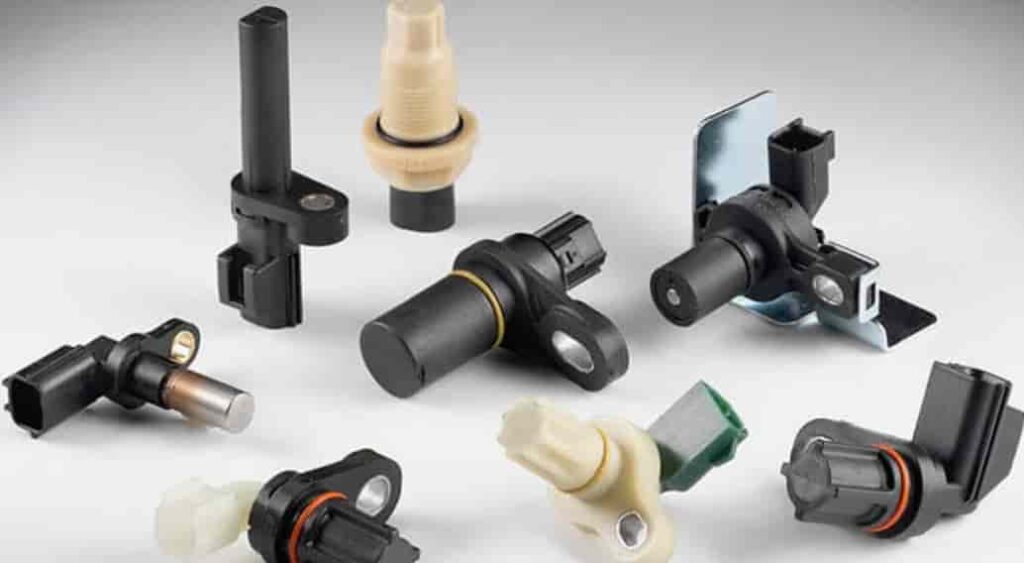
Contents
- What Is an Ambient Air Temperature Sensor?
- Ambient Air Temperature Sensor Location in Most Cars
- How to Find the Ambient Air Temperature Sensor in Your Car
- Signs of a Bad Ambient Air Temperature Sensor
- Ambient Air Temperature Sensor vs Intake Air Temperature Sensor
- How to Replace an Ambient Air Temperature Sensor
- Conclusion
What Is an Ambient Air Temperature Sensor?
An ambient air temperature sensor measures the temperature of the air outside a vehicle. The sensor sends this information to the vehicle’s computer system. The system then shows the outside temperature on the dashboard display.
Modern vehicles use this sensor to support several systems. The most common one is the automatic climate control system. When the outside temperature changes, the vehicle can adjust heating and air conditioning to maintain a comfortable cabin environment.
The ambient air temperature sensor usually works with a thermistor. A thermistor changes its electrical resistance when temperature changes. As the outside air becomes warmer or colder, the resistance changes as well. The vehicle’s computer reads this change and converts it into a temperature value.
Accurate temperature data helps the vehicle manage climate systems more efficiently. It also improves the accuracy of the outside temperature display that drivers see on the dashboard.
Because the sensor must measure real outdoor air, manufacturers install it in areas that receive fresh airflow. At the same time, engineers keep the sensor away from engine heat and hot components. This design helps the sensor provide reliable temperature readings in different driving conditions.
Ambient Air Temperature Sensor Location in Most Cars
The ambient air temperature sensor location in most cars is near the front of the vehicle. Engineers choose this area because it receives steady airflow while the car moves. Fresh airflow allows the sensor to measure the real outside temperature.
Manufacturers avoid placing the sensor near the engine. The engine produces a large amount of heat. This heat can affect the sensor and cause inaccurate readings. For this reason, engineers install the sensor in areas that stay cooler and receive outside air.
One of the most common locations is behind the front grille. Air flows through the grille whenever the car moves forward. This airflow helps the sensor detect outside temperature quickly and accurately.
Another common ambient air temperature sensor location is inside the front bumper. Many vehicles place the sensor behind the lower bumper opening. This position allows the sensor to receive fresh air while protecting it from direct sunlight and road debris.
Some manufacturers install the sensor near the radiator support. This area sits behind the grille and in front of the radiator. It still receives outside airflow but stays far enough from engine heat.
A few vehicles use a different design. In these models, the ambient air temperature sensor sits under the side mirror. The mirror area receives steady airflow while the vehicle moves. It also remains far from the engine compartment.
Although the exact ambient air temperature sensor location can vary between models, most cars follow the same principle. Engineers place the sensor in an area that receives outside airflow but stays protected from engine heat. This design allows the system to deliver accurate temperature readings in different driving conditions.
How to Find the Ambient Air Temperature Sensor in Your Car
Finding the ambient air temperature sensor in your car is usually simple once you know where to look. Most manufacturers place the sensor near the front of the vehicle where fresh air flows freely. You only need a quick visual inspection to locate it in many cases.
Start by checking the front grille area. Open the hood and look behind the grille. In many vehicles, the sensor appears as a small plastic component connected to a thin electrical wire. It often sits near the center or slightly to one side of the grille.
Next, inspect the lower section of the front bumper. Many cars install the ambient air temperature sensor behind the lower bumper opening. You may need to crouch down and look through the opening. The sensor usually hangs slightly away from metal parts so that it can detect outside air.
Another possible location is near the radiator support. This metal structure holds the radiator in place and sits just behind the grille. In some vehicles, the sensor clips onto this support frame. The location allows the sensor to receive airflow without direct exposure to engine heat.
Some vehicles place the ambient air temperature sensor under the side mirror. This design is less common but still effective. Look underneath the mirror housing to see if a small sensor is mounted there.
If you still cannot find the sensor, check the owner’s manual for your vehicle. The manual often shows the exact ambient air temperature sensor location for your specific model.
Locating the sensor can help you diagnose problems with incorrect outside temperature readings. It also allows you to inspect the wiring and ensure the sensor remains clean and undamaged.
Signs of a Bad Ambient Air Temperature Sensor
A faulty ambient air temperature sensor can cause several noticeable problems in a vehicle. Since the sensor provides outside temperature data to the vehicle’s computer, incorrect readings can affect multiple systems. Drivers often notice these issues on the dashboard or through climate control performance.
One common sign is an incorrect outside temperature reading. The dashboard may show a temperature that is much higher or lower than the actual outdoor temperature. For example, the display might show 95°F on a cool day or remain stuck at a constant value. This issue often indicates that the sensor is damaged or disconnected.
Another symptom involves the automatic climate control system. Many modern vehicles adjust heating and cooling based on outside temperature data. When the sensor sends incorrect information, the climate system may struggle to maintain a comfortable cabin temperature. The air conditioner may run longer than expected or fail to cool the cabin properly.
Drivers may also notice delayed temperature updates on the dashboard display. In normal conditions, the temperature reading changes gradually as outside conditions change. A failing sensor may update slowly or not update at all.
In some vehicles, the engine control system also uses outside temperature data. When the sensor fails, it may trigger warning messages or diagnostic trouble codes. A technician can confirm the issue by scanning the vehicle with a diagnostic tool.
Recognizing these symptoms early can help prevent larger climate control issues. If the ambient air temperature sensor stops working correctly, replacing it is usually a simple and inexpensive repair.
Ambient Air Temperature Sensor vs Intake Air Temperature Sensor
Many drivers confuse the ambient air temperature sensor with the intake air temperature sensor. Both sensors measure temperature, but they serve different purposes and operate in different locations within the vehicle.
The ambient air temperature sensor measures the temperature of the air outside the vehicle. The system uses this information to display the outside temperature on the dashboard. Many climate control systems also rely on this data to adjust heating and cooling performance inside the cabin.
In contrast, the intake air temperature sensor measures the temperature of the air entering the engine. This sensor helps the engine control unit adjust the air fuel mixture for better combustion and fuel efficiency. Accurate intake air temperature data helps the engine maintain proper performance under different weather conditions.
The location of these sensors also differs. The ambient air temperature sensor usually sits near the front grille, inside the front bumper, or near the radiator support. These areas allow the sensor to measure outside air before it reaches hot engine components.
The intake air temperature sensor sits much closer to the engine. Manufacturers typically install it in the air intake duct, the intake manifold, or near the air filter housing. This placement allows the sensor to monitor the temperature of air flowing directly into the engine.
Although both sensors measure temperature, they support different systems in the vehicle. The ambient air temperature sensor helps improve comfort and display accurate outdoor temperature. The intake air temperature sensor helps the engine run efficiently and maintain proper combustion.
Understanding this difference can help drivers identify the correct component when diagnosing temperature related issues in their vehicles.
How to Replace an Ambient Air Temperature Sensor
Replacing an ambient air temperature sensor is usually a simple task. In many vehicles, the sensor sits in an easy to access area near the front grille or bumper. Most drivers can complete the replacement with basic tools and a few minutes of work.
First, locate the ambient air temperature sensor in your vehicle. Common locations include behind the front grille, inside the front bumper, or near the radiator support. Once you find the sensor, inspect the wiring connector attached to it.
Next, disconnect the electrical connector. Press the small locking tab on the connector and gently pull it away from the sensor. Avoid pulling on the wires to prevent damage.
After disconnecting the wiring, remove the sensor from its mounting point. Some sensors clip into a small bracket, while others use a simple screw. If the sensor uses a clip, carefully pull it out of the bracket. If a screw holds it in place, remove the screw with the appropriate tool.
Now install the new sensor in the same position. Secure it with the clip or screw and make sure it sits firmly in place. After that, reconnect the electrical connector until you hear a click.
Start the vehicle and check the dashboard display. The outside temperature reading should begin to update within a few minutes. Some vehicles may take a short drive before the system shows the correct temperature.
Replacing a faulty ambient air temperature sensor is usually inexpensive and quick. In many cases, the part itself costs between twenty and fifty dollars depending on the vehicle model.
Conclusion
The ambient air temperature sensor plays a small but important role in modern vehicles. It measures the temperature of the air outside the car and sends this information to the vehicle’s computer system. The data helps display the outside temperature on the dashboard and supports automatic climate control functions.
In most vehicles, the ambient air temperature sensor location is near the front of the car. Manufacturers often place it behind the front grille, inside the front bumper, or near the radiator support. These locations allow the sensor to receive fresh airflow while staying away from engine heat.
Understanding the ambient air temperature sensor location can help you diagnose incorrect temperature readings and climate control problems. If the sensor fails, drivers may notice inaccurate temperature displays or poor climate control performance.
Fortunately, replacing the sensor is usually simple and affordable. With basic tools and a few minutes of work, most car owners can locate and replace the sensor themselves.
Knowing where the ambient air temperature sensor is located and how it works can help you maintain your vehicle more effectively. If you notice incorrect temperature readings on your dashboard, checking the sensor location is often the first step toward solving the problem.