The message “ACC FCW Unavailable Service Required” tells drivers that their vehicle has detected a problem with its safety assistance systems. This warning relates to Adaptive Cruise Control (ACC) and Forward Collision Warning (FCW), two technologies that help drivers maintain safer distances and avoid possible collisions.
Adaptive Cruise Control uses radar sensors and cameras to monitor vehicles ahead. The system adjusts speed automatically when traffic conditions change. Forward Collision Warning works with ACC to detect potential risks and alert drivers before a possible impact occurs.
When this warning appears, ACC and FCW may stop working temporarily. The vehicle can usually continue driving, but these safety features will not provide assistance until the system returns to normal operation.
Several issues can trigger the ACC FCW Unavailable Service Required warning. Common causes include dirty radar sensors, blocked cameras, weak battery voltage, software problems, and damaged components. Weather conditions, road debris, or recent vehicle repairs can also affect system performance.
Drivers should understand the cause before attempting any repair. Simple actions, such as cleaning sensors or restarting the vehicle, may solve temporary problems. However, repeated warnings often indicate a deeper issue that requires proper diagnosis.
This guide explains what the ACC FCW Unavailable Service Required message means, why it appears, and how to troubleshoot the problem. It also covers practical solutions and situations where professional service becomes necessary. Understanding this warning helps drivers maintain their vehicle’s safety systems and restore ACC and FCW functionality effectively.
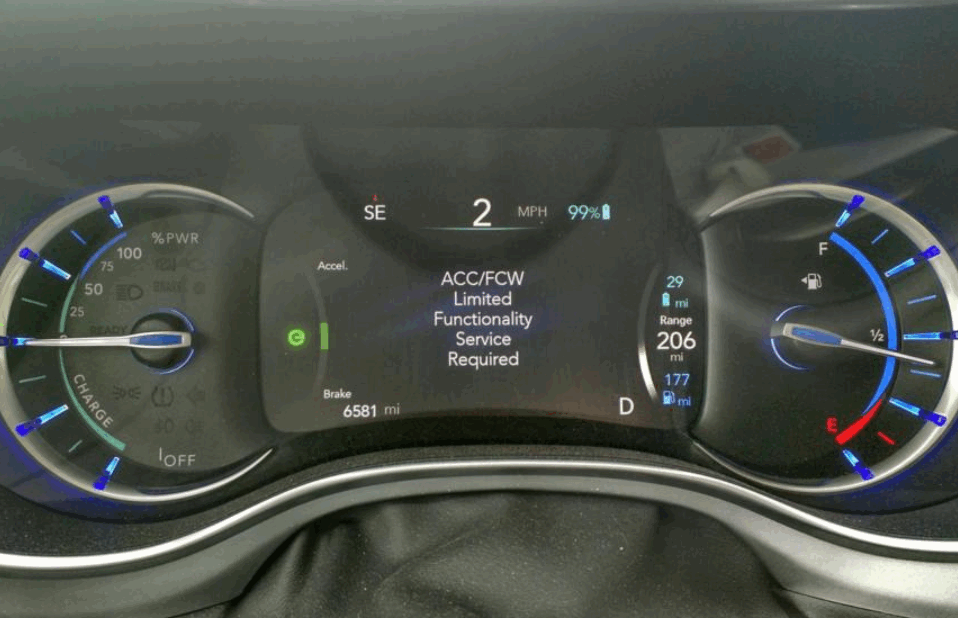
The message “ACC FCW Unavailable Service Required” means that your vehicle cannot use its Adaptive Cruise Control and Forward Collision Warning systems at that moment. These systems depend on multiple components, including radar sensors, cameras, and electronic control modules. When one part cannot provide accurate information, the vehicle disables the related safety functions.
Adaptive Cruise Control helps maintain a selected speed and distance from vehicles ahead. The system uses sensors to measure traffic movement and adjust the vehicle’s speed when necessary. Forward Collision Warning monitors the road ahead and warns the driver when it detects a possible collision risk.
The warning does not always indicate a serious mechanical failure. In many situations, the vehicle detects temporary conditions that affect sensor accuracy. Heavy rain, snow, fog, dirt, or road debris can interfere with radar and camera performance. After conditions improve, the system may return to normal operation.
The warning can also appear after certain vehicle repairs or changes. Windshield replacement, bumper repairs, or front-end impacts may affect sensor alignment. Modern vehicles require accurate calibration because ACC and FCW depend on precise measurements from their sensors.
Drivers should treat this warning as an indication that some safety features are unavailable. The vehicle may still drive normally, but it cannot provide automatic speed adjustment or collision alerts. Understanding the meaning of this message helps drivers choose the correct troubleshooting steps and avoid unnecessary repairs.
The ACC FCW Unavailable Service Required warning can appear for several reasons. The system relies on accurate data from sensors, cameras, and electronic components. When these parts cannot communicate correctly, the vehicle may disable Adaptive Cruise Control and Forward Collision Warning to maintain safety.
Dirty or Blocked Radar Sensor
A dirty or blocked radar sensor is one of the most common reasons for this warning. Most vehicles place the radar sensor behind the front grille or bumper area. The sensor scans the road ahead and detects the distance between your vehicle and other objects.
Dirt, mud, snow, ice, or road debris can reduce sensor accuracy. Even a thin layer of contamination can prevent the radar system from collecting reliable information. As a result, the vehicle may turn off ACC and FCW until the sensor can operate correctly again.
Cleaning the front sensor area often solves this type of problem. Drivers should check the grille and bumper regularly, especially after driving through heavy rain, dusty roads, or winter conditions.
Front Camera Problems
Many vehicles use a forward-facing camera near the top of the windshield to support ACC and FCW functions. This camera helps identify lane positions, vehicles, and potential hazards on the road.
A dirty windshield, fog, stickers, or objects blocking the camera view can affect system performance. The warning may also appear after windshield replacement because the camera may require recalibration.
A camera that loses calibration cannot provide accurate information to the safety system. Professional calibration may become necessary to restore normal operation.
Low Battery Voltage and Electrical Issues
Modern driver assistance systems require stable electrical power. A weak battery or charging problem can cause temporary failures in ACC, FCW, and other electronic systems.
When battery voltage drops below the required level, control modules may stop certain functions to protect the vehicle. Drivers may notice additional warning lights or unusual electronic behavior at the same time.
Testing the battery condition and charging system can help identify electrical problems. Replacing an old battery may resolve repeated system warnings in some cases.
Sensor Damage or Misalignment
The radar sensor and camera must maintain precise positioning to work correctly. A minor collision, bumper replacement, or front-end repair can change sensor alignment.
Even a small position change can affect how the system measures distance and detects obstacles. The vehicle may then display the ACC FCW Unavailable Service Required message because the sensor data no longer meets system requirements.
A technician may need to inspect the sensor position and perform calibration procedures. Proper alignment ensures that the safety system receives accurate information.
Software Errors and Communication Problems
ACC and FCW systems depend on communication between multiple vehicle control modules. Software errors or communication failures can interrupt this connection and trigger warning messages.
Sometimes, restarting the vehicle clears a temporary electronic issue. However, repeated warnings may indicate a software update requirement or a problem with a control module.
A professional diagnostic scan can identify stored fault codes and help determine the exact cause. This process prevents unnecessary part replacement and provides a more accurate repair solution.
Understanding these common causes helps drivers respond correctly when the ACC FCW Unavailable Service Required warning appears. Some issues require only simple cleaning or a restart, while others need professional inspection and calibration. Identifying the cause early can help restore the vehicle’s safety features and prevent further problems.
Fixing the ACC FCW Unavailable Service Required warning depends on the cause behind the problem. Some issues require only simple checks, while others need professional diagnosis. Drivers should follow a logical troubleshooting process to identify the problem before replacing any parts.
The first step involves checking the radar sensor and camera areas. Most vehicles place the radar sensor behind the front grille or inside the front bumper. Remove any dirt, mud, snow, or debris that may block the sensor surface. A clean sensor allows the system to collect accurate information from the road ahead.
Drivers should also inspect the windshield area in front of the forward-facing camera. Dust, moisture, stickers, or damaged glass can affect camera performance. Cleaning the windshield and removing any obstruction may restore normal system operation.
Restarting the vehicle can help resolve temporary electronic errors. Turn off the engine, lock the vehicle, and wait several minutes before starting it again. This process allows vehicle control modules to reset and reconnect. If the warning disappears, the issue may have come from a temporary software problem.
Battery condition should also be checked when the warning continues. A weak battery or unstable charging system can affect advanced driver assistance features. Low voltage may interrupt communication between control modules and cause multiple warning messages. Testing the battery and alternator can help identify electrical problems.
If basic troubleshooting does not solve the issue, the vehicle may require a diagnostic scan. A technician can use an OBD scanner to check fault codes related to ACC, FCW, radar sensors, cameras, and control modules. These codes provide important information about the source of the problem.
Some situations require sensor calibration. Windshield replacement, bumper repairs, or front-end impacts can change sensor positioning. Calibration ensures that radar and camera systems measure distance and detect objects correctly.
Drivers should avoid replacing expensive components without proper diagnosis. Sensor replacement, camera replacement, or module repairs can cost significantly more than a simple cleaning or calibration service. Accurate testing helps identify the correct solution and reduces unnecessary repair expenses.
The ACC FCW Unavailable Service Required warning should not be ignored when it appears repeatedly. A properly functioning safety system helps maintain vehicle protection and supports safer driving conditions. Early troubleshooting can restore ACC and FCW performance before the problem affects other vehicle systems.
How to Diagnose ACC FCW System Problems
Diagnosing an ACC FCW Unavailable Service Required warning requires a step-by-step approach. The system uses multiple components, so identifying the exact cause can prevent incorrect repairs and unnecessary costs. A proper diagnosis starts with checking the most common problems before moving to more advanced testing.
The first thing to check is when the warning appears. If the message shows immediately after starting the vehicle, the issue may relate to a sensor, electrical problem, or system communication error. If the warning appears only during rain, snow, or heavy fog, weather conditions may affect sensor performance.
Drivers should also check whether other warning lights appear at the same time. Problems with the ABS, traction control, battery system, or other driver assistance features may provide additional clues. Multiple warnings often point to a shared electrical or communication issue.
A visual inspection can help identify simple causes. Check the front grille, bumper area, and windshield near the camera location. Look for dirt, damage, water buildup, or objects that block the sensor view. These areas must remain clean and clear for ACC and FCW systems to work properly.
The next step involves scanning the vehicle with diagnostic equipment. An OBD scanner can read stored trouble codes from the vehicle’s control modules. These codes help technicians identify whether the problem involves the radar sensor, camera system, wiring, software, or another component.
Sensor calibration should also be considered after specific events. A windshield replacement, bumper repair, or collision can change the position of ACC and FCW sensors. Even a small alignment issue can affect system accuracy and trigger warning messages.
Technicians may perform additional tests to verify sensor operation. They can check electrical connections, communication signals, and software updates. These tests provide a complete view of the system condition and help determine the correct repair method.
Accurate diagnosis is important because ACC and FCW systems are part of the vehicle’s advanced safety technology. Replacing parts without identifying the real cause can waste time and money. A careful inspection helps restore system performance and ensures that the vehicle’s safety features work correctly.
Many drivers wonder whether they can continue driving after seeing the ACC FCW Unavailable Service Required warning. In most cases, the vehicle can still operate normally because this warning affects driver assistance features rather than the basic engine, transmission, or steering functions. However, drivers should understand that ACC and FCW will not provide support while the system remains unavailable.
When Adaptive Cruise Control stops working, the vehicle cannot automatically maintain a set speed or adjust the distance from the vehicle ahead. The driver must control acceleration, braking, and following distance manually. This requires more attention, especially during highway driving or heavy traffic conditions.
When Forward Collision Warning becomes unavailable, the vehicle cannot detect certain frontal collision risks or provide alerts. Drivers should increase their awareness and maintain a safe distance from other vehicles. They should avoid relying on automatic safety assistance until the system returns to normal.
Short trips may be possible when the warning appears because of temporary conditions such as a dirty sensor or bad weather. Cleaning the radar sensor area, clearing the camera view, and restarting the vehicle may restore normal operation. However, drivers should not ignore the warning if it appears repeatedly.
Continued driving with an unresolved ACC FCW problem may reduce overall safety because important assistance features remain disabled. The issue becomes more important when other warning lights appear, when the vehicle recently experienced a collision, or when repairs affected the front bumper or windshield.
Drivers should schedule a professional inspection when basic troubleshooting does not remove the warning. A technician can check fault codes, inspect sensors, and perform calibration if necessary. Restoring ACC and FCW functionality helps ensure that the vehicle can provide the intended level of safety assistance during daily driving.
When Should You Service ACC FCW System?
Drivers should schedule an ACC FCW system inspection when the warning continues to appear after basic troubleshooting. A temporary issue caused by dirt, weather, or a minor software error may disappear after cleaning the sensors or restarting the vehicle. However, repeated warnings usually indicate a problem that requires further investigation.
You should consider professional service when the ACC FCW Unavailable Service Required message remains active for several driving cycles. A persistent warning may indicate a faulty radar sensor, camera issue, wiring problem, or communication failure between vehicle control modules.
Professional inspection becomes especially important after certain vehicle repairs. Windshield replacement, bumper replacement, front-end collision repairs, or changes near the sensor locations can affect system accuracy. Technicians may need to perform camera or radar calibration to restore proper operation.
Drivers should also seek service when the vehicle shows additional symptoms. These symptoms may include other dashboard warning lights, failed cruise control functions, inaccurate distance detection, or repeated safety system errors. Multiple issues at the same time often suggest a deeper electrical or software problem.
A qualified technician can use diagnostic tools to identify stored fault codes and test individual components. This process helps determine whether the problem comes from the sensor, camera, wiring, software, or control module. Accurate diagnosis reduces unnecessary repairs and ensures the correct solution.
Ignoring an ACC FCW warning for a long period can affect the reliability of important safety features. Although the vehicle may continue to drive, the driver loses access to systems designed to improve awareness and reduce collision risks.
Regular inspection and proper maintenance help keep advanced driver assistance systems working correctly. Addressing ACC FCW problems early can restore system performance and provide better confidence during everyday driving. If the warning does not disappear after simple checks, professional service remains the safest option.
Conclusion
The ACC FCW Unavailable Service Required warning indicates that your vehicle has detected a problem with the Adaptive Cruise Control and Forward Collision Warning systems. These technologies play an important role in modern vehicle safety by helping drivers maintain proper distance and recognize potential collision risks.
Several factors can cause this warning to appear. Common causes include dirty radar sensors, blocked cameras, low battery voltage, sensor misalignment, software errors, and damaged components. Some problems require only simple solutions, such as cleaning the sensor area or restarting the vehicle. Other issues may require professional diagnosis and calibration.
Drivers should not ignore this warning because ACC and FCW provide valuable assistance during daily driving. When these systems become unavailable, the vehicle may still operate normally, but important safety features will not provide support. Drivers must rely fully on manual control until the system returns to normal.
A proper troubleshooting process can help identify the cause and avoid unnecessary repairs. Checking sensor areas, inspecting the windshield camera view, testing the battery, and reading diagnostic trouble codes are important steps in finding the correct solution. Professional service becomes necessary when the warning remains active or appears after vehicle repairs.
Maintaining ACC and FCW systems helps preserve the vehicle’s advanced safety capabilities. By understanding the meaning behind the ACC FCW Unavailable Service Required message and responding quickly, drivers can restore system functionality and continue driving with greater confidence.