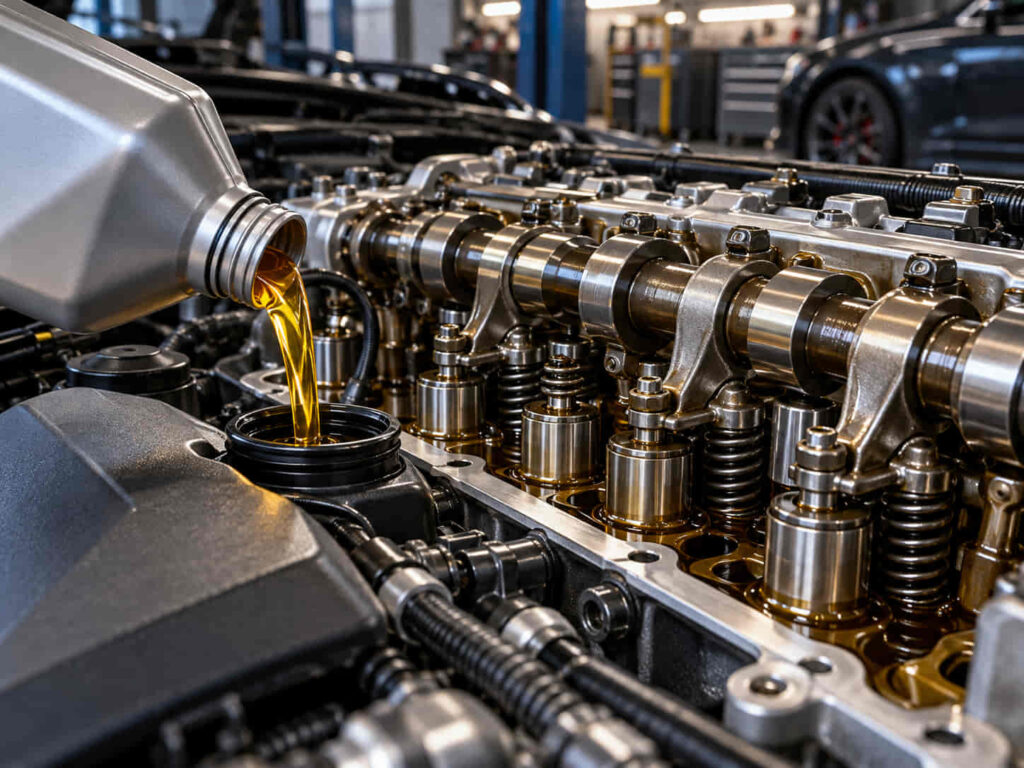
Finding the best additive for lifter tick starts with understanding why hydraulic valve lifters become noisy. Engine oil additives can help reduce ticking caused by sludge, varnish deposits, restricted oil passages, or sticking hydraulic lifters. However, they cannot repair worn camshafts, damaged lifters, or serious lubrication system failures.
LIQUI MOLY Hydraulic Lifter Additive is a strong first choice for treating suspected sticking hydraulic lifters, because it is specifically formulated to clean oil passages and reduce hydraulic tappet noise. Rislone Engine Treatment offers another option for engines affected by deposits, while Sea Foam Motor Treatment is commonly used to clean oil-system residues before an oil change.
The right treatment depends on the engine’s condition, oil specifications, and the underlying cause of the ticking sound. Checking the oil level, using the manufacturer-recommended oil, and identifying possible mechanical problems should always come before adding a treatment.
What Is the Best Additive for Lifter Tick?
LIQUI MOLY Hydraulic Lifter Additive is one of the most suitable options for lifter ticking associated with contaminated or sticking hydraulic lifters. Its formulation targets oil passages and deposits that may interfere with the hydraulic mechanisms responsible for maintaining proper valve clearance.
Hydraulic valve lifters use engine oil pressure to maintain contact within the valvetrain as components expand, contract, and move during operation. When oil cannot circulate properly through a lifter, the internal mechanism may fail to maintain its intended position, creating an audible ticking or tapping sound.
LIQUI MOLY addresses this potential cause by helping clean restricted oil passages and improve the movement of hydraulic components. Its manufacturer also identifies potential benefits for oil-pressure-operated timing chain tensioners.
Rislone Engine Treatment is a reasonable alternative when oil contamination, varnish, and sludge are suspected. Rather than focusing exclusively on hydraulic lifters, it combines cleaning and lubrication functions intended to reduce deposits in several internal engine components.
Sea Foam Motor Treatment serves a somewhat different purpose. It is designed to dissolve petroleum-based residues inside the crankcase and can be used before an oil change to help remove contaminants that restrict lubrication.
These products have different formulations and recommended applications, so choosing among them should depend on the suspected cause of the noise rather than product popularity alone. Their claimed benefits are primarily supported by manufacturer descriptions, not by a standardized independent comparison demonstrating that one consistently eliminates lifter noise better than the others.
For a vehicle with persistent ticking, low oil pressure, or visible valvetrain damage, professional diagnosis is more important than selecting an additive.
What Causes Lifter Tick in an Engine?
Lifter tick occurs when a valvetrain component produces repeated tapping or clicking sounds, often because a hydraulic lifter is not maintaining the correct internal position or valve clearance. The noise frequently follows engine speed and may become more noticeable during cold starts, idling, or acceleration.
Hydraulic lifters contain internal mechanisms that depend on engine oil to maintain proper operation. As the camshaft rotates, the lifter transfers movement through the valvetrain to open and close the engine valves. In engines with hydraulic lash adjustment, oil pressure helps compensate for changes in component clearances.
One common cause of ticking is insufficient lubrication. Low engine oil levels can reduce the amount of oil available to the lubrication system, while contaminated oil may restrict small oil passages that supply hydraulic lifters.
Oil viscosity also affects hydraulic lifter operation. Oil that does not meet the manufacturer’s specifications may circulate differently during cold starts or at normal operating temperature. Incorrect viscosity can contribute to delayed lifter operation, particularly when combined with existing deposits or wear.
Sludge and varnish are additional causes of lifter problems. These deposits develop through oil degradation, contamination, excessive temperatures, and inadequate maintenance. When deposits accumulate inside a hydraulic lifter or its oil supply passages, the internal plunger or check-valve mechanism may not function correctly.
Air trapped within a hydraulic lifter can also produce temporary ticking. After an engine has remained off for several hours, some lifters may experience oil drain-down or delayed hydraulic pressure recovery when the engine restarts.
However, not every ticking noise originates from a hydraulic lifter. Worn rocker arms, incorrect valve clearance, camshaft damage, exhaust leaks, and normal fuel injector operation can produce similar sounds.
Mechanical lifters and solid-lifter valvetrains operate differently from hydraulic systems. An oil additive cannot automatically correct excessive mechanical valve clearance in these designs.
Identifying the actual source of the sound is essential because an additive may help with contamination-related problems but cannot correct every cause of valvetrain noise.
How Do Oil Additives Help Reduce Lifter Tick?
Oil additives may reduce hydraulic lifter tick by helping dissolve deposits, improving oil circulation through restricted passages, or modifying lubrication characteristics. Their effectiveness depends on whether the noise is caused by a condition that chemical treatment can address.
A hydraulic lifter contains internal oil chambers and precisely fitted moving parts. These components depend on a reliable supply of pressurized oil to maintain the correct clearance during valve operation.
When varnish or sludge accumulates inside the lifter, the internal plunger or check valve may become restricted. This can prevent the lifter from maintaining normal operation and create repeated contact noise within the valvetrain.
Cleaning additives are formulated to interact with deposits that interfere with oil circulation and mechanical movement. As deposits gradually dissolve or disperse, oil may circulate more effectively through the affected components.
Some treatments also contain lubricating ingredients intended to modify friction between moving surfaces. However, reducing friction alone does not guarantee that a ticking lifter will return to normal operation.
The distinction between cleaning and mechanical repair is important. A lifter with minor contamination may respond to improved oil circulation, while a lifter with a damaged internal spring, excessive leakage, or significant wear will usually require mechanical attention.
Likewise, additives cannot restore proper oil pressure when the underlying problem is a failing oil pump, severe bearing wear, or a major lubrication system restriction.
This explains why the same treatment may reduce ticking in one engine but produce little noticeable change in another.
LIQUI MOLY Hydraulic Lifter Additive: Best for Sticking Hydraulic Lifters
LIQUI MOLY Hydraulic Lifter Additive is designed specifically to reduce hydraulic lifter noise associated with deposits and restricted oil passages. Its targeted purpose makes it a logical option when sticking hydraulic lifters are suspected.
The product is formulated to clean oil passages within the lubrication system and help restore the normal function of hydraulic valve lash components. These cleaning properties are particularly relevant when varnish buildup or contamination interferes with the movement of internal lifter mechanisms.
Unlike general-purpose oil treatments, this additive directly addresses the operation of hydraulic lifters. The manufacturer also states that the formulation can improve the function of oil-pressure-operated timing chain tensioners, which may reduce certain types of timing chain noise.
LIQUI MOLY identifies the product as suitable for many gasoline and diesel four-stroke engines, including turbocharged applications. It is also described as compatible with catalytic converters and particulate filters, subject to the product’s stated application conditions.
A standard 300 ml container is intended for engine oil systems containing approximately 3 to 6 liters of oil in the US product instructions. The additive can be introduced through the engine oil filler opening, with the manufacturer advising users to follow its mixing and application directions.
However, the product is not suitable for motorcycles equipped with wet clutches. Vehicle manufacturer restrictions on supplemental oil additives must also be considered before use.
The main advantage of LIQUI MOLY Hydraulic Lifter Additive is its focused application. It is intended for the specific lubrication and contamination problems that can affect hydraulic lifters rather than being presented as a universal mechanical repair.
Its limitations are equally important. It cannot correct a physically damaged lifter, severely worn camshaft lobe, or major oil pressure problem. If the ticking results from mechanical failure, cleaning the oil passages will not eliminate the underlying defect.
For an engine with normal oil pressure and suspected sticking hydraulic lifters, LIQUI MOLY is a reasonable product to evaluate after verifying that the vehicle permits its use.
Rislone Engine Treatment: Best for Sludge and Varnish Deposits
Rislone Engine Treatment is a multipurpose oil additive formulated to help remove deposits, reduce friction, and quiet noisy lifters and valves. It is particularly relevant when contamination affects more than one part of the engine’s lubrication system.
Over time, engine oil can accumulate contaminants and oxidation byproducts. These materials may form sludge and varnish around internal components, including valve-train parts, piston rings, and oil passages.
Rislone combines cleaning agents with lubricating ingredients intended to gradually address these deposits. According to the manufacturer, the treatment helps dissolve and suspend unwanted residues so they can be captured by the oil filter or removed during a subsequent oil change.
For hydraulic lifters, this cleaning action may be useful when restricted oil passages or sticky internal components contribute to abnormal noise.
Rislone Engine Treatment is marketed for gasoline, diesel, and turbocharged engines using conventional, high-mileage, or synthetic engine oils.
The standard 16.9-fluid-ounce, or approximately 500 ml, container is intended for a typical passenger vehicle oil system holding 4 to 6 US quarts, according to the manufacturer’s instructions. The treatment is designed to remain in the crankcase during the oil change interval rather than functioning as a short-duration engine flush.
Its broader cleaning purpose distinguishes it from LIQUI MOLY Hydraulic Lifter Additive. Rislone may be considered when the suspected problem involves general oil-system contamination in addition to noisy lifters.
However, substantial sludge accumulation can indicate a more serious lubrication problem. In severely contaminated engines, inspection and appropriate mechanical cleaning may be necessary instead of relying on a chemical treatment.
Rislone cannot restore damaged metal surfaces or repair failed hydraulic lifter assemblies. Its potential benefit is primarily associated with deposit removal and lubrication, not the reconstruction of worn components.
Sea Foam Motor Treatment: Best for Cleaning Before an Oil Change
Sea Foam Motor Treatment is another option for lifter ticking associated with oil-system deposits, especially when the goal is to clean the crankcase before replacing the engine oil and filter.
Unlike a treatment focused specifically on hydraulic lifters, Sea Foam Motor Treatment has several intended applications involving petroleum-based residues. When added to crankcase oil according to its instructions, it is designed to help dissolve deposits that may interfere with oil circulation and lubrication.
The manufacturer identifies noisy hydraulic lifters and timing chain tensioners among the components that may benefit from cleaner oil passages.
This cleaning approach may be useful when deposits have accumulated around the internal oil passages supplying the valvetrain. Improving the cleanliness of these passages can help address contamination-related restrictions that contribute to hydraulic lifter noise.
Sea Foam’s published crankcase directions recommend approximately one fluid ounce of treatment per quart of engine oil. The manufacturer also recommends using the product before an oil change, typically within the final 100 to 300 miles of the oil service interval.
A subsequent oil and filter change removes the used lubricant and suspended contaminants.
Sea Foam therefore offers a different maintenance approach from an additive intended to remain in the engine for an entire oil change interval.
However, Sea Foam Motor Treatment is not a replacement for the correct engine oil, and its use does not guarantee that a noisy hydraulic lifter will begin operating normally.
An engine affected by severe sludge deposits, mechanical wear, or insufficient oil pressure requires proper diagnosis before any cleaning treatment is considered.
Read more: 2 Stroke Engine vs 4 Stroke Engine
How to Choose the Right Additive for Lifter Tick
The best additive for lifter tick depends on whether the engine suffers from sticking hydraulic lifters, contaminated oil passages, or mechanical wear. Matching the treatment to the underlying condition is more important than choosing a product based solely on claims of noise reduction.
When a hydraulic lifter makes a light ticking sound and oil contamination is suspected, a treatment designed for hydraulic lifters may be the most relevant option. Products such as LIQUI MOLY Hydraulic Lifter Additive target deposit-related restrictions that can interfere with lifter operation.
If the engine shows signs of broader oil-system contamination, a general engine cleaning treatment such as Rislone may be considered. Its cleaning formulation addresses deposits in several lubricated areas rather than focusing only on the lifter mechanism.
Sea Foam may be considered where the intended maintenance procedure includes removing oil-system residues shortly before an oil and filter change.
However, the condition of the engine should determine whether any additive is appropriate.
A vehicle that has recently developed ticking after an oil change may simply have an incorrect oil grade, insufficient oil, an unsuitable filter, or another service-related issue. Correcting those problems is more appropriate than introducing another chemical into the lubrication system.
Oil specifications are especially important in modern engines equipped with variable valve timing, turbochargers, cylinder-deactivation systems, and oil-pressure-controlled components. These systems depend on carefully selected lubricant characteristics.
Some vehicle manufacturers explicitly discourage supplemental engine oil additives. In these vehicles, following the owner’s manual takes priority over recommendations made by aftermarket treatment manufacturers.
The most suitable solution may therefore be a specialized additive, an oil and filter change, or a mechanical repair, depending on the diagnosis.
How to Use a Lifter Tick Additive Correctly
A lifter tick additive should be used only after verifying the engine oil level, oil specification, product compatibility, and manufacturer-recommended dosage. Adding more treatment than instructed does not improve its effectiveness and may compromise lubrication.
Begin by checking the oil level using the method specified in the vehicle owner’s manual. The vehicle should normally be parked on level ground, and the engine should be allowed to reach the appropriate condition for an accurate measurement.
If the oil level is low, correct it using an approved engine oil before considering a treatment. If the oil is severely contaminated, overdue for replacement, or of the wrong viscosity, an oil and filter change should take priority.
Once the lubrication system has been checked, confirm that the chosen additive is suitable for the engine. This includes verifying compatibility with the engine design, oil type, emissions equipment, and any manufacturer restrictions.
Most crankcase treatments are introduced through the engine oil filler opening, but dosage and application procedures vary by product. LIQUI MOLY Hydraulic Lifter Additive, Rislone Engine Treatment, and Sea Foam Motor Treatment should each be used according to their own instructions.
The treatment volume must also be considered when checking the final oil level. Overfilling the crankcase can cause aeration, excessive crankcase pressure, and other lubrication-related problems.
After adding an approved treatment, operate the engine only as directed by the product manufacturer. Observe whether the ticking changes during cold starts, warm idling, or normal driving.
Avoid combining multiple oil additives unless the engine manufacturer and product manufacturers specifically approve the combination. Mixing treatments can change the properties of the finished lubricant in unpredictable ways.
If the engine develops worsening noise, abnormal oil pressure, misfires, or other signs of mechanical trouble, discontinue normal operation and have the problem diagnosed.
How Long Does It Take for an Additive to Stop Lifter Tick?
There is no guaranteed time for an oil additive to stop lifter tick because the result depends on the cause of the noise, the amount of contamination, and the condition of the hydraulic lifters.
When ticking results from a minor lubrication problem, the sound may change relatively quickly once normal oil circulation is restored. However, this improvement should not automatically be attributed to an additive because hydraulic lifters can also become quieter as the engine warms up.
Deposit-related problems may require more operating time. Cleaning agents must circulate with the engine oil and interact with accumulated residues before any meaningful change can occur.
The treatment’s formulation and recommended application period also affect how it should be evaluated. Some products are designed to remain in the crankcase for an extended oil service interval, while others are intended for use shortly before an oil change.
If the lifter noise is caused by a worn internal mechanism, damaged camshaft, or insufficient oil pressure, additional running time will not necessarily improve the situation. Continuing to operate an engine with a serious lubrication problem can increase mechanical damage.
The most useful way to evaluate treatment effectiveness is to compare the noise under similar operating conditions. Engine temperature, idle speed, oil temperature, and the amount of time since the previous startup can all influence the sound.
A noticeable reduction in ticking may suggest that lubrication or contamination contributed to the problem, but it does not prove that all internal components are operating correctly.
Persistent or worsening ticking should be investigated rather than repeatedly treated with additional bottles of additive.
Can an Oil Additive Permanently Fix Lifter Tick?
An oil additive may produce a lasting reduction in lifter tick when the cause is removable contamination, but it cannot permanently repair mechanical wear or damaged engine components.
Hydraulic lifters rely on precisely fitted internal parts to maintain proper operation. If varnish or minor deposits prevent those parts from moving freely, removing the contamination may allow the lifter to function normally again.
However, the outcome depends on whether the lifter has suffered permanent damage. A component that has experienced prolonged inadequate lubrication may develop wear that cleaning agents cannot reverse.
A collapsed hydraulic lifter, damaged internal check valve, worn roller, or deteriorated camshaft lobe generally requires mechanical inspection and potentially component replacement.
The distinction between temporary noise reduction and an actual repair is especially important. A product that changes oil viscosity or friction characteristics may alter the sound without correcting the defect responsible for it.
An engine that becomes quieter after treatment may still require attention if it has abnormal oil pressure, visible wear, or inconsistent valve operation.
Permanent improvement is most plausible when the original problem was limited to contamination and the engine’s lubrication system otherwise remains healthy.
Even then, preventing the return of deposits depends on appropriate engine oil, correct maintenance intervals, and normal operating conditions.
Should You Change Engine Oil Before Trying a Lifter Tick Additive?
Changing the engine oil and filter is generally the better first step when lifter tick is associated with overdue maintenance, incorrect oil viscosity, or contaminated lubricant.
Modern engine oils already contain carefully balanced additive packages designed to provide detergency, wear protection, oxidation resistance, and other essential properties.
When the oil becomes excessively contaminated or degraded, these properties may no longer support the engine as intended. Fresh oil meeting the manufacturer’s specifications can restore the correct lubrication conditions without requiring a supplemental treatment.
Oil viscosity deserves particular attention. An engine designed for a specific SAE viscosity grade should normally receive that grade rather than a thicker oil selected solely to suppress ticking.
Using excessively thick oil may interfere with cold-start lubrication and the operation of hydraulic components. Conversely, an unsuitable low-viscosity oil may fail to meet the engine’s required protection characteristics.
The oil filter also contributes to lubrication system performance. A defective, unsuitable, or restricted filter can affect oil circulation and may contribute to startup-related problems in some engines.
Replacing the oil and filter with approved components establishes a better baseline for further diagnosis.
If ticking remains after the engine has been serviced correctly, the next step should be identifying whether restricted hydraulic lifters, abnormal oil pressure, or mechanical wear are responsible.
An additive may be considered only where the vehicle manufacturer permits it and contamination-related sticking remains a plausible cause.
When Should You Avoid Using a Lifter Tick Additive?
An oil additive should not be used as a substitute for mechanical diagnosis when lifter tick is accompanied by low oil pressure, severe engine noise, or evidence of internal component failure.
A light ticking sound during a cold start is different from a loud metallic knocking noise that increases with engine load. Deep knocking can indicate serious internal wear, while pronounced valvetrain ticking may involve damaged lifters, rocker arms, or camshaft components.
If the oil pressure warning light illuminates, the engine should be shut down safely and the cause investigated. Continued operation with inadequate lubrication can damage bearings, camshafts, and other critical components.
Likewise, a sudden increase in ticking accompanied by misfires, reduced engine power, rough running, or an illuminated malfunction indicator light may point to a mechanical problem requiring professional attention.
Certain engines also have known lifter or valvetrain failure patterns addressed by manufacturer service bulletins. These problems may require inspection and replacement of specific components rather than oil-system cleaning.
Another reason to avoid additives is an explicit manufacturer restriction. Some automakers advise against supplemental oil treatments because their effects on the specified lubricant and engine components are not approved.
In these situations, the safest approach is to follow the service procedures and lubricant requirements established for the particular engine.
An additive should be viewed as a possible maintenance treatment for a diagnosed or reasonably suspected deposit-related condition, not as a universal solution for engine noise.
How Can You Prevent Lifter Tick From Returning?
The most effective way to reduce the risk of recurring lifter tick is to maintain clean engine oil, adequate oil pressure, and proper lubrication throughout the valvetrain.
Regular oil changes help remove contaminants and degraded lubricant before deposits accumulate inside narrow oil passages. The correct service interval depends on engine design, operating conditions, driving patterns, and manufacturer recommendations.
Vehicles subjected to frequent short trips, extended idling, high temperatures, or heavy loads may require closer attention to maintenance because these conditions can accelerate oil contamination or degradation.
Using the correct engine oil is equally important. The recommended viscosity and performance specification help ensure that the oil reaches hydraulic lifters and other internal components under the conditions anticipated by the engine manufacturer.
Monitoring the oil level between services can help identify consumption or leakage problems before they interfere with lubrication. A low oil level should be corrected promptly, and persistent oil loss should be investigated.
Engine operating temperature also affects oil condition. Cooling-system problems and prolonged overheating can accelerate lubricant degradation and contribute to the formation of harmful deposits.
Oil filters should be replaced according to the applicable maintenance schedule and selected according to the engine’s requirements.
Although certain oil treatments may help address existing deposits, routine additive use is not necessary for every engine. Properly formulated motor oil already provides the essential lubrication and cleaning functions required during normal operation.
Maintaining the engine according to its manufacturer’s instructions is generally more reliable than depending on aftermarket additives to compensate for neglected maintenance.
Is LIQUI MOLY or Rislone Better for Lifter Tick?
LIQUI MOLY Hydraulic Lifter Additive is the more targeted choice for suspected sticking hydraulic lifters, while Rislone Engine Treatment is a broader cleaning option for engines affected by sludge and varnish deposits.
LIQUI MOLY focuses on cleaning oil passages and supporting the operation of hydraulic lash-adjustment components. This makes it particularly relevant when the suspected problem is contamination interfering with a lifter’s internal movement.
Rislone combines cleaning and lubrication functions intended to address deposits throughout the engine. It may be a more relevant consideration when contamination is suspected in multiple lubricated components.
Neither product has been established as universally superior through a standardized independent lifter-noise comparison. Their suitability depends on engine condition, lubricant compatibility, and the specific cause of the ticking.
For either treatment, the correct oil specification and the vehicle manufacturer’s instructions remain the primary considerations.
Will Lifter Tick Go Away on Its Own?
Lifter tick can sometimes disappear after engine warm-up when the noise is associated with temporary oil drain-down or delayed hydraulic lifter pressure recovery. However, persistent ticking should not be assumed harmless.
During a cold start, oil must circulate through the engine and reach the components that depend on pressure for proper operation. Some hydraulic lifters may take additional time to regain their normal internal position.
As the engine reaches operating temperature, changes in oil flow and component clearances can influence noise levels.
A brief sound that disappears may be associated with normal or model-specific startup behavior, but it can also indicate a developing problem. Whether the noise is acceptable depends on the vehicle’s engine design and manufacturer guidance.
Ticking that continues after warm-up, becomes louder over time, or occurs alongside other symptoms requires further investigation.
Waiting for a mechanically damaged lifter to stop making noise can allow additional wear to develop in the camshaft and related valvetrain components.
Final Verdict: What Is the Best Additive for Lifter Tick?
LIQUI MOLY Hydraulic Lifter Additive is a practical first choice for suspected contamination-related hydraulic lifter ticking, based on its dedicated formulation for cleaning oil passages and supporting hydraulic lifter operation.
Rislone Engine Treatment is another suitable option to evaluate when sludge and varnish accumulation may be contributing to the problem. Sea Foam Motor Treatment offers a different approach for removing oil-system residues before an oil and filter change.
However, none of these products guarantees that engine ticking will stop. Their potential effectiveness depends on whether the underlying condition can be addressed through cleaning or lubrication.
Before using any additive, verify the oil level, correct lubricant specification, engine compatibility, and manufacturer recommendations. If the engine has low oil pressure, persistent valvetrain noise, or suspected component damage, mechanical diagnosis is essential.
Ultimately, the best additive for lifter tick is one that addresses a confirmed or reasonably suspected lubrication-related cause without compromising the engine’s required oil specifications. For mechanical lifter failure, proper repair remains the most dependable solution.