Living in a car requires a safe sleeping setup, legal overnight parking, reliable ventilation, access to food and water, and a plan for maintaining your vehicle. To live in a car full-time, you need to organize the interior for sleeping and storage, identify permitted parking locations, manage daily hygiene, and budget for fuel, insurance, maintenance, and other essential expenses.
You can live in different types of vehicles, including sedans, SUVs, hatchbacks, and minivans. However, the amount of usable sleeping space, storage capacity, and interior comfort depends on the vehicle’s dimensions and seating configuration. SUVs and minivans generally provide more flexibility for sleeping arrangements, while smaller cars require more compact equipment and careful organization.
Safety is another essential consideration. Sleeping in a vehicle exposes occupants to temperature changes, condensation, parking restrictions, and potential security risks. Running a gasoline-powered engine while sleeping also creates carbon monoxide hazards, particularly in enclosed or poorly ventilated locations. Proper preparation helps reduce these risks, but a parked car cannot always provide safe shelter during extreme weather.
This guide explains how to choose and prepare a vehicle, create a comfortable sleeping area, find legal overnight parking, manage electricity and hygiene, estimate monthly expenses, and maintain your car for long-term living.
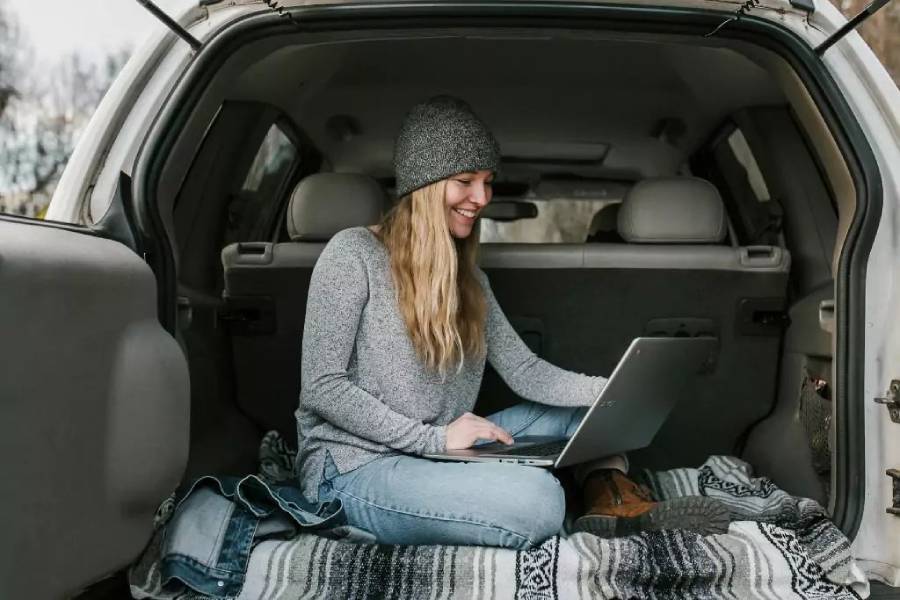
How Do You Live in a Car Full-Time?
To live in a car full-time, you need to prepare a reliable vehicle, create a functional sleeping space, find legal overnight parking, and establish routines for food, hygiene, and vehicle maintenance. These requirements turn a car from a means of transportation into a temporary or long-term living space. The goal is to keep essential activities manageable without compromising driving safety or vehicle reliability.
Start by inspecting your vehicle’s mechanical condition. Check the tires, brakes, battery, engine oil, coolant, and heating and air conditioning systems. A mechanical breakdown affects both transportation and access to shelter when your car is your primary living space. Address existing problems before moving in, and follow the manufacturer’s maintenance schedule to reduce the risk of unexpected repairs.
Next, organize the interior into sleeping and storage areas. Measure the available length and width with the seats folded or adjusted to determine whether you can lie down comfortably. Use a sleeping pad or compact mattress to create a supportive surface, and store clothing, bedding, and personal supplies in secured containers. Keep the driver’s seat, pedals, windows, and emergency exits unobstructed so the vehicle remains safe to operate.
Finding suitable overnight parking is equally important. Identify locations where overnight vehicle occupancy is permitted, such as designated campgrounds or other areas that explicitly allow sleeping in vehicles. Parking regulations vary between cities, states, and individual properties, so verify local rules before staying overnight. Avoid relying on a single parking location, especially when living in an urban area.
Finally, establish a daily routine that covers drinking water, meals, showers, restrooms, laundry, and electricity. Identify nearby facilities and calculate recurring expenses, including fuel, insurance, food, parking, and maintenance. Keep essential documents, emergency supplies, and enough money for unexpected repairs or alternative accommodation. A consistent routine makes full-time car living more manageable while reducing disruptions to sleep, hygiene, and transportation.
What Type of Car Is Best for Living In?
A minivan is generally the best type of car for full-time living because it provides more usable interior space, flexible seating arrangements, and room for sleeping and storage. SUVs are another practical option, particularly models with fold-flat rear seats, while sedans are better suited to temporary car living or individuals who can manage with limited space. The right vehicle depends on four main factors: sleeping dimensions, cargo capacity, fuel efficiency, and maintenance costs.
Interior dimensions matter more than exterior vehicle size when choosing a car to live in. A suitable vehicle should provide enough length for a sleeping surface, space for essential belongings, and access to doors without moving heavy equipment. Fuel economy and mechanical reliability also affect long-term affordability because the vehicle serves as both transportation and shelter. Before choosing a model, measure its usable interior space and compare the total ownership costs rather than relying on vehicle size alone.
Can You Live in a Sedan?
You can live in a sedan, but limited sleeping space and storage capacity make it less practical for full-time car living. Most sedans have a separate trunk and a rear seating area that cannot accommodate a full-length mattress without modifications. Some models have folding rear seats that provide additional sleeping length, although the opening between the passenger compartment and trunk may restrict usable space.
A sedan living setup generally requires a compact sleeping pad, removable window covers, and storage containers that fit inside the trunk or footwells. Reclining the front passenger seat may provide a temporary sleeping position, but it does not create the same level sleeping surface available in larger vehicles. For example, a compact sedan with a fixed rear seat may require sleeping in a partially reclined position, while a model with folding rear seats may allow a longer sleeping arrangement.
Sedans offer advantages in fuel efficiency, maneuverability, and parking convenience. However, their limited interior height makes changing clothes, organizing equipment, and spending extended periods inside more difficult. A sedan is most suitable for solo occupants who prioritize low operating costs and need a minimal living setup.
Is an SUV or Minivan Better for Car Living?
A minivan is generally better than an SUV for maximizing interior living space, while an SUV may be preferable for drivers who need higher ground clearance or available all-wheel-drive capability. Minivans typically have longer, more accessible cargo areas, sliding side doors, and seating configurations designed to accommodate passengers and bulky equipment. These features make it easier to create a sleeping platform and organize daily essentials.
For example, a Toyota Sienna or Honda Odyssey can accommodate a sleeping platform when the seating configuration allows sufficient cargo length. Some seats fold into the floor, while others must be removed or repositioned according to the manufacturer’s instructions. Sliding doors also provide convenient access in narrow parking spaces. However, permanent modifications or seat removal can affect safety systems, insurance requirements, and passenger capacity.
SUVs such as the Toyota RAV4 and Honda CR-V offer another practical solution. Models with folding rear seats can create a relatively large sleeping area, although the cargo floor may not be completely level. Larger SUVs generally provide additional interior length and storage capacity but may consume more fuel and cost more to maintain.
The best choice is a vehicle that allows you to sleep comfortably without compromising its mechanical condition or driving safety. A minivan suits occupants who prioritize interior space, an SUV offers a balance between everyday driving and sleeping arrangements, and a sedan works best when affordability and compact size are the main priorities.
How Do You Set Up a Car for Sleeping?
To set up a car for sleeping, create a flat sleeping surface, arrange bedding that fits the interior, secure loose belongings, and install removable window covers for privacy. The setup should provide enough space to lie down, allow fresh air to circulate, and maintain access to the vehicle’s doors. A practical sleeping arrangement depends on the car’s interior dimensions, seat configuration, and available cargo space.
Start by measuring the usable sleeping area with the rear seats folded or the front seats repositioned. Measure the length from the rear hatch or trunk opening to the nearest obstruction, along with the width between the wheel wells. These measurements determine whether a sleeping pad, folding mattress, or removable platform will fit. Avoid placing heavy equipment where it could interfere with vehicle controls, seat belts, or emergency exits.
Storage organization also affects sleeping comfort. Keep bedding in one area and place clothing, toiletries, and frequently used supplies in compact containers. Secure storage boxes and other equipment so they cannot move during sudden braking. A well-organized interior allows you to prepare the sleeping area without repeatedly unloading the vehicle.
How Do You Make a Comfortable Bed in a Car?
To make a comfortable bed in a car, use a level sleeping surface, a supportive mattress or sleeping pad, and bedding appropriate for the expected temperature. A flat surface distributes body weight more evenly than a reclined seat and reduces pressure on the shoulders, hips, and lower back. The sleeping arrangement should also provide enough length to stretch your legs without forcing your body into an uncomfortable position.
In SUVs and minivans, folding the rear seats may create sufficient space for a mattress. However, some vehicles have uneven cargo floors or gaps between seat sections. A removable sleeping platform can help level these surfaces, provided it is stable, properly supported, and secured during travel. For example, a folding foam mattress measuring approximately 72 inches long and 24 inches wide may fit certain vehicle interiors, but the available dimensions must be checked before purchasing equipment.
Mattress thickness influences comfort and storage requirements. A foam pad approximately 2–4 inches thick offers cushioning while remaining relatively compact, although the appropriate thickness depends on body weight and the firmness of the surface underneath. Folding mattresses are convenient for vehicles that must switch between driving and sleeping configurations, while inflatable sleeping pads require less storage space when deflated.
Bedding should match the overnight temperature rather than the daytime weather forecast. Use a suitable sleeping bag or blankets for insulation, and keep the bedding dry to prevent moisture accumulation. Never rely on an idling gasoline-powered engine to maintain a comfortable sleeping temperature. If conditions become dangerously hot or cold, move to a safe indoor location instead.
How Do You Get Privacy While Sleeping in a Car?
To get privacy while sleeping in a car, install removable window covers, use discreet interior lighting, and choose overnight parking locations where vehicle occupancy is permitted. Window covers prevent direct visibility into the passenger compartment, reduce incoming light, and make the sleeping area feel more private. They also limit unwanted attention to personal belongings stored inside the vehicle.
Reflective window shades, fitted fabric panels, and removable blackout covers are three practical options. Reflective shades help reduce solar heat gain through covered windows, while opaque fabric panels block outside light and visibility. Custom-cut covers can fit irregular window shapes more closely than universal shades. For example, a fitted rear-window panel combined with removable side-window covers can provide privacy without requiring permanent modifications to the vehicle.
Install privacy covers only after parking, and remove anything that obstructs the driver’s required visibility before driving. Avoid attaching curtains or equipment to airbags, seat belt mechanisms, or emergency exits. Privacy accessories should be easy to remove quickly, particularly when sleeping alone or parking in an unfamiliar location.
Privacy must not come at the expense of ventilation. Completely sealing the windows does not create a safer sleeping environment and can increase condensation from breathing and moisture inside the vehicle. Where weather and personal security conditions permit, a small window opening combined with a properly fitted rain guard or insect screen can improve airflow. Window covers should be arranged so they do not obstruct the opening or prevent occupants from exiting the vehicle.
A practical car sleeping setup balances comfort, privacy, ventilation, and accessibility. Keep a flashlight, phone, and car keys within easy reach, and maintain a clear path to at least one usable exit. These precautions help ensure that the sleeping area remains functional without compromising the vehicle’s primary safety features.
Where Can You Legally Park to Sleep in Your Car?
You can legally park and sleep in your car at designated campgrounds, certain highway rest areas, approved public lands, and private properties where overnight vehicle occupancy is permitted. However, parking permission does not automatically include permission to sleep inside a vehicle. Local ordinances, property regulations, posted signs, and time restrictions determine whether overnight car sleeping is allowed at a specific location.
Designated campgrounds are among the most straightforward options because they provide established overnight parking arrangements. Public and private campgrounds may offer restrooms, drinking water, showers, and designated vehicle spaces. Some campgrounds accept passenger cars, while others restrict overnight stays to recreational vehicles or specific camping areas. Check vehicle eligibility, reservation requirements, and nightly fees before arriving.
Highway rest areas provide another option for drivers who need to stop and rest. However, overnight sleeping regulations differ across U.S. states and individual facilities. Some rest areas permit drivers to sleep inside parked vehicles for limited periods, while others prohibit overnight parking or camping activities. For example, California generally limits parking at state highway rest areas to eight hours within a 24-hour period, subject to posted restrictions. This does not establish a nationwide rule, so verify the regulations for each location.
Certain public lands managed by the Bureau of Land Management (BLM) or the U.S. Forest Service also permit dispersed camping, including overnight stays in vehicles. Permitted locations depend on land designations, seasonal closures, road access, and local camping restrictions. Some areas impose stay limits, commonly 14 days within a specified period, although the exact rules vary by location. Use official land management maps and local agency guidance to identify approved areas rather than assuming that all public land allows vehicle camping.
Private parking lots require particular attention because access during business hours does not guarantee permission to stay overnight. Some Walmart locations have historically accommodated overnight vehicle parking, but permission depends on store management, property ownership, and local regulations. The same applies to truck stops, shopping centers, and other commercial properties. Ask the property operator for permission and follow any restrictions on parking duration or vehicle occupancy.
Public streets are less predictable for full-time car living. A vehicle may be legally parked on a street while sleeping inside it is restricted by a separate local ordinance. Residential parking permits, street cleaning schedules, time limits, and rules against vehicle habitation can further restrict available locations. Check municipal parking regulations and posted signs before choosing a street for overnight sleeping.
When selecting a parking location, prioritize legal permission, personal security, vehicle accessibility, and environmental conditions. Avoid blocking driveways, emergency access routes, sidewalks, or other vehicles. Choose a level parking surface, secure the doors, and maintain a clear exit path. Do not sleep in an enclosed garage with the engine running because exhaust gases can create life-threatening carbon monoxide exposure.
A reliable overnight parking plan should include multiple verified locations rather than depending on one parking space. Record applicable restrictions, permitted hours, and available facilities for each location. This approach reduces the risk of parking violations, unexpected relocation, and disruptions to sleep while living in a car full-time.
How Do You Stay Safe While Living in a Car?
To stay safe while living in a car, manage ventilation, avoid extreme temperatures, prevent carbon monoxide exposure, choose secure parking locations, and keep emergency supplies accessible. A vehicle provides limited protection from outdoor temperatures and lacks the ventilation, insulation, and security features of a permanent residence. These limitations make environmental safety and emergency planning essential for anyone sleeping in a car regularly.
Start by choosing overnight parking locations where vehicle occupancy is permitted and emergency assistance is accessible. Lock the doors, keep your phone charged, and store your keys within reach. Avoid displaying valuables through the windows, and maintain a clear route to the driver’s seat and vehicle exits. Keep a flashlight, first-aid kit, drinking water, and emergency contact information in an accessible location.
Vehicle safety also depends on weather conditions and mechanical reliability. Inspect door locks, window mechanisms, tires, and the electrical system regularly. Check weather forecasts before selecting an overnight location, particularly when temperatures are expected to reach dangerous levels. A car should not be treated as adequate shelter during severe heat, extreme cold, flooding, or other hazardous weather conditions.
How Do You Ventilate a Car While Sleeping?
To ventilate a car while sleeping, allow controlled outdoor airflow through safe window openings or suitable ventilation accessories while maintaining personal security. Ventilation helps reduce moisture accumulation and improves air exchange inside the passenger compartment. However, ordinary window ventilation does not eliminate carbon monoxide hazards or make a dangerously hot or cold vehicle safe for sleeping.
Condensation develops when moisture from breathing and other sources accumulates inside the vehicle and contacts cooler surfaces. This moisture can collect on windows, upholstery, and bedding, particularly during cold nights. Repeated moisture exposure increases the risk of unpleasant odors, damp materials, and mold growth. Maintaining airflow and drying wet equipment helps control these problems.
A small window opening combined with a fitted insect screen or rain guard can improve airflow when outdoor conditions and parking security allow it. Portable fans can circulate interior air, but they do not provide fresh air unless outside air can enter the vehicle. Battery-powered fans also have limited cooling capacity because moving air does not significantly reduce the temperature inside a closed vehicle.
Avoid blocking all ventilation openings with bedding, storage containers, or window covers. Keep wet clothing and towels away from sleeping materials, and dry condensation from interior surfaces when necessary. If airflow requires opening windows in a location where doing so would compromise personal security, relocate to a safer sleeping location rather than relying on an unsecured setup.
How Do You Stay Cool or Warm While Sleeping in a Car?
To stay cool or warm while sleeping in a car, use weather-appropriate bedding, reduce unnecessary heat exposure, monitor interior conditions, and move to climate-controlled shelter when temperatures become unsafe. Cars have limited thermal insulation, and their interior temperatures respond quickly to changes in outdoor conditions. Window covers, blankets, and portable fans can improve comfort, but they cannot reliably protect occupants from extreme heat or cold.
During hot weather, direct sunlight heats the dashboard, seats, and other interior surfaces. These materials absorb solar energy and release heat into the passenger compartment, causing the cabin temperature to rise above the outdoor temperature. According to research published in Pediatrics in 2005, temperatures inside parked vehicles can rise rapidly, with most of the increase occurring during the first 15–30 minutes of sun exposure. Partially opening windows provides little protection against this heat buildup.
Reduce daytime heat exposure by parking in permitted shaded locations, using reflective sunshades while parked, and avoiding unnecessary time inside a stationary vehicle. Drink adequate water and recognize warning signs of heat illness, including dizziness, nausea, headache, and confusion. Portable fans and window shades are comfort measures, not substitutes for air conditioning during dangerous heat. Move to an air-conditioned building when the vehicle cannot maintain safe conditions.
Cold weather presents different risks because a parked vehicle loses heat through its windows, metal body panels, and ventilation openings. Use a sleeping bag rated for the expected conditions, an insulating sleeping pad, and dry clothing to reduce heat loss. Insulation beneath the body is particularly important because direct contact with a cold sleeping surface increases conductive heat loss.
Avoid using portable propane heaters, charcoal burners, camping stoves, or other fuel-burning appliances inside a car. These devices introduce fire hazards and can produce carbon monoxide. Battery-powered heating equipment must also be compatible with its power source and used according to manufacturer instructions. If the available bedding and insulation cannot maintain safe body temperature, seek heated indoor shelter.
Is It Safe to Sleep in a Car With the Engine Running?
Sleeping in a car with a gasoline- or diesel-powered engine running is unsafe because exhaust gases can enter the passenger compartment and cause carbon monoxide poisoning. Carbon monoxide is a colorless, odorless gas produced during fuel combustion. It interferes with the blood’s ability to transport oxygen, potentially causing headache, dizziness, confusion, unconsciousness, and death.
Exhaust leaks, damaged exhaust components, and blocked tailpipes increase the risk of carbon monoxide entering a vehicle. Snow, mud, or debris around the exhaust outlet can interfere with the normal release of exhaust gases. Running an engine inside a garage or another enclosed or partially enclosed structure is particularly dangerous because carbon monoxide can accumulate rapidly, even when doors or windows are open.
A functioning heating or air conditioning system does not eliminate the risk of exhaust exposure. Carbon monoxide can enter the cabin through mechanical defects or unfavorable airflow conditions, and a sleeping occupant may not recognize symptoms before becoming incapacitated. Turning on the ventilation fan or opening a window is not a reliable way to prevent poisoning.
Turn off the combustion engine before sleeping and use appropriate bedding or a safer location for temperature control. A battery-powered carbon monoxide alarm designed for the intended environment can provide an additional warning, but it does not replace safe engine operation or proper exhaust maintenance. If a carbon monoxide alarm activates or poisoning is suspected, leave the vehicle immediately, move to fresh air, and contact emergency services. Do not reenter the affected space until it has been assessed as safe.
Personal security remains important alongside environmental safety. Keep doors locked, avoid isolated locations without reliable communication, and let a trusted person know your general whereabouts when practical. Maintain enough fuel or battery charge to relocate when necessary, and keep essential belongings organized so you can leave quickly during an emergency. The safest car living arrangement is one that allows you to sleep without running the combustion engine, maintains access to emergency exits, and provides an alternative shelter when conditions become hazardous.
How Do You Get Electricity While Living in a Car?
To get electricity while living in a car, use a portable power station, rechargeable power banks, vehicle charging outlets, or a compatible solar panel system. These power sources can operate essential devices such as smartphones, laptops, LED lights, and small fans without requiring continuous engine operation. A portable power station is particularly practical for full-time car living because it stores electricity separately from the vehicle’s starter battery.
A portable power station contains a rechargeable battery, charging circuitry, and output connections for compatible devices. Its capacity is measured in watt-hours (Wh), which indicates the amount of energy it can store. For example, a 500Wh power station could theoretically operate a 50-watt device for 10 hours, although conversion losses, battery management systems, and operating conditions reduce actual runtime. Choosing the right capacity requires calculating the combined daily energy consumption of the devices you intend to use.
Daily electricity requirements depend on device power consumption and operating time. A 10-watt LED light used for five hours consumes approximately 50Wh, while a 30-watt fan operating for eight hours consumes 240Wh. Together, these devices require 290Wh before accounting for charging losses. A laptop, phone, or portable refrigerator increases total consumption, making energy planning important when electricity access is limited.
Vehicle charging outlets provide another way to power small electronics. USB ports and 12-volt accessory sockets can charge compatible devices, but their available power depends on the vehicle’s electrical system and outlet ratings. Using these outlets extensively while the engine is off can discharge the starter battery, potentially leaving insufficient energy to start the vehicle. Charge devices while driving when appropriate, or use an independent battery system for overnight electricity needs.
Portable solar panels can supplement stored electricity when sufficient sunlight is available. A 100-watt solar panel operating under favorable conditions might generate approximately 300–500Wh over several hours of effective sunlight, before accounting for system losses. Actual output depends on sunlight intensity, panel orientation, shading, temperature, and charging efficiency. Solar panels require a compatible charge controller or power station input, and their output should not be treated as guaranteed daily electricity.
Electrical safety is essential in a confined vehicle interior. Use charging equipment that meets the manufacturer’s specifications, protect cables from damage, and avoid overloading accessory outlets. Keep batteries away from direct sunlight and excessive heat, and do not charge power stations in locations that block ventilation or emergency exits. Never operate a fuel-powered generator inside the vehicle or near openings where exhaust gases could enter.
For most car living setups, a portable power station combined with charging while driving provides a practical balance between independence, convenience, and starter battery protection. Solar charging can extend available power, but its usefulness depends on weather and parking conditions. Estimate daily electricity consumption before purchasing equipment so the system matches your actual needs rather than relying on battery capacity alone.
How Do You Maintain a Car When You Live in It?
To maintain a car when you live in it, follow the manufacturer’s service schedule, inspect essential mechanical components regularly, keep the interior dry and clean, and prepare for unexpected breakdowns. Full-time car living places additional demands on the vehicle because it functions as both transportation and shelter. Mechanical problems can interrupt daily travel, access to essential facilities, and overnight accommodation.
Start with preventive maintenance for the engine, tires, brakes, battery, and fluid systems. Check engine oil and coolant according to the owner’s manual, inspect tire pressure at least once a month and before long trips, and monitor warning lights on the dashboard. Tire pressure should be measured when the tires are cold and adjusted to the vehicle manufacturer’s recommended specifications, usually found on the driver’s door jamb label. Proper tire inflation supports vehicle handling, tire longevity, and fuel efficiency.
Engine oil changes and other scheduled services should follow the manufacturer’s mileage or time intervals. Living in a car does not automatically require more frequent oil changes, but operating conditions can affect maintenance needs. Frequent short trips, prolonged idling, dusty environments, and extreme temperatures may qualify as severe service under certain manufacturer schedules. For example, repeated short journeys may prevent the engine from reaching its normal operating temperature, allowing moisture and contaminants to accumulate in the oil.
Battery maintenance is particularly important when electrical devices are used inside the vehicle. The starter battery must retain enough charge to operate the ignition and starting systems. Repeatedly charging electronics while the engine is off can drain the battery, especially in older vehicles or during cold weather. Inspect battery terminals for corrosion, monitor starting performance, and use a separate portable power source for extended overnight electricity needs.
Interior maintenance also affects the suitability of a car for daily living. Breathing, damp clothing, wet shoes, and temperature differences can introduce moisture into the passenger compartment. When humid interior air contacts cold windows or metal surfaces, condensation forms and can accumulate in upholstery, carpeting, and bedding. Persistent dampness creates conditions that support mold growth and unpleasant odors.
Reduce moisture by drying wet equipment, cleaning spills promptly, and ventilating the interior when conditions permit. Remove bedding periodically to inspect the surfaces underneath, particularly around floor mats, seat cushions, and cargo compartments. Clean food containers and dispose of trash regularly to prevent odors and pest problems. If mold develops, identify and correct the moisture source rather than relying only on air fresheners or surface cleaning.
Emergency preparation is another part of maintaining a vehicle used as a residence. Keep a properly inflated spare tire or manufacturer-approved tire repair equipment, a flashlight, a first-aid kit, and basic roadside supplies. Confirm that your roadside assistance coverage applies to the vehicle and locations where you travel. Maintain access to emergency contacts and identify repair shops along frequently traveled routes.
If your car breaks down, prioritize personal safety before attempting repairs. Move to a safe location when possible, activate hazard lights when appropriate, and contact roadside assistance or emergency services if the vehicle creates a traffic hazard. A breakdown that prevents safe overnight occupancy may require temporary accommodation, particularly during extreme weather. Keep an emergency fund for towing, repairs, and alternative shelter so a mechanical failure does not leave you without a safe place to sleep.
Consistent vehicle maintenance reduces avoidable breakdowns and helps preserve the car’s reliability as a living space. Record service dates, mileage, inspections, and repairs to identify recurring problems and plan future expenses. A mechanically reliable, clean, and dry vehicle provides a more dependable foundation for long-term car living than interior modifications alone.
What Are the Essential Items for Living in a Car?
The essential items for living in a car include sleeping equipment, storage containers, window covers, drinking water, hygiene supplies, portable electricity, and emergency safety equipment. These items support seven basic needs: sleep, organization, privacy, hydration, cleanliness, electricity, and personal safety. Choosing compact, multipurpose equipment helps preserve usable interior space while keeping everyday necessities accessible.
Sleeping equipment should include a mattress or sleeping pad, a pillow, and bedding suitable for the expected temperatures. A folding foam mattress approximately 2–4 inches thick provides cushioning without requiring a permanent bed installation. Sleeping bags offer another compact option, particularly when overnight temperatures vary. Select equipment based on the vehicle’s measured sleeping dimensions rather than purchasing a standard mattress that may obstruct doors or occupy essential storage space.
Storage containers help separate clothing, food, toiletries, and automotive supplies. Stackable plastic bins, soft-sided organizers, and under-seat storage bags are practical options for vehicles with limited cargo capacity. For example, a minivan with a removable sleeping platform may accommodate storage bins underneath, while a sedan requires smaller containers that fit inside the trunk or passenger footwells. Secure all equipment during travel to prevent loose objects from becoming hazards during sudden braking or collisions.
Privacy equipment is another essential part of a car living setup. Removable window covers, reflective sunshades, and fitted blackout panels limit visibility into the passenger compartment and reduce unwanted light. Reflective covers can also reduce solar heat entering through windows, although they cannot keep a parked vehicle safe during extreme heat. Remove covers that obstruct required driver visibility before operating the vehicle, and avoid attaching accessories to airbags or emergency exit mechanisms.
Drinking water and hygiene supplies require dedicated storage. Keep potable water in clean, food-grade containers and refill them from reliable drinking water sources. As a planning example, storing one gallon of drinking water per person provides approximately 3.8 liters, although actual daily requirements depend on temperature, physical activity, and individual needs. A compact hygiene kit should contain a toothbrush, toothpaste, soap, hand sanitizer, toilet paper, towels, and any necessary personal care products. Store wet towels separately from dry bedding to limit moisture accumulation.
Portable electricity supports communication, lighting, and small electronic devices. A rechargeable power bank is suitable for smartphones and compact electronics, while a portable power station can operate compatible laptops, fans, and lights. Choose battery capacity according to expected daily energy consumption and available charging opportunities. Use manufacturer-approved charging equipment, protect electrical connections from moisture, and avoid leaving lithium-ion batteries in excessive heat.
Emergency equipment should include a first-aid kit, flashlight, reflective warning equipment, tire repair supplies, and a reliable communication device. A portable jump starter can provide additional protection against a discharged starter battery when it is compatible with the vehicle. Keep important documents, emergency contact information, and a backup payment method accessible. A battery-powered carbon monoxide alarm rated for the intended environment can provide an additional warning, but it does not make engine idling or fuel-burning appliances safe inside a vehicle.
The best car living equipment is not necessarily the most expensive. Prioritize items that address immediate safety and daily needs before purchasing optional accessories such as portable refrigerators, solar panels, or custom storage platforms. For example, a reliable sleeping pad, secure storage system, and adequate drinking water supply provide more immediate value than decorative interior modifications. A functional car living setup should remain compact, easy to organize, and safe to use while the vehicle is parked or moving.
How Do You Shower and Maintain Hygiene While Living in a Car?
To shower and maintain hygiene while living in a car, use gym facilities, public showers, restrooms, and laundromats while keeping essential toiletries and clean clothing organized inside your vehicle. A consistent hygiene routine helps prevent skin irritation, unpleasant odors, and moisture buildup in the passenger compartment. Since most passenger cars lack plumbing, access to external facilities is necessary for maintaining personal cleanliness during full-time car living.
Gym memberships provide one of the most practical shower options for people living in their vehicles. Many fitness centers offer showers, toilets, sinks, and changing areas as part of their membership services. National gym chains with multiple locations can be particularly convenient for drivers who frequently travel between cities. However, shower availability, operating hours, and access policies differ between facilities, so confirm these details before purchasing a membership.
Truck stops, campgrounds, recreation centers, and public swimming pools provide additional shower options. Some truck stops offer private showers for a fee, while campgrounds may include shower access with an overnight reservation or charge separately. Public recreation centers can provide another alternative when gym facilities are unavailable. Identify at least two accessible shower locations in your regular travel area to avoid depending on a single facility.
Bathroom access requires advance planning because public restrooms are not always available overnight. Gas stations, highway rest areas, libraries, shopping centers, and public parks may provide restroom facilities during their operating hours. Availability depends on local regulations and individual property policies. Keep toilet paper, hand sanitizer, and other basic supplies in a compact hygiene kit, and identify backup facilities for nighttime emergencies. Do not assume that a business allows restroom access without a purchase or permission.
Laundry management is equally important because clothing and bedding absorb sweat, moisture, and odors during daily use. Self-service laundromats allow you to wash and dry clothing without carrying additional equipment inside the car. Separate clean and dirty laundry using washable bags, and avoid storing damp clothing in sealed containers for extended periods. For example, wet towels left inside a closed vehicle can increase interior humidity and contribute to condensation on windows and upholstery.
A compact hygiene kit should contain a toothbrush, toothpaste, soap, shampoo, deodorant, a towel, and any necessary personal care products. Store liquid toiletries in leak-resistant containers to prevent spills during travel. Quick-drying microfiber towels are useful because they occupy less storage space than bulky cotton towels and generally dry faster under suitable conditions. However, all towels should be completely dried before long-term storage to reduce moisture accumulation.
Maintaining cleanliness inside the vehicle is also part of personal hygiene. Remove food waste regularly, wipe down frequently touched surfaces, and clean sleeping equipment according to manufacturer instructions. Keep shoes and dirty clothing away from bedding, and ventilate the interior when outdoor conditions permit. These practices reduce odors and help preserve upholstery, carpeting, and other interior materials.
A reliable car living hygiene routine combines regular access to external facilities with organized storage and consistent interior cleaning. Plan shower visits, laundry sessions, and restroom stops around your daily schedule rather than waiting until facilities become urgently necessary. This approach supports personal health, protects the vehicle’s interior, and makes long-term car living more manageable.
How Do You Store Food and Water While Living in a Car?
To store food and water while living in a car, use sealed food containers, insulated coolers or portable refrigerators, and food-grade water containers. Choose shelf-stable foods for everyday convenience, keep perishable items at 40°F (4°C) or below, and protect drinking water from contamination. Proper storage reduces food waste, prevents foodborne illness, and helps maintain a clean vehicle interior.
Shelf-stable foods are the most practical option for car living because they do not require continuous refrigeration before opening. Examples include canned beans, tuna pouches, peanut butter, crackers, oats, nuts, and dried fruit. Select foods that provide a balance of protein, carbohydrates, and fats while requiring minimal preparation. Check product labels because some packaged foods must be refrigerated after opening, even when they are safe to store at room temperature before use.
Perishable foods require stricter temperature control. According to the U.S. Food and Drug Administration (FDA), refrigerators should maintain temperatures at or below 40°F (4°C). Perishable foods should not remain above this temperature for more than two hours, or one hour when the surrounding temperature exceeds 90°F (32°C). These limits are especially important in parked vehicles, where interior temperatures can rise rapidly during warm weather.
An insulated cooler provides short-term cold storage when supplied with sufficient ice or frozen packs. However, a cooler does not actively regulate temperature, and its effectiveness depends on insulation quality, ice quantity, ambient temperature, and how frequently it is opened. Use a food thermometer to verify that perishable items remain within safe temperature limits. Replace melted ice before the contents become too warm.
A portable 12-volt refrigerator offers more consistent temperature control when connected to a compatible electrical system. Compressor-based models can maintain selected temperatures without relying on ice, making them useful for longer periods of car living. However, they consume electricity continuously or intermittently as their compressors cycle. For example, a refrigerator averaging 25 watts over 24 hours would consume approximately 600 watt-hours of electricity per day. Actual consumption depends on the model, thermostat setting, ambient temperature, and usage conditions. A separate power station or properly designed auxiliary battery system helps prevent excessive discharge of the vehicle’s starter battery.
Drinking water should be stored in clean, food-grade containers with secure lids. A practical emergency reserve is at least one gallon (3.8 liters) per person per day, consistent with general emergency water storage guidance from the Centers for Disease Control and Prevention (CDC). This is a planning baseline rather than a fixed daily drinking requirement, and additional water may be necessary for hot weather, physical activity, and basic hygiene.
Keep water containers upright and secured to prevent spills during driving. Avoid storing drinking water near fuel, automotive chemicals, or cleaning products. Refill containers from reliable potable water sources, such as approved campground taps or designated drinking water stations. Wash and sanitize reusable containers regularly, following the manufacturer’s instructions. When possible, store water away from direct sunlight and excessive heat to protect container integrity and maintain drinking quality.
Food preparation also requires attention to fire safety and sanitation. Never use propane stoves, charcoal grills, or other fuel-burning cooking appliances inside a passenger vehicle. These devices introduce fire and carbon monoxide hazards, particularly in confined spaces. Prepare meals in designated outdoor cooking areas where permitted, or choose ready-to-eat foods when safe cooking facilities are unavailable. Wash hands before handling food, clean reusable utensils, and dispose of food waste promptly to prevent odors and pests.
Organize food and water according to how frequently they are used. Keep daily snacks and drinking water accessible while storing heavier containers low in the vehicle and securing them against movement. Separate food from dirty laundry, toiletries, and automotive supplies to reduce contamination risks. A compact storage system with reliable temperature control and regular cleaning makes eating and drinking safer and more manageable during full-time car living.
Read more: How to Clean Leather Seats in Car: Step-by-Step Guide
How Much Does It Cost to Live in a Car Per Month?
Living in a car can cost approximately $600–$1,500 per month for one person in the United States, excluding car loan payments and major unexpected repairs. This illustrative budget covers fuel, insurance, food, parking, hygiene, communication, and routine vehicle maintenance. Actual expenses depend on location, driving distance, vehicle fuel efficiency, and access to free or low-cost facilities.
Living in a car eliminates conventional rent payments but does not eliminate housing-related expenses. Overnight parking, shower access, electricity, and food storage may require additional spending. Vehicle depreciation and unexpected repairs also affect the total cost of car living, even when they do not appear as regular monthly bills. A realistic budget should account for these expenses rather than comparing fuel costs alone with apartment rent.
What Are the Main Monthly Expenses of Living in a Car?
The seven main monthly expenses of living in a car are fuel, insurance, food, parking, hygiene, communication, and vehicle maintenance. Fuel and parking costs depend heavily on travel patterns and location, while food and insurance represent recurring expenses regardless of how frequently the vehicle moves.
The following table presents an illustrative monthly budget for one adult living in a paid-off vehicle in the United States. These figures are planning assumptions, not verified national averages or current market quotations.
| Expense | Estimated Monthly Cost |
|---|---|
| Fuel | $80–$200 |
| Car insurance | $80–$180 |
| Food and drinking water | $250–$400 |
| Overnight parking | $0–$200 |
| Gym membership and hygiene | $20–$60 |
| Phone and mobile internet | $30–$70 |
| Routine maintenance reserve | $50–$100 |
| Emergency and miscellaneous expenses | $90–$290 |
| Total | $600–$1,500 |
Fuel consumption is one of the most controllable vehicle-related expenses. For example, driving 600 miles per month in a car averaging 30 miles per gallon requires approximately 20 gallons of gasoline. At an assumed price of $3.50 per gallon, monthly fuel spending would be $70. Driving 1,500 miles under the same conditions increases fuel consumption to 50 gallons and fuel costs to $175. Reducing unnecessary travel can therefore lower operating expenses without changing vehicles.
Insurance is another essential expense that requires individual verification. Premiums depend on factors such as location, driving history, vehicle type, coverage limits, and insurer underwriting rules. Living in a vehicle may also affect insurance eligibility or policy requirements. Contact your insurer to confirm appropriate coverage and provide accurate information about how the vehicle is used and where it is principally kept.
Maintenance costs should be treated as a monthly reserve rather than an expense incurred only when repairs become necessary. Setting aside $75 per month creates a $900 annual maintenance fund, which can help cover scheduled servicing, tires, and minor repairs. However, this amount may be insufficient for major mechanical failures, particularly in older vehicles. Keep a separate emergency reserve for towing, unexpected repairs, and temporary accommodation.
Is Living in a Car Cheaper Than Renting an Apartment?
Living in a car is generally cheaper than renting an apartment when the vehicle is already paid off, overnight parking is inexpensive, and mechanical repair costs remain manageable. The primary financial advantage is avoiding monthly rent, but the actual savings depend on the total cost of vehicle ownership and the expenses required to replace household facilities.
For example, consider a person paying $1,200 in monthly apartment rent, $150 for utilities, and $50 for internet. These housing-related expenses total $1,400 before food and transportation. If the same person moves into a paid-off car and spends $900 per month on all car living expenses, the difference is $500 per month. This comparison is illustrative and assumes that the car living budget includes costs that may already have existed while renting.
Car living becomes less financially attractive when paid parking, frequent driving, vehicle financing, or mechanical repairs increase expenses. A $350 monthly car payment combined with $200 in parking fees adds $550 to the budget before insurance, fuel, or food. Major repairs can also eliminate several months of expected savings, especially when the vehicle serves as the person’s only shelter.
Apartment living provides facilities that a passenger car cannot fully replace, including indoor plumbing, stable temperature control, dedicated cooking space, and secure storage. Replacing these facilities through gym memberships, laundromats, campgrounds, and prepared meals creates additional expenses. These costs should be included when comparing the two living arrangements.
The most accurate way to evaluate car living costs is to calculate total monthly spending, include irregular vehicle expenses, and compare the result with the full cost of renting. A paid-off, fuel-efficient vehicle with access to legal low-cost parking generally offers greater savings potential than a financed vehicle requiring frequent travel and paid overnight accommodation. Maintaining an emergency fund is essential because a major vehicle failure can simultaneously create transportation and housing expenses.
Can You Live in a Car Permanently?
You can live in a car permanently in the United States, provided you comply with applicable parking regulations, vehicle occupancy laws, registration requirements, and insurance conditions. However, long-term car living is more difficult than temporary vehicle camping because it requires consistent access to legal overnight parking, hygiene facilities, reliable transportation, and safe shelter during extreme weather.
A passenger car is not designed to provide the same living conditions as a permanent residence. Limited interior space restricts sleeping arrangements, food preparation, personal hygiene, and storage. Vehicle occupants also face greater exposure to outdoor temperatures and mechanical disruptions. These limitations do not make long-term car living impossible, but they require careful planning and dependable alternatives when the vehicle cannot provide safe accommodation.
Long-term sustainability depends on three main factors: legal parking access, financial stability, and vehicle reliability. A person who has predictable overnight parking, sufficient income for recurring expenses, and a well-maintained vehicle is better positioned to manage full-time car living than someone who depends on uncertain parking locations or lacks emergency savings.
Is It Legal to Live in Your Car Full-Time?
Living in your car full-time is not universally prohibited across the United States, but local laws can restrict where and when you may sleep or reside in a vehicle. Regulations differ between states, counties, cities, and individual properties. A legally registered vehicle does not automatically provide permission to occupy it overnight in every public or private parking area.
Some municipalities regulate sleeping in vehicles through ordinances addressing overnight parking, camping, or vehicle habitation. Other locations permit overnight vehicle occupancy in designated areas or under specific conditions. For example, a campground may allow overnight stays in passenger vehicles, while a nearby residential street may prohibit sleeping in parked cars. Always verify current municipal regulations, posted restrictions, and property policies before selecting a location.
Vehicle registration and insurance create additional administrative requirements. Most states require a valid address for vehicle registration, and insurers may request information about the vehicle’s principal garaging location. A mailing address does not necessarily satisfy requirements for a residential or physical address. Provide accurate information to the relevant agency or insurer rather than assuming that a post office box can replace every address requirement.
Receiving mail without a permanent residence requires a separate arrangement. Options include a post office box, a commercial mail receiving agency, or an authorized address provided by a trusted person or qualifying organization. However, banks, government agencies, and insurance providers may require additional address verification. Contact each organization directly to determine which address arrangements it accepts.
What Are the Biggest Challenges of Living in a Car Long-Term?
The five biggest challenges of living in a car long-term are limited living space, extreme weather exposure, inconsistent parking access, vehicle breakdowns, and difficulty maintaining daily routines. These problems become more significant when a vehicle serves as both transportation and the occupant’s primary shelter.
Limited interior space affects sleep quality, movement, and storage. Even larger SUVs and minivans provide substantially less usable space than a conventional room. Clothing, food, bedding, and equipment compete for the same interior area, making organization essential. For example, a sleeping platform may improve nighttime comfort but reduce daytime cargo flexibility unless it can be folded or removed.
Extreme weather creates a more serious limitation because passenger vehicles have relatively little insulation and can experience rapid interior temperature changes. Hot weather increases the risk of heat-related illness, while freezing conditions create risks of hypothermia and moisture accumulation. Window shades, fans, and insulated bedding improve comfort within their limitations but cannot guarantee safe temperatures. Access to indoor shelter is necessary when outdoor conditions make vehicle occupancy hazardous.
Parking uncertainty can disrupt sleep and daily planning. Legal overnight locations may have time restrictions, fees, seasonal closures, or property-specific requirements. Moving frequently between parking areas also increases fuel consumption and vehicle wear. Maintaining several verified overnight parking options helps reduce dependence on any single location.
Mechanical failures present a unique financial and practical risk. A breakdown can eliminate access to transportation and shelter simultaneously, while major repairs may require leaving the vehicle at a service facility for several days. Preventive maintenance, roadside assistance, emergency savings, and alternative accommodation plans reduce the consequences of unexpected repairs.
Daily routines also require more time and coordination than they do in a conventional home. Showering, laundry, cooking, receiving mail, and accessing restrooms depend on external facilities with varying hours and availability. Establishing predictable locations for these activities reduces unnecessary driving and makes daily life more manageable.
Permanent car living is most sustainable when the vehicle remains mechanically reliable, overnight parking is legally available, and essential services can be accessed consistently. Regularly reassess your budget, physical comfort, sleep quality, and personal safety. If living conditions begin to compromise health or security, temporary indoor accommodation or a more suitable housing arrangement provides a safer alternative.