A Hyundai Palisade oil leak happens when engine oil escapes from the lubrication system. The problem can start from a worn gasket, a damaged seal, or a loose oil component. Some leaks only cause minor oil loss, while others can create serious engine risks if owners ignore them.
The main Hyundai Palisade oil leak causes include damaged gaskets, faulty engine seals, loose oil filters, and drain plug problems. The leak location often reveals the damaged component. Owners can identify the severity by checking oil spots, oil levels, warning lights, and unusual engine smells.
A small oil leak does not always mean immediate engine failure. However, low engine oil levels can reduce lubrication and increase wear on internal engine parts. Early diagnosis helps prevent expensive repairs and protects long term vehicle reliability.
This guide explains why Hyundai Palisade oil leaks happen, how to recognize the symptoms, where leaks usually appear, how mechanics diagnose the problem, what repairs cost, and how owners can prevent future oil leaks.
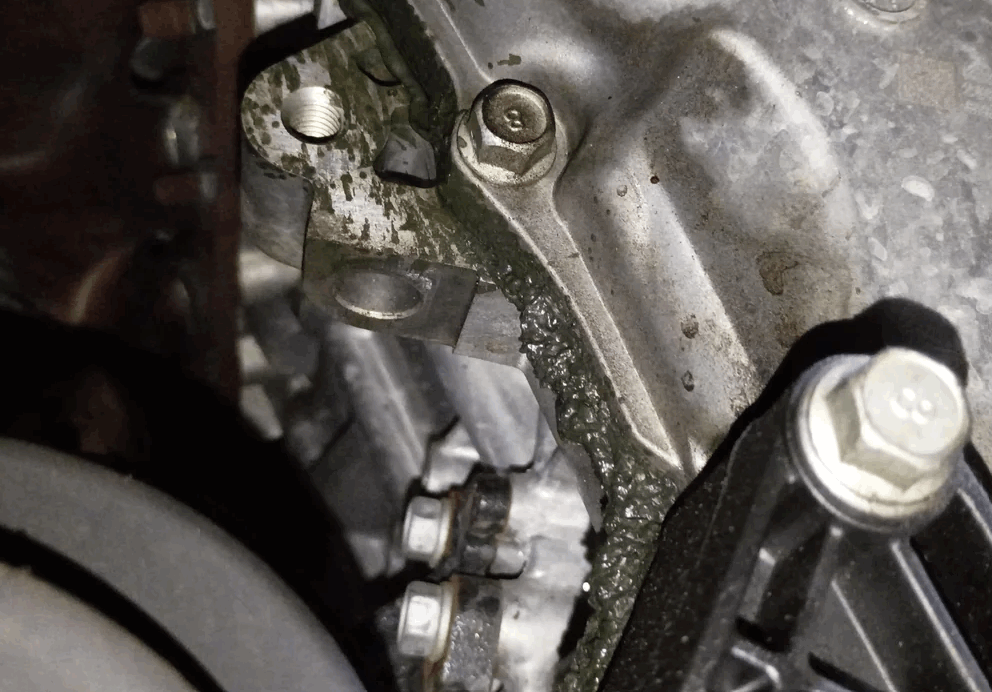
What Causes a Hyundai Palisade Oil Leak?
A Hyundai Palisade oil leak usually starts from damaged sealing components, loose oil system parts, or normal wear inside the engine. The engine relies on gaskets, seals, and fastened connections to keep oil inside the lubrication system. When these components fail, engine oil can escape and create visible leaks.
There are 5 common causes of Hyundai Palisade oil leaks: worn gaskets, damaged engine seals, loose oil filters, faulty drain plugs, and excessive oil pressure. Each cause affects a different part of the engine and requires a different repair approach. Identifying the exact source helps owners avoid replacing unnecessary components.
The engine oil system contains multiple sealing points that prevent leaks during operation. These components experience heat, vibration, and pressure every time the vehicle runs. Over time, repeated exposure to these conditions can reduce the ability of seals and gaskets to maintain a tight barrier.
Damaged or Worn Engine Gaskets
Worn engine gaskets are one of the most common reasons for Hyundai Palisade oil leaks. Gaskets create a seal between connected engine parts, such as the valve cover and cylinder head. When the gasket material becomes brittle or loses flexibility, oil can pass through small gaps.
The valve cover gasket is a common leak point because it sits near the top of the engine and experiences constant temperature changes. A failing valve cover gasket can allow oil to move down the engine surface and create a burning oil smell if the oil reaches hot exhaust components.
The oil pan gasket can also cause leaks because it seals the lower section of the engine where oil collects. A damaged oil pan gasket usually creates oil drops under the vehicle after it has been parked for several hours.
Damaged Engine Seals
Damaged engine seals can cause Hyundai Palisade oil leaks by allowing oil to escape from rotating engine components. Engine seals prevent oil from leaking around parts such as the crankshaft and camshaft. When these seals wear out, oil can leak into areas that should remain dry.
Rear main seal leaks are usually more complex because the seal connects the engine block and transmission area. Repairing this type of leak often requires significant labor because technicians may need to separate major vehicle components to access the damaged seal.
Timing cover seals can also develop leaks over time. These leaks may appear near the front section of the engine and require inspection to confirm the exact source.
Loose Oil Filter or Drain Plug Problems
Loose oil filters and drain plugs can create Hyundai Palisade oil leaks after an oil change. These components control the flow of engine oil during maintenance and must have proper installation and sealing.
A loose oil filter can allow oil to escape immediately after an oil change. A damaged drain plug washer can also prevent a complete seal and create slow oil leakage from the bottom of the engine.
Maintenance-related leaks are usually easier to repair than internal engine seal failures. However, owners should address them quickly because continuous oil loss can reduce engine protection.
What Are the Symptoms of a Hyundai Palisade Oil Leak?
A Hyundai Palisade oil leak creates clear warning signs that help owners identify the problem early. The main symptoms include oil spots under the vehicle, a burning oil smell, low engine oil levels, warning lights, and increased oil consumption. These signs show that engine oil is escaping from the lubrication system and may reduce engine protection.
Oil spots under the vehicle are one of the most common Hyundai Palisade oil leak symptoms. Engine oil usually appears as dark brown or black fluid near the front or middle area of the vehicle. Small drops may indicate a slow leak from a gasket or seal, while larger puddles often suggest a more serious leak.
A burning oil smell can indicate that leaking oil reaches hot engine components. This problem often happens when oil escapes from areas such as the valve cover gasket and contacts heated surfaces. Drivers may notice the smell after driving because engine temperature increases during operation.
Low engine oil levels and warning lights indicate that the leak affects the engine lubrication system. The engine needs enough oil to reduce friction and control heat. If the oil pressure warning light appears, drivers should inspect the vehicle quickly because insufficient oil pressure can increase engine wear.
Early identification of these symptoms helps Hyundai Palisade owners prevent larger repairs and maintain engine reliability.
Where Does a Hyundai Palisade Oil Leak Usually Come From?
A Hyundai Palisade oil leak usually comes from specific areas where engine oil passes through seals, gaskets, and maintenance components. The most common leak locations include the top of the engine, the bottom of the engine, the oil filter area, and engine seal locations. Finding the leak location helps determine the damaged component and the required repair.
The position of an oil stain can provide useful diagnostic information. Oil leaking from the upper engine area often points to gasket problems, while oil collecting under the vehicle may come from the oil pan or lower engine components. However, oil can spread across engine surfaces, so a professional inspection may still be necessary.
Oil Leaking From the Top of the Engine
Oil leaking from the top of a Hyundai Palisade engine often comes from a damaged valve cover gasket. The valve cover protects the upper engine components and uses a gasket to prevent oil from escaping. When the gasket becomes worn, oil can move down the side of the engine.
Drivers may notice oil residue around the valve cover area or a burning oil smell during operation. The smell occurs when leaking oil reaches hot engine parts. Replacing the damaged gasket usually resolves this type of leak.
Oil Leaking From the Bottom of the Engine
Oil leaking from the bottom of a Hyundai Palisade often indicates a problem with the oil pan gasket or drain plug. The oil pan stores engine oil before the oil pump circulates it through the engine. A damaged gasket can allow oil to drip onto the ground.
A loose drain plug or damaged drain plug washer can also create leakage after an oil change. These problems usually require simple repairs, but owners should address them quickly to prevent continuous oil loss.
Oil Leaking From Engine Seals and Oil System Components
Engine seals and oil system components can also create Hyundai Palisade oil leaks. Components such as the rear main seal, timing cover seal, oil filter, and oil filter housing help control oil flow.
Leaks from engine seals often require more complex repairs because technicians need more time to access the damaged area. Identifying the exact source prevents unnecessary part replacement and helps maintain long term engine reliability.
How Do You Diagnose a Hyundai Palisade Oil Leak?
Diagnosing a Hyundai Palisade oil leak starts by finding the exact source of the oil loss. The process includes checking oil levels, inspecting visible signs, and identifying damaged components such as gaskets, seals, filters, or drain plugs. Accurate diagnosis helps owners avoid unnecessary repairs and protects the engine from further damage.
Checking the engine oil level is the first step in identifying a possible oil leak. A lower oil level than expected can indicate that engine oil escapes from the lubrication system. Owners should also inspect the area under the vehicle for oil stains and check for oil residue around the engine compartment.
Finding the leak location helps determine the failed component. Oil near the top of the engine often points to a valve cover gasket problem. Oil under the vehicle may indicate an oil pan gasket, drain plug, or oil filter issue. Since oil can spread across engine surfaces while driving, the visible oil location may not always show the original leak source.
Professional inspection provides a more accurate diagnosis for difficult Hyundai Palisade oil leaks. Mechanics may clean the engine area, monitor fresh oil movement, and use leak detection methods to locate small leaks. For hidden problems, such as engine seal failures, advanced inspection helps identify the correct repair.
A proper Hyundai Palisade oil leak diagnosis focuses on the cause instead of only the visible oil marks. This approach ensures the repair addresses the damaged component and prevents repeated oil leakage.
How Much Does It Cost to Repair a Hyundai Palisade Oil Leak?
The cost to repair a Hyundai Palisade oil leak depends on the damaged component, labor time, and repair complexity. Minor leaks from parts such as drain plugs or oil filters usually cost less to fix, while engine seal repairs can require more labor and create higher repair costs. Identifying the exact leak source is the first step to estimating the repair expense.
Simple Hyundai Palisade oil leak repairs usually involve replacing small sealing components. A damaged drain plug washer, loose oil filter, or minor gasket issue often requires less time because technicians can access these parts easily. These repairs usually include inspection, replacement parts, and fresh engine oil.
More complex oil leaks require additional labor because technicians must access difficult engine areas. Repairs involving valve cover gaskets, oil pan gaskets, rear main seals, or timing cover seals may take longer. The repair cost increases when technicians need to remove other engine components before reaching the damaged area.
Several factors influence Hyundai Palisade oil leak repair costs. The main factors include the leaking component, vehicle condition, labor rates, and whether additional engine problems exist. For example, replacing a worn gasket requires a different repair process than fixing an internal engine seal failure.
Owners should avoid choosing repairs based only on the visible oil stain. A correct diagnosis identifies the failed component and prevents repeated repairs. Addressing a Hyundai Palisade oil leak early can reduce long term maintenance expenses and protect engine reliability.
Is It Safe to Drive a Hyundai Palisade With an Oil Leak?
Driving a Hyundai Palisade with an oil leak is not always safe because the risk depends on the leak severity and the remaining oil level. A small oil seepage may allow short distance driving, but an active leak can reduce engine lubrication and increase the chance of serious damage. Owners should inspect the problem as soon as they notice oil loss.
A minor Hyundai Palisade oil leak requires regular monitoring to prevent it from becoming a larger problem. Small leaks from aging gaskets or seals may develop slowly. Drivers should check the oil level frequently and schedule an inspection before the leak affects engine performance.
A serious oil leak requires immediate attention because the engine depends on oil for protection. Engine oil reduces friction between moving parts and helps control heat. When oil levels drop too low, internal engine components can experience increased wear and may suffer permanent damage.
Drivers should stop operating a Hyundai Palisade when they notice warning signs of severe oil loss. These signs include an oil pressure warning light, large oil puddles under the vehicle, smoke from the engine area, or unusual engine noises. These symptoms indicate that the lubrication system may no longer protect the engine properly.
Continuing to drive with an unresolved oil leak can increase repair costs and create additional engine problems. Early inspection allows owners to repair the actual cause before the leak affects major engine components.
How Can You Prevent Hyundai Palisade Oil Leaks?
Preventing Hyundai Palisade oil leaks requires regular maintenance, correct oil service, and early inspection of engine components. Most oil leaks develop because sealing parts wear over time or maintenance problems remain unresolved. A consistent maintenance routine helps protect gaskets, seals, and other oil system components from premature failure.
Following the recommended maintenance schedule helps reduce the risk of Hyundai Palisade oil leaks. Regular oil changes allow technicians to inspect the engine for early signs of gasket wear, oil residue, and damaged components. Routine inspections can identify small problems before they become larger repairs.
Using the correct engine oil and replacing oil filters properly helps maintain the lubrication system. Engine oil must meet the vehicle manufacturer’s specifications to support proper engine performance. A damaged or incorrectly installed oil filter can create leakage around the filter housing and reduce oil system reliability.
Checking engine oil levels regularly helps owners detect problems before serious damage occurs. A sudden drop in oil level may indicate an active leak or increased oil consumption. Drivers should also pay attention to warning signs such as oil stains, burning smells, or unusual engine noises.
Inspecting gaskets and seals during regular service helps prevent future Hyundai Palisade oil leaks. Components such as valve cover gaskets, oil pan gaskets, and engine seals experience continuous heat and pressure during operation. Replacing worn parts at the right time prevents oil loss and protects long term engine performance.
Proper maintenance does not eliminate every possible oil leak, but it reduces common causes and helps Hyundai Palisade owners maintain a reliable engine.