Toyota Highlander trim packages give buyers different combinations of comfort, technology, interior materials, drivetrain options, and convenience features within the same three-row SUV. Lower trims focus on essential equipment and a lower purchase price, while higher trims add premium cabin features, upgraded technology, larger wheels, and additional comfort equipment. The exact trim lineup, pricing, and equipment depend on the Highlander model year.
Choosing the right Highlander trim requires more than comparing the number of standard features. The important question is whether the upgrades on the next trim provide enough practical value to justify the additional cost. A family may prioritize seating configuration and everyday convenience, while another buyer may place greater value on AWD availability, premium interior materials, or hybrid options.
This guide compares the Toyota Highlander trim packages from the base configuration through the higher-end trims. It explains what each trim adds, how the trim levels differ in price and equipment, and which configurations make the most sense for specific buyers. It also covers AWD, hybrid, towing, family-oriented features, and premium equipment to help you determine which Toyota Highlander trim best matches your priorities.
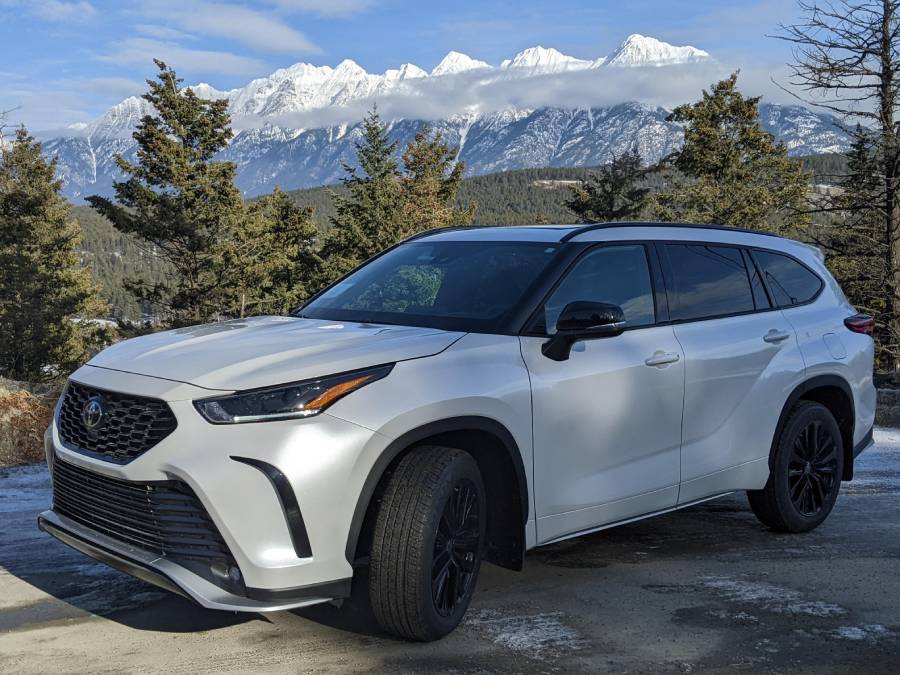
What Toyota Highlander Trim Packages Are Available?
Toyota Highlander trim packages vary by model year, with each trim representing a different combination of price, interior comfort, technology, exterior equipment, and convenience features. Toyota structures the Highlander lineup as a progression: entry-level trims cover the essential features expected from a three-row SUV, mid-level trims add comfort and technology, and upper trims focus more heavily on premium equipment.
The trim hierarchy matters because moving to a higher Toyota Highlander trim does not replace the vehicle with a fundamentally different SUV. Instead, each step generally builds on the equipment available below it. Depending on the model year, these upgrades can include larger wheels, upgraded upholstery, heated or ventilated seats, additional driver-assistance or convenience technology, larger infotainment displays, premium audio equipment, and higher-grade exterior details. Powertrain and drivetrain availability can also differ across the lineup, so buyers should compare more than cabin features when evaluating two trims.
The exact Toyota Highlander trim levels must be identified by model year before comparing individual packages. Toyota has changed the Highlander lineup over time, meaning a trim name available in one model year may be discontinued, introduced, repositioned, or equipped differently in another. The same rule applies to starting MSRP and optional packages. For that reason, trim comparisons should always use specifications from the same model year rather than combining equipment from different Highlander generations or production years.
For buyers, the most useful way to view the lineup is as a price-to-equipment ladder. The lowest trim is designed for buyers who prioritize essential equipment and purchase price. Mid-range trims target buyers willing to spend more for features they use regularly, such as upgraded seating materials and additional cabin conveniences. Higher trims make more sense for buyers who specifically want luxury-oriented equipment rather than simply the core functionality of a Toyota Highlander.
What Features Come Standard on the Base Toyota Highlander Trim?
The base Toyota Highlander trim establishes the standard powertrain, seating, safety, infotainment, and convenience equipment that buyers receive without paying for a higher trim. These standard features provide the correct baseline for evaluating every subsequent upgrade because a feature already included on the base vehicle should not be counted again as an advantage of a more expensive trim.
The first areas to examine are the powertrain and drivetrain. Buyers should identify the standard engine or hybrid system for the applicable model year, whether front-wheel drive or all-wheel drive is standard or optional, and whether drivetrain availability changes farther up the trim hierarchy. These specifications affect performance, fuel consumption, capability, and purchase price more substantially than cosmetic differences such as wheel designs or exterior trim pieces.
Seating and cabin equipment form the second part of the baseline. The Highlander is designed as a multi-row family SUV, but seating capacity and second-row configuration can vary according to trim and model year. The base trim should therefore be evaluated for its seating arrangement, upholstery, climate-control system, storage, connectivity, infotainment display, smartphone integration, and other equipment used during everyday driving. A higher trim creates meaningful value when its additional features solve a practical need rather than simply increasing the total feature count.
Safety equipment is equally important when comparing Highlander trims. Toyota equips Highlander models with a collection of active and passive safety technologies, while the exact Toyota Safety Sense version and individual functions depend on the model year. Buyers should separate safety technology that is standard across the lineup from equipment restricted to particular trims or packages. This prevents a higher trim from appearing more valuable simply because a comparison repeats safety features already included on the entry-level model.
The base Highlander is therefore the reference point for the entire trim comparison. Buyers who are satisfied with its powertrain, seating arrangement, safety technology, infotainment system, and everyday convenience features have less reason to pay for a higher trim. Buyers who specifically want upgraded cabin materials, additional comfort technology, larger displays, premium exterior equipment, or other convenience features should then compare the incremental cost of moving up the trim hierarchy.
What Does Each Toyota Highlander Trim Add?
Each Toyota Highlander trim adds a specific group of comfort, technology, interior, or exterior upgrades over the trim below it. The most useful way to compare the lineup is therefore to examine incremental differences rather than repeat every standard feature for every trim. This shows buyers exactly what they receive for the additional cost of moving up one level.
The first upgrade above the base trim generally focuses on everyday convenience and cabin comfort. Depending on the model year, the added equipment can involve upgraded seating materials, additional seat adjustments, heated front seats, larger wheels, enhanced exterior details, or additional convenience technology. These changes matter most to buyers who find the base Highlander adequately equipped mechanically but want a more comfortable vehicle for regular commuting or family use.
Mid-level Highlander trims typically represent a larger step toward comfort and technology. This part of the lineup is important for value-focused buyers because it can combine practical upgrades with a smaller price premium than the highest trims. Equipment differences may involve a larger infotainment display, upgraded upholstery, additional driver conveniences, enhanced climate features, improved seating functions, or other cabin technology. The value of the upgrade depends on how frequently the buyer will use these features rather than the total number of additions.
Upper-level trims shift the emphasis from essential equipment toward premium materials and convenience. Depending on the applicable model year, Toyota may differentiate these trims through higher-grade upholstery, heated and ventilated seating, premium audio, upgraded displays, larger or distinctive wheels, additional exterior detailing, and more advanced cabin amenities. These features change the ownership experience more than the fundamental purpose of the Highlander as a three-row SUV.
The highest Highlander trim is generally intended for buyers who want the most comprehensive factory equipment without selecting individual upgrades separately. Its primary advantage is feature completeness rather than basic transportation capability. A buyer may receive premium interior materials, additional seat functions, higher-grade technology, distinctive exterior equipment, and convenience features that are unavailable or optional farther down the range. However, this also means the highest trim should be evaluated carefully on price-to-feature value because many of its core driving, safety, and utility functions may already exist on lower trims.
The practical difference between Toyota Highlander trims can therefore be summarized as a progression from essential equipment to added convenience, then enhanced comfort, and finally premium equipment. Buyers should identify the first trim that contains all of their must-have features and compare its price with the trim directly below it. Paying for the next level makes sense when the additional equipment solves a specific need or replaces options the buyer would otherwise add separately.
How Do Toyota Highlander Trim Levels Compare?
Toyota Highlander trim levels are best compared by price, seating configuration, drivetrain availability, interior equipment, technology, and the features added over the preceding trim. Comparing these attributes side by side prevents premium cosmetic equipment from carrying the same decision-making weight as functional differences such as seating or drivetrain.
A useful Highlander trim comparison should follow this structure:
| Trim | Starting MSRP | Seating | Drivetrain | Key Features | Best For |
|---|---|---|---|---|---|
| Base trim | Model-year MSRP | Model-year configuration | FWD/AWD availability | Essential standard equipment | Lowest purchase price |
| Lower-mid trim | Model-year MSRP | Model-year configuration | FWD/AWD availability | Added comfort and convenience | Everyday comfort |
| Mid-level trim | Model-year MSRP | Model-year configuration | FWD/AWD availability | More technology and cabin upgrades | Price-to-feature value |
| Premium trim | Model-year MSRP | Model-year configuration | FWD/AWD availability | Premium interior and convenience features | Comfort-focused buyers |
| Highest trim | Model-year MSRP | Model-year configuration | FWD/AWD availability | Most comprehensive equipment | Maximum luxury |
The best trim is not automatically the highest trim. A higher Highlander trim provides greater equipment content, but its additional features must justify the price increase for the individual buyer. For example, a household that prioritizes seating, safety, and smartphone connectivity may find that a lower or mid-level configuration already provides everything it needs. A buyer who specifically wants premium upholstery, ventilated seats, upgraded audio, or other luxury-oriented equipment has a stronger reason to move farther up the lineup.
The comparison should also separate standard equipment from optional equipment. An optional feature or package does not provide the same value proposition as equipment included in the trim’s starting price. Similarly, drivetrain choices can change the final transaction price, so two Highlanders carrying different drivetrains should not be treated as directly equivalent simply because they share the same trim name.
Once the model year is fixed, this comparison can be populated with the exact trim names, MSRP, seating capacity, drivetrain availability, and model-year-specific features. Using one model year throughout the table is necessary because Toyota can change trim names, equipment, packages, and pricing between production years.
How Much Does Each Toyota Highlander Trim Cost?
Toyota Highlander pricing increases as each trim adds more comfort, technology, exterior, and premium interior equipment. The exact starting MSRP depends on the model year, drivetrain, and powertrain, so trim prices should always be compared within the same Highlander model year. Optional AWD, accessories, destination charges, and dealer-installed equipment can also make the final vehicle price higher than the trim’s advertised starting MSRP.
The price difference between two adjacent trims is more useful than comparing only the cheapest and most expensive Highlander. A relatively small increase can provide several frequently used features, such as upgraded seating materials, heated seats, additional seat adjustments, or enhanced infotainment equipment. In contrast, price increases near the top of the lineup tend to pay for premium materials, larger wheels, upgraded audio, additional seat functions, and luxury-oriented details rather than major changes to the Highlander’s basic utility.
Buyers should therefore calculate the value of an upgrade by comparing additional cost against additional standard equipment. For example, paying more for a trim that includes three features already on a buyer’s must-have list can be more economical than purchasing a lower trim and attempting to add comparable equipment separately. The same upgrade provides less value to a buyer who will rarely use those features.
Drivetrain and powertrain also need to be separated from trim pricing. An AWD Highlander can cost more than a comparable FWD configuration even when both vehicles carry the same trim designation. Hybrid availability can introduce another pricing variable. Comparing MSRP without controlling for these configurations can make one trim appear more expensive because of its mechanical specification rather than its actual trim-level equipment.
For this reason, the final model-year comparison should show the starting MSRP of every trim alongside its most important incremental upgrades. This makes the pricing hierarchy useful for a purchase decision rather than presenting a list of numbers without context.
Which Toyota Highlander Trim Offers the Best Value?
The best-value Toyota Highlander trim is generally the configuration that adds the most frequently useful comfort and technology features without requiring buyers to pay for luxury equipment they do not need. The exact trim that meets this definition depends on the model year because Toyota changes standard equipment, trim positioning, and pricing over time.
There are 4 attributes that should determine value: price premium, standard equipment, frequency of feature use, and availability of the required drivetrain or powertrain. Price premium measures how much more the trim costs than the configuration below it. Standard equipment identifies what that additional money actually purchases. Frequency of use distinguishes practical upgrades, such as heated seats or upgraded infotainment, from features that matter only to particular buyers. Drivetrain and powertrain availability determine whether the trim can satisfy the buyer’s fundamental vehicle requirements.
Mid-range trims deserve particular attention because they often sit between two compromises. Entry-level configurations prioritize acquisition cost, while upper trims devote a greater share of their price to premium materials and luxury-oriented equipment. A well-equipped mid-range Highlander can provide the comfort and technology a family uses every day without reaching the price of the most comprehensively equipped version.
However, best value and lowest price are not the same designation. The base trim can be the better purchase for someone who needs standard safety, seating, connectivity, and core SUV functionality without additional comfort equipment. Conversely, an upper trim can deliver better personal value to someone who already plans to purchase several premium features. Value depends on how much relevant equipment each additional dollar buys, not simply where the trim sits in the lineup.
The final recommendation should therefore identify one specific best-value trim after the model year is established. That recommendation should be supported by its exact MSRP premium and the specific features added over the trim immediately below it, allowing buyers to see precisely what they receive for the additional cost.
Which Toyota Highlander Trim Is Best for Families?
The best Toyota Highlander trim for families is the trim that combines the required seating configuration with practical comfort, safety, and convenience features without adding unnecessary luxury equipment. Family buyers should prioritize features used during daily transportation before considering cosmetic upgrades or premium materials.
There are 5 main attributes to compare for family use: seating configuration, second-row access, climate comfort, safety technology, and cargo practicality. Seating configuration determines how many passengers the Highlander can accommodate, while the second-row layout affects access to the third row. This distinction becomes important for households that regularly carry children or additional adult passengers. The availability of a second-row bench or captain’s chairs can also vary by trim and model year.
Climate and convenience equipment become more valuable when several passengers use the vehicle regularly. Features such as multi-zone climate control, heated seats, power-adjustable front seats, additional charging connections, hands-free cargo access, and upgraded infotainment can reduce everyday inconvenience. A feature used during nearly every family trip provides a stronger reason to upgrade than an exterior design element that has little effect on vehicle usability.
Safety equipment should be compared in the same way. Buyers need to identify which Toyota Safety Sense and driver-assistance functions are standard across the Highlander lineup before paying more for a higher trim. If the core safety technologies are already standard on lower trims, the family-oriented argument for upgrading should instead be based on the additional safety, visibility, parking, or convenience systems actually introduced by the higher trim.
A mid-level Highlander is generally the strongest starting point for a family-focused comparison because it can add frequently used cabin conveniences without moving fully into luxury-oriented pricing. The final recommendation, however, should be based on the exact model-year lineup. The selected family trim must provide a measurable advantage in seating, comfort, or everyday usability over the configuration immediately below it.
Which Toyota Highlander Trim Has the Most Luxury Features?
The highest-positioned Toyota Highlander trim generally provides the most luxury features because Toyota uses the top of the trim hierarchy for its most comprehensive combination of premium interior, comfort, technology, and exterior equipment. These upgrades are designed primarily to improve cabin experience and equipment completeness rather than change the Highlander’s fundamental role as a three-row SUV.
Luxury differences are most visible in 5 areas: upholstery, seating functions, cabin technology, audio equipment, and exterior detailing. Depending on the model year, an upper trim can introduce higher-grade seating materials, heated and ventilated seats, additional power adjustments, larger displays, upgraded sound systems, distinctive wheels, or other premium cabin and exterior treatments. The exact feature list must be verified against the applicable model year because equipment can move between trims over time.
Premium equipment also needs to be separated into standard and optional features. A feature available as an option on a lower trim reduces the need to move to the highest trim when that feature is the buyer’s only priority. Conversely, the top trim becomes more attractive when a buyer wants several premium features that are bundled as standard equipment rather than individually available farther down the lineup.
The highest trim is therefore most suitable for a buyer who values maximum factory equipment and cabin refinement more than minimizing purchase price. It is less compelling for someone whose priorities are passenger capacity, core safety equipment, basic connectivity, and transportation utility because lower Highlander trims can already address those requirements.
For this reason, luxury and value should remain separate recommendations. The trim with the most premium equipment can be the clear choice for a luxury-focused buyer without being the best Toyota Highlander trim for the average buyer. The final model-year comparison should quantify that distinction by showing both the price increase and the exclusive or newly standard features received at the top of the lineup.
Which Toyota Highlander Trims Are Available With AWD?
Toyota Highlander AWD availability depends on the trim, powertrain, and model year, with all-wheel drive offered either as an option or as part of specific configurations. Buyers should therefore compare drivetrain availability separately from interior and technology upgrades when choosing a Highlander trim.
AWD changes how engine power reaches the wheels rather than simply adding another comfort feature. The system can improve traction when accelerating on wet, snowy, loose, or otherwise low-grip surfaces by distributing power beyond the front wheels when conditions require it. This makes AWD particularly relevant for buyers who regularly encounter winter weather, unpaved roads, steep terrain, or other conditions where additional traction is useful.
The main purchasing distinction is whether AWD is standard or optional on the desired trim. An optional AWD system increases the effective price of that configuration, so comparing the starting MSRP of an FWD trim with the price of an AWD-equipped higher trim does not produce an equivalent comparison. Buyers should first select the equipment level they need and then compare drivetrain costs within equivalent configurations.
AWD should also be distinguished from the Highlander’s other capability attributes. Choosing AWD does not automatically increase seating capacity, cargo volume, luxury equipment, or maximum towing capacity. Those characteristics depend on the applicable vehicle configuration and specifications. Buyers who need AWD should therefore treat drivetrain as a primary requirement and then evaluate trim features around that requirement.
The final model-year trim table should identify FWD availability, AWD availability, and whether AWD is standard or optional for each Toyota Highlander trim. This gives buyers a clearer picture of the actual cost of obtaining both their preferred equipment level and drivetrain.
Which Toyota Highlander Trims Are Available as Hybrids?
Toyota Highlander Hybrid availability depends on the model year and trim lineup, so buyers should verify which trims can be paired with the hybrid powertrain before comparing equipment. A Highlander trim name identifies an equipment level, while the hybrid designation identifies the vehicle’s powertrain configuration. The two attributes should not be treated as interchangeable.
The primary reason to consider a Highlander Hybrid is its different approach to fuel consumption and power delivery. A hybrid system combines an internal-combustion engine with electric propulsion components, allowing the vehicle to reduce gasoline use under suitable operating conditions compared with a comparable non-hybrid configuration. The actual fuel-economy difference depends on the specific model year, drivetrain, driving environment, and vehicle specification.
Hybrid availability can also affect the effective price of a trim. A buyer comparing two Highlanders should therefore control for trim level, powertrain, and drivetrain rather than comparing their starting prices alone. For example, a price difference between a gasoline FWD configuration and a hybrid AWD configuration cannot be attributed entirely to the trim package because both the powertrain and drivetrain have changed.
The financial value of choosing a hybrid also differs from the value of moving to a higher trim. Paying for a higher trim primarily purchases additional equipment, while paying for a hybrid powertrain changes how the vehicle produces and uses energy. A buyer focused on premium seating or cabin technology should evaluate trim upgrades. A buyer focused on gasoline consumption should compare powertrains first and then choose among the compatible trim levels.
The best Highlander Hybrid trim is therefore not automatically the highest hybrid-compatible trim. The stronger choice is the lowest compatible trim that contains the buyer’s required comfort, technology, seating, and convenience equipment. Once the target model year is established, the comparison should identify every hybrid-compatible trim and show the relevant price and equipment differences without mixing gasoline and hybrid specifications.
Which Toyota Highlander Trim Is Best for Towing?
The best Toyota Highlander trim for towing is the configuration that combines the required towing capacity with the correct powertrain and towing equipment, rather than simply the highest trim in the lineup. Trim level alone does not determine how much a Highlander can tow. Powertrain, drivetrain, vehicle configuration, and manufacturer-rated limits must also be considered.
There are 4 specifications to check before choosing a Highlander for towing: maximum towing capacity, powertrain, drivetrain, and required towing equipment. Maximum towing capacity establishes the manufacturer’s upper limit for a specific configuration. The powertrain affects the vehicle’s ability to produce and deliver power under load, while drivetrain configuration can influence traction. Required towing equipment determines whether the vehicle is properly configured to achieve the published rating.
This distinction prevents a common mistake when comparing Highlander trims. A more expensive trim can provide leather upholstery, larger wheels, premium audio, or additional cabin technology without increasing its towing rating. Conversely, a lower trim equipped with the appropriate powertrain and towing-related equipment may satisfy the same towing requirement for less money. Buyers should therefore identify the required trailer weight first and use trim features as a secondary selection criterion.
Trailer weight also should not be compared directly with the maximum towing rating without considering the complete load. Passengers, cargo, accessories, and trailer-related loads affect how the vehicle is used within its limits. Buyers planning to tow regularly should follow the towing specifications and loading limits published for their exact Highlander model year and configuration rather than applying a rating from another trim or production year.
For a towing-focused buyer, the best-value Highlander is the lowest trim that provides the required towing capability and necessary equipment while still meeting the buyer’s comfort and technology requirements. Once the model year is fixed, the final comparison should identify the applicable towing rating and powertrain instead of assuming that every Highlander trim has identical capability.
Is It Worth Upgrading to a Higher Toyota Highlander Trim?
Upgrading to a higher Toyota Highlander trim is worth the additional cost when the next trim adds features the buyer will use regularly and those features justify the price difference. Moving up the lineup provides less value when the additional cost is primarily paying for cosmetic or luxury equipment that the buyer does not prioritize.
There are 4 factors to evaluate before upgrading: price difference, exclusive features, frequency of use, and alternative availability. The price difference shows the actual financial cost of moving up one trim. Exclusive features identify equipment that cannot be obtained on the lower configuration. Frequency of use measures the practical value of those upgrades, while alternative availability determines whether a desired feature can be added through an optional package without purchasing the higher trim.
A lower Highlander trim makes sense for buyers whose priorities are basic transportation, passenger capacity, standard safety technology, connectivity, and a lower purchase price. If these requirements are already satisfied, moving higher in the lineup primarily increases equipment content rather than solving a functional limitation. Keeping the lower trim preserves the core capabilities of the Highlander while reducing the initial vehicle cost.
A mid-level trim is more appropriate when buyers want several comfort and technology upgrades they will use frequently. Heated seating, upgraded upholstery, improved infotainment, additional seat functions, or convenience equipment can collectively justify the price increase when they are part of everyday vehicle use. This is why the middle of the trim hierarchy deserves close attention from buyers seeking a balance between equipment and price.
Upper Highlander trims make the strongest case for buyers who deliberately prioritize premium equipment. Higher-grade interior materials, ventilated seating, premium audio, larger displays, distinctive exterior details, and other luxury-oriented features can make the cabin more comfortable and refined. These upgrades have clear value for a buyer who wants them, but they do not automatically make the vehicle more practical for every household.
The upgrade decision should ultimately be made one trim at a time. Compare the next Highlander trim with the trim directly below it, calculate the additional price, and identify exactly which new standard features that price buys. Stop moving up the hierarchy when the next price increase primarily adds equipment outside your priorities. This method identifies the appropriate trim based on usable value instead of assuming that more standard features always produce a better purchase.
Read more: How to Reset Maintenance Light on Toyota Highlander (All Model Years)
Which Toyota Highlander Trim Should You Buy?
The Toyota Highlander trim you should buy is the lowest trim that provides all of your required seating, drivetrain, comfort, technology, and capability features. Moving beyond that point increases the purchase price for equipment that may provide less practical value. The right trim therefore depends on which attributes are requirements and which are preferences.
There are 6 main buyer priorities to consider: lowest purchase price, overall value, family use, luxury, AWD availability, and hybrid availability. Separating these priorities makes the trim decision easier because the Highlander configuration that works best for one buyer is not automatically the strongest choice for another.
| Buyer Priority | Recommended Trim Strategy | Main Reason |
|---|---|---|
| Lowest purchase price | Base or lowest applicable trim | Provides core Highlander equipment without paying for premium upgrades |
| Best overall value | Mid-level trim | Balances frequently used comfort and technology features with purchase price |
| Family use | Lower-mid or mid-level trim | Prioritizes seating, cabin convenience, safety, and everyday comfort |
| Premium features | Upper-level trim | Adds higher-grade interior and convenience equipment |
| Maximum luxury | Highest trim | Provides the most comprehensive factory equipment |
| AWD or hybrid | Lowest compatible trim meeting other requirements | Avoids paying for unrelated upgrades solely to obtain the preferred configuration |
Budget-focused buyers should begin with the base Highlander and identify what is actually missing. The base trim is the logical choice when its standard seating, safety, connectivity, drivetrain availability, and cabin equipment already satisfy the buyer’s requirements. Paying for a higher trim solely because it has a longer equipment list does not improve value when those additional features are not needed.
Value-focused and family buyers should compare the middle of the Highlander lineup closely. Mid-level trims can add features used on a regular basis without requiring buyers to pay for every luxury feature available at the top of the range. Seating configuration, climate comfort, infotainment, interior materials, cargo convenience, and driver-assistance equipment are more relevant to this decision than decorative exterior upgrades.
Luxury-focused buyers have a different purchasing objective. An upper or top Highlander trim is appropriate when premium cabin equipment is itself a requirement. Higher-grade upholstery, heated or ventilated seating, premium audio, larger displays, upgraded wheels, and additional convenience technology can justify the higher price when the buyer specifically values those features.
AWD and hybrid buyers should select the mechanical configuration before choosing luxury equipment. Determine which trims support the required drivetrain or powertrain for the applicable model year, eliminate incompatible trims, and then compare equipment among the remaining choices. This prevents a buyer from paying for a higher trim when a less expensive configuration already provides the required AWD or hybrid setup.
The final decision should be based on incremental value rather than trim position. Start with the least expensive compatible Highlander, move upward one trim at a time, and compare the additional price with the new standard features at each step. The appropriate stopping point is the first trim that contains every must-have feature without adding a substantial amount of equipment that falls outside the buyer’s priorities.
For most buyers, this approach makes a well-equipped mid-level Highlander the first configuration worth examining, while the base and highest trims serve more specific objectives: minimizing purchase price at one end and maximizing factory equipment at the other. The exact best trim should be selected only after matching this framework to the model year, current trim lineup, MSRP, and model-year-specific equipment.