The 6.0 Powerstroke uses heavy duty diesel engine oil that meets Ford’s required oil specifications. Common viscosity grades include 15W40 and 5W40. The right viscosity depends on ambient temperature, driving conditions, and engine use.
Oil plays two important roles in the 6.0L Power Stroke. It lubricates moving engine components and supports the Hydraulic Electronic Unit Injector system. This system uses high pressure engine oil to operate the fuel injectors. For this reason, oil viscosity and condition can affect cold starts, lubrication, and injector operation.
Temperature also influences oil selection. 5W40 flows more easily during cold starts than 15W40. In warmer conditions, 15W40 provides another common viscosity option for the engine. Owners should consider the required oil specification before choosing either grade.
Proper oil maintenance involves more than selecting a viscosity. Owners also need to know the correct oil capacity, filter requirements, and change interval. Towing and extreme temperatures can also affect oil choice and maintenance needs. This guide explains each factor so you can choose the right 6.0 Powerstroke oil for your driving conditions.
What Oil Type Does a 6.0 Powerstroke Take?
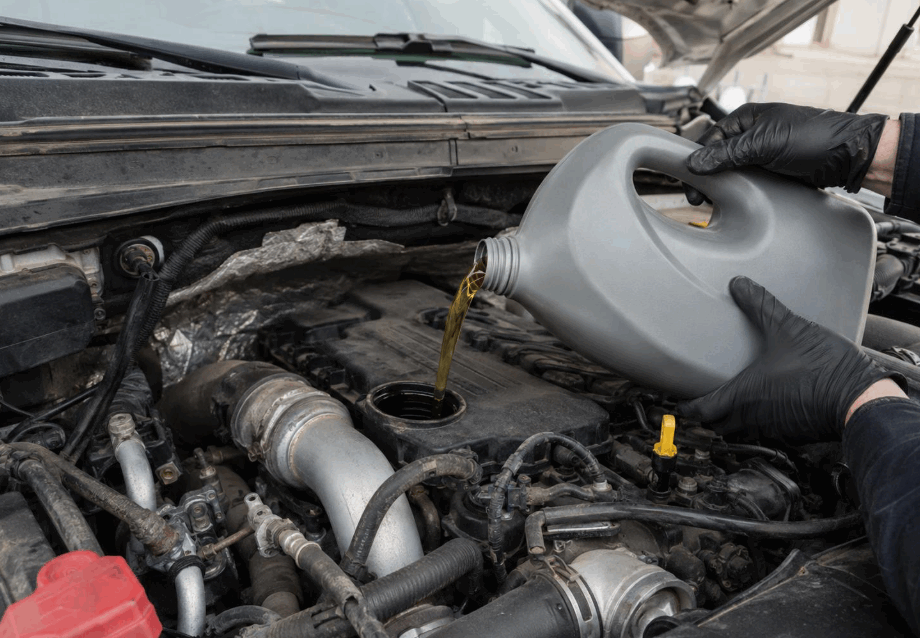
A 6.0 Powerstroke takes heavy duty diesel engine oil that meets the required Ford and API specifications for the engine. The correct oil must provide reliable lubrication and support the engine’s high pressure oil system. Owners should check both the oil specification and SAE viscosity grade before choosing an oil.
Viscosity describes how easily the oil flows at different temperatures. Common choices for the 6.0 Powerstroke include 15W40 and 5W40. These grades do not represent different types of engines or lubrication systems. Instead, they describe the oil’s viscosity characteristics in cold and hot conditions. Ambient temperature plays an important role when choosing between them.
The oil specification serves a different purpose. It identifies the performance standards that the oil meets. These standards address factors such as engine protection, deposit control, oxidation, and diesel operating conditions. An oil with a suitable viscosity is not automatically the right choice if it fails to meet the required specification.
Oil choice matters more on the 6.0L Power Stroke because engine oil performs more than a lubrication function. The HEUI system also relies on pressurized engine oil to actuate the fuel injectors. Oil condition and viscosity can therefore influence how this system operates. For this reason, owners should choose oil by specification first, then select the appropriate viscosity for the climate and operating conditions.
What Oil Viscosity Should You Use in a 6.0 Powerstroke?
The right 6.0 Powerstroke oil viscosity depends mainly on ambient temperature and operating conditions. Common viscosity grades include 5W40, 10W30, and 15W40. Each grade flows differently as temperatures change. The oil must also meet the appropriate specification for the engine.
5W40 provides better oil flow during cold starts than 15W40. The number before the W represents the oil’s cold temperature viscosity rating. A lower number indicates better flow under cold conditions. Faster oil circulation helps engine components receive lubrication sooner after startup. It also supports the high pressure oil system that operates the HEUI injectors.
15W40 suits warmer operating conditions where extremely low temperature flow becomes less important. Its higher cold viscosity makes it thicker during a cold start than 5W40. However, both oils carry a 40 grade rating at normal engine operating temperatures. This makes ambient temperature an important factor when choosing between the two.
10W30 provides another viscosity option under applicable temperature and service conditions. Owners should not choose it based only on fuel economy or oil thickness. The oil still needs to satisfy the specifications required for the engine.
| Viscosity | Suitable Condition | Main Characteristic |
|---|---|---|
| 5W40 | Colder temperatures | Better cold start flow |
| 10W30 | Applicable moderate conditions | Lower operating viscosity |
| 15W40 | Warmer temperatures | Common warm climate choice |
For most owners, the choice starts with climate. Choose a viscosity that matches the operating temperature, then confirm that the oil meets the required engine specification.
How Much Oil Does a 6.0 Powerstroke Take?
A 6.0 Powerstroke has an engine oil capacity of 15 quarts, or about 14.2 liters, with the oil filter. This capacity gives owners a useful starting point during a complete oil and filter change. However, the dipstick should determine the final oil level after refilling.
Changing the oil filter matters because the filter holds part of the engine’s oil supply. A complete service should include both fresh oil and a new filter. Replacing both components also prevents the old filter from carrying contaminants into the fresh oil.
Add the specified amount of oil, start the engine, and allow oil to circulate through the system. Then shut the engine off and wait for the oil to drain back into the oil pan. Check the dipstick on level ground after the oil settles. The oil level should fall within the marked operating range.
Do not rely on capacity alone when checking the final level. Overfilling adds excess oil to the crankcase. This can interfere with proper lubrication and create operating problems. Underfilling reduces the amount of oil available for lubrication and the high pressure oil system.
For a routine 6.0 Powerstroke oil change, plan for 15 quarts when replacing the oil and filter. Always verify the final level with the dipstick before driving the truck.
Should You Use Synthetic Oil in a 6.0 Powerstroke?
You can use synthetic oil in a 6.0 Powerstroke when it meets the required diesel engine oil specifications and viscosity requirements. Synthetic oil offers useful advantages during cold starts and demanding operation. However, the base oil type does not replace the need to choose the correct viscosity and specification.
Full synthetic oil generally flows better at low temperatures than comparable conventional formulations. This characteristic makes synthetic 5W40 a practical option in cold climates. Faster cold oil flow helps deliver lubrication throughout the engine after startup. It also supports oil circulation through the high pressure system used by the HEUI injectors.
Synthetic oil also handles demanding operating conditions well. Towing and other heavy use can place greater thermal stress on engine oil. A quality synthetic formulation can provide strong resistance to oxidation and viscosity breakdown under these conditions. Owners should still follow an appropriate maintenance schedule rather than extending oil changes solely because they use synthetic oil.
Oil type and viscosity describe different properties. Synthetic and conventional identify how manufacturers formulate the base oil. Grades such as 5W40 and 15W40 describe viscosity behavior across different temperatures. A synthetic oil is therefore not automatically suitable for every 6.0 Powerstroke.
Choose the required oil specification first. Then select a viscosity that matches the climate and operating conditions. Synthetic oil makes particular sense for cold starts and demanding service when the selected product meets the engine’s requirements.
Why Does Oil Type Matter for the 6.0 Powerstroke HEUI System?
Oil type matters in a 6.0 Powerstroke because the HEUI system uses pressurized engine oil to operate the fuel injectors. Engine oil therefore performs two major jobs. It lubricates internal engine components and supports the hydraulic force required for injector operation.
HEUI stands for Hydraulic Electronic Unit Injector. The system uses high pressure oil to help actuate each injector. This design creates a direct relationship between engine oil and fuel injection. Oil viscosity, pressure, and condition can influence how effectively the high pressure oil system performs.
Viscosity becomes especially important during cold starts. Cold temperatures increase oil resistance to flow. Thicker oil takes longer to circulate through the engine and high pressure oil system. A suitable low temperature viscosity helps oil move through the system faster. This is one reason climate matters when choosing between viscosity grades such as 5W40 and 15W40.
Oil condition also affects the system over time. Heat, contaminants, and normal engine operation gradually degrade engine oil. Degraded oil can lose the properties that help it lubricate components and perform consistently under pressure. Regular oil and filter changes help maintain clean oil throughout the lubrication and high pressure oil circuits.
For the 6.0 Powerstroke, oil selection goes beyond basic engine lubrication. The HEUI system makes correct viscosity, oil condition, and proper maintenance especially important. Owners should use oil that meets the required specification and matches the temperatures in which the engine operates.
What Oil Should You Use in a 6.0 Powerstroke for Cold Weather or Towing?
Choose 6.0 Powerstroke oil according to ambient temperature and engine workload. Cold weather places more importance on low temperature oil flow. Towing places greater stress on the oil as engine load and operating temperature increase. In both cases, the oil must meet the required specification.
What Oil Should You Use in Cold Weather?
5W40 is a practical viscosity choice for a 6.0 Powerstroke operating in cold weather. The 5W rating indicates better low temperature flow than a 15W oil. This difference becomes most important during startup, when cold oil must circulate through the engine quickly.
Cold flow also matters because the 6.0 Powerstroke uses engine oil in its HEUI system. Lower temperatures increase oil viscosity and make the oil harder to move. Using an appropriate cold weather viscosity supports faster oil circulation. It also helps the high pressure oil system build pressure during cold starts.
What Oil Should You Use for Towing?
Choose oil that meets the required specification and suits the ambient temperature when towing with a 6.0 Powerstroke. Towing increases engine workload and can raise oil temperatures. The lubricant must maintain its protective properties under these demanding conditions.
A quality synthetic oil can provide useful oxidation resistance and viscosity stability during severe service. However, towing does not make one viscosity correct in every climate. A truck towing in cold weather has different startup requirements from one operating in high summer temperatures.
Use temperature and workload together when selecting oil. Choose the correct specification first, match viscosity to the climate, and account for severe service when planning oil maintenance.
How Often Should You Change the Oil in a 6.0 Powerstroke?
Change the oil in a 6.0 Powerstroke according to the manufacturer’s maintenance schedule and the truck’s operating conditions. Normal driving, towing, frequent idling, and severe service place different demands on engine oil. A fixed interval does not account for every operating condition.
Towing increases engine load and can increase oil temperature. Frequent idling also creates a different operating pattern from steady highway driving. Short trips can expose the engine to repeated cold starts without allowing the oil to reach full operating temperature for long periods. These conditions can increase the importance of timely oil changes.
Oil condition also matters because engine oil collects contaminants during normal operation. The oil filter removes suspended particles, but the filter cannot prevent the oil itself from aging. Heat and repeated engine cycles can also change the oil’s properties over time. Fresh oil helps maintain the lubrication and hydraulic functions required by the 6.0 Powerstroke.
Severe operating conditions deserve particular attention. If the truck regularly tows, idles for long periods, or operates under demanding conditions, follow the severe service recommendations in the applicable maintenance schedule. Do not extend the interval simply because you use synthetic oil. Synthetic oil can offer stronger performance in demanding conditions, but it does not eliminate the need for scheduled maintenance.
The supplied reference material does not provide a specific manufacturer oil change interval for the 6.0 Powerstroke. Therefore, this article should use the applicable Ford maintenance schedule for the exact vehicle rather than state an unsupported mileage or time interval.
What Oil Filter Should You Use for a 6.0 Powerstroke?
Use an oil filter that matches the 6.0 Powerstroke engine and replace it during every complete oil change. The oil filter removes contaminants from the engine oil as the oil circulates through the lubrication system. A suitable filter therefore supports the same maintenance goal as the correct engine oil.
The filter becomes especially important because engine oil collects contaminants during normal operation. These contaminants can include particles created by engine wear and other material that enters the oil during service. The filter captures suspended contaminants before they continue through the engine’s oil circuits.
Replace the filter when you replace the engine oil. Fresh oil cannot restore the filtering performance of an old filter. Installing a new filter also helps maintain a clean oil supply after an oil change. This approach keeps the oil and filtration system aligned during routine maintenance.
The oil filter also connects directly to the 6.0 Powerstroke’s lubrication requirements. The engine uses oil for internal lubrication and relies on pressurized oil to operate the HEUI injectors. Clean oil therefore supports both functions. Regular filter replacement helps maintain the oil condition required by these systems.
The available reference material does not identify a specific filter brand, part number, or filter model for the 6.0 Powerstroke. Choose a filter specifically specified for the engine and verify the application before installation. Avoid treating filter brand or marketing claims as a substitute for the correct application.
What Happens If You Use the Wrong Oil in a 6.0 Powerstroke?
Using the wrong oil can affect lubrication, oil flow, and the operation of the 6.0 Powerstroke’s high pressure oil system. The main concern is not simply choosing a different brand. The oil must have the correct specification and viscosity for the engine and operating conditions.
Incorrect viscosity can change how quickly oil moves through the engine. A viscosity that does not suit the ambient temperature can make cold starts more difficult or change oil flow during operation. Cold temperatures increase oil resistance to flow, so the viscosity grade becomes especially important during startup.
The wrong oil specification creates a separate problem. Viscosity alone does not confirm that an oil meets the engine’s performance requirements. Diesel engine oils must provide the properties needed for lubrication, deposit control, oxidation resistance, and demanding operating conditions. Choosing an oil only because it has a familiar viscosity can therefore lead to an unsuitable product.
Oil condition also affects the 6.0 Powerstroke. Heat and contaminants gradually change engine oil during normal operation. Degraded oil may no longer provide the same lubrication and hydraulic performance as fresh oil. The HEUI system makes this especially relevant because it uses pressurized engine oil to operate the fuel injectors.
Using the correct oil specification, suitable viscosity, and proper maintenance schedule reduces these risks. Choose the oil based on specification first, then match its viscosity to temperature and operating conditions. This approach keeps oil selection aligned with the lubrication and hydraulic requirements of the 6.0 Powerstroke.
What Is the Best Oil Type for a 6.0 Powerstroke?
There is no single best 6.0 Powerstroke oil for every driving condition. The right choice depends on the required oil specification, ambient temperature, and engine workload. The viscosity grade should match the conditions in which the truck operates.
For cold weather, 5W40 provides better low temperature flow than 15W40. This characteristic helps oil circulate during cold starts. It also supports the high pressure oil system that operates the HEUI injectors. For warmer conditions, 15W40 provides another suitable viscosity option when it meets the required engine specification.
Synthetic oil can provide additional advantages during cold starts and demanding operation. It can maintain useful viscosity characteristics across temperature changes and provide strong resistance to oxidation. However, synthetic oil does not automatically make every viscosity or formulation suitable for the 6.0 Powerstroke.
Towing also affects the selection process. Heavy loads increase engine workload and can increase oil temperatures. Owners should therefore consider both the operating temperature and service conditions when selecting oil. A truck that regularly tows may require closer attention to oil condition and maintenance intervals.
The best approach follows four steps. First, choose oil that meets the required specification. Second, select a suitable viscosity for the ambient temperature. Third, consider the truck’s workload. Finally, maintain the oil and filter according to the applicable service schedule. This method provides a more reliable answer than choosing an oil based only on brand, price, or viscosity.
Conclusion
The best 6.0 Powerstroke oil depends on the required oil specification, viscosity, temperature, and operating conditions. No single viscosity works best for every climate or driving situation. Owners should choose the specification first and then select a viscosity that suits the ambient temperature.
5W40 provides better low temperature flow than 15W40, which makes it a practical choice for colder conditions. 15W40 remains a common option for warmer conditions when it meets the required specification. Synthetic oil can also provide useful performance during cold starts and demanding operation.
Oil maintenance matters because the 6.0 Powerstroke uses engine oil for both lubrication and HEUI injector operation. The engine also requires the correct oil capacity and regular filter replacement. Towing, frequent idling, and other severe operating conditions can increase the importance of timely maintenance.
The available reference material does not establish one universal oil brand or a single viscosity for every 6.0 Powerstroke. The most reliable approach is to match the required specification, viscosity, climate, and driving conditions before choosing the oil. Always verify the applicable maintenance requirements for the specific vehicle before servicing the engine.