CarShield can be worth it for drivers who want financial protection against expensive vehicle repairs after the factory warranty expires. Its actual value depends on the total contract cost, coverage level, deductible, exclusions, vehicle reliability, and the likelihood of needing covered repairs. A driver with an older or higher mileage vehicle that faces costly mechanical failures may receive more value from a vehicle service contract than someone driving a reliable car that is still under the manufacturer’s warranty.
CarShield offers vehicle service contracts designed to reduce the financial impact of eligible mechanical breakdowns. Depending on the selected contract, coverage may apply to major components such as the engine, transmission, drivetrain, electrical system, and air conditioning system. However, having coverage does not mean every repair will be paid for. Contract exclusions, maintenance requirements, waiting periods, deductibles, and claim authorization rules can determine how much protection a vehicle owner actually receives.
Determining whether CarShield is worth the money therefore requires comparing what you pay with the repair risk you transfer. This guide examines CarShield’s costs, coverage, exclusions, claims process, advantages, disadvantages, and suitable vehicle types. It also compares CarShield with extended warranty coverage and paying for repairs yourself, helping you determine whether the protection makes financial sense for your car.
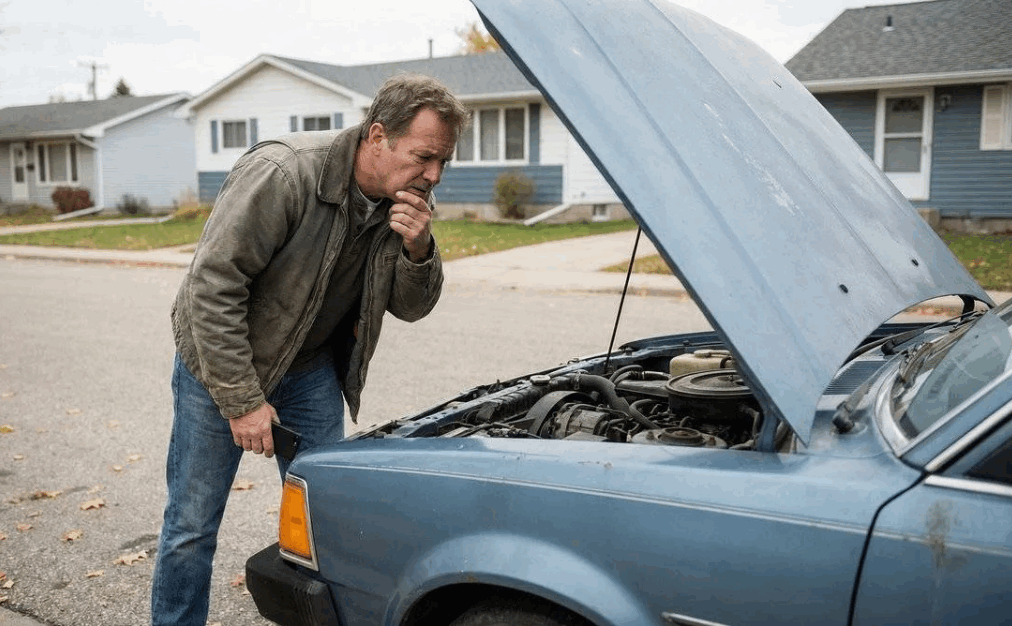
Is CarShield Worth It?
CarShield is worth it for drivers who need protection from expensive, unexpected car repairs. Its value depends on the vehicle, contract terms, and expected repair costs. Older cars often face a higher risk of mechanical problems. High mileage can also increase that risk. As a result, some owners may benefit more from repair coverage than others.
CarShield sells vehicle service contracts that cover specific mechanical problems. Each contract lists the parts and repairs that qualify for coverage. It also sets exclusions, limits, and other requirements. Drivers should review these terms before buying a plan. The monthly price alone does not show the contract’s true value.
Repair costs play a major role in this decision. Engine and transmission problems can create large bills for car owners. A suitable contract can reduce the owner’s share of an eligible repair. However, the owner still pays the deductible and any noncovered expenses. These costs reduce the financial benefit of the contract.
Drivers should compare the total contract cost with their vehicle’s repair risk. They should also check which expensive components the contract covers. CarShield offers stronger value when those two factors align. It makes the most sense when a car has meaningful repair risk and the contract covers its major mechanical components.
How Much Does CarShield Cost?
CarShield costs vary because each vehicle and coverage option can produce a different price. Drivers should focus on the total contract expense rather than the monthly payment alone. A low monthly price may look affordable at first. However, the full cost can become significant when payments continue over a long contract period.
Several factors can affect the price of a CarShield vehicle service contract. These factors include the vehicle’s age, mileage, model, coverage level, and selected deductible. Broader coverage can increase the price because the contract protects more vehicle components. The deductible also changes how much the owner pays when an eligible repair occurs.
Drivers should include repair expenses when they evaluate the cost. For example, a contract may cover a major engine or transmission problem. The owner may then avoid paying most of an eligible repair bill. In contrast, a driver who needs few covered repairs may pay more for the contract than they receive in repair benefits.
The best comparison uses the total contract price, deductible, and expected uncovered expenses. Drivers can then compare that amount with the cost of paying for repairs themselves. CarShield offers better financial value when its usable coverage protects the owner from repair costs that justify the total contract expense.
What Does CarShield Cover?
CarShield covers eligible mechanical repairs according to the specific vehicle service contract that a driver selects. Coverage varies between contracts, so drivers should check the covered components before they purchase protection. Higher levels of coverage generally protect more vehicle systems. More limited contracts focus on specific major components.
Major mechanical components can form an important part of vehicle protection. Depending on the contract, coverage may include the engine, transmission, drivetrain, electrical system, and air conditioning system. These systems can require costly repairs when major parts fail. Coverage for them can reduce the financial impact of an eligible mechanical breakdown.
CarShield contracts may also include benefits beyond mechanical repair coverage. These benefits can relate to roadside assistance, towing, or transportation after an eligible breakdown. The exact benefits depend on the selected contract and its terms. Drivers should review those terms instead of assuming that every plan provides the same services.
A covered component does not make every problem with that component eligible for payment. The contract also considers the cause of the failure and its specific coverage conditions. Drivers should therefore compare the covered components with the repair risks of their own vehicle. CarShield coverage provides more value when it protects the vehicle systems that could create the largest eligible repair bills.
What Does CarShield Not Cover?
CarShield does not cover every repair or vehicle expense, and each contract defines its own exclusions. Drivers need to review these exclusions before they judge the value of a plan. A broad list of covered components can look attractive. However, the contract terms determine whether a specific mechanical problem qualifies for coverage.
Routine maintenance falls outside the main purpose of a vehicle service contract. Car owners remain responsible for regular services that keep the vehicle operating correctly. These services can include oil changes, tire care, and other scheduled maintenance. Drivers should separate these predictable ownership costs from unexpected mechanical repair costs when comparing expenses.
Preexisting problems can also affect coverage. A vehicle service contract protects against qualifying problems under its terms. It does not serve as a way to repair known mechanical issues that existed before coverage took effect. Drivers should understand this distinction before they purchase a contract for a vehicle that already shows signs of mechanical trouble.
Contract requirements also affect whether a repair qualifies for payment. Drivers need to follow the maintenance and claim procedures stated in their agreement. They should also check whether the contract covers the failed component and cause of failure. CarShield provides the most useful protection when drivers understand both its coverage and exclusions before a mechanical problem occurs.
How Does the CarShield Claims Process Work?
The CarShield claims process starts when a driver takes the vehicle to an eligible repair facility for diagnosis. The repair facility identifies the mechanical problem and determines which parts need repair or replacement. The driver should provide the necessary contract information before the shop begins covered repair work.
The repair facility then contacts the appropriate contract administrator to request authorization. The administrator reviews the diagnosis and compares the repair with the contract terms. This review determines whether the agreement covers the failed component and the specific problem. Some claims may require additional information before the administrator can make a coverage decision.
After approval, the repair facility can complete the authorized work. The contract administrator handles the covered portion according to the agreement. The vehicle owner remains responsible for the deductible and any expenses outside the approved coverage. Drivers should confirm authorization before allowing the shop to complete repairs that they expect the contract to cover.
A claim may not qualify when the problem falls outside the contract terms. Excluded components and existing mechanical problems can affect eligibility. Failure to meet contract requirements can also create problems during the claim process. Drivers can reduce claim disputes by reading their contract, maintaining their vehicle, and following the required authorization process before repairs begin.
What Are the Pros and Cons of CarShield?
CarShield offers useful repair protection, but its value depends on how well the contract matches the vehicle and driver. The main advantages involve financial protection and coverage choices. The main disadvantages involve cost, exclusions, and contract requirements. Drivers should consider both sides before purchasing a vehicle service contract.
What Are the Pros of CarShield?
There are four main advantages of CarShield for drivers who need vehicle protection. First, a suitable contract can reduce the cost of eligible mechanical repairs. This benefit matters when an engine, transmission, or another expensive component fails.
Second, drivers can choose from different levels of coverage. This flexibility helps owners match protection with their vehicle and repair concerns. Third, some contracts include additional services that support drivers after a breakdown. These benefits may include roadside assistance or towing, depending on the agreement. Fourth, a service contract can make unexpected covered repair costs easier to manage.
What Are the Cons of CarShield?
There are four main disadvantages to consider before buying CarShield. First, contract payments create an ongoing expense even when the vehicle needs no covered repairs. Second, exclusions can leave the owner responsible for specific repair bills.
Third, drivers may need to pay a deductible for an eligible repair. This expense reduces the financial benefit of coverage. Fourth, drivers must follow the contract requirements during the claims process. A repair that falls outside those terms may not qualify for payment.
CarShield offers the strongest value when its repair protection outweighs these costs and limitations for the individual vehicle owner.
Who Is CarShield Worth It For?
CarShield is most worth considering for drivers who own vehicles with meaningful repair risk and limited warranty protection. Three groups may find greater value in a vehicle service contract. They include used car owners, high mileage vehicle owners, and drivers who want protection from large repair bills.
Used car owners may benefit when the original factory warranty has expired. At that point, the owner becomes responsible for mechanical repair costs. A suitable service contract can reduce this financial risk when it covers the vehicle’s major components. The value depends on the contract price and the repairs that qualify for coverage.
High mileage vehicle owners may also consider CarShield as their cars accumulate wear and mechanical risk. Mileage alone does not make a contract worthwhile. Drivers should also consider the vehicle’s age, reliability, maintenance history, and expected repair costs. These factors provide a clearer picture of future repair risk.
CarShield may also suit drivers who prefer predictable expenses. A major engine or transmission problem can create a large unexpected bill. A service contract transfers part of that financial risk when the repair qualifies for coverage. The owner still remains responsible for deductibles and excluded expenses.
CarShield makes the most sense when the vehicle faces realistic repair risk and the owner values protection from sudden repair costs. Drivers should compare that protection with the total contract expense before buying.
Who Should Not Buy CarShield?
CarShield may not be worth it for drivers who already have strong warranty protection or can comfortably pay for repairs themselves. Four situations can reduce the value of a vehicle service contract. These involve existing coverage, low repair risk, sufficient savings, and poor contract fit.
Drivers with an active factory warranty may not need additional protection for the same components. Overlapping coverage can add another expense without providing enough extra value. Owners should first check their existing warranty. They can then identify any protection gaps before purchasing another contract.
Drivers with reliable vehicles and low expected repair costs should also compare the numbers carefully. Paying for a service contract does not guarantee financial savings. An owner may spend more on the contract than the plan pays toward eligible repairs. Vehicle age, mileage, reliability, and maintenance history can help owners assess this risk.
CarShield may also provide less value to drivers with enough savings for unexpected repairs. These owners can choose to keep a dedicated repair fund instead. This approach avoids contract costs, but the owner accepts the full financial risk of a major breakdown.
Finally, drivers should avoid a contract that does not match their main repair risks. Important exclusions can reduce the protection that an owner expects to receive. CarShield makes less financial sense when existing coverage, savings, or low repair risk already provides a practical alternative to a service contract.
Is CarShield Better Than an Extended Car Warranty?
CarShield can be a better choice than an extended car warranty when its contract offers suitable coverage at a competitive total cost. However, drivers should compare the actual contracts before choosing either option. Coverage, deductibles, exclusions, repair options, and eligibility can differ between providers.
CarShield offers vehicle service contracts that help pay for eligible mechanical repairs. An extended warranty may come from a vehicle manufacturer or another provider. These products can serve a similar purpose for car owners. However, their contract structures and coverage terms may differ. Drivers should not assume that every vehicle protection product provides the same benefits.
Coverage should be the first comparison point. Drivers should check which engine, transmission, electrical, and other mechanical components each contract protects. They should then compare exclusions and deductibles. A cheaper contract provides little value when it excludes the repairs that present the greatest financial risk.
Repair options also matter. Drivers should review where they can take the vehicle and how each provider handles repair authorization. Contract duration and eligibility can further affect the decision. Vehicle age and mileage may influence which protection options remain available.
The better choice is the contract that provides useful coverage for the vehicle at a reasonable total cost. Drivers should compare written terms rather than choosing CarShield or an extended warranty based only on price or brand recognition.
Is CarShield Better Than Paying for Car Repairs Yourself?
CarShield can be better than paying for repairs yourself when you want protection from large and unpredictable repair bills. Paying for repairs yourself can cost less when a vehicle stays reliable. The better choice depends on repair risk, available savings, contract cost, and the owner’s tolerance for unexpected expenses.
CarShield transfers part of the financial risk to a vehicle service contract. The owner pays for protection before a qualifying mechanical problem occurs. When an eligible component fails, the contract can cover part of the repair cost. The owner still pays the deductible and any expenses outside the contract terms.
Paying for repairs yourself follows a different approach. Instead of paying for a service contract, the owner saves money in a dedicated repair fund. This strategy gives the owner direct control over the money. It also avoids coverage restrictions and claim requirements. However, the owner must pay the entire bill when an expensive breakdown occurs.
Vehicle reliability can influence which approach offers better value. A reliable car with low repair costs may favor self funding. An older vehicle with greater mechanical risk can make repair protection more attractive. Drivers should also consider their available savings. A large repair bill creates less financial pressure when an owner already has enough money set aside.
CarShield provides greater practical value when transferring repair risk matters more than minimizing contract expenses. Self funding can make more sense when the owner has sufficient savings and accepts the risk of paying for major repairs.
How Can You Decide If CarShield Is Worth It for Your Car?
You can decide if CarShield is worth it by comparing five factors: contract cost, deductible, coverage, exclusions, and vehicle repair risk. These factors show how much you pay and how much useful protection you receive. The right decision depends on your vehicle and financial situation.
Start with the total contract cost rather than the monthly payment. Next, add the deductible you would pay for an eligible repair. Compare that expense with the major components that the contract covers. Engine, transmission, and electrical repairs can create significant costs. Coverage for these systems may increase the value of a contract.
Review the exclusions before making a decision. A contract offers less value when it excludes problems that your vehicle has a realistic chance of developing. You should also consider the car’s age, mileage, reliability, and maintenance history. These factors help you estimate the risk of future repairs.
Finally, compare CarShield with your ability to pay for repairs yourself. A driver with sufficient savings may prefer to keep a repair fund. Another driver may value the predictable expense and financial protection that a service contract provides.
CarShield is worth considering when your vehicle faces meaningful repair risk and the contract covers its major mechanical components at a reasonable cost. It offers less financial value when existing warranty coverage, low repair risk, or sufficient savings already protects you from unexpected repair expenses.