The Ford F-150 5.0 oil capacity is one of the most important specifications to know before performing an oil change. Using the correct amount of engine oil helps maintain proper lubrication, protects internal components from excessive wear, and allows the 5.0L Coyote V8 engine to operate at peak efficiency. Even a small difference between the recommended capacity and the actual amount added can affect oil pressure, engine performance, and long-term reliability.
Oil capacity is not always identical across every Ford F-150 5.0 model. Although the Coyote V8 engine has remained a core powertrain for many model years, Ford has introduced updates to engine components, oil specifications, and maintenance recommendations. As a result, owners should always confirm the correct oil capacity based on the vehicle’s production year instead of relying on a single specification for every generation.
This guide explains the official Ford F-150 5.0 oil capacity by model year and clarifies the difference between oil capacity with and without a new oil filter. It also covers the recommended oil type, compatible oil filters, service intervals, and common mistakes that can lead to overfilling or insufficient lubrication. By the end of this guide, you will have the information needed to complete an oil change correctly and maintain the long-term performance of your Ford F-150 5.0L V8 engine with confidence.
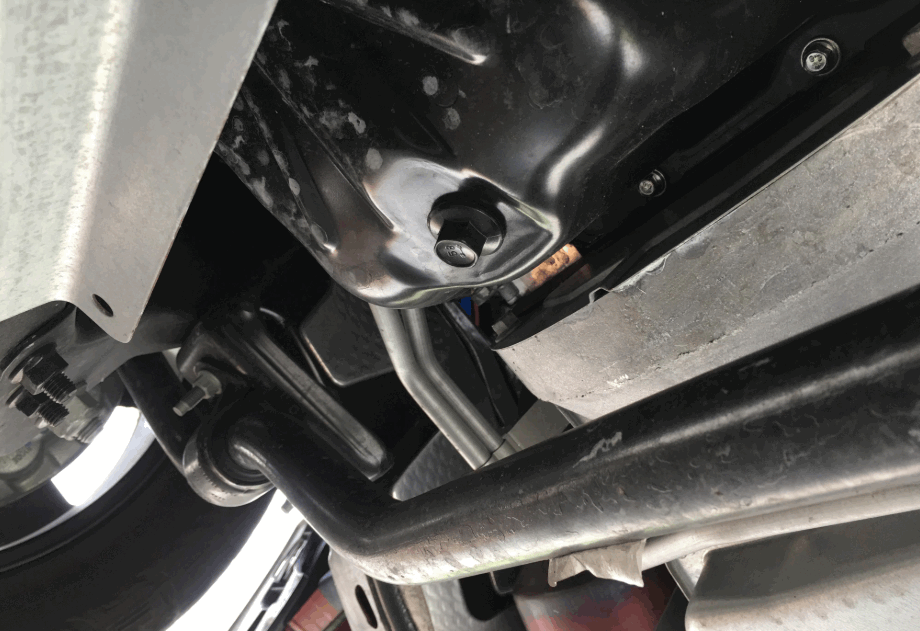
What Is the Ford F-150 5.0 Oil Capacity?
The Ford F-150 5.0 oil capacity is typically 8.8 quarts (8.3 liters) with a new oil filter. However, the exact amount depends on the model year and engine version. Ford specifies this capacity to keep the lubrication system working efficiently. Using the correct amount of oil also protects the engine from unnecessary wear.
Many owners confuse oil capacity with dry fill capacity. These two specifications are not the same. Oil capacity refers to the amount needed during a routine oil change. Dry fill capacity describes the amount required for a completely new or rebuilt engine. Since some oil always remains inside the engine after draining, a standard oil change requires less oil than a dry fill.
Replacing the oil filter changes the final refill amount. A new filter holds fresh oil after the engine starts. Therefore, Ford publishes the recommended capacity with a new oil filter installed. Replacing the filter at every oil change also improves oil cleanliness and helps extend engine life.
Always confirm the final oil level with the dipstick after refilling the engine. Park the truck on level ground and wait a few minutes before checking the oil. Add small amounts if the level is low. Remove excess oil if it rises above the maximum mark. This final inspection helps prevent lubrication problems and keeps the 5.0L Coyote V8 engine operating as intended.
Ford F-150 5.0 Oil Capacity by Model Year
The Ford F-150 5.0 oil capacity has remained consistent for most Coyote V8 engines, but owners should always verify the specification for their model year. Ford has updated the engine several times since its introduction in 2011. While many versions require the same refill amount, production changes and revised service recommendations make it important to check the official specification before every oil change.
The table below summarizes the recommended oil capacity for the Ford F-150 5.0L V8 engine when replacing both the engine oil and the oil filter.
| Model Year | Engine | Oil Capacity (With Filter) | Oil Capacity (Liters) |
|---|---|---|---|
| 2011–2014 | 5.0L Coyote V8 | 7.7 quarts | 7.3 L |
| 2015–2017 | 5.0L Coyote V8 | 7.7 quarts | 7.3 L |
| 2018–2023 | 5.0L Coyote V8 | 8.8 quarts | 8.3 L |
| 2024–2026 | 5.0L Coyote V8 | 8.8 quarts* | 8.3 L* |
Ford increased the oil capacity when the third-generation Coyote engine debuted for the 2018 model year. The redesigned engine uses a dual-fuel injection system and several internal improvements that require additional engine oil. As a result, owners of 2018 and newer models should not rely on specifications published for earlier trucks.
Always compare the owner’s manual with the engine label before purchasing engine oil. Fleet packages, export models, or special service vehicles may have different maintenance requirements. Checking the correct model year helps prevent overfilling and ensures the lubrication system performs as Ford intended.
Always confirm the latest specification for 2024–2026 models with the owner’s manual or an authorized Ford service publication, as recommendations may vary by production update and market.
What Oil Type Is Recommended for the Ford F-150 5.0?
The recommended oil type for the Ford F-150 5.0 depends on the model year and the manufacturer’s specifications. Ford selects engine oil based on viscosity, performance standards, and operating conditions. Using the correct oil helps reduce engine wear, improves fuel efficiency, and maintains reliable lubrication in both hot and cold temperatures.
Most 2011–2020 Ford F-150 5.0 models require SAE 5W-20 full synthetic or synthetic blend oil that meets the Ford specification for that production year. Starting with many 2021 and newer models, Ford recommends SAE 5W-30 full synthetic oil for improved engine protection and durability. However, owners should always confirm the required viscosity in the owner’s manual because recommendations may vary by model year, market, or calibration.
Engine oil must also meet the latest industry standards. Modern Ford engines typically require oil that satisfies API SP and ILSAC GF-6A specifications. These standards help protect the engine from wear, sludge, oxidation, and low-speed pre-ignition. Choosing an oil that meets both the viscosity and performance requirements provides better long-term protection than selecting the correct viscosity alone.
Full synthetic oil remains the best choice for the 5.0L Coyote V8 engine. It flows more easily during cold starts, resists thermal breakdown at high temperatures, and maintains stable performance over longer service intervals. These characteristics become even more important for trucks used for towing, hauling, or frequent stop-and-go driving.
Always avoid mixing different oil viscosities unless Ford specifically approves the change. Using an incorrect oil grade may reduce fuel economy or affect engine performance under heavy loads. Selecting the recommended oil type and replacing it at the proper interval helps the Ford F-150 5.0 deliver consistent performance and long engine life.
Which Oil Filter Should You Use?
The Motorcraft oil filter is the recommended choice for the Ford F-150 5.0 because it matches the engine’s original design specifications. Ford engineers develop Motorcraft filters to provide the correct filtration efficiency, oil flow, and pressure control for the 5.0L Coyote V8 engine. Using an OEM-quality filter helps maintain consistent lubrication and supports long engine life.
Many Ford F-150 5.0 models use the Motorcraft FL-500S oil filter, although owners should always confirm compatibility with their specific model year. Several aftermarket manufacturers also produce high-quality replacement filters. Brands such as Wix, Mobil 1, Bosch, K&N, and FRAM offer filters that meet or exceed OEM performance standards. Choosing a premium filter from a trusted manufacturer provides reliable filtration when it matches the original specifications.
Replacing the oil filter during every oil change is an essential part of routine maintenance. A used filter traps dirt, carbon particles, and metal debris from the previous service interval. Reusing that filter allows contaminants to circulate through the engine with the new oil. Installing a fresh filter keeps the new oil cleaner and helps protect critical engine components from premature wear.
Proper installation is just as important as selecting the correct filter. Apply a thin layer of fresh engine oil to the rubber gasket before installation. Then tighten the filter according to the manufacturer’s recommendation. Overtightening can damage the gasket, while insufficient tightening may cause oil leaks. After starting the engine, inspect the filter area carefully and verify that no oil is leaking before completing the service.
How Often Should You Change the Oil?
The Ford F-150 5.0 oil should generally be changed every 7,500 to 10,000 miles or once a year, whichever comes first. Ford bases this recommendation on normal driving conditions and the use of high-quality full synthetic engine oil. Following the recommended interval helps maintain proper lubrication, reduces engine wear, and supports long-term reliability.
Driving conditions have a significant impact on how often the engine oil should be replaced. Frequent towing, heavy hauling, off-road driving, extended idling, and repeated short trips place additional stress on the engine. These conditions cause the oil to degrade more quickly and reduce its ability to protect internal components. For this reason, many technicians recommend changing the oil every 5,000 to 7,500 miles when the truck operates under severe service conditions.
Most modern Ford F-150 models include an Oil Life Monitor that tracks engine operating conditions instead of using mileage alone. The system analyzes factors such as engine temperature, driving habits, and load to estimate the remaining life of the engine oil. This approach provides a more accurate maintenance schedule because it reflects how the truck is actually driven rather than relying on a fixed distance.
Checking the engine oil regularly remains an important part of routine maintenance. Inspect the oil level at least once a month and before long trips. Replace the oil immediately if it appears excessively dirty, develops a burnt smell, or drops below the recommended level. Combining routine inspections with timely oil changes helps the 5.0L Coyote V8 engine deliver consistent performance, better fuel efficiency, and reliable operation throughout its service life.
How to Check and Refill Engine Oil Correctly
Checking the engine oil level correctly helps prevent lubrication problems and ensures the Ford F-150 5.0 operates within the manufacturer’s specifications. An accurate reading confirms whether the engine contains the proper amount of oil after a service or between scheduled oil changes. This simple inspection also helps identify potential oil consumption before it becomes a serious issue.
Begin by parking the truck on a level surface and turning off the engine. Wait at least five minutes to allow the oil to drain back into the oil pan. Remove the dipstick, wipe it clean with a lint-free cloth, and insert it fully before pulling it out again. The oil level should fall between the minimum and maximum marks. If the level is below the recommended range, add a small amount of the correct engine oil and check the dipstick again before adding more.
Avoid pouring the full oil capacity into the engine at once. Instead, refill gradually and verify the level after each addition. This method reduces the risk of overfilling, which can create excessive crankcase pressure and cause the crankshaft to whip the oil into foam. Aerated oil cannot lubricate engine components as effectively as liquid oil, increasing the risk of premature wear.
A low oil level can also damage the engine. Insufficient oil reduces lubrication and allows critical parts to operate under higher temperatures and greater friction. If the oil level drops repeatedly between service intervals, inspect the engine for leaks or excessive oil consumption. Regular oil level checks take only a few minutes, but they play an important role in protecting the 5.0L Coyote V8 engine and extending its service life.
Common Mistakes When Changing Oil on a Ford F-150 5.0
Many Ford F-150 5.0 engine problems begin with simple maintenance mistakes rather than mechanical failures. Following the correct oil change procedure protects the engine and helps maintain consistent performance. Small errors may seem harmless at first, but they can reduce lubrication and shorten engine life over time.
One of the most common mistakes is adding the wrong amount of engine oil. Overfilling increases crankcase pressure and allows the crankshaft to churn the oil into foam. Underfilling creates the opposite problem by reducing oil pressure and limiting lubrication. Both conditions increase wear on moving components and may trigger warning lights or abnormal engine noise.
Another frequent mistake is using an oil viscosity that does not match Ford’s recommendation. Some owners assume a thicker oil provides better protection under every condition. In reality, the wrong viscosity can reduce oil flow during cold starts or affect fuel economy. Choosing an oil that meets the specified viscosity and performance standards ensures the lubrication system operates as designed.
Skipping the oil filter replacement also reduces the effectiveness of an oil change. A used filter continues to hold dirt and metal particles from the previous service interval. Those contaminants can mix with fresh engine oil and circulate throughout the engine. Installing a new filter during every oil change helps keep the lubrication system clean and supports long-term engine reliability.
Many owners also forget to inspect the drain plug and sealing washer before reinstalling them. A worn washer may cause a slow oil leak even when the plug is tightened correctly. After completing the service, always start the engine, inspect for leaks, verify the oil level with the dipstick, and reset the Oil Life Monitor if the vehicle is equipped with one. These final checks confirm that the oil change has been completed correctly and prepare the truck for the next maintenance interval.
Frequently Asked Questions About Ford F-150 5.0 Oil Capacity
How many quarts of oil does a Ford F-150 5.0 take?
Most Ford F-150 5.0L V8 models require either 7.7 quarts (7.3 liters) or 8.8 quarts (8.3 liters) of engine oil when replacing the oil filter. The correct capacity depends on the model year. Always verify the specification in the owner’s manual or the official Ford service information before adding oil.
8ui
Yes. Ford publishes the recommended oil capacity with a new oil filter installed because the filter retains a portion of the engine oil after the engine starts. Replacing the filter during every oil change ensures the engine receives the correct oil volume and cleaner lubrication.
Can I use 5W-30 instead of 5W-20?
Only use 5W-30 if Ford recommends it for your specific model year. Earlier Coyote engines commonly specify 5W-20, while many newer models require 5W-30. Using the correct viscosity helps maintain proper oil pressure, fuel efficiency, and engine protection under different operating temperatures.
What happens if I add too much engine oil?
Too much engine oil can create excessive crankcase pressure and cause the crankshaft to aerate the oil. Foamy oil cannot lubricate engine components effectively. Severe overfilling may also increase oil consumption, damage engine seals, or affect catalytic converter performance. If the oil level rises above the maximum mark, remove the excess oil before driving the vehicle.
How often should I check the engine oil level?
Check the engine oil at least once a month and before long trips. Regular inspections help detect leaks, excessive oil consumption, or an incorrect oil level before they develop into more serious problems. It is also a good practice to check the oil several days after every oil change to confirm the level remains within the recommended range.
Is full synthetic oil required for the Ford F-150 5.0?
Full synthetic oil is the preferred choice for most modern Ford F-150 5.0L V8 engines. It provides better protection during cold starts, resists thermal breakdown at high temperatures, and supports longer service intervals. Most current Ford maintenance schedules assume the use of full synthetic engine oil that meets the required API and Ford specifications.
Conclusion
The Ford F-150 5.0 oil capacity varies by model year, making it essential to verify the correct specification before every oil change. Using the proper oil capacity, selecting the recommended viscosity, and installing a new oil filter during each service help the 5.0L Coyote V8 engine maintain reliable lubrication and long-term durability. These simple maintenance practices also reduce unnecessary engine wear and improve overall performance.
Routine inspections are just as important as scheduled oil changes. Checking the oil level with the dipstick, following Ford’s recommended service intervals, and using engine oil that meets the required specifications help prevent common lubrication problems. When maintained correctly, the Ford F-150 5.0 delivers dependable performance for daily driving, towing, and demanding work applications. For the most accurate information, always compare your truck’s model year with the owner’s manual before purchasing engine oil or replacement parts.