The Honda Check Charging System Problem warning means your vehicle has detected an issue with its charging system. In most cases, the warning points to a battery, alternator, drive belt, battery sensor, or electrical connection that is no longer working correctly. Although the vehicle may continue running, the problem can quickly drain the battery and leave you stranded.
Honda uses an intelligent charging system to monitor battery voltage and charging performance. The system checks electrical output while you drive. When the voltage moves outside the normal range, the dashboard immediately displays the Check Charging System message. This early warning gives you time to diagnose the fault before the battery loses all of its power.
Many drivers assume the warning always means the alternator has failed. However, several components can trigger the same message. A weak battery, loose battery terminals, damaged wiring, or a slipping serpentine belt may all reduce charging performance. A faulty battery sensor or voltage regulator can also send incorrect readings to the engine control module.
This guide explains what the warning means and why it appears. It also covers the most common symptoms, diagnostic steps, repair solutions, and preventive maintenance tips. Whether you drive a Honda Accord, Civic, CR-V, Pilot, Odyssey, or HR-V, this article will help you identify the problem quickly and choose the right repair.
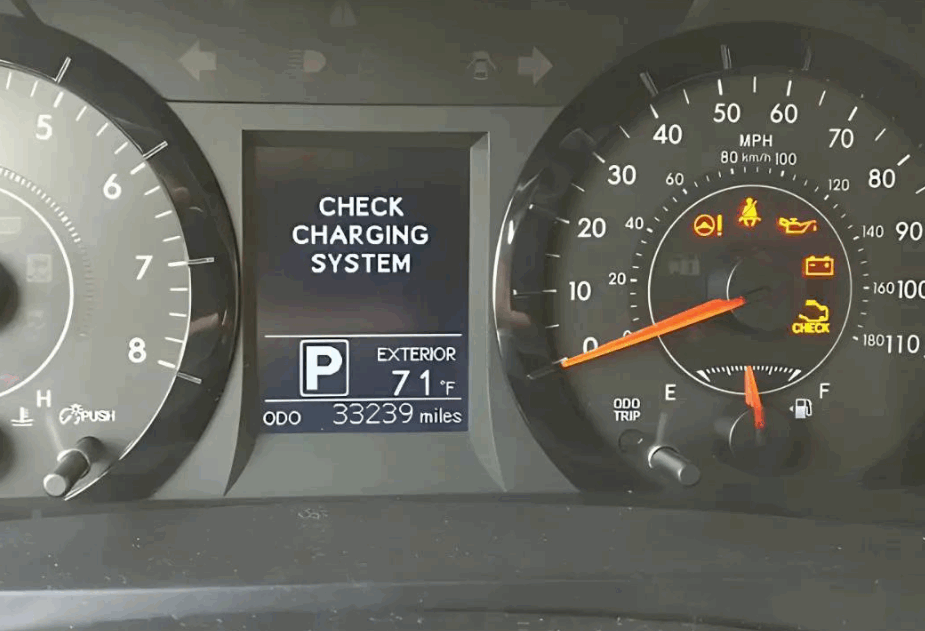
What Does the Honda Check Charging System Warning Mean?
The Honda Check Charging System warning tells you that the charging system cannot maintain the correct battery voltage. The message does not identify a single failed component. Instead, it alerts you that the entire charging system is no longer operating within Honda’s specified voltage range.
The charging system supplies electricity to every major electrical component after the engine starts. The alternator generates power, while the voltage regulator controls charging output. The battery stores electrical energy and supports the system during periods of high demand. The engine control module monitors charging voltage throughout the drive. When it detects abnormal readings, it activates the warning on the dashboard.
The warning differs from the traditional battery light. A battery light usually indicates that the alternator has stopped charging. The Check Charging System message covers a wider range of electrical faults. A weak battery, worn drive belt, loose cable, damaged wiring, or failing battery sensor can all trigger the alert before the alternator completely fails.
You may notice the warning during startup or while driving. It often appears when the vehicle powers multiple electrical accessories, such as the headlights, climate control system, or rear defroster. Continuing to drive without diagnosing the cause increases the risk of a dead battery, electrical failure, and engine shutdown.
What Causes the Honda Check Charging System Problem?
The Honda Check Charging System Problem usually occurs when one or more components cannot supply stable electrical power. Although many drivers blame the alternator first, the warning can result from several faults within the charging system. Identifying the root cause helps prevent unnecessary repairs and reduces diagnostic time.
A weak or failing battery is one of the most common causes. As batteries age, they lose their ability to hold a full charge. The charging system must work harder to maintain the correct voltage, especially during cold weather or when multiple electrical accessories operate at the same time. If the battery voltage drops below Honda’s specifications, the dashboard displays the warning message.
A faulty alternator also triggers the warning. The alternator generates electricity while the engine runs and recharges the battery. Worn bearings, damaged windings, failing diodes, or a defective voltage regulator reduce charging output. As a result, the battery begins to discharge even though the engine continues running.
The serpentine belt plays an equally important role. It transfers engine power to the alternator. A worn, loose, or broken belt prevents the alternator from spinning at the correct speed. Even a small amount of belt slip can lower charging voltage and activate the warning.
Electrical connections can create the same symptoms. Corroded battery terminals, loose ground cables, damaged wiring, or blown fuses interrupt the flow of electricity. These problems increase electrical resistance and reduce charging efficiency. In some cases, cleaning the battery terminals solves the issue without replacing expensive components.
Modern Honda models also rely on battery sensors and intelligent charging systems. A faulty battery sensor may send incorrect voltage data to the Engine Control Module. The control module then detects abnormal charging conditions and displays the warning, even if the alternator continues to operate normally. Although sensor failures are less common than battery or alternator problems, they should remain part of the diagnostic process.
Environmental conditions can also contribute to charging system issues. Extreme temperatures accelerate battery wear and increase electrical demand. Long periods of short-distance driving prevent the battery from reaching a full charge. These conditions may not damage the charging system directly, but they often expose existing weaknesses and trigger the warning sooner than expected.
What Symptoms Indicate a Charging System Failure?
A failing charging system often shows several warning signs before the battery completely loses power. Recognizing these symptoms early helps prevent unexpected breakdowns and reduces the risk of damaging other electrical components. In many cases, the vehicle continues to run for a short time, but the symptoms usually become more noticeable as battery voltage continues to drop.
The Check Charging System message is usually the first sign of trouble. In some Honda models, the battery warning light also appears at the same time. These dashboard alerts indicate that the charging system is no longer maintaining normal voltage. They should never disappear without a proper diagnosis, even if the vehicle seems to drive normally.
Dim or flickering headlights are another common symptom. The alternator supplies power to the lighting system while the engine runs. When charging voltage becomes unstable, the headlights may become noticeably dimmer at idle or flicker as engine speed changes. Interior lights and the instrument cluster may also brighten and dim without any driver input.
Electrical accessories often begin to malfunction as battery voltage decreases. The air conditioning blower may run more slowly, the infotainment system may restart unexpectedly, and the power windows may operate at a reduced speed. Some drivers also notice that warning lights for other systems appear because control modules receive insufficient voltage.
A weak charging system also makes the engine more difficult to start. The starter motor requires a strong battery to crank the engine. If the alternator cannot recharge the battery after each drive, the engine may crank slowly or fail to start altogether. Clicking sounds during startup usually indicate that the battery no longer has enough power.
Some vehicles also produce unusual mechanical symptoms. A worn serpentine belt may create a squealing noise during acceleration or immediately after starting the engine. A failing alternator bearing can produce a grinding or whining sound that changes with engine speed. Although these noises do not always confirm a charging system failure, they often point to components that require further inspection.
If the problem continues, the engine may eventually stall while driving. Modern Honda vehicles depend on electrical power to operate the fuel injection system, ignition system, and engine control module. Once the battery becomes fully discharged, these systems stop working correctly. The engine then shuts down because the charging system can no longer supply the electricity needed to keep it running.
Can You Drive with the Honda Check Charging System Warning On?
You can drive with the Honda Check Charging System warning for a short distance in some situations, but you should not continue driving longer than necessary. The warning means the charging system is no longer supplying enough electricity to keep the battery fully charged. Once the battery loses its remaining power, the engine may stop running without additional warning.
The level of risk depends on the cause of the problem. A weak battery may allow the vehicle to operate for several hours if the alternator still produces enough electricity. However, a failed alternator can discharge the battery within a much shorter period. Every electrical component, including the ignition system, fuel injectors, headlights, and engine control module, relies on battery power after the alternator stops charging.
Pay close attention to new warning signs while driving. Dim headlights, flickering dashboard lights, slow power windows, or a weak air conditioning blower often indicate that battery voltage is dropping. If several electrical systems begin to fail at the same time, the battery may have only a limited amount of power remaining.
You should stop driving immediately if the engine starts to lose power or multiple warning lights appear together. A burning smell, unusual noises from the engine bay, or a squealing serpentine belt also require immediate attention. Continuing to drive under these conditions increases the chance of complete electrical failure and may damage additional components.
If the warning appears, reduce the electrical load whenever possible. Turn off heated seats, the rear defroster, and other unnecessary accessories. Avoid unnecessary stops because restarting the engine requires additional battery power. Drive directly to a repair shop or a safe location where you can inspect the charging system.
Ignoring the warning creates unnecessary risks. A fully discharged battery can leave you stranded, require towing, and increase repair costs. Diagnosing the charging system as soon as the warning appears is the safest way to prevent a minor electrical fault from becoming a major mechanical problem.
How Do You Diagnose the Honda Check Charging System Problem?
Diagnosing the Honda Check Charging System Problem requires a systematic approach. Replacing parts without testing the charging system often wastes time and money. A complete diagnosis identifies the failed component and confirms that the remaining parts operate within Honda’s specifications.
Start by inspecting the battery. Look for corrosion on the battery terminals, loose cable connections, or visible damage to the battery case. A swollen battery usually indicates internal failure and requires replacement. If the terminals are dirty, clean them before performing additional tests because poor connections can reduce charging efficiency.
Next, measure the battery voltage with a digital multimeter. A healthy battery should read about 12.6 volts with the engine turned off. Start the engine and test the voltage again. A properly working charging system normally produces between 13.5 and 14.8 volts. A lower reading often indicates that the alternator cannot supply enough electrical power. A higher reading may point to a faulty voltage regulator.
Inspect the serpentine belt after checking the battery voltage. Look for cracks, glazing, frayed edges, or signs of excessive wear. A loose or damaged belt can reduce alternator speed and lower charging output. Even if the alternator remains in good condition, a slipping belt can trigger the Check Charging System warning.
An OBD-II scanner provides additional diagnostic information. Scan the vehicle for diagnostic trouble codes that relate to the charging system, battery sensor, or alternator circuit. These codes help narrow the diagnosis and reduce unnecessary part replacement. They also reveal intermittent electrical faults that may not appear during a visual inspection.
Finally, inspect the wiring and ground connections throughout the charging system. Check for damaged insulation, loose connectors, blown fuses, or corrosion around grounding points. High electrical resistance can reduce charging performance even when the battery and alternator test normally. After completing these inspections, compare all test results before replacing any component. A methodical diagnosis improves repair accuracy and helps prevent the warning from returning.
How Do You Fix the Honda Check Charging System Problem?
Fixing the Honda Check Charging System Problem starts with identifying the component that caused the warning. The charging system includes several interconnected parts, so replacing the wrong component rarely solves the issue. A proper repair restores normal charging voltage and prevents the warning from returning.
Replace the battery if testing confirms that it can no longer hold a charge. Most Honda batteries last between three and five years under normal driving conditions. An aging battery may still start the engine, but it often struggles to support the electrical system during heavy demand. After installing a new battery, verify that the charging voltage remains within the normal operating range.
Replace the alternator if it cannot produce sufficient charging output. Internal wear, damaged diodes, or a failed voltage regulator can reduce alternator performance. A new alternator should restore stable voltage and recharge the battery while the engine is running. Always test the replacement unit before completing the repair to confirm that it operates correctly.
Inspect the serpentine belt if the alternator passes the electrical tests. A loose, cracked, or stretched belt can slip under load and reduce alternator speed. Replacing a worn belt often restores normal charging performance without replacing additional components. It is also a good time to inspect the belt tensioner and pulleys for excessive wear.
Repair any damaged electrical connections before replacing expensive parts. Clean corroded battery terminals, tighten loose cables, and repair damaged wiring. High electrical resistance can interrupt charging even when the battery and alternator work properly. Applying dielectric grease to clean battery terminals also helps prevent future corrosion.
Some Honda models use a battery sensor and an intelligent charging system to regulate electrical output. If these components fail, the Engine Control Module may receive incorrect charging information and display the warning message. A professional diagnostic scan can confirm whether the sensor or control module requires calibration, software updates, or replacement.
After completing the repair, clear any stored diagnostic trouble codes and perform a charging system test. Measure the battery voltage with the engine running and confirm that the warning no longer appears during a road test. A final inspection verifies that the repair solved the original problem and that every charging system component operates as expected.
How Much Does It Cost to Fix a Honda Check Charging System Problem?
The cost to fix the Honda Check Charging System Problem depends on the failed component, labor rates, and the vehicle model. Some repairs require only basic maintenance, while others involve replacing major electrical parts. A proper diagnosis helps avoid unnecessary expenses and ensures that only the defective component is replaced.
Battery replacement is usually the least expensive repair. A standard replacement battery typically costs between $120 and $250, including installation. Premium batteries with higher cold-cranking performance may cost more, especially for newer Honda models equipped with advanced electrical systems.
Alternator replacement is generally more expensive because it involves both parts and labor. Most owners can expect to pay between $400 and $900 for a complete replacement. The exact price varies by model, engine type, and whether the repair uses an original equipment or aftermarket alternator.
A worn serpentine belt is relatively inexpensive to replace. In most cases, the total repair cost ranges from $100 to $250. If the belt tensioner or idler pulley also requires replacement, the final bill may increase. Replacing these related components at the same time often prevents additional labor costs later.
Electrical repairs vary widely because they depend on the location and severity of the fault. Cleaning corroded battery terminals or tightening loose connections may cost very little. However, repairing damaged wiring harnesses or replacing battery sensors can increase both labor time and repair costs. A diagnostic inspection usually costs between $80 and $180, but many repair shops apply this fee toward the final repair if you authorize the work.
Choosing high-quality replacement parts often reduces long-term ownership costs. Original equipment components usually provide the best fit and reliability, while reputable aftermarket parts can offer good value at a lower price. Regardless of the option you choose, confirming the repair with a charging system test helps ensure that the warning does not return and that the electrical system continues to operate safely.
How Can You Prevent Honda Charging System Problems?
Preventing the Honda Check Charging System Problem is easier and less expensive than repairing a failed charging system. Regular maintenance helps every component operate efficiently and reduces the chance of unexpected electrical failures. Most charging system problems develop gradually, so routine inspections often identify small issues before they become costly repairs.
Check the battery at least twice a year. Inspect the terminals for corrosion, loose connections, and signs of damage. Clean any corrosion with an appropriate battery terminal cleaner and tighten the cables if necessary. A secure electrical connection allows the alternator to charge the battery more efficiently and reduces unnecessary voltage loss.
Test the battery before extreme weather arrives. High temperatures accelerate internal battery wear, while cold weather reduces available starting power. Replacing an aging battery before it fails helps prevent charging system warnings and reduces the risk of becoming stranded.
Inspect the serpentine belt during every scheduled maintenance visit. Look for cracks, glazing, frayed edges, or excessive wear. Replace the belt according to Honda’s recommended service interval or sooner if it shows visible damage. A properly functioning belt allows the alternator to maintain consistent charging performance.
Avoid unnecessary electrical loads when the engine is idling. High-demand accessories, such as heated seats, the rear defroster, and aftermarket audio equipment, increase the workload on the charging system. Using these features responsibly helps maintain stable battery voltage, especially during short trips.
Drive the vehicle long enough for the battery to recharge fully. Frequent short trips prevent the alternator from restoring the energy used during engine startup. Taking the vehicle on occasional longer drives helps maintain battery health and supports consistent charging performance throughout the electrical system.
Finally, respond to warning lights as soon as they appear. A quick inspection or professional diagnosis often resolves minor charging issues before they damage the battery, alternator, or other electrical components. Regular maintenance and early repairs provide the best protection against unexpected charging system failures and help extend the life of your Honda’s electrical system.
Conclusion
The Honda Check Charging System Problem is an early warning that your vehicle’s charging system is no longer operating as expected. Although the message often points to a battery or alternator issue, it can also result from a worn serpentine belt, poor electrical connections, a faulty battery sensor, or damaged wiring. Identifying the exact cause is essential because different faults require different repair solutions.
Ignoring the warning increases the risk of a discharged battery, unexpected engine shutdown, and more expensive electrical repairs. A simple voltage test, visual inspection, and diagnostic scan can often identify the problem before it becomes a major failure. Acting quickly also helps protect important components, including the Engine Control Module and other electronic systems.
Regular battery inspections, routine belt replacement, and clean electrical connections are the most effective ways to keep the charging system operating reliably. Following Honda’s recommended maintenance schedule and responding to warning messages as soon as they appear can significantly reduce the likelihood of unexpected breakdowns.
If the Check Charging System warning appears on your Honda, do not ignore it. Diagnose the problem promptly or have the vehicle inspected by a qualified technician. Early action improves reliability, lowers repair costs, and helps ensure that your Honda continues to operate safely in everyday driving conditions.