Honda P1399 code indicates that the engine control system has detected a random misfire condition in the engine cylinders. This diagnostic trouble code does not identify one specific failed component, which means the actual cause can come from several systems including ignition, fuel delivery, air intake, or engine mechanical components.
A random misfire happens when the combustion process inside one or more cylinders does not occur correctly. The Powertrain Control Module (PCM) monitors engine speed changes through sensors and detects irregular combustion patterns that affect engine performance. When these variations exceed the programmed limits, the system stores the P1399 code and activates the Check Engine Light.
Diagnosing Honda P1399 code requires a systematic inspection because replacing parts without testing can lead to unnecessary repair costs. A faulty spark plug, weak ignition coil, clogged fuel injector, vacuum leak, or incorrect valve clearance can create similar symptoms while requiring completely different repairs.
This guide explains what Honda P1399 code means, the symptoms it causes, the most common reasons it appears, the correct diagnostic process, and the repair solutions that help restore normal engine operation.
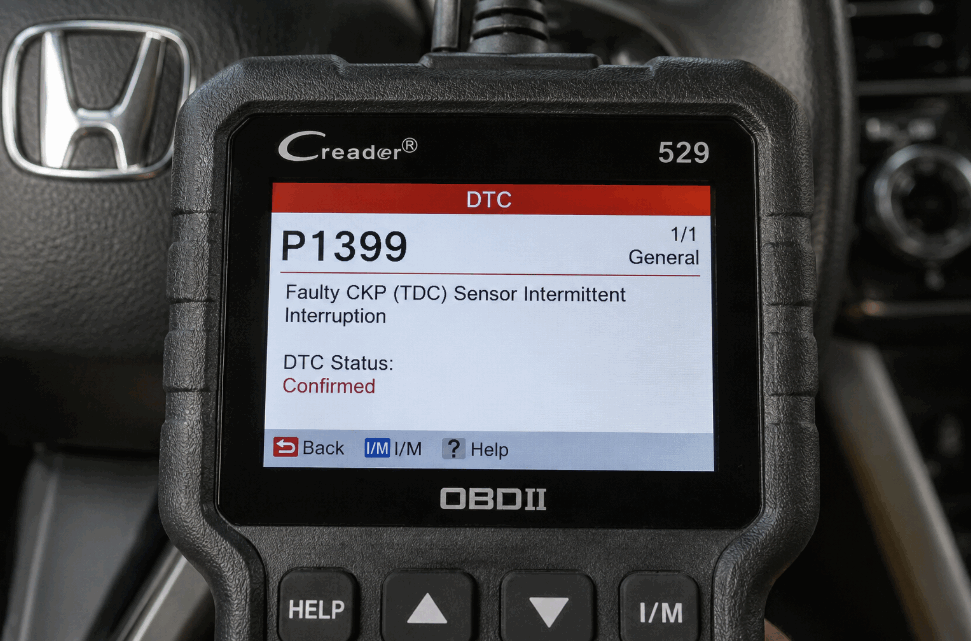
What Does Honda P1399 Code Mean?
Honda P1399 code means that the engine control system has detected a random misfire condition that affects normal combustion. This code belongs to the Diagnostic Trouble Code (DTC) system used by Honda vehicles to identify abnormal engine operation. Unlike a code that points directly to a specific component, P1399 only indicates that the engine is experiencing inconsistent combustion events across one or more cylinders.
The Powertrain Control Module (PCM) detects this condition by monitoring signals from engine sensors, including crankshaft position and camshaft position sensors. During normal operation, each cylinder produces a predictable amount of power during the combustion cycle. When one or more cylinders fail to burn the air and fuel mixture correctly, the engine speed changes slightly. The PCM recognizes these variations and stores the Honda P1399 trouble code.
Honda P1399 code does not mean that the engine has one guaranteed failed part. The same code can appear because of problems in different systems that control combustion. For example, worn spark plugs can create weak ignition, while a clogged fuel injector can prevent the cylinder from receiving the correct fuel amount. Engine mechanical issues such as low compression or incorrect valve clearance can also produce similar misfire conditions.
Understanding the meaning of Honda P1399 code is important because the correct repair depends on finding the source of the misfire. A proper diagnosis focuses on testing the ignition system, fuel system, air intake system, and mechanical condition of the engine before replacing any components.
What Are the Symptoms of Honda P1399 Code?
Honda P1399 code causes several noticeable engine performance symptoms because the misfire condition interrupts the normal combustion process. The severity of these symptoms depends on the number of affected cylinders, the frequency of the misfire, and the underlying cause of the problem. A minor misfire may only create occasional engine hesitation, while a severe misfire can affect drivability and damage other engine components.
One of the most common symptoms is a rough idle. The engine may vibrate, shake, or feel unstable when the vehicle is stopped because one or more cylinders are not producing consistent combustion power. This imbalance changes the way the engine runs at low speeds, especially during idle conditions when the PCM expects stable cylinder operation.
Honda P1399 code can also cause reduced acceleration and poor engine response. When combustion becomes inefficient, the engine cannot generate normal power during acceleration. Drivers may notice hesitation when pressing the accelerator, slower acceleration from a stop, or a feeling that the engine is struggling under load.
Another common symptom is the Check Engine Light turning on. The PCM activates the warning light when it detects misfire patterns that exceed normal operating limits. A flashing Check Engine Light usually indicates a severe misfire that can send unburned fuel into the catalytic converter and increase the risk of overheating and internal damage.
Poor fuel economy is another possible sign of Honda P1399 code. When fuel does not burn completely inside the cylinder, the engine requires more fuel to maintain performance. For example, a vehicle with worn spark plugs or a weak ignition coil may experience increased fuel consumption because combustion efficiency decreases.
What Causes Honda P1399 Code?
Honda P1399 code appears when engine cylinders fail to complete combustion correctly. There are 5 main cause groups: ignition problems, fuel delivery problems, air intake problems, engine mechanical problems, and control system issues. Finding the exact cause helps prevent unnecessary repairs.
Ignition system problems are common causes of Honda P1399 code. Spark plugs create the spark needed for combustion. Ignition coils supply voltage to the spark plugs. When these parts wear out, the engine may lose combustion efficiency.
Worn spark plugs can create weak ignition. Carbon buildup can reduce spark performance. Incorrect spark gaps can also affect combustion. A failing ignition coil can cause intermittent spark loss. The affected cylinder then fails to burn the air and fuel mixture correctly.
Fuel delivery problems can also trigger Honda P1399 code. The engine needs the correct air and fuel mixture for stable combustion. Dirty fuel injectors can reduce fuel flow. Low fuel pressure can create a lean fuel mixture. These problems can cause random misfires.
Air intake problems are another possible cause. A vacuum leak allows extra air to enter the engine. This changes the air fuel ratio. The PCM may then detect unstable combustion. Vacuum leaks often create rough idle symptoms.
Engine mechanical problems can produce Honda P1399 code. Low compression can prevent proper combustion. Incorrect valve clearance can also reduce cylinder performance. Some older Honda engines require regular valve adjustments. Poor valve clearance may create misfire conditions.
Control system problems are less common. Faulty sensors can send incorrect data to the PCM. Crankshaft position sensors and camshaft position sensors affect engine timing. Incorrect signals can disturb ignition and fuel delivery.
Honda P1399 code has many possible causes. A proper diagnosis should test the ignition system, fuel system, air intake system, engine condition, and electronic controls before replacing parts.
How Do You Diagnose Honda P1399 Code?
Diagnosing Honda P1399 code requires a step by step inspection because the code only identifies a random misfire condition. It does not identify the failed component. A correct diagnosis starts with gathering information from the vehicle before replacing any parts.
The first step is scanning the vehicle with an OBD II scanner. The scanner retrieves stored trouble codes from the PCM. It also shows freeze frame data. This information records engine conditions when the misfire occurred, such as engine speed, temperature, and load.
The next step is inspecting the ignition system. Technicians check spark plugs, ignition coils, and related components. Worn spark plugs may show carbon deposits or incorrect gaps. Faulty ignition coils can be tested by switching positions between cylinders. If the misfire moves with the coil, the coil is likely the problem.
The fuel system should also be tested during diagnosis. Fuel injectors need inspection because restricted fuel flow can create a lean mixture. Fuel pressure testing helps determine whether the fuel pump or fuel delivery system has a problem.
The air intake system requires inspection as well. A vacuum leak can introduce extra air into the engine. This changes the air fuel ratio and creates unstable combustion. Checking vacuum lines and intake components helps locate these issues.
Engine mechanical testing is necessary when ignition and fuel systems work correctly. A compression test measures cylinder pressure. A leak down test identifies internal sealing problems. Low compression may indicate valve damage, worn piston rings, or incorrect valve clearance.
A complete Honda P1399 diagnosis follows a logical order. Testing each system prevents unnecessary part replacement and helps identify the real cause of the misfire.
How Do You Fix Honda P1399 Code?
Fixing Honda P1399 code depends on the cause of the engine misfire. There is no single repair that works for every vehicle because the code can come from different systems. The correct repair starts after completing a proper diagnosis.
Replacing worn spark plugs is one of the most common repairs for Honda P1399 code. Spark plugs lose performance over time because of electrode wear and carbon buildup. New spark plugs restore proper ignition and help the engine create a stronger combustion process.
Replacing faulty ignition coils is another common solution. A weak ignition coil cannot provide enough voltage to create a consistent spark. This causes incomplete combustion in the affected cylinder. Testing the ignition coil before replacement prevents unnecessary repairs.
Fuel system repairs may also be required. Dirty fuel injectors can restrict fuel flow and create an incorrect air fuel mixture. Cleaning or replacing injectors can restore normal fuel delivery. In some cases, fuel pressure problems require repairs to the fuel pump or related components.
Vacuum leak repairs can solve Honda P1399 code when excess air enters the engine. Damaged vacuum hoses, intake leaks, or loose connections can disturb engine operation. Repairing these leaks helps the PCM maintain the correct air fuel ratio.
Engine mechanical repairs are needed when the problem comes from internal components. Incorrect valve clearance, low compression, or timing problems require more detailed repairs. For example, adjusting valve clearance on certain Honda engines can restore proper cylinder operation.
After completing repairs, the vehicle should be scanned again to confirm that the Honda P1399 code does not return. A successful repair should restore smooth engine operation, stable idle quality, and normal performance.
Can You Drive With Honda P1399 Code?
You can drive with Honda P1399 code for a short distance in some situations, but continued driving is not recommended because the misfire can damage engine components. The risk depends on the severity of the misfire and the condition of the vehicle.
A mild misfire may only cause rough idle, slight hesitation, or reduced performance. The vehicle may still operate normally at low speeds. However, the underlying problem can become worse over time. A small ignition issue can develop into a larger engine performance problem if it is ignored.
A severe misfire creates a higher risk. When fuel enters the exhaust system without burning completely, it can overheat the catalytic converter. The catalytic converter is designed to process exhaust gases. Excess unburned fuel can damage its internal structure and increase repair costs.
A flashing Check Engine Light is a warning sign that requires immediate attention. This usually means the misfire is severe enough to threaten the catalytic converter. Drivers should avoid heavy acceleration and should inspect the vehicle as soon as possible.
Driving conditions also affect the risk level. Short trips at low speeds may create fewer problems than long highway drives with a serious misfire. However, delaying diagnosis allows the original cause to continue affecting engine operation.
The safest approach is to diagnose Honda P1399 code quickly. Early inspection can prevent additional damage and reduce the total repair cost. A proper repair restores stable combustion and protects important engine components.
How Much Does It Cost to Fix Honda P1399 Code?
The cost to fix Honda P1399 code depends on the failed component, diagnostic time, vehicle model, and labor requirements. A simple ignition repair usually costs less than an engine mechanical repair because the repair process is shorter and requires fewer parts.
A diagnostic inspection is the first cost to consider. A professional technician uses an OBD II scanner and additional testing equipment to identify the source of the misfire. The diagnostic process may include checking spark quality, fuel pressure, compression, and sensor signals. Accurate diagnosis helps avoid replacing parts that are still working correctly.
Spark plug replacement is usually one of the lower cost repairs. Spark plugs are common maintenance parts and are relatively simple to replace. If the problem comes from a damaged ignition coil, the repair cost increases because the coil itself is more expensive than a spark plug.
Fuel system repairs can have different costs depending on the problem. Cleaning fuel injectors is usually less expensive than replacing damaged injectors. A fuel pressure problem may require additional inspection of the fuel pump and related components.
Engine mechanical repairs are usually more expensive because they require more labor time. Problems such as incorrect valve clearance, low compression, or internal engine damage need deeper inspection. For example, valve adjustment on certain Honda engines is less expensive than repairing damaged valves or worn internal components.
The best way to control Honda P1399 repair costs is to diagnose the problem before replacing parts. A correct diagnosis identifies the failed system and prevents unnecessary expenses.
How Can You Prevent Honda P1399 Code From Returning?
Preventing Honda P1399 code from returning requires regular maintenance and early detection of engine problems. The code often appears after a small issue affects combustion quality. Proper maintenance helps keep the ignition system, fuel system, and engine components working correctly.
Regular spark plug replacement is one of the most effective prevention methods. Spark plugs gradually lose performance because of electrode wear and deposits. Old spark plugs create a weaker spark and increase the chance of misfires. Following the Honda maintenance schedule helps maintain stable ignition performance.
Maintaining the fuel system also reduces the risk of misfire problems. Clean fuel injectors help deliver the correct amount of fuel to each cylinder. Using quality fuel and addressing fuel delivery problems early can prevent unstable combustion.
Checking engine air intake components is another important step. Vacuum leaks can change the air fuel ratio and create combustion problems. Inspecting vacuum hoses, intake connections, and related components helps identify problems before they affect engine performance.
Regular engine inspections are also important for Honda vehicles. Some Honda engines require valve clearance checks at specific maintenance intervals. Incorrect valve clearance can reduce cylinder efficiency and contribute to misfire conditions.
Drivers should also respond quickly when they notice warning signs. Symptoms such as rough idle, hesitation, poor acceleration, or a Check Engine Light should not be ignored. Early diagnosis can prevent minor problems from becoming expensive repairs.
Preventive maintenance does not guarantee that Honda P1399 code will never appear. However, it reduces the most common causes and helps maintain reliable engine operation.
Honda P1399 Code Conclusion
Honda P1399 code indicates a random misfire condition that requires proper diagnosis before repair. The code does not identify one specific failed component. It only shows that the engine combustion process is not working within the expected operating range.
The most common causes include ignition problems, fuel delivery issues, air intake leaks, and engine mechanical failures. Components such as spark plugs, ignition coils, fuel injectors, and valve clearance can affect combustion quality. Because different problems can create the same code, replacing parts without testing may increase repair costs.
A reliable repair process starts with an OBD II scan and continues with system inspections. Checking ignition components, fuel delivery, air intake, and engine compression helps identify the real cause. This approach provides a more accurate solution and prevents repeated misfire problems.
Honda owners should address P1399 code symptoms early. Rough idle, poor acceleration, and a flashing Check Engine Light can indicate a more serious engine condition. Proper maintenance and timely diagnosis help protect engine performance and reduce future repair expenses.
Understanding Honda P1399 code allows vehicle owners to make better repair decisions. A diagnostic based approach ensures that the correct component is repaired instead of replacing unnecessary parts.