Honda P0135 Code indicates an oxygen sensor heater circuit malfunction in Bank 1 Sensor 1, which means the heating element inside the upstream oxygen sensor is not operating within the expected range. This issue affects how quickly the sensor reaches its working temperature and can influence the accuracy of air fuel ratio monitoring performed by the engine control module.
The oxygen sensor heater circuit plays an important role during engine startup because the sensor needs a specific temperature to provide reliable exhaust gas measurements. When the heater circuit fails, a Honda vehicle may trigger the Check Engine Light and store the P0135 diagnostic trouble code in the onboard computer system.
The most common causes of Honda P0135 Code include a failed oxygen sensor, damaged wiring, electrical connection problems, blown fuses, or control issues related to the ECM or PCM. Proper diagnosis is important because replacing the oxygen sensor without checking the complete heater circuit can lead to unnecessary repair costs.
This guide explains what Honda P0135 Code means, the symptoms you may notice, the causes behind the failure, the correct diagnostic process, and the repair solutions that restore normal oxygen sensor operation.
What Does Honda P0135 Code Mean?
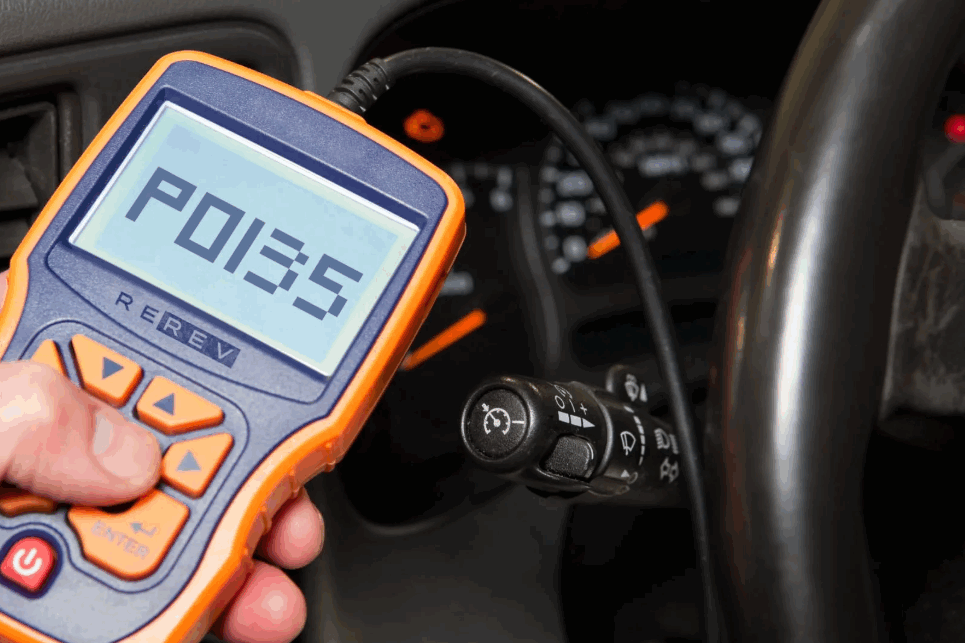
Honda P0135 Code is an OBD II trouble code that means the oxygen sensor heater circuit has a malfunction. The code applies to Bank 1 Sensor 1, which is the upstream oxygen sensor before the catalytic converter. This sensor measures oxygen levels in the exhaust system and sends data to the engine control module (ECM).
The oxygen sensor heater circuit helps the sensor reach its operating temperature faster. A heated oxygen sensor needs high temperature to create accurate voltage signals. The ECM uses these signals to adjust the air fuel ratio and maintain efficient engine operation.
Honda vehicles rely on oxygen sensors as part of the closed loop fuel control system. During a cold start, the engine cannot immediately use oxygen sensor feedback. The ECM uses preset fuel calculations until the sensor becomes active. The heater element reduces this waiting time by warming the sensor from inside.
When the heater circuit fails, the oxygen sensor may not provide accurate readings. The ECM detects abnormal electrical conditions in the circuit and stores the P0135 code. It also turns on the Check Engine Light to alert the driver.
Honda P0135 Code does not always mean the oxygen sensor is defective. The failure can also come from damaged wiring, poor electrical connections, a faulty fuse, or an ECM control issue. A proper diagnosis is required before replacing any component.
Bank 1 Sensor 1 is important because it provides the first oxygen measurement used for fuel adjustment. A faulty signal can affect fuel efficiency, emissions performance, and overall engine operation.
What Are the Symptoms of Honda P0135 Code?
Honda P0135 Code creates several symptoms that affect engine operation, fuel efficiency, and emissions performance. The most common sign is the Check Engine Light appearing on the dashboard. The ECM activates this warning when it detects an abnormal condition in the oxygen sensor heater circuit.
The Check Engine Light may appear immediately after the heater circuit failure is detected. In some cases, the vehicle continues to drive normally because the oxygen sensor can still operate after the exhaust reaches a high temperature. However, the engine may lose fuel control accuracy during cold starts.
Another common symptom is increased fuel consumption. The oxygen sensor provides feedback about the amount of oxygen in the exhaust gases. When the sensor does not reach its correct operating temperature, the ECM may receive delayed or inaccurate information. This can cause the engine to use more fuel than necessary.
Poor cold start performance is also associated with Honda P0135 Code. The oxygen sensor heater normally reduces the time required for the sensor to become active. When the heater circuit fails, the engine may remain in open loop mode longer. During this period, the ECM uses estimated fuel calculations instead of real time oxygen readings.
Some drivers may notice rough idle or unstable engine operation. This happens because incorrect oxygen sensor data can affect fuel mixture adjustments. The engine may run too rich or too lean depending on the information received by the ECM.
A Honda with P0135 Code may also fail an emissions test. The oxygen sensor plays an important role in controlling exhaust emissions. If the sensor does not work correctly, the vehicle may produce higher levels of pollutants.
The severity of these symptoms depends on the condition of the oxygen sensor and the type of electrical failure. A damaged heater wire may create different symptoms compared with a completely failed oxygen sensor.
What Causes Honda P0135 Code?
Honda P0135 Code is caused by a failure in the oxygen sensor heater circuit. The heater circuit contains electrical components that provide heat to the oxygen sensor. When one of these components fails, the sensor cannot reach its required operating temperature quickly.
There are 5 main causes of Honda P0135 Code. The most common cause is a failed upstream oxygen sensor. The internal heater element inside the sensor can wear out over time. When the heating element cannot maintain the correct temperature, the ECM detects abnormal circuit performance and stores the P0135 code.
A damaged wiring harness is another common cause. The oxygen sensor wiring is exposed to heat, vibration, and moisture near the exhaust system. These conditions can damage insulation, break wires, or create short circuits. A damaged wire can prevent electrical current from reaching the heater element.
A blown fuse can also trigger Honda P0135 Code. The oxygen sensor heater circuit requires electrical power from the vehicle system. If the fuse protecting this circuit fails, the heater cannot operate. The ECM then detects a missing electrical response from the oxygen sensor.
Poor electrical connections can create the same problem. Corrosion, loose connectors, or damaged terminals can increase resistance in the circuit. Higher resistance reduces the amount of current reaching the heater element and affects sensor performance.
An ECM or PCM control problem is the least common cause of Honda P0135 Code. The engine computer controls the operation of the heater circuit and monitors its performance. If the control signal is incorrect, the system may report a heater circuit malfunction even when the sensor and wiring are in good condition.
Understanding the exact cause is important because each failure requires a different repair. Replacing the oxygen sensor without testing the wiring and electrical system may not solve the problem.
How Do You Diagnose Honda P0135 Code?
Diagnosing Honda P0135 Code requires checking the complete oxygen sensor heater circuit. The code does not automatically confirm that the oxygen sensor is faulty. A proper diagnostic process identifies whether the problem comes from the sensor, wiring, electrical supply, or ECM control.
The first step is scanning the vehicle with an OBD II scanner. The scanner confirms the stored trouble code and provides additional information from the freeze frame data. This data shows engine conditions when the ECM detected the failure, including engine temperature, vehicle speed, and operating conditions.
The next step is inspecting the oxygen sensor connector and wiring. The upstream oxygen sensor is located near the exhaust system, where high temperatures can damage electrical components. Technicians should check for melted insulation, broken wires, corrosion, or loose connections. A damaged connector can interrupt power flow and create the same symptoms as a failed sensor.
Testing the heater circuit voltage is another important step. The heater element needs a stable electrical supply to operate correctly. A multimeter can measure whether the circuit receives the required voltage from the vehicle electrical system. If voltage is missing, the problem may involve a fuse, wiring, or power supply issue.
The oxygen sensor heater resistance should also be measured. A healthy heater element has a specific resistance range based on the Honda model and sensor type. An open circuit or extremely high resistance usually indicates a failed heater element inside the oxygen sensor.
The final step is checking the ECM control signal. The ECM controls the heater operation and monitors circuit performance. If the sensor, wiring, and power supply are working correctly but the code remains, further ECM testing may be required.
Accurate diagnosis prevents unnecessary part replacement. Many P0135 repairs fail because the oxygen sensor is replaced before checking the complete heater circuit.
How Do You Fix Honda P0135 Code?
Fixing Honda P0135 Code requires repairing the component that causes the oxygen sensor heater circuit failure. The correct repair depends on the diagnostic results. Replacing parts without identifying the actual cause can increase repair costs and may not remove the Check Engine Light.
The most common repair is replacing a faulty upstream oxygen sensor. The heater element inside the sensor can fail because of age, electrical damage, or internal wear. When the sensor cannot maintain the correct heating function, installing a new sensor restores normal heater circuit operation and allows the ECM to receive accurate oxygen readings.
Repairing damaged wiring is another solution for Honda P0135 Code. The oxygen sensor harness is located near the exhaust system, where heat exposure can damage wires and connectors. A technician may need to repair broken wires, replace damaged connectors, or restore proper electrical insulation.
Replacing a blown fuse can fix the code when the heater circuit loses electrical power. The fuse protects the circuit from electrical overload. If the fuse fails, the cause of the overload should also be inspected before installing a replacement fuse.
Cleaning or repairing electrical connections can also solve the problem. Corrosion or loose terminals can increase electrical resistance and reduce power flow to the oxygen sensor heater. Restoring a clean connection allows the heater circuit to operate normally.
An ECM or PCM repair is rarely required. These components control the oxygen sensor heater circuit, but failures are uncommon compared with sensor and wiring problems. Proper testing should confirm an electronic control issue before replacing an expensive engine computer.
The best repair approach is based on diagnosis results. A Honda P0135 Code caused by a failed sensor requires sensor replacement, while a wiring problem requires electrical repair. Correct identification prevents unnecessary repairs and restores proper engine performance.
How Much Does It Cost to Fix Honda P0135 Code?
The cost to fix Honda P0135 Code depends on the failed component, repair method, vehicle model, and labor rates. The final price can vary because the code may require a simple wiring repair or a complete oxygen sensor replacement.
A diagnostic inspection is usually the first cost involved. A professional technician uses an OBD II scanner and electrical testing tools to identify the cause of the heater circuit failure. The diagnostic fee commonly ranges from $50 to $150, depending on the repair shop and location.
Replacing the oxygen sensor is one of the most common repairs for Honda P0135 Code. The total cost usually ranges from $150 to $500, including parts and labor. The price depends on the Honda model, sensor type, and whether the vehicle uses a standard oxygen sensor or a more advanced air fuel ratio sensor.
Wiring repairs can have different costs because the damage location affects labor time. A simple connector repair may cost less than replacing a section of the wiring harness near the exhaust system. Extensive wiring damage requires more inspection and repair work.
A blown fuse or damaged electrical connection may be a lower cost repair. However, the technician should identify why the fuse failed before replacing it. Repeated fuse failure can indicate a deeper electrical problem.
The most expensive repair scenario involves ECM or PCM problems. These failures are uncommon but require advanced testing and possible computer replacement or reprogramming.
The best way to reduce Honda P0135 repair costs is to diagnose the problem accurately before replacing components. Testing the heater circuit first helps avoid replacing a working oxygen sensor when the actual issue is a wiring or electrical problem.
Can You Drive a Honda With P0135 Code?
You can usually drive a Honda with P0135 Code for a short period, but ignoring the problem for a long time is not recommended. The code mainly affects the oxygen sensor heater circuit, so the vehicle may continue operating after the engine reaches normal temperature. However, the engine may not receive accurate oxygen sensor feedback during cold starts.
The main concern is reduced fuel control accuracy. The oxygen sensor helps the ECM adjust the air fuel mixture based on exhaust oxygen levels. When the heater circuit fails, the sensor takes longer to become active. This delay can increase fuel consumption and affect emissions performance.
A Honda with P0135 Code should be inspected sooner if other symptoms appear. Poor acceleration, rough engine operation, unusual fuel consumption, or additional trouble codes may indicate a larger engine management issue. These symptoms suggest that the problem may involve more than the oxygen sensor heater circuit.
Driving with the code for an extended period can also cause an emissions test failure. The oxygen sensor is an important part of the vehicle’s emissions control system. A malfunctioning sensor can prevent the engine from maintaining the correct combustion conditions.
A flashing Check Engine Light requires immediate attention. A flashing warning usually indicates a severe engine problem, such as a misfire, that can damage the catalytic converter. A steady Check Engine Light with only P0135 stored is generally less urgent, but diagnosis should still be completed.
The safest approach is to diagnose Honda P0135 Code as soon as possible. Early repair prevents unnecessary fuel costs and reduces the risk of additional problems developing in the engine management system.
Which Honda Models Commonly Have P0135 Code?
Honda P0135 Code can appear on many Honda models because these vehicles use oxygen sensors with heater circuits to control fuel management and emissions. The code definition remains the same across different models, but the sensor location and replacement procedure may vary depending on the engine design.
Honda Civic is one of the models where P0135 Code is commonly diagnosed. The Civic uses upstream oxygen sensors to monitor exhaust oxygen levels before the catalytic converter. A failure in the heater circuit can prevent the sensor from reaching operating temperature quickly, especially during cold starts.
Honda Accord can also experience P0135 Code because its engine control system depends on accurate oxygen sensor feedback. Different Accord generations use different engine configurations, but the diagnostic process remains focused on checking the oxygen sensor heater circuit, wiring, and electrical supply.
Honda CR V models may also develop this code as the vehicle ages. The oxygen sensor is exposed to heat cycles, moisture, and exhaust conditions during normal operation. Over time, these factors can affect the sensor heating element or electrical connections.
Other Honda vehicles, including Honda Pilot, Honda Odyssey, and Honda Fit, can also store P0135 Code when the upstream oxygen sensor heater circuit fails. The same troubleshooting principles apply across these models because the ECM monitors similar electrical conditions.
Although the vehicle model changes, the repair process follows the same basic approach. Technicians must identify whether the failure comes from the oxygen sensor, wiring harness, fuse, connector, or ECM control signal. Checking the specific Honda service information is important because sensor specifications and resistance values can differ between engines.
Understanding model differences helps owners avoid incorrect repairs. A Honda Civic P0135 Code and a Honda CR V P0135 Code may have the same meaning, but the exact repair steps depend on the vehicle’s engine configuration and sensor design.
Honda P0135 Code: Final Summary
Honda P0135 Code identifies a problem with the oxygen sensor heater circuit on Bank 1 Sensor 1. The code does not always mean that the oxygen sensor itself has failed. The actual cause can come from several components, including the sensor heater element, wiring harness, fuse, electrical connection, or ECM control system.
Accurate diagnosis is the most important step when repairing this issue. Testing the complete heater circuit helps determine whether the problem requires an oxygen sensor replacement or a smaller electrical repair. Replacing parts without testing can increase costs and may not solve the original problem.
A Honda with P0135 Code may continue to operate, but delaying the repair can affect fuel efficiency, emissions performance, and engine management accuracy. Early inspection helps prevent additional issues and keeps the vehicle operating efficiently.
Understanding how the oxygen sensor heater circuit works makes troubleshooting easier. The sensor, wiring, and ECM work together to maintain correct air fuel control. When one part fails, identifying the exact failure point is the key to a successful repair.
For Honda owners, resolving P0135 Code with proper diagnostic methods provides a more reliable solution than replacing components based only on the trouble code. A complete inspection ensures the vehicle receives the correct repair and maintains normal performance.