A Honda Blind Spot Information System problem means your Honda cannot monitor vehicles in your blind spots correctly. The warning usually appears when the radar sensors lose accuracy or detect a system fault. Dirt, snow, and ice often trigger the warning. Rear bumper damage, faulty wiring, low battery voltage, or a failed radar sensor can also cause it. The warning itself does not identify the exact problem, so you must diagnose the system before replacing any parts.
Most drivers can continue driving after this warning appears. However, you should no longer rely on the Blind Spot Information System. The feature only supports the driver during lane changes. It does not control the brakes, steering, or engine. Instead, check your mirrors carefully and perform a shoulder check every time you change lanes. These habits remain essential until you restore the system.
Some owners solve the problem by cleaning the rear bumper. Others need electrical repairs, radar calibration, or sensor replacement. The correct solution depends on the actual cause rather than the warning message itself. This guide explains what the Honda Blind Spot Information System problem means, why it happens, how to diagnose it correctly, which repair methods work best, and how much you can expect to pay. By following the repair process in the proper order, you can avoid unnecessary expenses and restore the system more efficiently.
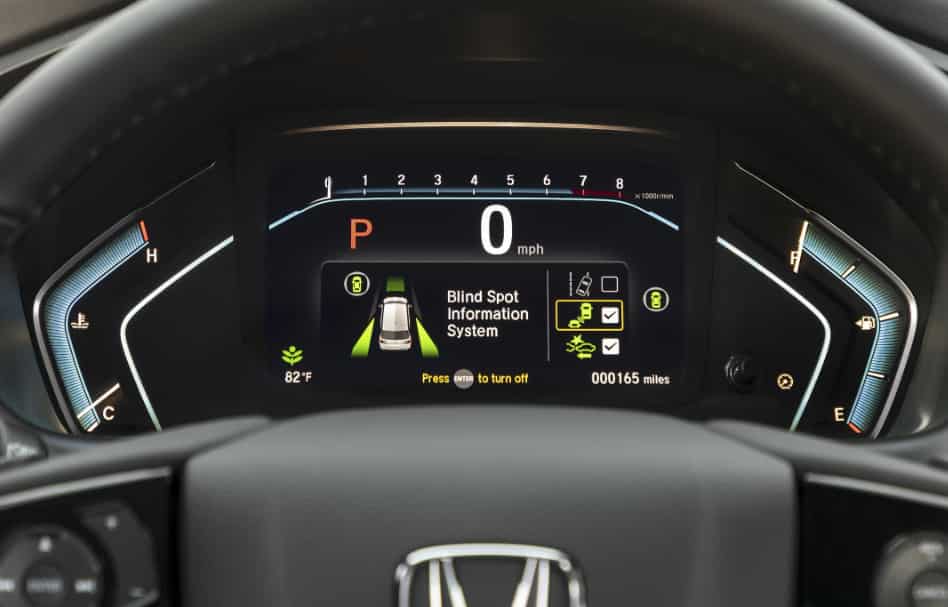
What Does the Honda Blind Spot Information System Problem Message Mean?
A Honda Blind Spot Information System problem means the vehicle cannot operate the blind spot monitoring system as intended. The warning appears when the system detects a fault or loses the ability to monitor nearby traffic accurately. In most cases, the radar sensors cannot collect reliable data because something affects their performance. The issue may be temporary, or it may require professional repair.
Honda uses two radar sensors behind the rear bumper to monitor vehicles approaching from adjacent lanes. These sensors constantly exchange information with the vehicle’s control modules. When the system detects abnormal sensor data, interrupted communication, or an internal fault, it disables blind spot monitoring and displays a warning message. This action prevents inaccurate alerts that could confuse the driver during a lane change.
Not every warning points to a serious hardware failure. Road dirt, packed snow, heavy rain, or thick ice can block the radar signals and reduce detection accuracy. Once the obstruction disappears, the system may return to normal operation without additional repairs. However, the warning should not remain on after the sensor area is clean. If it does, the vehicle may have a damaged radar sensor, loose wiring, low system voltage, or a calibration problem.
Many Honda owners also notice a similar message that says Blind Spot Information Not Available. Although the two messages look similar, they usually describe different situations. A Not Available message often appears when outside conditions temporarily limit radar performance. By comparison, a System Problem message more strongly suggests an electrical, mechanical, or communication fault. The warning alone cannot identify the failed component, so a proper diagnostic inspection remains the only reliable way to determine the actual cause.
While the warning is active, the Blind Spot Information System no longer provides its normal assistance. The mirror indicator may not illuminate when another vehicle enters your blind spot. Audible alerts may also stop depending on the Honda model. For this reason, you should treat the vehicle as if it does not have blind spot monitoring until the fault has been diagnosed and repaired. Using your mirrors and performing a shoulder check remains the safest approach whenever you change lanes.
Can You Drive With a Honda Blind Spot Information System Problem?
Yes, you can usually continue driving after a Honda Blind Spot Information System problem appears. The warning does not mean the engine, transmission, steering, or braking system has failed. Instead, it tells you that the Blind Spot Information System cannot provide reliable lane monitoring. Your Honda will continue to drive normally, but you should no longer depend on blind spot alerts until the problem has been fixed.
The biggest risk comes from losing an extra layer of driver assistance. Under normal conditions, the radar sensors monitor the lanes beside your vehicle and warn you when another vehicle enters your blind spot. Once the system becomes unavailable, those alerts may disappear completely. As a result, you must rely on your mirrors and perform a shoulder check before every lane change. These basic driving habits become even more important when the warning remains on.
Although most cases are not emergencies, you should never ignore the warning for a long period. A temporary obstruction may clear after you clean the rear bumper or drive out of heavy rain. However, a persistent warning often points to an electrical fault, radar misalignment, damaged wiring, or a failed sensor. Driving without blind spot assistance for a short trip is generally acceptable, but delaying diagnosis for weeks increases the chance of overlooking a larger problem that could affect repair costs later.
You should inspect the vehicle immediately if the warning appears after a rear-end collision or even a minor parking impact. Radar sensors sit behind the rear bumper, so a small dent can change their alignment without causing obvious exterior damage. A loose bumper, cracked mounting bracket, or damaged wiring may prevent the system from working correctly even though the vehicle still drives normally.
Extra caution is also necessary when the Blind Spot Information System problem appears together with other warning messages. If the dashboard shows multiple Honda Sensing or electrical faults at the same time, the issue may involve battery voltage, a damaged wiring harness, or communication between control modules. In this situation, a professional diagnostic inspection is the safest next step because replacing individual parts without testing rarely solves the underlying problem.
The safest approach is simple. Continue driving only when the vehicle operates normally and no other critical warning lights appear. Drive more carefully, avoid unnecessary lane changes, and schedule a diagnostic inspection as soon as possible if the warning does not disappear. Restoring the Blind Spot Information System ensures that the safety feature can provide accurate alerts again when you need them most.
What Are the Main Causes of a Honda Blind Spot Information System Problem?
Several different issues can trigger a Honda Blind Spot Information System problem, but most fall into a small number of categories. The warning often appears when the radar sensors cannot detect surrounding traffic accurately or when the control system identifies an electrical fault. In many cases, the root cause is much simpler than drivers expect. However, the only way to confirm the exact problem is to inspect the vehicle and follow a logical diagnostic process.
A blocked radar sensor is one of the most common causes. Honda places the blind spot radar sensors behind the left and right corners of the rear bumper. Dirt, mud, road salt, packed snow, or thick ice can reduce the strength of the radar signal and prevent the system from monitoring nearby vehicles correctly. Heavy rain can also interfere with radar performance for a short time. Once the obstruction disappears, the warning may clear without any additional repairs.
Rear bumper damage is another frequent cause. Even a low-speed parking accident can affect the radar sensor without leaving major visible damage. A bent mounting bracket or a slightly shifted bumper can change the sensor’s angle enough to disable the system. Previous body repairs may create similar problems if the bumper was not installed correctly or if unsuitable repair materials interfere with radar signals. These issues often remain hidden until the warning appears on the dashboard.
Electrical faults also play an important role. A loose connector, damaged wiring harness, or corroded terminal can interrupt communication between the radar sensors and the control module. Low battery voltage may create similar symptoms because modern driver assistance systems rely on a stable electrical supply. In some situations, drivers notice several warning lights at the same time because multiple systems share the same power source or communication network.
A failed radar sensor is less common, but it should not be ignored. Internal electronic damage, water intrusion, or normal component wear can eventually prevent the sensor from operating. When this happens, cleaning the bumper will not solve the problem. The warning usually remains active until the faulty component is repaired or replaced. After replacement, some Honda models also require radar calibration to restore accurate detection.
Although these causes vary, they all affect the same goal. The Blind Spot Information System must receive accurate radar data before it can warn the driver about nearby vehicles. When that information becomes unreliable, Honda disables the feature to prevent false alerts or missed detections. For that reason, cleaning the bumper should always be the first step, but persistent warnings require proper testing instead of guesswork.
How Does the Honda Blind Spot Information System Work?
The Honda Blind Spot Information System uses rear-mounted radar sensors to detect vehicles traveling in the lanes beside your Honda. The system constantly scans the areas that are difficult to see through the side mirrors alone. When another vehicle enters the monitored zone, the system warns the driver before a lane change becomes unsafe. This extra layer of awareness helps reduce the risk of side-impact collisions, but it does not replace safe driving habits.
Honda installs one radar sensor behind each rear corner of the bumper. These sensors emit radar waves that travel through the bumper cover and reflect off nearby vehicles. The system analyzes the returning signals to determine the position, speed, and direction of surrounding traffic. It then sends this information to the vehicle’s control module, which decides whether a warning is necessary. Because the radar operates behind the bumper, the sensor remains protected from everyday road conditions while maintaining a clear detection area.
When another vehicle enters your blind spot, a warning indicator illuminates in the corresponding side mirror. If you activate the turn signal while that vehicle remains in the detection zone, the warning becomes more noticeable. Depending on the Honda model, the indicator may flash or work with an audible alert to capture the driver’s attention. The system responds within seconds, allowing you to recognize potential hazards before moving into the next lane.
Although the Blind Spot Information System is highly effective, it cannot detect every situation. Detection accuracy depends on the surrounding environment, vehicle speed, and the position of nearby traffic. Sharp curves, heavy rain, roadside barriers, motorcycles, or vehicles approaching at very high speeds can reduce system performance. These conditions do not always indicate a fault. Instead, they reflect the normal operating limits of radar-based driver assistance technology.
Understanding how the system works also explains why certain repairs become necessary. The radar sensors require a clear signal path and precise alignment to monitor adjacent lanes accurately. Dirt, bumper damage, poor body repairs, or a shifted sensor bracket can interfere with radar signals and prevent reliable detection. Even a small change in sensor position may cause false alerts or disable the system completely. For this reason, technicians often inspect both the physical condition of the bumper and the electronic operation of the radar before replacing any components.
How Do You Diagnose a Honda Blind Spot Information System Problem?
Diagnosing a Honda Blind Spot Information System problem starts with the simplest checks before moving to advanced testing. This approach saves time, reduces repair costs, and prevents unnecessary parts replacement. Many owners assume the radar sensor has failed as soon as the warning appears. In reality, temporary obstructions and minor electrical issues cause many BSI warnings. A systematic inspection helps identify the real fault instead of relying on guesswork.
Begin by inspecting both rear corners of the bumper because the radar sensors sit behind these areas. Look for dirt, mud, snow, road salt, or thick ice that could block the radar signals. Next, check for dents, cracked bumper covers, or loose panels. Even a small parking impact can shift the radar sensor enough to affect its accuracy. After cleaning the bumper and inspecting for visible damage, restart the vehicle and see whether the warning disappears. If the message clears, the problem was likely temporary rather than a hardware failure.
If the warning remains, inspect the vehicle’s electrical system. A weak battery or unstable charging voltage can affect several driver assistance features at the same time. Corroded battery terminals, damaged wiring, or loose connectors may interrupt communication between the radar sensors and the control module. When multiple warning lights appear together, the electrical system deserves attention before any sensor replacement. Solving a voltage problem often restores normal operation without replacing expensive components.
The next step is to perform a diagnostic scan with a Honda-compatible scan tool. A basic OBD-II reader usually accesses engine-related codes, but it may not communicate with the Blind Spot Information System. Professional diagnostic equipment can retrieve manufacturer-specific fault codes, identify the affected sensor, and detect communication or calibration errors. This information allows technicians to focus on the actual cause instead of testing every component individually.
A complete diagnosis should also include a physical inspection of the radar sensor mounts and their alignment. Sensors that have shifted after a collision may continue reporting faults even though they remain electrically functional. In some cases, the radar units require calibration after bumper repairs or sensor replacement. Skipping this step can leave the warning active or reduce detection accuracy during normal driving.
Following the correct diagnostic sequence produces more reliable results than replacing parts one by one. Cleaning the bumper, checking the electrical system, scanning for fault codes, and verifying sensor alignment provide a complete picture of the problem. Once the root cause has been confirmed, choosing the correct repair becomes faster, more accurate, and far less expensive.
How Do You Fix a Honda Blind Spot Information System Problem?
Fixing a Honda Blind Spot Information System problem depends on the underlying cause rather than the warning message itself. Some issues disappear after a simple inspection, while others require professional repair and calibration. Starting with the easiest solutions helps eliminate temporary problems before you spend money on replacement parts. This method also reduces the risk of replacing a component that is still working correctly.
The first step is to clean both rear corners of the bumper because the radar sensors operate behind these areas. Dirt, road salt, snow, and ice can weaken the radar signal and trigger a warning. Wash the bumper with clean water and automotive soap, then dry the surface with a soft microfiber cloth. Avoid using sharp tools to remove ice because they can damage the bumper cover and reduce radar performance. After cleaning the vehicle, restart the engine and drive for a short distance to determine whether the warning disappears.
If the message remains on the dashboard, inspect the electrical system before replacing any parts. Check the battery condition and confirm that the charging system provides stable voltage. Look for loose connectors, damaged wiring, or signs of corrosion near the rear bumper if they are accessible. Electrical faults often interrupt communication between the radar sensors and the control module. Repairing a damaged connector or restoring proper voltage may solve the problem without replacing the radar sensor.
When electrical components appear normal, a diagnostic scan becomes the next priority. A Honda-compatible scan tool can identify the affected sensor, detect communication faults, and reveal calibration errors. These fault codes provide valuable information because several different problems can produce the same dashboard warning. Accurate diagnosis prevents unnecessary repairs and allows technicians to focus on the failed component instead of replacing parts through trial and error.
Some vehicles require radar calibration after body repairs or sensor replacement. Calibration ensures that each radar sensor monitors the correct detection area and reports accurate information to the control module. A sensor that is only a few millimeters out of position may generate false alerts or fail to detect nearby vehicles. For this reason, calibration is just as important as replacing the damaged part. Skipping this step can leave the warning active even after a new sensor has been installed.
Radar sensor replacement should always be the final step instead of the first. Internal electronic failure, water intrusion, or severe impact damage can permanently damage the sensor. However, technicians should only replace the unit after confirming the fault through proper testing. Once the repair is complete, the system should be scanned again to verify that all fault codes have cleared and the Blind Spot Information System operates normally during a road test.
When Does a Honda Blind Spot Sensor Need Calibration?
A Honda blind spot sensor needs calibration whenever its position or detection angle changes. Calibration allows the radar sensors to measure surrounding traffic accurately after a repair. Without this process, the Blind Spot Information System may detect vehicles too early, too late, or not at all. Even if the warning message disappears, an uncalibrated sensor can reduce the system’s reliability during everyday driving.
Sensor replacement is one of the most common reasons for calibration. A new radar unit must communicate with the vehicle and monitor the correct detection zone. Simply installing the sensor does not guarantee accurate operation because the mounting position and aiming angle must match Honda’s specifications. Many models also require the control module to verify that the sensor operates within acceptable limits before the system returns to normal.
Collision repairs can also make calibration necessary. A rear-end impact may bend the sensor bracket or slightly deform the bumper without causing obvious exterior damage. Even a small change in sensor alignment can affect how the radar tracks nearby vehicles. Similar problems may occur after replacing the rear bumper, repairing the quarter panel, or installing a new mounting bracket. For this reason, technicians often verify radar alignment after completing structural or body repairs.
Calibration may also be required when the warning remains active after the vehicle has received a new sensor or other related repairs. In many cases, the replacement part functions correctly, but the control module cannot confirm accurate radar positioning. Completing the calibration procedure allows the system to measure the sensor’s aiming angle and restore normal operation. This final step often clears warning messages that remain after the mechanical repair has already been completed.
The exact calibration procedure varies by Honda model and model year. Some vehicles require specialized targets, diagnostic software, and precise workshop measurements. Others use a dynamic learning process during a controlled road test. Regardless of the method, technicians must follow Honda’s service procedure because small measurement errors can reduce detection accuracy. Attempting to calibrate the system without the correct equipment often produces unreliable results and may leave the warning active.
If your Honda has recently received body repairs, a new radar sensor, or rear bumper work, ask the repair facility whether calibration is included in the service. A complete repair should restore both the hardware and the system’s accuracy. Confirming proper calibration helps ensure that the Blind Spot Information System provides reliable warnings whenever another vehicle enters your blind spot.
How Much Does It Cost to Fix a Honda Blind Spot Information System Problem?
The cost to fix a Honda Blind Spot Information System problem depends on the actual cause of the warning. A simple cleaning may solve the issue without any repair costs, while collision damage or a failed radar sensor can result in a much higher bill. The final price also depends on your Honda model, labor rates in your area, and whether the repair requires radar calibration after the faulty component has been replaced.
In many cases, the least expensive repair involves cleaning the rear bumper and inspecting the sensor area for dirt, snow, or ice. If the warning remains, a professional diagnostic scan is usually the next step. This inspection helps identify the exact fault before any parts are ordered. Spending money on proper diagnosis often reduces the total repair cost because technicians avoid replacing components that still work correctly.
| Repair | Estimated Cost |
|---|---|
| Clean the rear sensor area | $0–$30 |
| Professional diagnostic scan | $100–$250 |
| Wiring or connector repair | $150–$500 |
| Radar sensor calibration | $200–$600 |
| Blind spot radar sensor replacement | $500–$1,500 per sensor |
| Rear bumper and sensor repair after a collision | $1,000–$3,000+ |
Replacing a radar sensor is usually one of the most expensive repairs because the job often involves more than installing a new component. Technicians may need to remove the rear bumper, inspect the mounting bracket, verify the wiring, install the replacement sensor, and complete a calibration procedure. If the vehicle has collision damage, the repair may also include bodywork, repainting, or bracket replacement before calibration can begin.
Several factors influence the final repair bill. Newer Honda models often use more advanced radar systems with higher replacement costs. Original Honda parts generally cost more than aftermarket alternatives, although many repair facilities recommend OEM components to maintain proper system performance. Labor charges also vary between dealerships and independent repair shops, especially when specialized ADAS calibration equipment is required.
Insurance coverage depends on why the warning appeared. A failed radar sensor caused by normal wear may qualify for warranty coverage if the vehicle meets the applicable warranty terms. On the other hand, damage from a collision, vandalism, or severe weather may fall under an insurance policy rather than the manufacturer’s warranty. Before approving any repair, request a detailed estimate that separates diagnostic charges, replacement parts, labor, and calibration costs. A transparent estimate makes it easier to compare repair options and avoid unexpected expenses.
Should You Take the Vehicle to a Honda Dealer or an Independent Repair Shop?
Choosing the right repair facility is just as important as identifying the fault itself. Both Honda dealerships and independent repair shops can repair a Honda Blind Spot Information System problem, but their capabilities are not always the same. Instead of choosing a shop based only on price, you should confirm that it has the equipment and experience required to diagnose and calibrate modern driver assistance systems.
A Honda dealership is often the best option for vehicles that remain under warranty or require software updates. Dealership technicians have direct access to Honda service information, manufacturer-specific diagnostic tools, and the latest repair procedures. They can also verify whether the warning relates to a known service bulletin or a software update for your specific model. This level of support can reduce diagnostic time, especially when the warning appears intermittently or affects several Honda Sensing features at once.
An experienced independent repair shop can also provide excellent service if it specializes in ADAS diagnostics and calibration. Many independent facilities invest in advanced scan tools and radar calibration equipment that meet manufacturer requirements. These shops often charge lower labor rates while still following professional repair procedures. However, not every general repair shop has the equipment needed to diagnose radar-based safety systems accurately. Asking about their diagnostic process before scheduling a repair can help you avoid unnecessary delays.
Before approving any repair, ask whether the shop can perform a complete system scan, read Honda-specific fault codes, and calibrate the radar sensors if necessary. You should also request a written report that explains the diagnosis and confirms the repair after the work is complete. A reliable repair facility should explain why a component failed instead of recommending replacement without supporting test results.
The quality of the diagnosis ultimately matters more than the type of repair shop. A technician who follows the correct testing procedure is far more likely to solve the problem than one who replaces parts based only on the dashboard warning. Choosing a qualified repair facility improves repair accuracy, reduces unnecessary costs, and helps restore the Blind Spot Information System to normal operation.
How Can You Prevent Future Honda Blind Spot Information System Problems?
Preventing a Honda Blind Spot Information System problem is usually easier and less expensive than repairing one. Most radar-related faults develop gradually because of poor maintenance, minor impacts, or overlooked body damage. Regular inspections help keep the system operating correctly and reduce the risk of unexpected warning messages during everyday driving.
Keeping the rear bumper clean is one of the simplest ways to protect the system. Dirt, mud, road salt, snow, and ice can collect around the radar sensor areas and weaken the radar signal. Washing the rear bumper regularly removes these contaminants before they interfere with sensor performance. During winter, clear away packed snow and ice before driving because frozen buildup can temporarily disable the Blind Spot Information System.
You should also inspect the rear bumper after any parking accident or low-speed collision, even if the damage appears minor. Radar sensors rely on precise alignment, so a small impact can shift the mounting bracket or deform the bumper enough to affect detection accuracy. Repairing cosmetic damage without checking the radar system may allow hidden problems to remain unnoticed until the warning message appears again.
Aftermarket modifications deserve careful consideration as well. Thick body filler, non-compatible bumper materials, decorative accessories, or large stickers placed over the radar sensor area can reduce signal quality. If your Honda requires bumper repairs, choose a repair facility that understands radar-equipped vehicles and follows manufacturer repair procedures. Proper installation and calibration help ensure that the system performs as designed after the work is complete.
Routine maintenance also supports long-term reliability. Keeping the battery in good condition, repairing water leaks promptly, and addressing electrical problems before they become more serious can prevent communication faults within the Blind Spot Information System. If your vehicle undergoes rear body repairs or radar sensor replacement, confirm that the repair includes calibration whenever Honda recommends it.
A few simple maintenance habits can prevent many blind spot monitoring problems before they begin. Regular cleaning, careful inspections, and professional repairs protect both the radar sensors and the safety features that depend on them. Investing a small amount of time in preventive care can help you avoid expensive repairs and keep the Blind Spot Information System working reliably for years.
Conclusion
A Honda Blind Spot Information System problem does not always indicate a major mechanical failure, but it should never be ignored. Temporary conditions such as dirt, snow, or heavy rain can trigger the warning, while persistent messages often point to sensor damage, wiring faults, electrical problems, or incorrect radar alignment. Understanding this difference allows you to respond appropriately instead of replacing expensive parts without confirming the real cause.
The best approach begins with a careful inspection of the rear bumper and sensor areas. If cleaning the vehicle does not remove the warning, the next step is to check the electrical system and perform a professional diagnostic scan. Following this sequence helps identify the root cause and avoids unnecessary repairs. When the repair involves sensor replacement or body work, proper radar calibration is equally important because accurate alignment determines how well the system detects nearby vehicles.
Although your Honda can usually remain drivable while the warning is active, you should treat the Blind Spot Information System as unavailable until it has been repaired. Continue using your mirrors, perform a shoulder check before every lane change, and arrange a professional inspection if the warning does not disappear. Restoring the system correctly ensures that it can provide reliable blind spot alerts and continue supporting safe driving under normal road conditions.