The tire pressure light on a Honda Accord usually turns off after you inflate the tires correctly and start TPMS calibration. However, you should never reset the warning before checking the tires. The light often signals low tire pressure, a puncture, or another problem that needs attention. Resetting the system without fixing the cause only hides the warning for a short time.
Start by checking all four tires with an accurate pressure gauge. Inflate each tire to the cold pressure listed on the driver’s door jamb. Do not use the maximum pressure printed on the tire sidewall because it does not represent Honda’s recommended operating pressure. Correct tire pressure gives the TPMS an accurate reference for calibration.
Honda uses different TPMS control systems across Accord model years. Some vehicles let you start calibration through the infotainment touchscreen. Others use the Driver Information Interface or a dedicated TPMS button. Although the controls look different, every system follows the same goal. It learns a new pressure baseline after you correct the tire pressure.
This guide explains each step in the correct order. You will learn how to prepare the tires, start TPMS calibration, and complete the learning process. You will also discover why the tire pressure light may stay on after calibration and when the problem requires professional diagnosis.
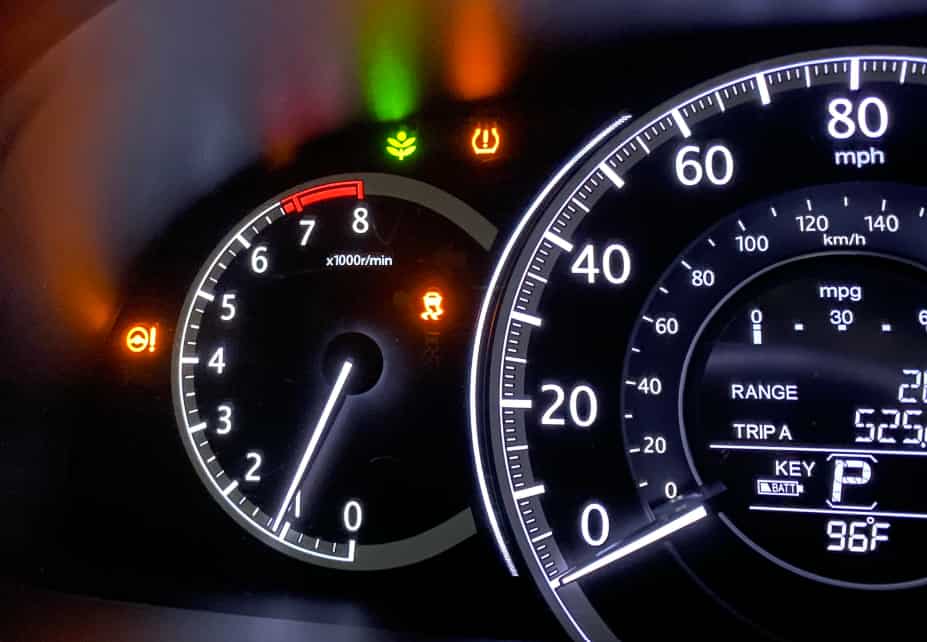
What Should You Do Before Resetting the Honda Accord Tire Pressure Light?
Resetting the tire pressure light should always begin with a complete tire inspection. Many drivers focus on clearing the warning instead of finding the real cause. This approach often leads to the same light appearing again after a short drive. Checking the tires first helps you solve the problem instead of hiding it.
First, park the vehicle on a level surface and allow the tires to cool. Cold tires provide the most accurate pressure reading because heat increases air pressure during normal driving. Honda recommends checking tire pressure before driving or after the vehicle has remained parked for several hours. This simple step gives you a reliable starting point for TPMS calibration.
Next, measure the pressure in all four tires with a quality tire pressure gauge. Compare each reading with the recommended pressure shown on the driver’s door jamb label. Do not follow the maximum pressure printed on the tire sidewall because that number represents the tire’s upper limit rather than Honda’s operating specification. Inflate or release air until every tire reaches the correct cold pressure.
After adjusting the pressure, inspect each tire carefully. Look for nails, screws, sidewall cuts, uneven tread wear, or damaged valve stems. Even a small puncture can cause slow air loss and trigger the warning light again after calibration. If one tire continues to lose pressure, repair the leak before resetting the system.
Finally, confirm that all four tires match the recommended size for your Honda Accord. Different tire sizes or uneven tread wear can affect how the TPMS interprets wheel rotation on applicable models. Once every tire is in good condition and properly inflated, you can begin the TPMS calibration process with confidence. Starting calibration at this point gives the system an accurate reference and greatly reduces the chance of the warning light returning.
How Do You Reset the Honda Accord Tire Pressure Light Through the Touchscreen?
Many newer Honda Accord models allow you to reset the tire pressure light through the infotainment touchscreen. This method starts the TPMS calibration process after you correct the tire pressure. It does not erase the warning instantly. Instead, it tells the system to learn a new pressure reference while you drive.
Start by parking the vehicle in a safe location and shifting the transmission into Park. Turn the ignition to the ON position or press the engine start button without moving the vehicle. Open the Settings menu on the touchscreen, then select Vehicle or Vehicle Settings. Next, choose TPMS Calibration and tap Calibrate. Some model years may use slightly different menu names, but the calibration option follows a similar path.
After you select Calibrate, the system begins collecting new data from all four tires. The warning light may remain on during this stage, so there is no need to repeat the process immediately. Drive the vehicle under normal conditions and allow the system enough time to complete calibration. In most cases, the warning disappears automatically after the system confirms stable tire pressure and normal wheel behavior.
If the calibration option does not appear, check that the vehicle supports touchscreen calibration. Some Honda Accord trims use the Driver Information Interface or a physical TPMS button instead. You should also confirm that the vehicle remains in Park while starting the process. Opening the wrong settings menu or attempting calibration while driving can prevent the system from starting correctly.
If the tire pressure light stays on after calibration, inspect the tires again before repeating the procedure. One tire may still have low pressure or a slow air leak. Correcting the underlying problem always produces better results than restarting calibration several times. Once every tire reaches the recommended pressure, the TPMS can complete the learning process and switch the warning light off naturally.
How Do You Reset the Honda Accord TPMS Through the Driver Information Display?
Many Honda Accord models use the Driver Information Display instead of a touchscreen to start TPMS calibration. The process is simple once you locate the correct menu. Although the button layout varies between model years, the overall procedure remains similar. You only need to start the calibration after confirming that all four tires have the correct pressure.
Begin by parking the vehicle on a level surface and shifting the transmission into Park. Turn the ignition to the ON position without driving away. Use the steering wheel controls to open the Driver Information Display, then navigate to Settings or Vehicle Settings. Continue until you find the TPMS Calibration option, then select Calibrate to begin the process. The display may ask you to confirm your choice before calibration starts.
After you confirm the command, the system records a new reference based on the current tire pressure. The warning light may stay on for a short time because calibration does not finish immediately. Instead, the vehicle continues learning while you drive under normal conditions. This behavior is completely normal and does not indicate a failed reset.
If you cannot find the TPMS menu, check your owner’s manual before trying another method. Honda uses different display layouts across Accord generations, so the menu location is not identical on every model. Some vehicles place TPMS Calibration inside the Vehicle Settings menu, while others organize it under Driver Assist or Maintenance settings. Following the correct menu for your specific model prevents unnecessary confusion.
Once calibration begins, continue driving as you normally would. Avoid restarting the process unless the warning light remains on after sufficient driving time. If the light does not turn off, recheck the tire pressure and inspect each tire for damage or air leaks. A successful reset always starts with accurate tire pressure and a properly completed calibration process.
How Do You Reset the Tire Pressure Light on an Older Honda Accord?
Resetting the tire pressure light on an older Honda Accord depends on the control system installed in the vehicle. Honda changed the TPMS interface several times across different model years. Some models include a dedicated TPMS button, while others use a Settings button or a multi-information display. Identifying the correct system before you begin saves time and prevents unnecessary troubleshooting.
If your Honda Accord has a dedicated TPMS button, make sure all four tires are inflated to the recommended cold pressure first. Park the vehicle, switch the ignition to the ON position, and press the TPMS button until the indicator blinks. Release the button and wait for the system to accept the command. The blinking light confirms that calibration has started, but it does not mean the process is complete. The vehicle still needs time to learn the new pressure reference during normal driving.
Some older Accord models do not include a physical TPMS button. Instead, they allow you to start calibration through the Settings menu. Turn the ignition on and open the Vehicle Settings menu using the selector knob or dashboard controls. Find the TPMS Calibration option, then choose Calibrate or Initialize if that option appears. The wording may change slightly between model years, but the function remains the same. The system records a new baseline after you confirm the command.
Avoid trying several reset methods on the same vehicle. A procedure designed for one model year may not work on another because Honda updated the dashboard layout and control system over time. If you are unsure which method applies to your Accord, check the owner’s manual before starting calibration. Using the correct procedure reduces errors and helps the TPMS complete the learning process without interruption.
How Long Does Honda Accord TPMS Calibration Take?
Many Honda Accord owners expect the tire pressure light to turn off as soon as they start TPMS calibration. In reality, the system needs time to learn a new pressure reference. Calibration begins when you select the command, but it finishes only after the vehicle collects enough driving data. This delay is a normal part of the process and does not indicate a problem.
After you start calibration, drive the vehicle under normal road conditions. The TPMS compares wheel movement and confirms that all four tires operate with the correct pressure. Most Honda Accord models complete this learning process after about 30 minutes of cumulative driving. The total driving time does not have to occur in a single trip because the system continues learning across multiple journeys.
Drive at a steady speed whenever possible and avoid stopping the process by restarting calibration repeatedly. Frequent interruptions can delay the learning cycle and keep the warning light on longer than expected. If you complete several short trips, the system may need additional time before it confirms the new pressure baseline. Continuing to drive normally usually solves the issue without any extra steps.
If the tire pressure light remains on after enough driving, inspect the tires again before starting another calibration. One tire may have lost pressure because of a slow leak or an incorrect inflation level. You should also confirm that you selected the calibration option successfully before leaving the parking area. If every tire has the correct pressure and the warning still does not disappear, the TPMS may require further diagnosis instead of another reset. Understanding how calibration works helps you avoid unnecessary repetition and makes the reset process much more effective.
Why Does the Honda Accord Tire Pressure Light Stay On After Resetting?
A Honda Accord tire pressure light can stay on even after you complete the reset process. In most cases, the system still detects a condition that requires attention. Restarting TPMS calibration rarely fixes the problem if the underlying issue remains. Instead, you should identify the cause before attempting another reset.
The most common reason is incorrect tire pressure. One tire may still be below the recommended level, even if the others appear normal. Temperature changes can also reduce air pressure overnight, especially during colder weather. Checking every tire with an accurate pressure gauge is more reliable than relying on a visual inspection because a slightly underinflated tire often looks normal.
A slow air leak is another common cause. A small nail, damaged valve stem, or poor bead seal can allow air to escape gradually. The tire may lose only a few pounds of pressure over several days, but that is enough to trigger the warning light again. If you notice the same tire losing pressure repeatedly, repair the leak before starting another calibration. Otherwise, the warning will continue to return.
The TPMS may also keep the warning light on if calibration did not finish successfully. This can happen when the vehicle has not been driven long enough or when the calibration process never started correctly. Review the tire pressure, confirm that calibration was activated, and continue driving under normal conditions before assuming the system has failed.
If the warning light flashes before remaining illuminated, the problem is usually different from low tire pressure. A flashing TPMS indicator often points to a system malfunction instead of a calibration issue. In that situation, another reset is unlikely to solve the problem. Professional diagnosis is the safest way to identify a faulty sensor, communication error, or other electronic fault that prevents the TPMS from operating correctly.
When Must You Recalibrate the Honda Accord TPMS?
TPMS calibration is not part of your daily driving routine, but it becomes necessary after several common maintenance procedures. Many drivers recalibrate the system only after the warning light appears. However, Honda recommends starting a new calibration whenever tire conditions change. Doing so helps the system recognize the correct pressure reference and improves its accuracy during normal driving.
You should recalibrate the TPMS after adjusting the tire pressure. This step is important because the system needs to learn the updated pressure values instead of relying on the previous baseline. The same rule applies after rotating the tires. Moving each tire to a different position changes the wheel rotation pattern, so the system must collect new information before it can monitor tire pressure correctly.
Replacing one or more tires also requires TPMS calibration. A new tire often has a different tread depth from the remaining tires, even when the size matches the original specification. This difference can affect how the system interprets wheel movement during calibration. Starting a new learning cycle allows the TPMS to adapt to these changes and monitor the vehicle more accurately.
Seasonal temperature changes can also make recalibration necessary. Cold weather lowers tire pressure, while warmer conditions increase it. After correcting the pressure to the recommended cold specification, you should recalibrate the system to establish a new reference. This simple step helps prevent unnecessary warning lights as the seasons change.
Keep in mind that TPMS calibration cannot repair mechanical or electronic problems. If a tire has a puncture, loses air continuously, or contains a damaged sensor, recalibration will not solve the issue. Always fix the underlying problem first, then start a new calibration. Following this order allows the Honda Accord TPMS to monitor tire pressure accurately and reduces the chance of repeated warning lights.
Can You Reset a Honda Accord Tire Pressure Light Without a Scan Tool?
Yes, you can reset the tire pressure light on most Honda Accord models without using a scan tool. Honda designs the TPMS calibration feature so drivers can complete the process through the vehicle’s built-in controls. Once you correct the tire pressure, you can usually start calibration from the touchscreen, the Driver Information Display, or the dedicated TPMS button, depending on the model year.
A scan tool is not part of the normal reset procedure because the TPMS does not need to erase fault codes after routine tire maintenance. Instead, it creates a new pressure reference after you inflate the tires correctly and begin calibration. As the vehicle collects driving data, the system compares wheel behavior and confirms that the tires operate within the expected range. When calibration finishes successfully, the warning light turns off automatically.
However, some situations require more than a standard calibration. If the tire pressure light flashes before remaining illuminated, the system may have detected an electronic fault instead of low tire pressure. A damaged TPMS sensor, communication problem, or stored diagnostic trouble code can prevent the system from working correctly. In these cases, a scan tool helps identify the exact fault and allows a technician to perform additional testing.
You may also need diagnostic equipment after replacing a damaged TPMS sensor or installing new components on models that use direct tire pressure sensors. The vehicle must recognize the new hardware before the system can monitor tire pressure accurately. Simply repeating the calibration process will not solve a communication or sensor problem.
For routine maintenance, always begin with the built-in TPMS calibration procedure. If the warning light remains on after correcting the tire pressure and completing the recommended driving cycle, inspect the tires carefully and consider a professional diagnosis. This approach saves time, avoids unnecessary repairs, and ensures that the TPMS continues to protect you with accurate pressure monitoring.
When Should a Tire Shop Inspect the Honda Accord TPMS?
Most tire pressure warnings disappear after you correct the tire pressure and complete TPMS calibration. However, some problems require professional inspection because they involve damaged components or hidden air leaks. Ignoring these issues can reduce driving safety and shorten tire life. Knowing when to seek professional help prevents unnecessary resets and helps you fix the real cause.
Schedule a tire inspection if the warning light stays on after you complete the recommended calibration and driving cycle. Start by confirming that all four tires match the recommended cold pressure. If the pressure is correct but the warning remains, the system may have detected a fault that calibration cannot resolve. A technician can inspect the tires, verify the TPMS operation, and identify problems that are difficult to detect during a visual inspection.
You should also visit a tire shop if one tire loses pressure repeatedly. A slow leak often develops from a nail, damaged valve stem, cracked wheel, or poor bead seal. These problems may release only a small amount of air each day, but the pressure eventually falls below the recommended level. Adding more air without repairing the leak only causes the warning light to return.
Professional diagnosis is also important when the TPMS indicator flashes before remaining illuminated. This warning pattern usually points to an electronic problem instead of low tire pressure. A technician can use diagnostic equipment to check for communication errors, damaged sensors, or stored fault codes. This process identifies the exact cause instead of relying on trial and error.
Do not ignore unusual driving symptoms while the warning light is on. If the vehicle pulls to one side, vibrates at normal speeds, or feels unstable during braking, inspect the tires immediately. These symptoms may indicate tire damage or another mechanical issue that requires repair. Fixing the problem early improves safety and helps the TPMS operate as intended.
How Can You Prevent the Honda Accord Tire Pressure Light From Returning?
Preventing the tire pressure light from coming back is much easier than resetting it repeatedly. Regular tire maintenance keeps the TPMS working accurately and helps you avoid unexpected warnings. A few simple habits also improve handling, extend tire life, and support better fuel economy. Taking care of the tires before a problem develops is always more effective than responding after the warning appears.
Check the tire pressure at least once a month and before every long trip. Always measure the pressure when the tires are cold because heat from driving increases the reading. Compare the results with the recommended pressure on the driver’s door jamb instead of the maximum value printed on the tire sidewall. Maintaining the correct pressure allows the TPMS to monitor changes more accurately and reduces unnecessary warning lights.
Inspect the tires regularly for uneven wear, embedded objects, sidewall damage, and leaking valve stems. Small problems often develop gradually and may not affect the way the vehicle drives at first. However, even a slow air leak can reduce tire pressure enough to activate the TPMS after several days. Repairing minor damage early prevents larger problems and keeps the warning light from returning.
You should also recalibrate the TPMS after adjusting tire pressure, rotating the tires, or replacing one or more tires. Each of these maintenance procedures changes the conditions that the system uses as its reference. Starting a new calibration allows the TPMS to recognize the updated tire condition and continue monitoring accurately.
Finally, use matching tires with the correct size and specification recommended for your Honda Accord. Mixing different tire sizes or significantly different tread depths can affect wheel rotation and reduce calibration accuracy on applicable models. Consistent maintenance, proper tire pressure, and timely TPMS calibration work together to keep the warning light off and ensure the system performs as Honda intended.
Conclusion: What Is the Correct Way to Reset the Honda Accord Tire Pressure Light?
Resetting the tire pressure light on a Honda Accord starts with correcting the tire pressure, not pressing the reset button. Every tire should match the recommended cold pressure shown on the driver’s door jamb before you begin TPMS calibration. Once the pressure is correct, start the calibration through the touchscreen, Driver Information Display, or dedicated TPMS button, depending on your vehicle. The system then learns a new reference while you drive under normal conditions.
If the warning light remains on, avoid repeating the calibration immediately. Instead, check the tire pressure again and inspect each tire for punctures, uneven wear, or slow air leaks. A warning that flashes before staying on usually points to a TPMS malfunction rather than low tire pressure. In that situation, professional diagnosis is the safest and most effective solution.
Regular tire maintenance helps prevent the warning light from returning. Check the tire pressure every month, inspect the tires for damage, and recalibrate the TPMS after adjusting the pressure, rotating the tires, or replacing a tire. Following these simple steps keeps the TPMS working accurately, improves driving safety, and helps your Honda Accord deliver reliable performance in every season.