Honda Accord brake system problems are among the most serious issues any owner can face. The brake system protects you every time you drive. It allows the vehicle to slow down, stop safely, and respond quickly in emergency situations. Even a small brake issue can reduce stopping power and increase the risk of an accident. That is why you should never ignore a brake warning light or unusual braking behavior.
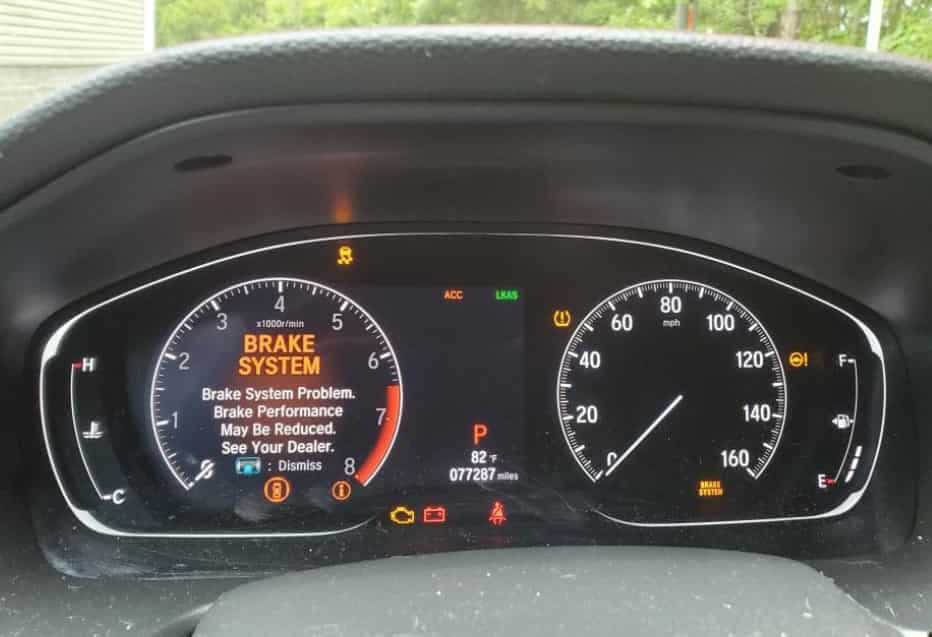
Many Honda Accord owners notice the Brake System warning on the dashboard without knowing what caused it. Sometimes the problem starts with low brake fluid or worn brake pads. In other cases, a faulty wheel speed sensor, a failing ABS module, or an electronic parking brake malfunction triggers the warning. A weak battery can also affect several electronic brake functions. Since multiple components work together, finding the real cause requires a systematic inspection.
Understanding how your Honda Accord braking system works makes troubleshooting much easier. It also helps you avoid replacing parts that still work properly. More importantly, early diagnosis can prevent small problems from becoming expensive repairs. Ignoring warning signs often leads to additional damage and higher repair costs.
This guide explains the most common Honda Accord brake system problems in simple and practical language. You will learn the warning signs to watch for, the most likely causes behind each symptom, and the best ways to diagnose the issue. The guide also covers average repair costs, effective repair solutions, and maintenance tips that help keep your Honda Accord safe, reliable, and ready for everyday driving.
What Do Honda Accord Brake System Problems Mean?
Honda Accord brake system problems refer to any condition that affects the vehicle’s ability to slow down or stop safely. The braking system includes many connected parts, such as brake pads, rotors, calipers, brake fluid, sensors, and electronic control units. When one component fails, it can affect the performance of the entire system.
Modern Honda Accord models use advanced braking technology that combines traditional hydraulic components with electronic systems. The hydraulic system creates the pressure needed to activate the brakes. The ABS system controls wheel lockup during sudden braking. Electronic features, such as the electronic parking brake and driver assistance systems, also depend on sensors and control modules to operate correctly.
Many drivers assume a brake warning always means complete brake failure. However, that is not always true. Some warnings appear because of normal wear, low fluid levels, battery voltage issues, or sensor errors. Other warnings indicate serious problems that require immediate inspection. The key is understanding the difference between a maintenance issue and a safety concern.
Mechanical brake problems usually involve physical components that wear over time. Brake pads become thinner after thousands of miles of use. Rotors can develop heat damage or uneven surfaces. Calipers can stick and prevent proper braking pressure. These problems often create noticeable symptoms, such as grinding sounds, vibrations, or reduced stopping performance.
Electronic brake system problems involve sensors, wiring, software communication, and control modules. A faulty wheel speed sensor can activate the ABS warning light. A weak battery can create multiple dashboard warnings. A damaged ABS module can prevent important safety features from working correctly.
Honda Accord brake system problems can also appear when different systems communicate incorrectly. Modern vehicles rely on complex networks that connect the ABS module, stability control system, collision warning features, and other electronic components. A small electrical issue can sometimes create several warning messages at the same time.
The best approach is to identify the exact symptom before replacing any parts. A proper diagnosis helps owners understand the real cause and choose the correct repair. It also prevents unnecessary expenses caused by replacing components that do not have any problem.
By understanding how the Honda Accord brake system works, drivers can react faster when warning signs appear. Early attention can protect the vehicle, reduce repair costs, and maintain safe braking performance for years.
Common Warning Signs and Symptoms of Honda Accord Brake System Problems
Recognizing early warning signs can help Honda Accord owners prevent dangerous situations and expensive repairs. The braking system usually provides clear signals when something starts to fail. Drivers should pay attention to dashboard warnings, unusual sounds, changes in pedal feel, and differences in braking performance.
One of the most common signs is a Brake System warning message on the dashboard. This alert tells the driver that the vehicle has detected a possible issue within the braking system. The cause may come from low brake fluid, a sensor malfunction, or an electronic control problem. A professional inspection can identify the exact source of the warning.
The ABS warning light is another important symptom. The Anti Lock Braking System helps maintain control during emergency braking by preventing the wheels from locking. When the ABS light stays on, the system may not function correctly during sudden stops. The vehicle can still brake, but it may lose some safety features that help maintain stability.
A soft or spongy brake pedal often indicates a hydraulic problem. Drivers may notice that they need to press the pedal further than usual before the vehicle slows down. Low brake fluid, air inside the brake lines, or a failing master cylinder can cause this condition. A soft brake pedal requires attention because it can reduce braking confidence and control.
A hard brake pedal creates the opposite problem. Instead of feeling soft, the pedal becomes difficult to press. This symptom often points to a brake booster issue or a vacuum system problem. When the brake booster does not provide enough assistance, the driver must apply more force to stop the vehicle.
Unusual noises also reveal potential Honda Accord brake system problems. Squealing sounds often come from worn brake pads. Grinding noises usually indicate severe pad wear that allows metal components to contact the rotor. Ignoring these sounds can damage expensive brake parts and increase repair costs.
Vibration during braking is another common warning sign. Many drivers feel shaking through the steering wheel or brake pedal when they slow down. This problem often occurs because of uneven brake rotor surfaces, excessive heat, or improper brake component contact.
A vehicle that pulls to one side during braking may have an uneven braking issue. Possible causes include a sticking caliper, uneven brake pad wear, or a problem with hydraulic pressure. This condition affects vehicle control and should receive immediate attention.
Longer stopping distances represent one of the most serious symptoms. If your Honda Accord takes more time or distance to stop, the braking system may not create enough force. Worn brake pads, damaged rotors, contaminated brake fluid, or failing hydraulic components can reduce braking effectiveness.
A burning smell near the wheels can also indicate a brake problem. Overheated brakes may result from a stuck caliper, excessive friction, or continuous brake use during demanding driving conditions. Excessive heat can damage multiple brake components if the issue continues.
By identifying these warning signs early, Honda Accord owners can address brake problems before they become major safety concerns. Regular inspections and quick responses to unusual symptoms help maintain reliable braking performance and reduce unexpected repair expenses.
Common Causes of Honda Accord Brake System Problems
Honda Accord brake system problems can happen for many reasons, from normal wear to complex electronic failures. Understanding the main causes helps drivers find the right solution and avoid unnecessary repairs.
Low brake fluid is one of the most common causes of brake warnings. The brake system needs enough fluid to create proper hydraulic pressure. A low fluid level may result from worn brake pads, leaks, or poor maintenance. Drivers should inspect the system if the fluid level drops quickly.
Worn brake pads can also create serious braking issues. Brake pads lose friction material over time, which reduces stopping performance. Extremely worn pads may create squealing or grinding sounds and can damage the brake rotors.
Damaged brake rotors may cause vibration during braking. Excessive heat, repeated hard stops, and uneven pad contact can affect rotor surfaces. Many drivers notice shaking through the steering wheel or brake pedal when this problem appears.
Faulty wheel speed sensors are another common cause of Honda Accord brake system problems. These sensors help the ABS system monitor wheel movement. A damaged sensor can trigger ABS warnings and reduce important safety functions.
Electrical issues can also affect modern Honda Accord brake systems. A weak battery, damaged wiring, or electronic parking brake failure can create warning messages on the dashboard. The ABS module and other control units need stable electrical power to work correctly.
Other possible causes include brake caliper problems, master cylinder failure, brake booster issues, and damaged brake lines. Each problem affects braking performance in a different way. Accurate diagnosis helps owners repair the correct component and maintain safe vehicle operation.
How to Diagnose Honda Accord Brake System Problems
Finding the exact cause of Honda Accord brake system problems requires a careful and logical inspection process. Many brake warnings come from different sources, so replacing parts without proper testing can lead to unnecessary expenses.
The first step is checking the warning message on the dashboard. Drivers should note whether the vehicle shows a Brake System warning, ABS warning, or electronic parking brake alert. Each message provides important information about the possible problem area.
The next step involves checking the brake fluid level and condition. Low fluid may indicate worn brake pads or a possible leak. If the fluid looks dirty or contaminated, the braking system may need professional service.
A visual inspection of brake components can reveal common issues. Mechanics usually check the brake pads, rotors, calipers, and brake lines for signs of wear or damage. Unusual noises, uneven wear, or fluid leaks can help identify the source of the problem.
Modern Honda Accord models also require electronic diagnosis. A professional scan tool can read ABS codes, brake control module data, and other system information. Basic OBD II scanners may not access all brake related systems.
Battery testing is another important diagnostic step. Low voltage can create false warnings and affect electronic brake components. Checking the battery condition helps determine whether the issue comes from the electrical system.
A complete diagnosis helps owners avoid incorrect repairs and control costs. When drivers identify the real cause early, they can restore braking performance faster and keep their Honda Accord safe on the road.
Repair Costs and Recommended Fixes for Honda Accord Brake System Problems
The repair cost for Honda Accord brake system problems depends on the failed component, labor rates, and the complexity of the repair. Some issues require simple maintenance, while others involve expensive electronic parts or advanced diagnostic procedures.
Brake fluid service is one of the most affordable solutions. A typical brake fluid replacement usually costs around $100 to $200. This service helps maintain proper hydraulic pressure and prevents moisture related brake problems.
Replacing worn brake pads is another common repair. The average cost ranges from $150 to $400 per axle, depending on the brake pad quality and labor charges. If damaged rotors require replacement, the total cost may increase to $300 to $800 per axle.
Wheel speed sensor replacement usually costs between $150 and $400. This repair can restore ABS operation and remove warning lights caused by incorrect wheel speed information. Electronic parking brake repairs can cost more because the system uses motors, switches, and control modules.
More serious repairs involve components such as the master cylinder, brake booster, or ABS module. These repairs may cost from $400 to more than $2,000 depending on the part and required programming. ABS module replacement often requires specialized equipment and professional calibration.
The best repair approach depends on accurate diagnosis. Replacing expensive components without confirming the actual problem can waste money. Honda Accord owners should compare repair options, use quality replacement parts, and address brake warnings early.
Regular inspections can reduce long term expenses. Maintaining brake fluid, replacing worn pads on time, and checking electronic systems can prevent small issues from becoming major Honda Accord brake system problems.
How to Fix Honda Accord Brake System Problems
Fixing Honda Accord brake system problems requires identifying the exact cause before replacing any component. The correct repair depends on whether the issue comes from mechanical parts, hydraulic pressure, electrical systems, or electronic controls.
For worn brake pads and damaged rotors, replacement is usually the most effective solution. New brake pads restore friction, while new rotors provide a smoother braking surface. Drivers should replace both components when necessary to maintain balanced braking performance.
If the problem comes from low brake fluid, technicians need to inspect the system for leaks before adding new fluid. A brake fluid flush can remove moisture and contamination, which helps restore proper hydraulic performance.
Faulty wheel speed sensors require replacement to restore ABS operation. After installation, the system may need a diagnostic scan to clear warning codes and confirm correct sensor communication.
Electronic parking brake problems often require specialized testing. Technicians may inspect the actuator, wiring connections, and control module before performing repairs. In some cases, software updates or system calibration can solve electronic faults.
More serious failures, such as a damaged master cylinder, brake booster, or ABS module, require professional repair. These components directly affect braking safety and need proper installation and testing.
After completing any repair, drivers should test the braking system carefully. The brake pedal should feel normal, warning lights should disappear, and the vehicle should stop smoothly. Regular maintenance and early repairs can prevent small issues from developing into major Honda Accord brake system problems.
Prevention Tips for Honda Accord Brake System Problems
Preventing Honda Accord brake system problems starts with regular maintenance and early attention to warning signs. A well maintained braking system improves safety, reduces repair costs, and helps the vehicle perform reliably for a longer time.
Checking brake fluid regularly is one of the simplest maintenance steps. Low or dirty brake fluid can affect hydraulic pressure and reduce braking performance. Owners should follow the recommended service schedule and inspect the system when they notice fluid loss.
Brake pads and rotors also need regular inspection. Worn brake pads can damage rotors and create expensive repairs. Drivers should pay attention to squealing sounds, grinding noises, or changes in braking feel because these signs often appear before major failures.
Battery maintenance is important for newer Honda Accord models with electronic brake features. A weak battery can create unexpected warning messages and affect systems such as the ABS and electronic parking brake. Testing the battery before it fails can prevent electronic issues.
Drivers should also avoid aggressive driving habits that create excessive brake heat. Frequent hard braking, carrying heavy loads, and riding the brake pedal can increase wear on brake components.
Regular professional inspections can identify problems before they become serious. Technicians can check brake pads, fluid condition, sensors, wiring, and electronic modules during routine service.
Addressing small problems early is the best way to prevent major Honda Accord brake system problems. Simple maintenance actions can protect important brake components, improve driving confidence, and help maintain safe braking performance throughout the vehicle’s life.
Frequently Asked Questions About Honda Accord Brake System Problems
What causes the brake system warning light on a Honda Accord?
The Brake System warning light can appear because of several issues. Common causes include low brake fluid, worn brake pads, faulty sensors, weak battery voltage, or electronic control problems. A proper diagnosis helps identify the exact cause.
Can I drive with a Honda Accord brake system warning?
Driving with a brake warning depends on the severity of the problem. If the brake pedal feels normal and the vehicle stops correctly, you may drive a short distance for inspection. However, you should stop driving immediately if you notice fluid leaks, reduced braking power, or unusual pedal behavior.
Why are the ABS and brake lights on at the same time?
When both lights appear together, the vehicle may have detected a problem with the ABS system, wheel speed sensor, battery voltage, or brake control module. The braking system may still work, but some safety features may not operate correctly.
How much does it cost to fix Honda Accord brake problems?
Repair costs vary depending on the failed component. Simple services, such as brake fluid replacement or brake pad replacement, usually cost less than major repairs involving the ABS module, master cylinder, or electronic parking brake system.
Can a weak battery cause Honda Accord brake system problems?
Yes. Modern Honda Accord models rely on electronic systems that require stable voltage. A weak battery can create false warnings and affect ABS, electronic parking brake operation, and other safety features.
Understanding these common questions helps Honda Accord owners respond quickly when brake issues appear. Early diagnosis and proper maintenance can prevent serious problems and maintain safe vehicle operation.
Conclusion
Honda Accord brake system problems can develop from many different causes, including worn brake components, hydraulic issues, electrical faults, and electronic system failures. Although some problems start as small maintenance concerns, ignoring warning signs can lead to reduced braking performance and higher repair costs.
Recognizing symptoms such as brake warning lights, unusual noises, soft brake pedals, vibrations, or longer stopping distances helps owners take action before the problem becomes more serious. A proper diagnosis remains the most important step because different brake issues can create similar warning signs.
Regular maintenance plays a key role in preventing Honda Accord brake system problems. Checking brake fluid, inspecting brake pads and rotors, testing battery condition, and responding quickly to warning messages can help maintain reliable braking performance.
Modern Honda Accord models use advanced brake technology that combines mechanical components with electronic systems. This technology improves safety, but it also requires accurate inspection and professional tools when problems occur.
If your Honda Accord shows any brake system warning, do not ignore it or rely only on resetting the warning light. Finding the real cause and completing the correct repair will protect your vehicle and provide greater confidence every time you drive.
A well maintained braking system keeps your Honda Accord safe, dependable, and ready for every journey.