Why do so many truck owners still trust the 7.3 Powerstroke after more than two decades? In a market full of modern diesel engines with complex systems, this engine continues to stand out for its simplicity and durability.
At first glance, the 7.3 Powerstroke engine specs may not seem impressive. Newer engines often deliver higher horsepower numbers. However, raw numbers do not tell the full story. Real world performance depends on how an engine delivers power, not just how much it produces.
Many buyers struggle to find clear and reliable information about the 7.3 Powerstroke engine specs. Some sources focus only on numbers. Others ignore real world use. This creates confusion, especially for those who want a dependable truck for towing or daily work.
This guide gives you a complete and easy to understand breakdown of the 7.3 Powerstroke engine specs from 1994 to 2003. You will learn about horsepower, torque, and performance. You will also understand why this engine still holds a strong reputation today.
Contents
7.3 Powerstroke Engine Overview
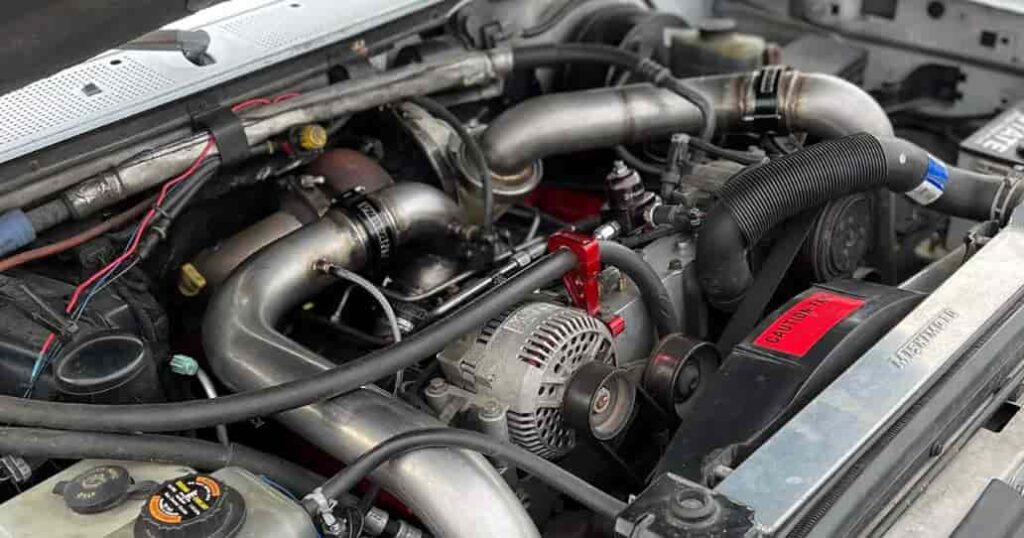
The 7.3 Powerstroke is a turbocharged diesel V8 engine that Ford developed in partnership with Navistar. Ford introduced this engine in 1994 and continued production until 2003. During that time, it powered many Ford Super Duty and heavy duty trucks.
This engine has a displacement of 7.3 liters, which equals 444 cubic inches. Its large size allows it to produce strong low end torque. That makes it ideal for towing and hauling heavy loads.
One of the most important features of the 7.3 Powerstroke is its simple design. Unlike modern diesel engines, it does not rely on complex emissions systems. It uses a hydraulic electronic unit injection system, often called HEUI. This system improves fuel delivery while keeping the engine relatively easy to maintain.
The engine also includes a single turbocharger. This setup helps increase air intake and improves combustion efficiency. As a result, the engine delivers steady and reliable performance under load.
Many truck owners value the 7.3 Powerstroke for its durability. It is not uncommon to see these engines run well beyond 300000 or even 500000 miles with proper maintenance. This level of longevity makes it one of the most trusted diesel engines ever built.
Another reason for its popularity is its strong aftermarket support. Owners can upgrade injectors, turbo systems, and tuning to improve performance without sacrificing reliability.
Overall, the 7.3 Powerstroke engine specs reflect a balance between simplicity, strength, and long term durability. That is why it remains a top choice for diesel enthusiasts even today.
7.3 Powerstroke Engine Specs
The 7.3 Powerstroke engine specs may look simple on paper, but they deliver strong and consistent performance in real world conditions. This engine focuses on torque and durability rather than high horsepower numbers.
Below is a clear breakdown of the key specifications.
The 7.3 Powerstroke produces horsepower ranging from 210 to 275 hp, depending on the model year. Earlier versions offer lower output, while later models improve power through better tuning and fuel delivery.
Torque is where this engine truly shines. It delivers between 425 and 525 lb ft of torque. This strong low end torque allows the engine to pull heavy loads with ease. It also reduces stress during towing and hauling.
The engine has a displacement of 7.3 liters, or 444 cubic inches. This large displacement plays a major role in generating torque. Bigger cylinders allow more air and fuel, which leads to stronger combustion.
The compression ratio sits around 17.5 to 1. This high ratio helps diesel fuel ignite more efficiently. It also improves fuel economy and overall engine performance.
The 7.3 Powerstroke uses a HEUI fuel injection system. This system relies on high pressure oil to control fuel injectors. It improves precision and helps maintain stable performance under different loads.
A single turbocharger supports the engine. It increases airflow and boosts power without adding too much complexity. This simple turbo setup also contributes to long term reliability.
Many people focus too much on horsepower when they read the 7.3 Powerstroke engine specs. However, diesel engines work differently from gasoline engines. Torque matters more in real world situations like towing, climbing, or carrying heavy loads.
This is why the 7.3 Powerstroke continues to perform well, even when compared to newer engines with higher horsepower ratings.
Horsepower and Torque Explained
To fully understand the 7.3 Powerstroke engine specs, you need to know the difference between horsepower and torque. Many people confuse these two concepts. This leads to wrong expectations when choosing a diesel engine.
Torque measures the engine’s ability to produce rotational force. In simple terms, it shows how strong the engine can pull. The 7.3 Powerstroke delivers high torque at low RPM. This makes it perfect for heavy duty tasks.
Horsepower measures how fast the engine can perform work. It combines torque and engine speed. Higher horsepower helps with acceleration and top speed. However, it does not always mean better performance for trucks.
In real world use, torque plays a bigger role than horsepower. When you tow a trailer or carry heavy loads, you need pulling power. The 7.3 Powerstroke provides this power early, without pushing the engine too hard.
This is why many drivers prefer it for towing and hauling. The engine feels strong and stable, even under pressure. It does not need high RPM to deliver power. That helps reduce wear over time.
Another key advantage is consistency. The 7.3 Powerstroke maintains steady torque across a wide range of conditions. Whether you drive uphill or carry heavy cargo, the engine responds smoothly.
Some buyers worry when they see lower horsepower numbers in the 7.3 Powerstroke engine specs. In reality, this is not a weakness. It is a design choice that focuses on durability and practical performance.
Once you understand this difference, it becomes clear why the 7.3 Powerstroke remains a top choice for work trucks and long term ownership.
7.3 Powerstroke Engine Specs by Year (1994 to 2003)
The 7.3 Powerstroke engine specs changed over time as Ford improved performance and efficiency. Each generation brought small upgrades that increased both horsepower and torque. Understanding these changes helps you choose the right model year for your needs.
From 1994 to 1997, the early version of the 7.3 Powerstroke produced around 210 horsepower and 425 lb ft of torque. These engines focused on reliability and simplicity. They did not offer high output, but they delivered strong and consistent pulling power. Many owners still trust these models for their long lifespan.
In 1999 and 2000, Ford introduced a major upgrade. The engine now produced about 235 horsepower and 500 lb ft of torque. This increase came from improved tuning and better airflow. As a result, trucks felt stronger during acceleration and towing. This generation became very popular among diesel enthusiasts.
From 2001 to 2003, the 7.3 Powerstroke reached its peak performance. Horsepower increased to about 275 hp, while torque reached 525 lb ft. These later models offered the best balance between power and reliability. They also included refinements that improved throttle response and overall drivability.
These changes show a clear pattern. Ford did not redesign the engine completely. Instead, they focused on gradual improvements. This approach helped maintain the core strength of the engine while increasing performance over time.
Many buyers face a common problem when choosing a used truck. They are not sure which year offers the best value. Earlier models provide simplicity and durability. Later models offer more power and better driving experience.
If you want maximum reliability, early models remain a solid choice. If you prefer better performance without losing durability, the 2001 to 2003 models stand out.
This evolution explains why the 7.3 Powerstroke engine specs still attract attention today. Each version offers a unique balance of power, simplicity, and long term dependability.
Performance and Towing Capability
The 7.3 Powerstroke engine specs translate directly into strong real world performance. This engine does not focus on speed. Instead, it delivers steady power that supports heavy duty work.
Most trucks equipped with the 7.3 Powerstroke offer towing capacity between 10000 and 14000 pounds, depending on the model and configuration. This range is more than enough for trailers, boats, and work equipment.
The key advantage comes from its torque delivery. The engine produces strong pulling power at low RPM. This allows the truck to move heavy loads without strain. Drivers do not need to push the engine hard to maintain speed.
This behavior reduces engine stress over time. It also improves long term reliability, which is a major concern for many buyers. Modern engines may offer higher numbers, but they often rely on complex systems that can fail under heavy use.
Another strength is consistency under load. The 7.3 Powerstroke maintains stable performance even on steep hills or rough terrain. It does not lose power suddenly, which gives drivers more confidence during towing.
Many buyers worry about choosing an older diesel engine. They often ask if the 7.3 Powerstroke can still handle modern demands. In most cases, the answer is yes. When properly maintained, this engine continues to perform well in daily work conditions.
Fuel efficiency also plays a role. While it may not match newer engines, it delivers reasonable consumption for its size and purpose. More importantly, it avoids the high maintenance costs linked to modern emissions systems.
The 7.3 Powerstroke engine specs prove that real performance is not just about numbers. It is about how the engine behaves under pressure. In this area, the 7.3 Powerstroke still stands strong.
Common Misconceptions About 7.3 Powerstroke Engine Specs
Many people misunderstand the 7.3 Powerstroke engine specs when they compare it to modern diesel engines. These misconceptions often lead to wrong decisions, especially for first time buyers.
One common belief is that low horsepower means weak performance. This is not true. The 7.3 Powerstroke focuses on torque, not speed. It delivers strong pulling power at low RPM. This makes it far more useful for towing and heavy work than many high horsepower engines.
Another misconception is that an older engine cannot meet modern needs. In reality, the 7.3 Powerstroke still performs well in daily use. It can tow heavy loads, handle long trips, and operate under tough conditions. Its simple design allows it to remain reliable over time.
Some people also think that older diesel engines are inefficient. While newer engines may offer better fuel economy on paper, they often come with complex systems. These systems increase maintenance costs and create more points of failure. The 7.3 Powerstroke avoids many of these issues.
There is also a belief that this engine is outdated and difficult to maintain. In fact, many mechanics prefer working on it. Its design is straightforward, and parts are widely available. This makes repairs easier and often more affordable.
These misunderstandings come from focusing only on numbers instead of real world performance. The 7.3 Powerstroke engine specs tell a deeper story. They show an engine built for durability, consistency, and long term use.
Once you look beyond the surface, it becomes clear why this engine still holds a strong reputation among truck owners.
Why the 7.3 Powerstroke Is Still Popular Today
The 7.3 Powerstroke engine specs continue to attract attention even in today’s competitive diesel market. Many newer engines offer more advanced technology, but this engine still holds a strong position among truck owners.
One key reason is durability. The 7.3 Powerstroke was built with a focus on long term use. It can handle high mileage without major issues when owners maintain it properly. Many engines still run smoothly after hundreds of thousands of miles. This level of reliability is hard to find in modern engines.
Another important factor is simplicity. The engine does not rely on complex emissions systems. This reduces the risk of failure and lowers maintenance costs. Owners do not need to deal with expensive repairs related to modern diesel components.
The 7.3 Powerstroke also offers strong real world performance. Its torque allows it to tow and haul with confidence. It performs well under pressure and maintains stable output across different driving conditions. This makes it a practical choice for both work and daily use.
The aftermarket community also plays a big role in its popularity. Owners can upgrade injectors, tuning, and turbo systems to improve performance. These upgrades help extend the life of the engine while increasing power.
Another reason is trust. Over time, the 7.3 Powerstroke has built a solid reputation. Many truck owners recommend it based on experience. This word of mouth continues to keep demand high.
The 7.3 Powerstroke engine specs show that this engine was designed with purpose. It may not lead in modern technology, but it excels in reliability, ease of maintenance, and consistent performance.
Conclusion
The 7.3 Powerstroke engine specs prove that true performance goes beyond numbers. While newer engines may offer higher horsepower, they often sacrifice simplicity and long term reliability.
From 1994 to 2003, the 7.3 Powerstroke evolved to deliver better horsepower and torque while maintaining its core strength. It offers a strong balance between power, durability, and ease of maintenance. This is why it remains one of the most respected diesel engines ever built.
For buyers, the biggest concern often involves reliability and maintenance costs. The 7.3 Powerstroke addresses both. Its simple design reduces the risk of major failures, and its strong torque supports real world tasks like towing and hauling.
If you are looking at the 7.3 Powerstroke engine specs to decide whether it is worth buying, the answer depends on your needs. If you value durability, consistent performance, and lower long term costs, this engine is still a solid choice.
Now the question is yours. Are you considering buying a truck with the 7.3 Powerstroke, or do you already own one? Share your experience or thoughts and join the discussion.