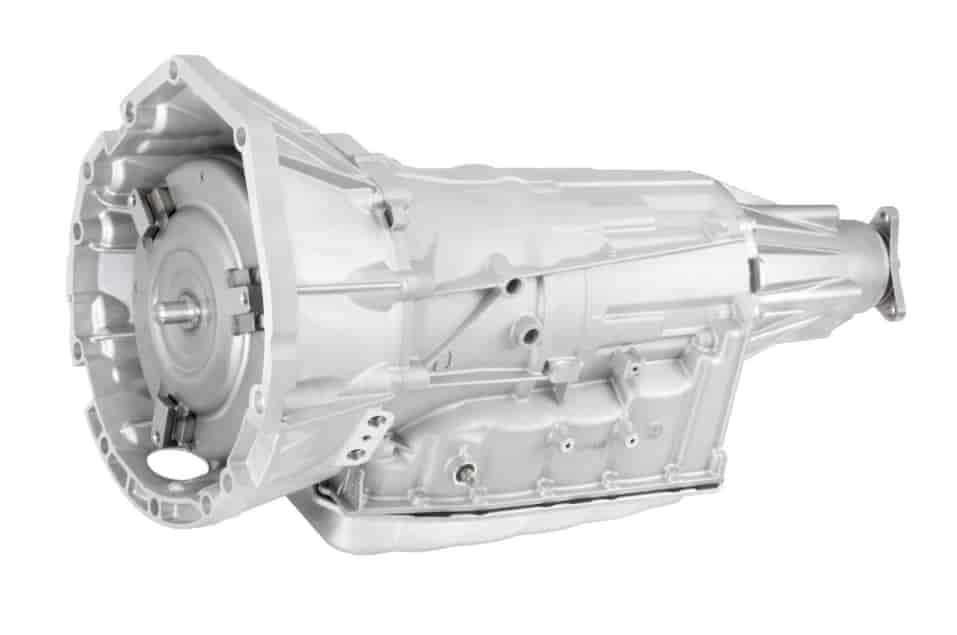
If you own a GM vehicle, spotting 6L80 transmission problems early can save you thousands of dollars. Slipping gears, harsh or delayed shifting, and unusual noises often indicate transmission issues. Many drivers ignore these signs, which can lead to costly repairs and inconvenient breakdowns. The 6L80 is a popular automatic transmission in Chevrolet, GMC, and Cadillac models. It is reliable but can suffer from wear, overheating, and fluid problems if not maintained properly.
In this guide, we explain the most common causes of 6L80 transmission problems, how to recognize warning signs, and the repair options you can take. By acting quickly, you can prevent severe damage and keep your vehicle running smoothly. Whether you own a GM car or plan to buy one with a 6L80 transmission, this article provides practical tips for maintenance and problem prevention. After reading, you will know what signs to watch for and how to protect your transmission for long-term performance.
Contents
Common Causes of 6L80 Transmission Problems
One of the main causes of 6L80 transmission problems is low or contaminated transmission fluid. The transmission relies on clean fluid to lubricate internal components and maintain proper hydraulic pressure. If the fluid level drops or becomes dirty, gears can slip, and shifting may feel harsh or delayed. Overheating is another significant cause. Excessive heat damages internal parts, including clutch packs and seals, which can lead to serious failures. Vehicles that experience heavy towing, frequent stop-and-go driving, or extreme temperatures are especially prone to overheating.
Worn clutch packs and bands can also trigger transmission issues. These components endure constant friction, and over time, they wear out, causing slipping or delayed engagement. Faulty solenoids and sensors are another common culprit. They control fluid flow and gear changes, so malfunctions can prevent smooth shifting or even lock the transmission in a gear. In some cases, mechanical damage from accidents or improper installation may also contribute to problems.
Understanding these causes helps vehicle owners act before issues worsen. Regular fluid checks, timely maintenance, and addressing minor symptoms promptly can prevent most serious failures. By recognizing the root causes of 6L80 transmission problems, you can make informed decisions about repair options and avoid costly replacements. Staying proactive ensures your GM vehicle runs reliably and maintains smooth performance for years.
Symptoms You Can’t Ignore
Recognizing the warning signs of 6L80 transmission problems early can save time and money. One of the most common symptoms is slipping gears. You may notice the engine revving higher than usual while the vehicle struggles to accelerate. Harsh or delayed shifting is another red flag. The transmission may hesitate before changing gears or shift abruptly, making driving uncomfortable and potentially dangerous.
Unusual noises, such as whining, clunking, or grinding sounds, also indicate that the transmission requires attention. These noises often occur when clutch packs or internal gears wear down. Drivers should also pay attention to the check engine light. Modern GM vehicles detect transmission malfunctions and trigger the warning light to alert the driver. Ignoring these alerts can allow minor issues to escalate into major failures.
Some owners report fluid leaks or burning smells, which signal overheating or fluid contamination. These issues not only affect transmission performance but can also damage other vehicle components. Early detection allows for timely maintenance, such as fluid replacement, solenoid repair, or clutch adjustment, which can prevent costly rebuilds or replacements.
By staying alert to these symptoms, you can address 6L80 transmission problems before they worsen. Regular monitoring, listening to your vehicle, and checking fluid levels are essential steps for maintaining a healthy transmission. Understanding what to watch for ensures that your GM vehicle continues to operate smoothly and reduces the risk of unexpected breakdowns.
Costly Fixes and Repair Options
Once 6L80 transmission problems become serious, repair costs can rise quickly. One common solution is a complete rebuild. This process involves disassembling the transmission, replacing worn clutch packs, bands, seals, and solenoids, and reassembling it to restore proper function. While effective, rebuilds require skilled technicians and can cost several thousand dollars depending on parts and labor.
Replacing the transmission entirely is another option. Some GM owners prefer a brand-new or remanufactured 6L80 transmission to ensure reliability and long-term performance. This solution is often more expensive than a rebuild but can save future repair costs and provide peace of mind.
In less severe cases, minor repairs may suffice. Replacing faulty solenoids, adjusting bands, or changing transmission fluid can resolve some issues before they escalate. Timely intervention can prevent a small problem from turning into a full transmission failure.
DIY fixes exist for experienced vehicle owners, but incorrect repairs can worsen the situation and void warranties. Professional service is recommended for major issues. Regular maintenance, including fluid changes and inspections, remains the best preventive measure to avoid expensive repairs.
Understanding the cost implications of 6L80 transmission problems helps vehicle owners plan ahead and make informed decisions. Acting early not only protects your investment but also ensures your GM vehicle continues to operate smoothly. By addressing problems promptly, you can maintain performance, reduce stress, and avoid unexpected breakdowns.
Preventive Maintenance Tips
Preventing 6L80 transmission problems is far easier and less costly than repairing them. Regular transmission fluid changes are the most effective step. Clean, high-quality fluid keeps internal components lubricated, reduces heat, and ensures smooth gear shifts. Checking fluid levels frequently and topping off as needed can prevent slipping gears and harsh shifting.
Monitoring operating temperatures also helps prevent damage. Vehicles that tow heavy loads or drive in hot climates are especially prone to overheating. Installing an auxiliary transmission cooler or simply taking breaks during heavy use can reduce the risk of heat-related failures.
Inspecting and maintaining transmission components is another key preventive measure. Worn clutch packs, damaged seals, or faulty solenoids should be replaced promptly to avoid more extensive damage. Using genuine GM parts ensures proper fit and performance.
Driving habits also affect transmission longevity. Avoid rapid acceleration, excessive towing, and harsh braking. Smooth driving reduces strain on internal components and helps the transmission last longer.
By following these preventive maintenance tips, GM owners can minimize the risk of 6L80 transmission problems, extend the life of their transmission, and maintain reliable vehicle performance. Staying proactive allows you to save money, prevent breakdowns, and enjoy peace of mind knowing your vehicle operates at its best.
Conclusion
Understanding and addressing 6L80 transmission problems early can save GM vehicle owners significant time and money. By recognizing common causes such as low or contaminated fluid, overheating, worn clutch packs, and faulty solenoids, you can act before minor issues turn into major failures. Paying attention to warning signs like slipping gears, harsh shifting, unusual noises, and check engine lights ensures timely intervention.
Costly repairs, including transmission rebuilds or full replacements, become necessary only when problems are ignored. Acting quickly with minor repairs or professional maintenance can prevent extensive damage and reduce expenses. Regular preventive measures, such as fluid changes, inspections, and careful driving habits, play a vital role in maintaining smooth transmission performance.
Being proactive allows GM owners to protect their investment, maintain reliability, and enjoy peace of mind. Understanding 6L80 transmission problems, knowing the symptoms, and applying proper preventive and repair strategies ensures your vehicle continues to operate efficiently. If you notice any signs of trouble, schedule an inspection or consult a professional promptly. Addressing issues early helps avoid unexpected breakdowns, expensive repairs, and ensures your 6L80 transmission delivers long-term performance.