Is your car jerking between gears or hesitating when you press the gas? Do you feel a delay before the vehicle finally moves? These are not small issues. They are often early signs of serious transmission trouble.
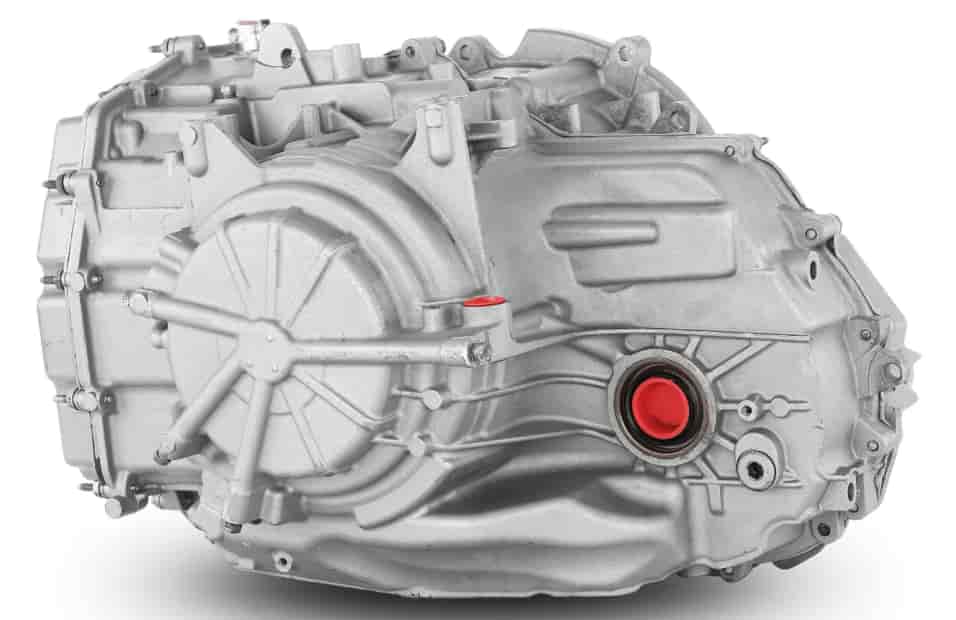
Many drivers use vehicles equipped with the 6F35 transmission every day. This gearbox appears in several popular Ford models. It delivers smooth performance when it works properly. However, many owners report recurring issues after some time on the road.
Most problems do not start with loud noises or complete failure. Instead, they begin with subtle symptoms. The car may shift roughly or respond slower than usual. Because of this, many drivers ignore the warning signs. They continue driving until the transmission suffers major damage.
At that point, the cost becomes a real concern. A simple fix may cost a few hundred dollars. A full rebuild or replacement can cost several thousand. This creates stress and uncertainty for many car owners.
In this guide, you will learn everything about 6F35 Transmission Problems. We will explain the most common symptoms, the real causes, and the best ways to fix them. You will also discover the actual repair costs and how to avoid expensive damage in the future.
Contents
What Are the Most Common 6F35 Transmission Problems
The 6F35 transmission may feel smooth at first, but many drivers start to notice issues after some time. These problems often appear gradually and become worse if you ignore them. Understanding the most common failures helps you react early and avoid serious damage.
One of the most reported issues is hard shifting. The transmission may shift aggressively between gears, especially when you accelerate or slow down. This makes the driving experience uncomfortable and signals internal wear or pressure problems.
Another common problem is gear slipping. The engine revs increase, but the car does not accelerate as expected. This happens when the transmission fails to stay in the correct gear. It often points to worn components or low fluid pressure.
Delayed engagement also occurs frequently. You may shift from park to drive, but the car takes a few seconds before moving. This delay may seem minor at first, but it often indicates deeper mechanical issues inside the transmission.
Overheating is another serious concern. Excess heat reduces lubrication and increases friction. As a result, internal parts wear out faster. In many cases, overheating leads to complete transmission failure if you do not fix it early.
Torque converter problems also appear in many vehicles with this transmission. You may feel shuddering or vibrations while driving at steady speeds. This issue affects power transfer and reduces overall efficiency.
All of these 6F35 Transmission Problems share one key pattern. They start small but become expensive if ignored. Early detection gives you the best chance to fix the issue before it turns into a major repair.
Symptoms of 6F35 Transmission Problems
Many drivers ignore early symptoms because they seem minor at first. However, these signs often reveal serious internal issues. If you recognize them early, you can prevent costly repairs.
One common symptom is rough shifting. The car may jerk or shake when changing gears. This usually happens during acceleration or deceleration. It often indicates pressure issues or worn components inside the transmission.
Another clear sign is gear slipping. The engine speed increases, but the vehicle does not gain power as expected. This creates a disconnected driving feel and reduces control. In many cases, slipping points to internal wear or fluid problems.
You may also notice a burning smell. This smell often comes from overheated transmission fluid. When fluid loses its effectiveness, it fails to lubricate and cool internal parts. As a result, friction increases and damage spreads quickly.
The check engine light may also turn on. Many drivers ignore this warning, but it often relates to transmission faults. Modern vehicles use sensors to detect irregular behavior. When something goes wrong, the system alerts you early.
Delayed acceleration is another important symptom. You press the gas, but the car responds slowly. This delay may seem harmless, but it often signals deeper transmission issues.
These symptoms do not fix themselves. They usually become worse over time. If you notice any of these signs, you should take action as soon as possible. Early diagnosis can save you from a complete transmission failure.
Causes of 6F35 Transmission Problems
To fix transmission issues effectively, you need to understand what causes them. Most 6F35 Transmission Problems do not happen randomly. They develop from specific mechanical or maintenance-related factors.
One of the most common causes is low or dirty transmission fluid. This fluid plays a critical role in lubrication and cooling. When the fluid level drops or becomes contaminated, the transmission loses efficiency. Heat builds up quickly, and internal parts begin to wear faster than normal.
Another major cause is valve body failure. The valve body controls how fluid flows inside the transmission. When it fails, the system cannot shift gears smoothly. This leads to rough shifting, delays, or even incorrect gear selection.
Torque converter issues also contribute to many problems. The torque converter transfers power from the engine to the transmission. When it starts to fail, you may feel vibrations or shuddering while driving. This reduces performance and places extra stress on the system.
Software or TCM issues can also trigger unexpected behavior. The transmission control module manages shifting patterns. If the software becomes faulty or outdated, the transmission may respond incorrectly. This can cause erratic shifting or delayed engagement.
Wear and tear over time is another unavoidable factor. After around 100,000 miles, internal components begin to degrade. Seals weaken, friction materials wear down, and performance drops. Without proper maintenance, these issues accelerate quickly.
Each of these causes connects to a larger problem. Lack of maintenance or delayed repairs often turns small issues into major failures. When you understand these causes, you can take action earlier and avoid expensive damage.
How to Fix 6F35 Transmission Problems
Once you identify the issue, the next step is choosing the right fix. Not all 6F35 Transmission Problems require a full replacement. In many cases, early action can save you a significant amount of money.
The simplest fix starts with changing the transmission fluid. Old or contaminated fluid reduces lubrication and increases heat. A fluid change can restore smooth shifting if the problem is still minor. Many drivers notice immediate improvement after this service.
You can also reset the transmission control module. This step helps the system relearn shifting patterns. It works well when the issue comes from software or driving behavior. However, this solution does not fix mechanical damage.
For moderate issues, you may need to replace the valve body or repair solenoids. These components control fluid pressure and gear changes. When they fail, shifting becomes rough or delayed. Replacing them often restores normal performance without a full rebuild.
More serious cases require a transmission rebuild. Mechanics disassemble the unit and replace worn internal parts. This process costs more but extends the life of the transmission. It is a practical option if the damage is not too severe.
In the worst scenario, you must replace the entire transmission. This happens when internal damage becomes too extensive. While this option is expensive, it provides a complete reset for the system.
The key point is timing. If you fix the problem early, you avoid major repairs. If you wait too long, costs increase rapidly. Acting quickly gives you more options and better results.
Real Repair Cost of 6F35 Transmission Problems
Cost is often the biggest concern for most car owners. Many drivers ignore early signs because they hope the issue will go away. In reality, delaying repairs only makes the situation worse and more expensive.
The cost of fixing 6F35 Transmission Problems depends on the severity of the damage. Minor issues usually cost much less and require simple fixes. Major failures, on the other hand, can lead to a full transmission replacement.
A basic transmission fluid change typically costs between 150 and 300 dollars. This is the cheapest solution and often solves early-stage problems. Regular maintenance at this level can prevent more serious damage.
If the valve body needs replacement, the cost usually ranges from 500 to 1000 dollars. This repair targets shifting issues and pressure control problems. It offers a good balance between cost and effectiveness.
For more severe damage, a transmission rebuild may cost between 2000 and 3500 dollars. Mechanics replace worn internal parts and restore the system. This option extends the life of the transmission without full replacement.
A complete transmission replacement is the most expensive solution. Costs often range from 3500 to 5000 dollars or more. This option becomes necessary when internal damage is too extensive to repair.
The most important takeaway is simple. Early action saves money. Small repairs cost hundreds, while major failures cost thousands. If you notice symptoms early, you can avoid the worst-case scenario and protect your budget.
Which Vehicles Use the 6F35 Transmission
The 6F35 transmission appears in several popular Ford models. Many drivers use these vehicles daily, which makes this transmission widely known.
One of the most common models is the Ford Escape. This compact SUV uses the 6F35 in many model years. Drivers often choose it for daily commuting and family use.
The Ford Fusion also uses this transmission. This midsize sedan offers a balance between comfort and performance. However, many owners report shifting issues after extended use.
Another model is the Ford Focus. This vehicle targets budget-conscious drivers. It delivers good fuel efficiency but may develop transmission problems over time.
Knowing which vehicles use this transmission helps you stay alert. If you drive one of these models, you should pay close attention to early warning signs.
How to Prevent 6F35 Transmission Problems
Prevention always costs less than repair. With proper care, you can reduce the risk of serious transmission issues.
Start with regular transmission fluid changes. Clean fluid keeps the system cool and well lubricated. Most experts recommend changing it every 30000 to 50000 miles.
You should also avoid aggressive driving. Sudden acceleration and hard braking increase stress on the transmission. Smooth driving helps extend its lifespan.
Pay attention to temperature. Overheating is one of the main causes of failure. If you often drive in heavy traffic or hot conditions, you should monitor performance closely.
Regular inspections also help detect early problems. A mechanic can identify small issues before they become serious. This simple step can save you thousands of dollars.
Good driving habits and consistent maintenance make a big difference. They help your transmission last longer and perform better.
Conclusion
6F35 Transmission Problems are common, but they are not impossible to manage. Most issues start with small symptoms such as rough shifting or delayed response. If you act early, you can fix these problems without spending a large amount of money.
The key is awareness. When you understand the symptoms and causes, you gain control over the situation. You can choose the right solution at the right time instead of reacting too late.
Repair costs vary depending on the severity of the issue. Minor fixes cost a few hundred dollars, while major repairs can reach several thousand. This is why early diagnosis plays such an important role.
With proper maintenance and careful driving, you can reduce the risk of failure. Simple actions such as changing fluid and avoiding overheating can extend the life of your transmission.
Have you experienced any of these 6F35 Transmission Problems? What symptoms did you notice, and how much did it cost to fix? Share your experience in the comments to help other drivers make better decisions.