Finding the 6.7 Cummins oil filter location makes every oil change faster and easier. Many owners spend extra time searching for the filter because they expect to see it inside the engine bay. In reality, Cummins places the oil filter underneath the engine, where it is easier to service during routine maintenance.
On most Ram 2500 and Ram 3500 trucks with the 6.7L Cummins engine, the oil filter sits on the passenger side near the oil pan. You can reach it from underneath the truck without removing major engine components. Some model years include a skid plate, so you may need to remove it first to create enough working space.
This guide shows you the exact oil filter location and explains how to access it safely. You will also learn how to replace the filter correctly, choose the right replacement part, and avoid common installation mistakes. In addition, the guide covers several components you should inspect during every oil change. By the end of this article, you will know where the oil filter is located and how to complete the job with confidence.
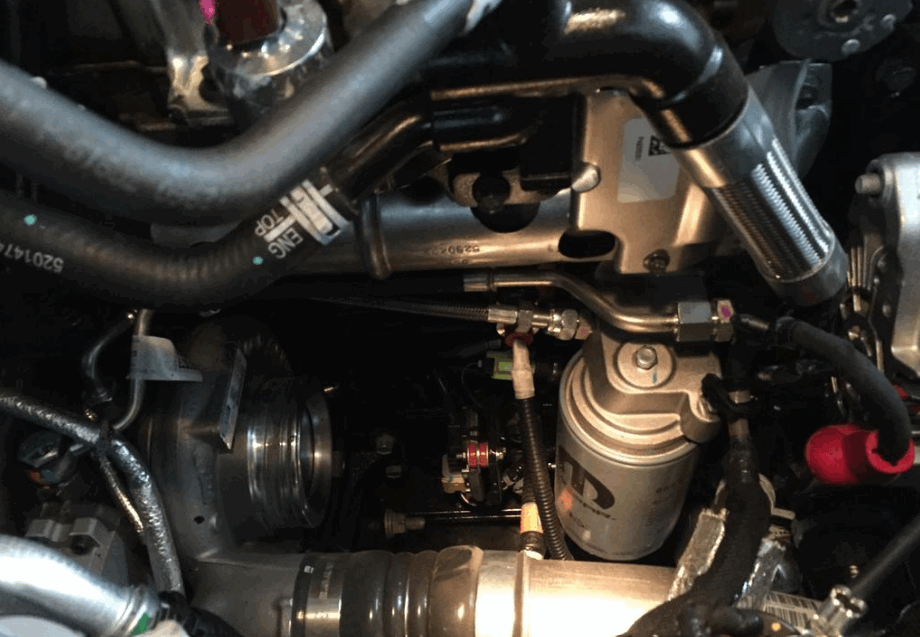
Where Is the Oil Filter Located on a 6.7 Cummins?
The 6.7 Cummins oil filter sits on the passenger side of the engine near the bottom of the engine block. Cummins places the filter close to the oil pan, making it accessible from underneath the truck. You will not see it by looking down from the engine bay because surrounding components block your view.
Most Ram 2500 and Ram 3500 trucks with the 6.7L Cummins use the same general filter position. Although small design changes exist between model years, the oil filter remains in nearly the same location. This consistent layout allows owners and technicians to follow the same service procedure on most models.
The easiest way to find the oil filter is to park the truck on a level surface and look underneath the passenger side. The cylindrical filter hangs vertically below the engine. It sits behind the front axle and close to the oil pan. On some trucks, a factory skid plate partially covers the area. Removing the skid plate provides better access and creates more working space during an oil change.
The oil filter location supports the engine’s lubrication system by allowing oil to flow directly through the filter before circulating to critical engine components. This design helps capture dirt, metal particles, and other contaminants before they reach internal engine parts. As a result, clean oil protects the crankshaft, camshaft, turbocharger, and bearings from premature wear.
Before removing the filter, allow the engine to cool for several minutes if it has been running. Hot engine oil can cause burns and becomes difficult to control once the filter loosens. Placing a drain pan beneath the filter also helps catch the remaining oil and keeps the work area clean throughout the replacement process.
How Can You Access the Oil Filter Safely?
Accessing the 6.7 Cummins oil filter is straightforward when you prepare the truck correctly. Park the vehicle on a level surface and engage the parking brake before you begin. Allow the engine to cool for several minutes because hot engine oil can cause burns. If you need additional working space, raise the front of the truck with a suitable jack and secure it with jack stands before moving underneath the vehicle.
Move to the passenger side and locate the oil filter near the bottom of the engine. Most owners can reach the filter from underneath without removing other engine components. However, some Ram models include a factory skid plate that covers part of the engine. Removing the skid plate improves visibility and gives you more room to loosen the filter without spilling oil.
Using the proper tools also makes the job easier. An oil filter wrench provides extra grip if the filter feels tight, while a drain pan collects the remaining oil before it reaches the ground. Keep several clean shop towels nearby because a small amount of oil will drain from the filter as soon as you loosen it. Preparing these tools in advance helps you complete the job more efficiently and keeps the work area clean.
Before turning the filter, inspect the surrounding area for oil leaks, damaged hoses, or loose fittings. This quick inspection can reveal small problems before they become expensive repairs. Once everything looks normal, loosen the filter slowly and allow the remaining oil to drain into the pan. Removing the filter carefully reduces the chance of spills and prevents damage to the filter mounting surface.
How Do You Replace the Oil Filter on a 6.7 Cummins?
Replacing the 6.7 Cummins oil filter takes only a few simple steps when you follow the correct procedure. Start by draining the engine oil completely before removing the filter. This reduces the amount of oil trapped inside the filter and keeps the work area cleaner. Position a drain pan beneath the filter to catch any remaining oil during removal.
Turn the oil filter counterclockwise with an oil filter wrench if you cannot loosen it by hand. Once the filter starts to move, remove it slowly to prevent oil from spilling onto nearby components. After removing the filter, inspect the mounting surface carefully. Make sure the old rubber gasket did not remain attached to the engine because a double gasket can cause a serious oil leak after installation.
Compare the new oil filter with the old one before installing it. Both filters should have the same dimensions, gasket size, and thread pattern. Apply a thin layer of clean engine oil to the new rubber gasket. This small step creates a better seal and makes the filter easier to remove during the next oil change.
Install the new filter by hand until the gasket contacts the mounting surface. Then tighten the filter according to the manufacturer’s specification or follow the instructions printed on the filter. Most replacement filters require an additional three quarters of a turn after the gasket makes contact. Avoid using a wrench for final tightening because excessive force can damage the gasket or the filter housing.
Refill the engine with the correct amount and grade of engine oil after installing the new filter. Start the engine and let it idle for about one minute. Next, inspect the filter and the drain plug for leaks. Finally, switch off the engine, wait several minutes for the oil to settle, and check the dipstick. Add more oil if the level falls below the recommended mark. A final inspection confirms that the new filter seals properly and the lubrication system operates as intended.
Which Oil Filter Is Recommended for a 6.7 Cummins?
Choosing the right oil filter helps protect the 6.7 Cummins engine and keeps the lubrication system working efficiently. A high quality filter removes dirt, soot, and metal particles before they circulate through the engine. Using a filter that meets the manufacturer’s specifications also supports proper oil pressure and extends the service life of critical engine components.
The OEM Mopar oil filter remains the safest choice for most Ram owners because Cummins and Ram designed it to match the engine’s oil flow and filtration requirements. Many professional diesel technicians also recommend Fleetguard filters because Fleetguard manufactures filtration products for Cummins engines. These filters deliver excellent filtration efficiency and maintain consistent oil flow under demanding operating conditions.
Several aftermarket brands also produce reliable replacement filters. WIX has earned a strong reputation for durable construction and dependable filtration. Baldwin filters perform well in heavy duty applications and offer consistent protection during extended service intervals. Donaldson filters also provide excellent contaminant control, making them a popular option for commercial trucks and high mileage vehicles. Regardless of the brand, always confirm that the filter matches your truck’s model year and engine specifications before installation.
Replacing the oil filter at every oil change provides the best protection for the engine. Most owners replace both the engine oil and filter every 7,500 to 15,000 miles, depending on driving conditions, towing frequency, and the type of engine oil they use. Trucks that tow heavy loads, operate in dusty environments, or spend long hours idling often require shorter maintenance intervals.
A quality oil filter costs far less than repairing engine damage caused by contaminated oil. Selecting a trusted filter and replacing it on schedule helps maintain stable oil pressure, reduces engine wear, and supports the long term reliability of the 6.7 Cummins diesel engine.
What Problems Can Occur Around the Oil Filter?
Several problems can develop around the 6.7 Cummins oil filter if the filter is installed incorrectly or routine maintenance is delayed. Most issues start with small installation mistakes, but they can quickly lead to oil leaks, low oil pressure, or premature engine wear. Identifying these problems early helps prevent expensive repairs and keeps the lubrication system operating efficiently.
An oil leak is the most common problem after an oil change. In many cases, the old rubber gasket remains attached to the engine when the filter is removed. Installing a new filter over the old gasket creates a double seal that cannot hold oil pressure. A damaged gasket or a loose filter can also cause oil to escape while the engine is running. Inspect the filter area carefully after starting the engine to confirm that no fresh oil appears around the mounting surface.
An over tightened oil filter creates another common issue. Applying excessive force can crush the gasket or damage the filter housing. This mistake also makes the filter difficult to remove during the next service. On the other hand, an under tightened filter may loosen over time and allow oil to leak. Tightening the filter according to the manufacturer’s instructions provides the best seal without damaging the components.
Some owners also experience a stuck oil filter. Heat, pressure, and long service intervals can cause the gasket to bond tightly to the mounting surface. An oil filter wrench usually removes the filter safely without damaging nearby parts. If the filter still refuses to move, avoid using sharp tools because they can damage the mounting base or create metal debris.
Low oil pressure after replacing the filter requires immediate attention. A leaking gasket, an incorrect filter, or insufficient engine oil can all reduce oil pressure. Stop the engine immediately if the oil pressure warning light remains on. Inspect the filter, verify the engine oil level, and confirm that the replacement filter matches the specifications for your 6.7 Cummins before driving the truck again.
What Should You Inspect While Changing the Oil Filter?
Changing the 6.7 Cummins oil filter creates an excellent opportunity to inspect several engine components that affect reliability and long term performance. A careful inspection only takes a few minutes, but it can reveal minor issues before they become costly repairs. Checking these components during every oil change also helps maintain a consistent maintenance routine.
Start by inspecting the oil drain plug and its sealing washer. A worn washer or a damaged drain plug can cause slow oil leaks that often go unnoticed between service intervals. Tighten the drain plug to the specified torque and replace the sealing washer whenever it shows signs of wear or deformation. This simple step helps maintain a leak free oil system.
Next, examine the oil pan and the surrounding area for fresh oil stains, dents, or corrosion. Even a small oil leak can reduce the engine oil level over time and affect lubrication. While you are underneath the truck, inspect the oil cooler lines for cracks, loose fittings, or wet connections. Catching these problems early reduces the risk of sudden oil loss while driving.
After replacing the filter and refilling the engine, check the engine oil level with the dipstick. The oil should reach the recommended range without exceeding the maximum mark. Running the engine for one minute allows fresh oil to circulate through the new filter. Once the engine cools for several minutes, check the oil level again and add more oil if necessary.
Finally, inspect the area around the new oil filter after a short test drive. Look for fresh oil around the gasket, the filter body, and the drain plug. Also verify that the oil pressure warning light remains off and the engine operates normally. Performing these inspections during every oil change helps protect the 6.7 Cummins engine and reduces the likelihood of unexpected lubrication problems.
Frequently Asked Questions About 6.7 Cummins Oil Filter Location
Can you change the oil filter without lifting the truck?
Yes. Many stock height Ram trucks provide enough ground clearance to access the oil filter from underneath. However, using vehicle ramps or lifting the front of the truck creates more working space and improves safety.
Does every 6.7 Cummins have the same oil filter location?
The oil filter remains in nearly the same location across most 6.7 Cummins engines. Minor differences in skid plates, suspension components, and surrounding parts may affect accessibility, but the filter stays on the passenger side near the bottom of the engine.
Should you fill the new oil filter before installation?
Many experienced diesel technicians recommend partially filling the new filter before installation when the filter mounts vertically. This practice can reduce the time required to build oil pressure after startup. If the filter mounts at an angle, pre filling may cause unnecessary spills and offers little benefit.
How tight should the oil filter be?
Install the filter by hand until the gasket contacts the mounting surface. Then tighten it according to the manufacturer’s instructions, which is commonly an additional three quarters of a turn. Avoid using a wrench for final tightening unless the filter manufacturer specifically recommends it.
How often should the oil filter be replaced?
Replace the oil filter every time you change the engine oil. Following the recommended maintenance interval helps remove accumulated contaminants and ensures the lubrication system continues to protect the engine effectively.
Conclusion
Finding the 6.7 Cummins oil filter location becomes much easier once you understand the engine layout. The filter sits on the passenger side near the oil pan and remains accessible from underneath the truck on most Ram models. Knowing its exact position allows you to complete routine maintenance more efficiently while reducing the risk of unnecessary mistakes.
Replacing the oil filter correctly involves more than installing a new part. Using a quality replacement filter, inspecting the sealing gasket, checking the oil level, and confirming that no leaks are present all contribute to a reliable lubrication system. Performing these steps during every oil change helps protect the turbocharger, bearings, and other critical engine components from premature wear.
If you plan to perform regular maintenance on your 6.7 Cummins, consider learning more about the correct oil capacity, recommended engine oil, fuel filter replacement, and maintenance schedule. Understanding these related topics will help you keep your diesel engine operating efficiently and extend its service life for many years.