A 6.7 Cummins lifter failure is a serious valvetrain issue. It affects engine performance, reliability, and durability. The lifter transfers camshaft movement to the valve train. This process allows the engine valves to open and close at the correct time.
A damaged lifter can disrupt valve operation. It can also damage related components, including the camshaft, push rods, and rocker arms. Many 6.7L Cummins owners discover this problem after they hear unusual engine noise or notice reduced power.
Other warning signs include rough engine operation and metal particles in engine oil. These symptoms often show that internal valvetrain parts have excessive wear. Early diagnosis helps prevent additional damage and reduces repair costs.
Understanding 6.7 Cummins lifter failure helps owners protect their engines. This guide explains the main symptoms, causes, diagnosis methods, repair options, and prevention strategies. It shows how lifter problems develop and how proper maintenance can reduce future risks.
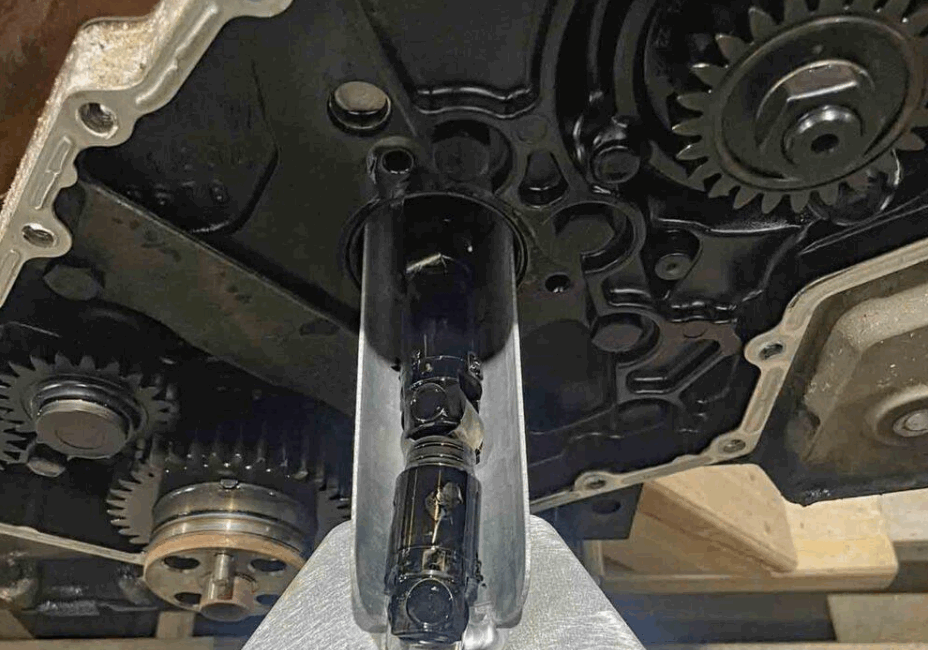
What Is a 6.7 Cummins Lifter Failure?
A 6.7 Cummins lifter failure occurs when the engine lifter cannot maintain proper contact and movement between the camshaft and valve train components. The lifter is a small but critical component inside the valvetrain system. It follows the camshaft profile and transfers its movement to the push rod and rocker arm, which control valve operation.
The 6.7L Cummins engine uses roller lifters to reduce friction between the lifter and camshaft. Each lifter contains a roller mechanism that moves along the camshaft lobe during engine operation. This design improves efficiency and durability, but the roller bearing and internal lifter parts can wear over time.
A failing lifter changes how the valve train operates. When the roller inside the lifter develops excessive wear or stops moving correctly, it creates uneven contact with the camshaft. This condition can damage the camshaft lobe and reduce the engine’s ability to control valve timing accurately.
The connection between the lifter and camshaft makes lifter failure a serious engine problem. A damaged lifter does not usually remain an isolated component failure because the damaged surface can create metal debris inside the engine oil system. These particles can circulate through the engine and increase wear on other internal components.
For example, a worn roller lifter can damage a camshaft lobe by creating an uneven contact surface. Once camshaft wear develops, replacing only the lifter may not restore proper engine operation. Technicians often inspect both components together to determine the complete repair requirement.
What Are the Symptoms of 6.7 Cummins Lifter Failure?
A 6.7 Cummins lifter failure creates several noticeable symptoms that affect engine noise, performance, and internal operation. The earliest signs usually appear in the valvetrain system because the lifter directly controls valve movement. Recognizing these symptoms early helps prevent additional damage to the camshaft and other engine components.
One of the most common symptoms is an abnormal ticking or tapping noise from the engine. A healthy lifter maintains smooth contact with the camshaft during operation. A worn or damaged lifter can create excessive clearance between components, which produces a repeated mechanical sound. The noise often becomes more noticeable during engine startup or under acceleration.
Another common symptom is reduced engine performance. A failed lifter cannot move the valve train correctly, which affects valve timing and cylinder efficiency. The engine may lose power, respond slowly during acceleration, or operate less smoothly. In severe cases, improper valve movement can cause combustion problems inside the affected cylinder.
A 6.7 Cummins with lifter problems may also experience rough idle or engine misfires. When a lifter fails, the affected valve may not open or close at the correct point during the combustion cycle. This condition reduces airflow control and fuel combustion efficiency. Drivers may notice engine vibration, uneven operation, or a check engine light.
Metal particles in engine oil represent another serious warning sign. A damaged roller lifter can wear against the camshaft and release metal debris into the lubrication system. These particles can travel through the engine oil passages and increase wear on other components. An oil inspection can help identify internal damage before a complete engine failure occurs.
For example, a truck owner who notices a new ticking sound combined with reduced power should inspect the valvetrain system instead of continuing normal operation. Early diagnosis can prevent a lifter problem from developing into a more expensive repair involving the camshaft or other internal engine parts.
What Causes 6.7 Cummins Lifter Failure?
A 6.7 Cummins lifter failure develops when mechanical stress, lubrication problems, or component wear prevents the lifter from operating correctly. The lifter works thousands of times per minute during engine operation, so even small problems inside the valvetrain system can create significant damage over time.
One of the main causes of lifter failure is poor engine oil maintenance. The lifter depends on clean oil to reduce friction and protect its internal moving parts. Old, contaminated, or incorrect oil can reduce lubrication quality and increase wear between the lifter roller and camshaft surface. Regular oil changes with the correct diesel engine oil help maintain proper protection for these components.
Another common cause is roller bearing wear inside the lifter. The roller allows smooth movement between the lifter and camshaft lobe. When the roller bearing develops excessive clearance or stops rotating correctly, it creates uneven contact with the camshaft. This condition increases friction and can damage both the lifter and camshaft.
High engine mileage also increases the risk of lifter failure. A 6.7L Cummins engine operates under high compression and heavy loads, especially in towing and commercial applications. Continuous mechanical stress can gradually weaken valvetrain components. Vehicles that regularly tow heavy loads or operate under demanding conditions may experience faster component wear.
Camshaft damage can also contribute to lifter failure. The lifter and camshaft operate as a connected system, so damage to one component often affects the other. A worn camshaft lobe can create abnormal contact with the lifter, while a failed lifter can damage the camshaft surface. This relationship means technicians usually inspect both components during diagnosis.
For example, a 6.7 Cummins engine with poor oil history may develop lifter roller wear before reaching extremely high mileage. Once the damaged lifter creates metal contamination, the engine may experience additional wear beyond the original failure point. Proper lubrication, regular inspections, and early repairs reduce the risk of major valvetrain damage.
How Do You Diagnose 6.7 Cummins Lifter Failure?
A 6.7 Cummins lifter failure requires a systematic inspection because several engine problems can create similar symptoms. Technicians diagnose lifter issues by combining sound inspection, oil analysis, engine performance checks, and physical examination of valvetrain components.
The first diagnostic step involves identifying abnormal engine noise. A damaged lifter often creates a consistent ticking or tapping sound from the upper engine area. Technicians compare the location, frequency, and intensity of the noise to determine whether the problem comes from the valvetrain system or another engine component.
Engine oil inspection provides another important diagnostic method. A failed lifter can create metal particles when the roller or internal surfaces wear against the camshaft. Inspecting the oil filter and drained oil can reveal signs of internal damage. Excessive metal contamination often indicates that the failure has progressed beyond a single lifter component.
A technician may also perform additional engine tests to evaluate performance problems. These tests can include checking cylinder operation, monitoring engine fault codes, and inspecting valve movement. A 6.7L Cummins engine with lifter failure may show misfires, uneven operation, or reduced power because damaged lifters affect valve timing and airflow control.
Physical inspection provides the most accurate confirmation of lifter damage. Mechanics may need to remove engine components to access the valvetrain and inspect the lifter rollers, camshaft lobes, and related parts. A worn roller surface, damaged camshaft lobe, or excessive lifter movement confirms mechanical failure.
For example, a 6.7 Cummins engine with a ticking noise and metal debris in the oil requires more than a simple noise check. The technician must inspect the complete valvetrain system because replacing a damaged lifter without addressing camshaft wear can lead to repeated failure.
How Much Does 6.7 Cummins Lifter Failure Repair Cost?
A 6.7 Cummins lifter failure repair cost depends on the level of internal damage, required replacement parts, and labor involved in accessing the valvetrain system. A simple lifter replacement can become a more expensive repair if the failure damages the camshaft or creates metal contamination throughout the engine.
The main cost factor is the condition of the camshaft. The lifter and camshaft operate as a connected system, so a damaged lifter often affects the camshaft surface. If the camshaft lobes show wear, technicians may need to replace both components to restore proper valve operation. Replacing only the failed lifter while leaving a damaged camshaft can cause another failure after repair.
Labor costs also have a major impact on the total repair expense. The 6.7L Cummins engine requires significant disassembly to access internal valvetrain components. The repair process may involve removing covers, inspecting internal parts, replacing damaged components, and testing engine operation after assembly. The amount of required labor increases when technicians find additional damage.
Parts selection also changes the final repair cost. The replacement price depends on the quality of lifters, camshaft condition, gaskets, seals, and other components needed during the repair. Some repairs require additional parts because metal debris from the failed lifter can spread through the lubrication system.
For example, a 6.7 Cummins engine with early lifter damage may require fewer repairs than an engine that continues operating after failure symptoms appear. Addressing ticking noises, performance problems, or oil contamination early can reduce the chance of a larger engine repair.
The best way to estimate repair cost is through a complete diagnosis. A professional inspection identifies whether the problem involves only the lifter or includes additional valvetrain damage that requires a more extensive repair.
How Is 6.7 Cummins Lifter Failure Repaired?
A 6.7 Cummins lifter failure repair requires replacing damaged valvetrain components and restoring proper contact between the lifter and camshaft. The repair process depends on the severity of the failure. A technician must inspect the entire valvetrain system because lifter damage often affects connected components.
The first repair step involves confirming the source and extent of the damage. A mechanic inspects the lifters, camshaft lobes, push rods, and rocker arms to identify worn or damaged parts. This inspection determines whether the repair requires only lifter replacement or additional component replacement.
Replacing damaged lifters requires access to the internal valvetrain system. Technicians remove the necessary engine components to reach the lifters and inspect their condition. During this process, they also check for metal contamination because debris from a failed lifter can circulate through the engine oil system.
Camshaft inspection is a critical part of the repair process. A damaged lifter can create wear marks on the camshaft lobe, which affects valve movement and engine performance. If the camshaft surface shows excessive wear, replacing the camshaft may become necessary. Installing new lifters on a damaged camshaft can create another failure because the components will not operate together correctly.
After replacing damaged components, technicians test the engine to confirm proper operation. They check for abnormal noise, correct valve movement, oil pressure issues, and overall engine performance. A successful repair should restore normal valvetrain operation and prevent additional internal damage.
For example, replacing only a noisy lifter may not solve the problem if the camshaft already has wear damage. A complete repair focuses on restoring the relationship between the lifter, camshaft, and valve train rather than replacing one failed component without checking the surrounding system.
How Can You Prevent 6.7 Cummins Lifter Failure?
A 6.7 Cummins lifter failure can be reduced through proper lubrication, regular inspections, and early response to warning signs. The lifter and camshaft depend on consistent oil protection because they experience continuous mechanical contact during engine operation. Preventive maintenance helps reduce wear and protects the entire valvetrain system.
The most important prevention method is maintaining proper engine oil service. Clean oil reduces friction between the lifter roller and camshaft surface. Old or contaminated oil can contain particles that increase component wear. Following the recommended oil change schedule and using the correct diesel engine oil helps maintain stable lubrication inside the 6.7L Cummins engine.
Regularly monitoring engine condition also helps identify problems before major damage occurs. Drivers should pay attention to new ticking sounds, unusual engine vibration, reduced power, or changes in oil condition. These symptoms often appear before complete lifter failure develops. Early inspection allows technicians to repair smaller issues before they damage additional components.
Proper operating habits can also reduce valvetrain stress. The 6.7 Cummins engine often works under demanding conditions such as towing, hauling, and extended heavy-load operation. Allowing the engine to reach normal operating temperature and avoiding unnecessary stress during cold operation can help reduce mechanical strain on internal components.
Routine inspections provide additional protection for high-mileage engines. Checking oil quality, monitoring engine performance, and inspecting related components during maintenance can reveal early signs of wear. Vehicles used for commercial work or frequent towing require closer attention because they experience higher mechanical loads.
For example, a 6.7 Cummins owner who replaces oil regularly and investigates unusual valvetrain noise early has a better chance of preventing severe lifter and camshaft damage. Preventive maintenance does not eliminate all mechanical failures, but it reduces the conditions that commonly contribute to lifter problems.
Conclusion
A 6.7 Cummins lifter failure is a valvetrain problem that can affect engine performance, reliability, and long-term durability if it remains unresolved. The lifter works closely with the camshaft and other valve train components, which means a small failure can develop into wider engine damage.
The most common warning signs include abnormal ticking sounds, reduced engine power, rough operation, and metal contamination in engine oil. These symptoms indicate that the lifter or related components may not operate correctly. Early diagnosis helps prevent additional damage to the camshaft and reduces the risk of more expensive repairs.
Proper maintenance plays an important role in protecting the 6.7L Cummins lifter system. Regular oil changes, correct engine oil selection, and routine inspections help maintain lubrication and reduce mechanical wear. Owners who identify unusual engine behavior early can often address problems before they affect other internal components.
Repairing lifter failure requires more than replacing a single damaged part. A complete inspection of the lifter, camshaft, and valve train system ensures that the repair addresses the actual cause of the problem. With proper maintenance and timely repairs, a 6.7 Cummins engine can continue delivering reliable performance under demanding conditions.