The 6.4 Powerstroke Engine Specs: Full Breakdown of Performance, Torque, and Reliability is a topic that continues to attract diesel truck enthusiasts, especially those considering a used Ford Super Duty. But why does this engine still spark so much debate years after its release?
Introduced between 2008 and 2010, the 6.4 Powerstroke was designed to deliver more power, better emissions control, and improved driving performance compared to its predecessor. On paper, the numbers look impressive. Strong horsepower, high torque output, and advanced twin turbo technology made it one of the most powerful diesel engines of its time. However, many owners quickly discovered that raw performance does not always translate into long term reliability.
This creates a real dilemma for buyers. Should you trust the impressive 6.4 Powerstroke engine specs, or should you be cautious because of its known issues and maintenance costs? For many truck owners, this uncertainty leads to hesitation, especially when investing in a used diesel vehicle.
In this complete guide, we will break down the 6.4 Powerstroke engine specs in detail, analyze its real world performance, and evaluate its reliability so you can make a confident and informed decision.
Contents
6.4 Powerstroke Engine Overview
To understand the 6.4 Powerstroke Engine Specs: Full Breakdown of Performance, Torque, and Reliability, you need a clear view of its design and purpose.
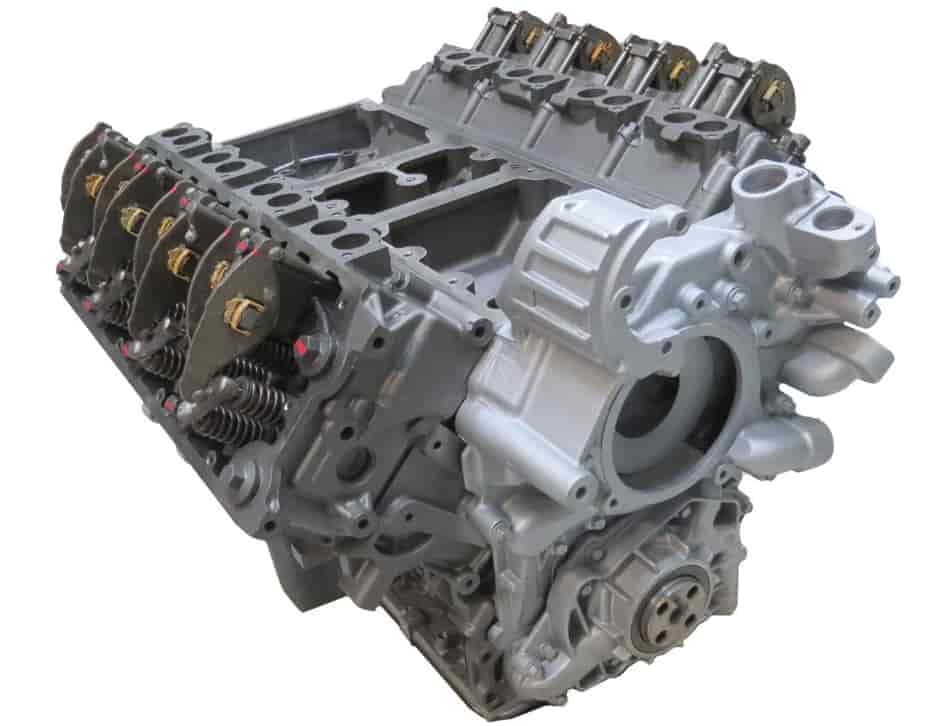
Ford and Navistar developed the 6.4 Powerstroke as a 6.4 liter V8 diesel engine. They built it for Ford Super Duty trucks from 2008 to 2010. The engine replaced the older 6.0 Powerstroke and aimed to deliver more power and better emissions control.
One standout feature is the twin turbocharger system. The engine uses a sequential setup with two turbos. A smaller turbo works at low speeds to improve response. A larger turbo activates at higher speeds to boost power. This setup reduces turbo lag and improves acceleration.
The engine also uses a high pressure common rail fuel system. This system delivers fuel with greater precision. It improves combustion and increases overall efficiency. It also helps the engine meet stricter emissions standards.
However, this advanced design comes with trade offs. More components increase system complexity. This raises the risk of mechanical issues over time. It also leads to higher maintenance costs for many owners.
This overview gives you the foundation needed to understand the full 6.4 Powerstroke engine specs and its real world behavior.
6.4 Powerstroke Engine Specs
Now let’s break down the 6.4 Powerstroke Engine Specs: Full Breakdown of Performance, Torque, and Reliability with clear and structured data. This section gives you a complete technical snapshot of what this engine delivers on paper.
Key Engine Specifications
- Engine Type: V8 turbocharged diesel
- Displacement: 6.4 liters or 391 cubic inches
- Horsepower: 350 hp at 3,000 rpm
- Torque: 650 lb ft at 2,000 rpm
- Compression Ratio: 17.5 to 1
- Fuel System: High pressure common rail
- Turbo System: Sequential twin turbochargers
- Bore x Stroke: 3.87 inches x 4.13 inches
- Emissions System: Diesel particulate filter system
- Cooling System: Liquid cooled
These numbers show why the 6.4 Powerstroke gained attention when it launched. The engine delivers strong horsepower and high torque, which makes it ideal for heavy duty tasks. The torque output, in particular, plays a key role in towing and hauling performance.
The sequential twin turbo system also adds a major advantage. It helps the engine produce power more smoothly across different speed ranges. This improves both city driving and highway performance.
However, raw specs only tell part of the story. Many buyers focus on horsepower and torque, but overlook how these figures translate into real world use. Factors like fuel economy, heat management, and emissions systems can greatly affect long term ownership.
That is why understanding the full 6.4 Powerstroke engine specs is not just about numbers. It is about how those numbers perform under real driving conditions.
Performance Breakdown
Understanding raw numbers is not enough. You need to see how the 6.4 Powerstroke Engine Specs: Full Breakdown of Performance, Torque, and Reliability translate into real driving performance.
Horsepower and Acceleration
The 6.4 Powerstroke produces 350 horsepower, which was impressive for its time. This level of power gives the truck strong acceleration, especially for a heavy duty diesel platform. You will notice quicker throttle response compared to older diesel engines.
The twin turbo system plays a key role here. The smaller turbo builds boost at low RPM, so the truck feels more responsive from a stop. As speed increases, the larger turbo takes over and maintains strong power delivery. This creates a smoother and more consistent acceleration curve.
Torque and Towing Capability
Torque is where this engine truly stands out. With 650 lb ft of torque, the 6.4 Powerstroke handles heavy loads with confidence. This makes it a solid choice for towing trailers, boats, or RVs.
In real world use, high torque means less strain on the engine when pulling weight. The truck can maintain speed on hills without constant downshifting. This improves both driving comfort and control during long hauls.
Driving Experience
The overall driving experience feels refined for a diesel truck of this era. Power delivery is smooth, and turbo lag is minimal compared to older designs. The engine performs well on highways and under load.
However, performance comes with trade offs. The engine generates significant heat under heavy use. This can impact long term durability if not managed properly. Many owners also report that performance feels strong but comes at the cost of fuel efficiency.
This section shows that the 6.4 Powerstroke engine specs deliver strong real world performance. At the same time, they introduce challenges that every owner should consider.
Fuel Economy Analysis
Fuel economy is one of the biggest concerns when evaluating the 6.4 Powerstroke Engine Specs: Full Breakdown of Performance, Torque, and Reliability. While the engine delivers strong performance, many owners quickly notice its high fuel consumption.
In real world conditions, the 6.4 Powerstroke typically averages around 11 to 13 miles per gallon in the city and 14 to 17 miles per gallon on the highway. These numbers can vary based on driving habits, load weight, and road conditions. However, they remain lower than many competing diesel engines.
Several factors explain this issue. One major reason is the emissions system, especially the diesel particulate filter. The engine runs regeneration cycles to burn off soot buildup. During these cycles, extra fuel is injected into the system, which increases overall consumption.
Another factor is engine weight and design. The twin turbo setup and heavy duty components require more energy to operate. This adds to fuel usage, especially during stop and go driving.
For many owners, this creates a clear trade off. You get strong power and smooth performance, but you pay more at the pump. Over time, fuel costs can become a significant expense, especially for daily driving.
Understanding this aspect of the 6.4 Powerstroke engine specs helps you set realistic expectations. If fuel efficiency is a top priority, this engine may not be the best choice. However, if you value power and towing capability, the trade off might be worth it.
Reliability and Common Problems
Reliability remains the most controversial aspect of the 6.4 Powerstroke Engine Specs: Full Breakdown of Performance, Torque, and Reliability, and it often becomes the deciding factor for potential buyers. While the engine delivers strong power and smooth performance, many owners report recurring mechanical issues that affect long term ownership.
One of the most common problems involves the diesel particulate filter system. This component traps soot to meet emissions standards, but it can clog quickly under normal driving conditions. As a result, the engine runs frequent regeneration cycles, which increase heat and fuel consumption. Over time, this not only reduces efficiency but also puts additional stress on engine components.
Another serious issue is fuel dilution. During regeneration, excess fuel can mix with engine oil, reducing its ability to lubricate properly. This leads to faster internal wear and increases the risk of engine damage if not addressed early. Regular oil checks and maintenance become essential to avoid costly repairs.
The twin turbo system also adds complexity. While it improves performance, it introduces more parts that can fail. Turbo wear or failure is not uncommon, especially in high mileage vehicles or trucks used for heavy towing.
In real world conditions, many engines reach between 150,000 and 200,000 miles with proper care. However, without consistent maintenance, problems can appear much earlier. This makes reliability a key concern when evaluating the 6.4 Powerstroke engine specs.
Pros and Cons
When evaluating the 6.4 Powerstroke Engine Specs: Full Breakdown of Performance, Torque, and Reliability, it is important to look at both strengths and weaknesses. This balanced view helps you decide whether this engine fits your needs.
The biggest advantage of the 6.4 Powerstroke is its strong performance. With 350 horsepower and 650 lb ft of torque, the engine delivers excellent pulling power. It handles heavy loads with ease and performs well in demanding conditions. The twin turbo system also improves throttle response and provides smoother acceleration compared to older diesel engines. Many drivers appreciate how refined and responsive it feels on the road.
Another benefit is its advanced technology for its time. Features like the high pressure common rail fuel system and sequential turbochargers helped improve combustion efficiency and overall driving experience.
However, these strengths come with notable downsides. Reliability remains the biggest concern. Many owners face issues related to the emissions system, fuel dilution, and turbo components. These problems can lead to expensive repairs and increased maintenance costs over time.
Fuel economy is another drawback. The engine consumes more fuel than many other diesel options, especially during city driving or regeneration cycles. This can significantly increase long term ownership costs.
Overall, the 6.4 Powerstroke engine specs show a clear trade off. You get strong power and modern features, but you must accept higher risks in reliability and fuel expenses.
Should You Buy a 6.4 Powerstroke Today
Deciding whether to buy a truck with this engine depends on how you interpret the 6.4 Powerstroke Engine Specs: Full Breakdown of Performance, Torque, and Reliability in real world use. While the engine offers strong performance, it is not the right choice for every driver.
This engine makes sense for buyers who prioritize power and towing capability. If you need a truck for hauling heavy loads or long highway drives, the 6.4 Powerstroke can still deliver solid performance. Its high torque and smooth acceleration create a confident driving experience, especially under load.
However, you need to consider the risks. Reliability concerns and high maintenance costs can quickly turn ownership into a financial burden. Many buyers underestimate these costs and focus only on horsepower and torque. This often leads to regret after purchase.
This engine may be a good option if you have mechanical knowledge or plan to invest in proper maintenance. It also suits those who find a well maintained unit with service records. In this case, the engine can still provide value.
On the other hand, if you want a daily driver with low maintenance and better fuel economy, this is not the ideal choice. The fuel consumption alone can become a long term issue.
In the end, the 6.4 Powerstroke engine specs show strong capability, but ownership requires careful consideration and realistic expectations.
Conclusion
The 6.4 Powerstroke Engine Specs: Full Breakdown of Performance, Torque, and Reliability reveal a diesel engine that delivers impressive power but comes with important trade offs. On paper, the numbers look strong. With 350 horsepower, 650 lb ft of torque, and a twin turbo system, this engine offers solid performance for towing and heavy duty use.
In real world conditions, the 6.4 Powerstroke proves that it can handle demanding tasks with ease. It provides smooth acceleration and strong pulling capability, which many truck owners still value today. However, performance is only one part of the equation.
Reliability concerns, fuel consumption, and maintenance costs remain key issues that you cannot ignore. Problems related to the emissions system, fuel dilution, and turbo components can affect long term ownership. These factors often become the biggest pain points for buyers.
If you understand these risks and maintain the engine properly, the 6.4 Powerstroke can still be a usable and capable option. But if you are looking for a worry free daily driver, you may want to consider other alternatives.
Now that you fully understand the 6.4 Powerstroke engine specs, what do you think? Would you still consider owning one, or would you choose a more reliable diesel engine? Share your thoughts and experience below.