The 6.0 Powerstroke engine is one of the most recognized diesel engines used in Ford Super Duty trucks. Many drivers appreciate it for its strong towing power and solid performance. However, this engine also became known for several reliability concerns. One of the most common problems involves the Exhaust Gas Recirculation system.
The EGR system helps reduce emissions by sending a portion of exhaust gases back into the engine. In theory, this process protects the environment. In reality, it often creates problems for the 6.0 Powerstroke. Carbon buildup can block airflow, while EGR cooler failure can lead to coolant loss and engine overheating. These issues can quickly turn into expensive repairs.
Because of these concerns, many truck owners begin researching a 6.0 Powerstroke EGR delete. This modification removes the factory EGR components and replaces them with a simpler system. Many drivers believe it improves reliability and reduces the risk of major engine damage.
In this guide, you will learn how the EGR system works and why many owners remove it. We will also explore the benefits, potential risks, and the basic installation process. By the end of this article, you will understand whether a 6.0 Powerstroke EGR delete is the right upgrade for your truck.
Contents
- What Is the EGR System on a 6.0 Powerstroke
- Why Many Owners Perform a 6.0 Powerstroke EGR Delete
- Benefits of a 6.0 Powerstroke EGR Delete
- Problems and Risks of a 6.0 Powerstroke EGR Delete
- Signs Your 6.0 Powerstroke EGR System Is Failing
- Tools and Parts Needed for a 6.0 Powerstroke EGR Delete
- Step by Step 6.0 Powerstroke EGR Delete Installation
- Conclusion
What Is the EGR System on a 6.0 Powerstroke
The Exhaust Gas Recirculation system plays an important role in modern diesel engines. The main purpose of this system is to reduce harmful emissions produced during combustion. To achieve this goal, the engine sends a small portion of exhaust gases back into the intake system.
Inside a 6.0 Powerstroke engine, the EGR system lowers combustion temperatures. Lower temperatures reduce the amount of nitrogen oxides released into the atmosphere. This process helps the engine meet emissions regulations that apply to diesel trucks.
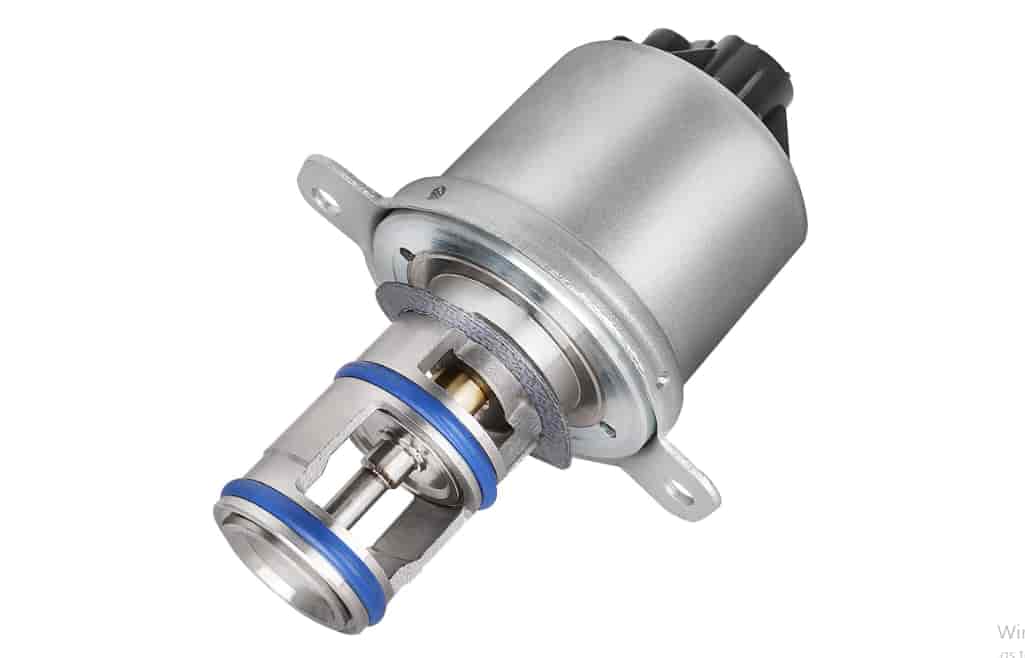
Several components work together to make the EGR system function correctly. The EGR valve controls how much exhaust gas enters the intake system. The EGR cooler lowers the temperature of those gases before they reach the engine. This step protects the engine from excessive heat and helps maintain stable operation.
Although the design seems simple, the system operates in a very harsh environment. Hot exhaust gases carry soot and carbon particles through the EGR cooler and valve. Over time, these particles build up inside the system. This buildup can restrict airflow and reduce engine efficiency.
In the 6.0 Powerstroke engine, the EGR cooler often becomes the weakest point. High temperatures and constant exposure to soot can damage the cooler over time. When the cooler fails, coolant may leak into the intake system. This situation can cause white smoke, overheating, and serious engine problems.
Because of these risks, many diesel owners start researching solutions such as improved EGR components or a complete 6.0 Powerstroke EGR delete.
Why Many Owners Perform a 6.0 Powerstroke EGR Delete
Many diesel truck owners begin to consider a 6.0 Powerstroke EGR delete after experiencing repeated engine problems. The EGR system works under extreme heat and constant exposure to soot. Over time, this harsh environment can cause several mechanical failures that affect engine performance and reliability.
One of the most common issues involves the EGR cooler. The cooler must handle very high temperatures while allowing coolant to flow through it. When the cooler cracks or becomes clogged, coolant can leak into the intake system. This problem often leads to white smoke from the exhaust and unexpected coolant loss. If the driver ignores these symptoms, the engine may begin to overheat.
Carbon buildup is another major concern. Exhaust gases contain soot particles that slowly accumulate inside the intake manifold and the EGR valve. As this buildup grows, airflow becomes restricted. The engine must work harder to produce the same amount of power. Drivers may notice reduced throttle response and lower fuel efficiency.
Many owners also worry about long term reliability. The 6.0 Powerstroke engine already operates under heavy load in trucks used for towing or hauling. When the EGR system begins to fail, the risk of costly engine damage increases. Repairs can quickly become expensive because the EGR cooler often connects to other critical components such as the oil cooler.
Because of these problems, many diesel enthusiasts look for ways to simplify the system and prevent future failures. For this reason, the 6.0 Powerstroke EGR delete has become one of the most discussed modifications among truck owners who want to improve engine durability.
Benefits of a 6.0 Powerstroke EGR Delete
Many diesel owners choose a 6.0 Powerstroke EGR delete because they want a more reliable engine. The original EGR system exposes several components to high heat and heavy carbon buildup. When these parts fail, the repair cost can become very high. Removing the EGR system reduces the number of components that can create problems in the future.
One important benefit involves engine temperature. The EGR system sends hot exhaust gases back into the intake. This process raises the overall heat level inside the engine. When drivers perform a 6.0 Powerstroke EGR delete, the engine no longer circulates those hot gases through the intake system. As a result, many owners report lower operating temperatures and more stable engine performance.
Another advantage is reduced carbon buildup. Exhaust gases carry soot that slowly accumulates inside the intake manifold and other engine passages. Over time, this buildup restricts airflow and reduces engine efficiency. After removing the EGR system, the engine receives cleaner air. Better airflow can help maintain consistent power and smoother throttle response.
Reliability also improves for many truck owners. The EGR cooler is a common failure point in the 6.0 Powerstroke engine. When it cracks or leaks, coolant can enter the intake system and create serious engine damage. By removing the EGR cooler entirely, drivers eliminate one of the most common sources of engine failure.
Some owners also notice small improvements in performance. Cleaner airflow and reduced heat may allow the engine to operate more efficiently. While the power gain is usually modest, many drivers value the added peace of mind that comes from simplifying the engine system.
Problems and Risks of a 6.0 Powerstroke EGR Delete
Although many truck owners support a 6.0 Powerstroke EGR delete, this modification also carries several risks that drivers should understand before making a decision. Removing a factory emissions system can create legal, mechanical, and practical concerns depending on how the truck is used.
One important issue involves emissions regulations. The EGR system exists to reduce harmful gases produced during combustion. When drivers remove the system, the engine may release higher levels of nitrogen oxide into the atmosphere. In many regions, emissions laws require all original emissions equipment to remain installed on road vehicles. Because of this rule, a 6.0 Powerstroke EGR delete may not be legal for trucks used on public roads.
Another potential problem involves warning lights or engine management issues. Modern diesel engines rely on sensors to monitor emissions systems. When the EGR components disappear, the engine control module may detect abnormal readings. This situation can trigger a check engine light or cause diagnostic trouble codes.
Warranty and resale value can also become concerns. If the truck still carries any form of warranty coverage, removing emissions equipment may void that protection. Future buyers may also hesitate to purchase a modified vehicle if they live in areas with strict emissions inspections.
Drivers should also consider how the modification affects long term maintenance. A poorly installed delete kit can create leaks or other mechanical issues. For this reason, careful installation and proper tuning remain important factors when performing a 6.0 Powerstroke EGR delete.
Understanding these risks helps truck owners make a more informed decision before modifying their diesel engine.
Signs Your 6.0 Powerstroke EGR System Is Failing
A failing EGR system can create several warning signs in a 6.0 Powerstroke engine. Many drivers first notice small performance changes before the problem becomes serious. Recognizing these symptoms early can help prevent expensive engine damage.
One of the most common signs is white smoke coming from the exhaust. This symptom often appears when the EGR cooler begins to fail. When the cooler cracks, coolant can leak into the intake system. The engine then burns that coolant during combustion, which produces thick white smoke.
Another warning sign involves unexplained coolant loss. Drivers may notice that the coolant level drops even though no external leak appears under the truck. In many cases, the coolant escapes through a damaged EGR cooler and enters the engine system.
Engine overheating can also signal a problem with the EGR system. When the cooler becomes restricted or clogged, heat builds up inside the engine. High temperatures place additional stress on internal components and may reduce overall engine reliability.
Rough engine operation is another symptom that many drivers report. Carbon buildup inside the EGR valve or intake system can restrict airflow. When airflow becomes limited, the engine may run unevenly or feel less responsive during acceleration.
Some owners also notice reduced power and lower fuel efficiency. Carbon deposits and restricted airflow force the engine to work harder to produce the same performance. Over time, this condition may affect both drivability and fuel consumption.
When several of these symptoms appear at the same time, many truck owners begin to explore solutions such as replacing the EGR components or performing a 6.0 Powerstroke EGR delete.
Tools and Parts Needed for a 6.0 Powerstroke EGR Delete
Before starting a 6.0 Powerstroke EGR delete, it is important to prepare the correct parts and tools. Proper preparation helps make the installation process smoother and reduces the chance of mistakes during the procedure.
The most important component is a quality EGR delete kit designed specifically for the 6.0 Powerstroke engine. Most kits include block off plates, replacement pipes, and the necessary hardware to remove the original EGR cooler. These parts allow the intake system to operate without circulating exhaust gases back into the engine.
Gaskets are another essential item during the installation. Fresh gaskets help create a proper seal between engine components after removing the original EGR parts. Using new gaskets reduces the risk of leaks once the engine returns to normal operation.
Some kits also include a coolant reroute hose. This hose redirects coolant flow after the EGR cooler has been removed. Proper coolant circulation helps maintain stable engine temperatures and protects the cooling system.
In addition to the parts, several basic tools are necessary to complete the job. A standard socket set helps remove intake components and mounting bolts. A torque wrench allows the installer to tighten bolts to the correct specification. Basic hand tools such as screwdrivers and pliers also assist during the process.
A coolant drain pan is useful because the cooling system must be drained before removing the EGR cooler. Keeping the workspace organized makes the job safer and helps prevent contamination inside the engine.
Having all tools and components ready before starting the project will make the 6.0 Powerstroke EGR delete installation much more efficient.
Step by Step 6.0 Powerstroke EGR Delete Installation
Installing a 6.0 Powerstroke EGR delete requires patience and careful preparation. The process involves removing several factory components and replacing them with parts from the delete kit. Many experienced diesel owners perform this modification themselves, but beginners should follow each step carefully.
The first step is to disconnect both batteries. This prevents electrical problems while working on the engine. After disconnecting the batteries, allow the engine to cool completely before starting the procedure.
Next, drain the engine coolant. The EGR cooler connects directly to the cooling system, so coolant must be removed before taking out the original parts. Place a drain pan under the radiator and slowly release the coolant to avoid spills.
After draining the coolant, remove the intake components that block access to the EGR system. This usually includes the intake tube, air intake parts, and other small components around the top of the engine. Clearing this space allows better access to the EGR valve and cooler.
Once the area is accessible, remove the EGR valve and the EGR cooler. Carefully loosen the mounting bolts and disconnect the related hoses. Take your time during this step to avoid damaging nearby components.
The next step is to install the block off plates and replacement pipes included in the EGR delete kit. These parts seal the openings where the original EGR system connected to the engine. Make sure each bolt is tightened correctly to prevent leaks.
After installing the delete components, reassemble the intake system and reconnect all hoses and electrical connectors. Double check every connection before continuing.
Finally, refill the cooling system with fresh coolant and reconnect the batteries. Start the engine and allow it to reach normal operating temperature. Check for leaks and monitor engine performance to confirm that the installation was successful.
Conclusion
The 6.0 Powerstroke engine remains a popular choice among diesel truck owners who value strong towing capability and dependable performance. However, the factory EGR system has created reliability concerns for many drivers over time. Problems such as carbon buildup, coolant leaks, and EGR cooler failure often lead owners to search for long term solutions.
A 6.0 Powerstroke EGR delete has become one of the most discussed modifications in the diesel community. Many owners believe it helps reduce engine temperatures, improve airflow, and remove one of the most common failure points in the engine. For drivers who rely on their trucks for heavy work or long distance towing, improved reliability can provide significant peace of mind.
At the same time, it is important to understand the potential risks. Removing an emissions component may create legal issues in some regions, and improper installation can cause mechanical problems. For this reason, truck owners should carefully evaluate their needs before making any modification.
When performed correctly and used in appropriate conditions, a 6.0 Powerstroke EGR delete can simplify the engine system and reduce the chance of future failures. Understanding how the system works and recognizing the warning signs of EGR problems will help owners make a more informed decision.
If you own a 6.0 Powerstroke truck, the key question becomes simple. Is improving long term reliability worth modifying the factory EGR system?