If your car jerks when shifting, delays before moving, or slips between gears, you may face 5R55S transmission problems. These issues appear often in Ford models like the Explorer and Mustang. Many drivers notice them but do not act early.
At first, the symptoms feel minor. The car may shift a bit rough or respond slowly. Many people ignore these signs and continue driving. This mistake often leads to bigger damage over time.
Small transmission issues can turn into serious failures. Repair costs can rise fast and reach thousands of dollars. In some cases, you may need a full transmission replacement. That creates stress and unexpected expenses for many car owners.
The 5R55S transmission offers solid performance, but it also has known weak points. You need to understand these problems early. That helps you avoid costly repairs and long downtime.
In this guide, you will learn the most common symptoms, main causes, and effective fixes. You will also discover real repair costs and smart ways to handle the issue before it gets worse.
Contents
What Are 5R55S Transmission Problems
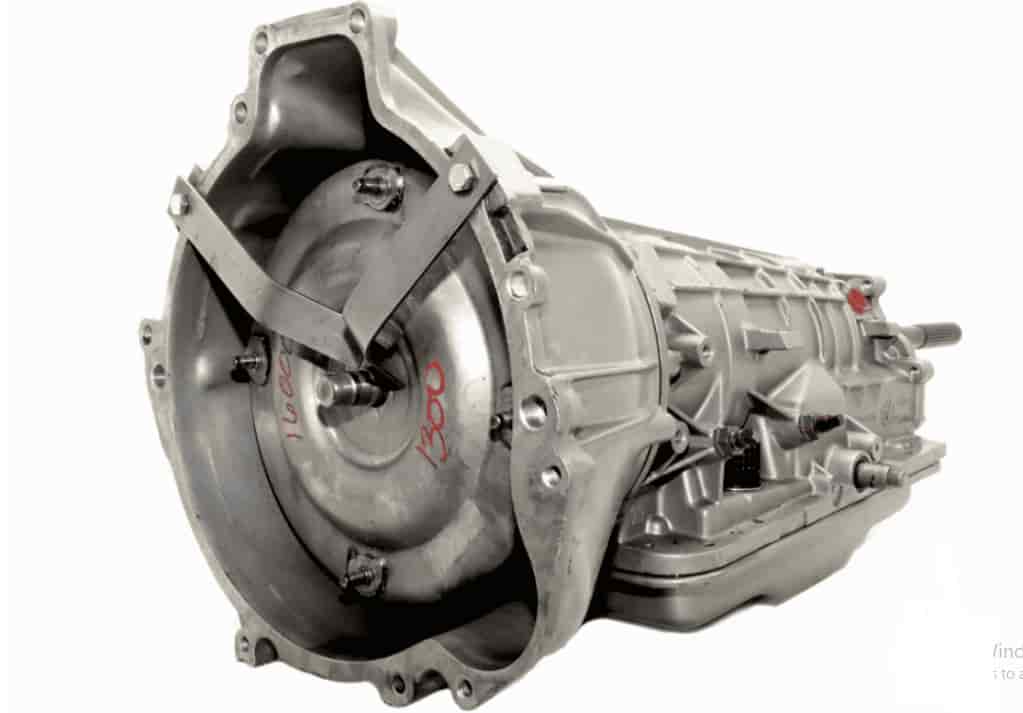
5R55S transmission problems refer to a range of issues that affect how your vehicle shifts gears and delivers power. This automatic transmission, used in many Ford vehicles, controls gear changes based on speed, load, and driving conditions. When it fails, the driving experience changes immediately.
Drivers often notice poor shifting performance first. The car may hesitate, jerk, or fail to engage gears smoothly. These problems do not happen randomly. They usually come from worn components, fluid issues, or internal pressure faults.
The 5R55S transmission relies on several key parts. These include the valve body, solenoids, bands, and transmission fluid. Each part plays a direct role in smooth gear operation. When one component fails, it can affect the entire system.
Many drivers underestimate these issues. They continue driving while the problem gets worse. This leads to more damage inside the transmission. Over time, repair costs increase and options become limited.
Understanding 5R55S transmission problems helps you act early. It allows you to spot warning signs and prevent major failure. This knowledge also helps you choose the right fix instead of wasting money on temporary solutions.
Common 5R55S Transmission Symptoms
Many drivers notice 5R55S transmission problems through clear warning signs. These symptoms often appear early, but people ignore them until the damage becomes serious. If you understand these signs, you can act before repair costs increase.
One common symptom is gear slipping. The engine revs, but the car does not accelerate as expected. This issue often happens during gear changes. It can feel like the transmission loses power for a moment. Over time, slipping becomes more frequent and dangerous.
Hard shifting is another typical problem. The car jerks or bangs when changing gears. This creates an uncomfortable driving experience. It also puts extra stress on internal components. Many drivers describe this as a sudden shock while driving.
Delayed engagement also appears often. You may shift into Drive or Reverse, but the car takes time to respond. This delay may last a few seconds. It signals pressure or fluid issues inside the transmission system.
Some vehicles also overheat during operation. High temperature reduces transmission performance and accelerates wear. In many cases, overheating leads to more serious internal damage.
The check engine light may turn on as well. This warning often connects to transmission faults. A diagnostic scan can reveal error codes related to solenoids or shifting performance.
If you notice any of these symptoms, you should not ignore them. Early action can prevent major failure and reduce repair costs.
Main Causes of 5R55S Transmission Problems
Several factors cause 5R55S transmission problems. Each issue affects how the transmission controls pressure, timing, and gear changes. When you understand these causes, you can identify the problem faster and choose the right fix.
One major cause is valve body failure. The valve body controls fluid flow inside the transmission. It directs pressure to the correct gears. When it wears out or develops faults, shifting becomes rough or unpredictable. Many 5R55S issues start from this component.
Solenoid problems also appear frequently. Solenoids control gear engagement through electronic signals. When a solenoid fails, the transmission may shift late, slip, or get stuck in one gear. Faulty solenoids often trigger warning codes in the system.
Worn bands and clutches create another common issue. These parts hold gears in place during operation. Over time, they wear down due to heat and friction. When this happens, the transmission cannot maintain proper grip, which leads to slipping.
Low or dirty transmission fluid can damage the entire system. Clean fluid keeps parts lubricated and cool. When fluid levels drop or become contaminated, internal components wear faster. This also affects pressure control and shifting quality.
Servo bore wear is a well known weakness in the 5R55S transmission. The servo controls band engagement. When the bore wears out, pressure leaks occur. This leads to slipping, delayed shifting, and poor performance.
Most transmission problems do not come from a single cause. They often result from a combination of wear, heat, and poor maintenance. That is why early diagnosis plays a critical role in preventing serious damage.
How to Fix 5R55S Transmission Problems
You can fix 5R55S transmission problems in several ways. The right solution depends on the severity of the issue. Some problems need simple maintenance, while others require major repair.
For minor issues, start with basic fixes. You should check the transmission fluid level and condition. If the fluid looks dark or smells burnt, replace it immediately. Fresh fluid can improve shifting and reduce slipping. In some cases, a simple fluid change solves early stage problems.
You can also reset the transmission control system. This step helps the system relearn shifting patterns. It may improve performance if the issue comes from incorrect data or minor electronic faults.
For moderate problems, you may need to replace key components. Faulty solenoids often cause shifting issues. Replacing them can restore proper gear control. A damaged valve body also requires repair or replacement. This fix improves fluid pressure and smooth shifting.
For severe cases, you need more advanced solutions. A transmission rebuild replaces worn internal parts such as bands and clutches. This option costs more but restores performance. If the damage is too extensive, a full transmission replacement becomes necessary.
You should not delay repairs. Small issues can grow into major failures if you ignore them. Early action helps you save money and avoid breakdowns.
Choosing the right fix depends on proper diagnosis. You should inspect symptoms carefully or consult a professional technician before making a decision.
5R55S Transmission Repair Cost
The cost of fixing 5R55S transmission problems can vary a lot. It depends on the type of damage, labor rates, and parts quality. Many drivers feel surprised when they see the total repair bill.
For minor service, the cost stays relatively low. A transmission fluid change usually costs between 100 and 250 dollars. This service helps if the issue comes from dirty or low fluid.
For moderate repairs, the cost increases. Replacing solenoids often ranges from 300 to 600 dollars. Repairing or replacing the valve body can cost between 400 and 900 dollars. These fixes target common failure points in the 5R55S system.
For major damage, the cost becomes significant. A full transmission rebuild usually ranges from 1500 to 2500 dollars. This process replaces worn internal components and restores function. If the transmission fails completely, replacement may cost between 2500 and 4000 dollars or more.
Several factors affect the final price. These include your location, labor cost, and whether you choose OEM or aftermarket parts. Vehicle condition also plays a role. Severe damage often leads to higher costs.
Many drivers face a difficult decision at this stage. They must choose between repair and replacement. Making the wrong choice can waste money or lead to repeated issues.
Understanding repair costs helps you plan ahead. It also allows you to act early and avoid the most expensive outcomes.
Repair vs Replace: What Should You Do
When you face serious 5R55S transmission problems, you need to decide between repair and replacement. This decision affects your budget, vehicle lifespan, and long term reliability.
You should choose repair if the damage is still limited. For example, issues like faulty solenoids or a worn valve body often have clear fixes. These repairs cost less and take less time. If your vehicle has low mileage and remains in good condition, repair is usually the smarter option.
You can also consider repair when the symptoms appear early. Fixing problems at this stage prevents further damage. It also helps you avoid the high cost of a full rebuild or replacement.
However, replacement becomes a better choice in severe cases. If the transmission shows multiple failures, repair may not solve the root problem. Rebuilding may cost a lot but still carry some risk. In this situation, replacing the entire transmission can offer more reliability.
Mileage is another key factor. Older vehicles with high mileage often have worn internal components. Even after repair, new issues may appear. Replacement gives you a more stable long term solution.
You should also think about your budget and future plans. If you plan to keep the car for many years, replacement may provide better value. If you want a short term solution, repair can save money.
Making the right decision requires careful evaluation. You should compare costs, risks, and expected lifespan before choosing the best option.
How to Prevent 5R55S Transmission Problems
You can prevent many 5R55S transmission problems with simple habits. Regular maintenance plays the most important role. It helps your transmission run smoothly and last longer.
You should change the transmission fluid at the right interval. Clean fluid keeps internal parts lubricated and reduces heat. Dirty fluid increases friction and causes faster wear. Always use the correct fluid type recommended for your vehicle.
You also need to check fluid levels often. Low fluid can reduce pressure inside the system. This leads to slipping, delayed shifting, and overheating. A quick check can prevent serious damage.
Driving habits also affect transmission health. Avoid aggressive acceleration and sudden braking. These actions put extra stress on internal components. Smooth driving helps reduce wear over time.
You should not overload your vehicle. Carrying excessive weight or towing beyond limits increases heat and pressure. This can shorten the lifespan of your transmission.
Regular inspection is another key factor. If you notice small symptoms, you should act early. Fixing minor issues costs less and prevents bigger failures.
Preventive care always costs less than repair. A few simple steps can save you thousands of dollars and keep your vehicle running reliably.
Conclusion
5R55S transmission problems can start with small symptoms but quickly turn into serious failures. Many drivers ignore early signs such as slipping, delayed shifting, or rough gear changes. This often leads to higher repair costs and more complex damage.
In this guide, you have learned how to identify common symptoms, understand the main causes, and choose the right fixes. You also explored real repair costs and the key differences between repair and replacement. These insights help you make better decisions and avoid unnecessary expenses.
The most important step is early action. When you detect problems early, you can fix them at a lower cost and prevent major breakdowns. Regular maintenance and careful driving also play a key role in extending the life of your transmission.
If you are currently facing 5R55S transmission problems, do not wait until the situation gets worse. Check your symptoms, evaluate your options, and take action as soon as possible.
What symptoms are you experiencing right now? Share your situation or questions to get the right solution before the repair cost increases.