The 5.7L HEMI V8 is one of Chrysler’s most successful engines. It delivers strong performance, excellent towing capacity, and impressive durability. Drivers can find this V8 in the RAM 1500, Dodge Charger, Dodge Challenger, Jeep Grand Cherokee, and Chrysler 300. With regular maintenance, many engines exceed 200,000 miles without major repairs.
However, every engine has weak points. The 5.7 HEMI develops several recurring problems as mileage increases. Lifter failure ranks among the most expensive repairs. Camshaft wear often follows if owners ignore the issue. Many drivers also notice the well-known HEMI tick, broken exhaust manifold bolts, or faults in the Multi-Displacement System (MDS). Some problems create only minor noise. Others can cause severe engine damage and expensive repairs.
This guide explains the eight most common 5.7 HEMI problems in clear detail. You will learn the warning signs, underlying causes, repair options, and typical repair costs. The article also identifies the model years that experience these issues most often. Finally, it explains how proper maintenance helps prevent many of these failures. Whether you already own a 5.7 HEMI or plan to buy one, this guide will help you make informed maintenance and purchasing decisions.
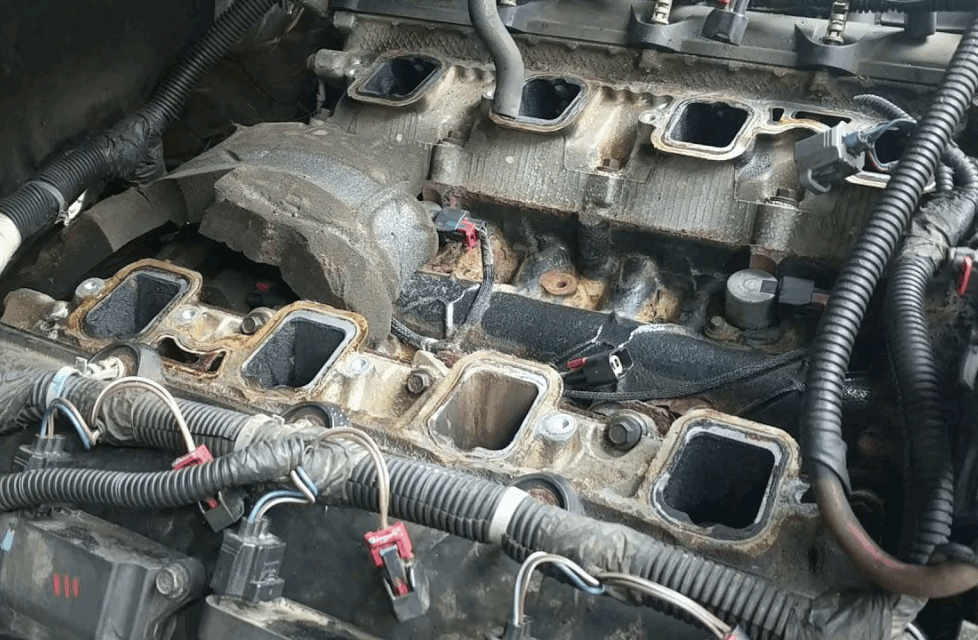
What Are the Most Common 5.7 HEMI Problems?
The 5.7 HEMI is a durable V8 engine, but it develops several recurring mechanical problems as mileage increases. Most owners experience these issues after 80,000 to 150,000 miles, although poor maintenance can accelerate wear. Some failures produce only minor symptoms, while others can damage major engine components if left unresolved. Understanding these common problems helps owners identify early warning signs and avoid expensive repairs.
The most serious issue is lifter failure. Worn hydraulic lifters often prevent the valves from operating correctly. As the damaged lifter continues to contact the camshaft, it gradually wears down the camshaft lobes. Once this happens, engine performance drops, misfires become more frequent, and repair costs increase significantly. Replacing the affected components early usually prevents further internal damage.
Another well-known concern is the HEMI tick. Many owners notice a ticking sound during cold starts or while the engine idles. In some cases, the noise comes from broken exhaust manifold bolts and poses little risk to engine reliability. However, a persistent metallic ticking noise can also indicate lifter or valve train wear. A professional inspection is the safest way to determine the actual cause.
Several additional problems also appear on higher-mileage engines. The Multi Displacement System (MDS) may not operate correctly because of oil pressure issues or worn lifters. Spark plugs and ignition coils can wear out over time, leading to engine misfires and reduced fuel efficiency. Water pumps may eventually leak coolant, increasing the risk of overheating if owners delay replacement. While these failures are common, regular maintenance greatly reduces their frequency.
The table below summarizes the eight most common 5.7 HEMI problems, their typical symptoms, and their overall severity.
| Common Problem | Typical Symptoms | Severity |
|---|---|---|
| Lifter Failure | Ticking noise, misfire, power loss | High |
| Camshaft Wear | Rough idle, reduced performance | High |
| HEMI Tick | Ticking during idle or cold start | Medium to High |
| Exhaust Manifold Bolt Failure | Exhaust leak, ticking noise | Medium |
| MDS Failure | Rough operation, poor fuel economy | Medium |
| Ignition Misfire | Check Engine Light, hesitation | Medium |
| Water Pump Failure | Coolant leak, overheating | Medium |
| Spark Plug Wear | Misfire, difficult acceleration | Low to Medium |
Why Is Lifter Failure the Most Serious 5.7 HEMI Problem?
Lifter failure is the most expensive and destructive problem affecting the 5.7 HEMI. It usually develops after 100,000 miles, although poor lubrication, extended oil change intervals, or frequent short trips can accelerate wear. Once a lifter begins to fail, it can quickly damage the camshaft and create a much larger repair bill.
Hydraulic lifters keep the valve train operating smoothly by maintaining proper valve clearance. As internal components wear, the lifter can no longer follow the camshaft correctly. Instead of rolling across the camshaft lobe, it begins to slide against the surface. This metal to metal contact gradually removes the hardened coating from the camshaft. As wear increases, valve lift decreases and engine performance starts to decline.
Most drivers first notice a persistent ticking noise from the top of the engine. The sound often becomes louder as the engine warms up and does not disappear after a few minutes. Other common symptoms include rough idling, reduced acceleration, engine misfires, lower fuel efficiency, and an illuminated Check Engine Light. In severe cases, the engine may enter limp mode because one or more cylinders cannot operate correctly.
Ignoring these symptoms almost always increases repair costs. A failed lifter rarely damages only itself. As the camshaft continues to wear, metal particles circulate through the engine oil and increase wear on other internal components. Replacing both the damaged lifters and camshaft at an early stage usually prevents additional engine damage and reduces the overall repair expense.
Routine maintenance remains the best defense against lifter failure. Using the correct engine oil, replacing oil and filters at the recommended intervals, and investigating unusual engine noises as soon as they appear can significantly extend the life of the valve train. For many owners, early diagnosis is the difference between a manageable repair and a complete engine rebuild.
What Causes the HEMI Tick and When Is It Dangerous?
The HEMI tick is one of the most discussed 5.7 HEMI problems, but it does not always indicate a serious engine failure. Some engines produce a light ticking sound as part of normal operation, especially during a cold start. However, a loud or persistent tick may signal worn internal components that require immediate attention. Identifying the source of the noise is the first step toward preventing unnecessary repairs.
A normal HEMI tick usually appears for a few seconds after the engine starts. Engine oil needs time to circulate through the valve train and lubricate moving parts. As oil pressure stabilizes, the ticking sound often disappears. This brief noise is generally harmless and does not affect engine reliability or performance.
A dangerous HEMI tick behaves differently. The noise remains after the engine reaches operating temperature or becomes louder as engine speed increases. In many cases, worn hydraulic lifters or a damaged camshaft create this metallic ticking sound. As these components continue to wear, the engine may lose power, develop random misfires, and trigger the Check Engine Light. Delaying repairs allows the damage to spread throughout the valve train and significantly increases repair costs.
Broken exhaust manifold bolts can also create a ticking noise that resembles valve train failure. Hot exhaust gases escape through the leaking manifold gasket and produce a sharp ticking sound during acceleration or cold starts. Although this problem is less severe than lifter failure, drivers should still repair it promptly because the leak can reduce engine efficiency and increase exhaust noise.
Drivers should never rely on sound alone to diagnose a HEMI tick. A professional inspection can identify whether the noise comes from the exhaust system, valve train, or another engine component. Addressing the problem early often prevents more extensive damage and helps maintain the long-term reliability of the 5.7 HEMI engine.
Why Do Exhaust Manifold Bolts Frequently Break?
Broken exhaust manifold bolts are another common 5.7 HEMI problem, especially on high-mileage trucks and SUVs. Many owners first notice a ticking noise during a cold start and assume the engine has developed a lifter failure. In reality, the sound often comes from a small exhaust leak rather than internal engine damage. Although this issue rarely destroys the engine, it should not be ignored because the leak usually becomes worse over time.
The problem develops because the exhaust manifold expands and contracts whenever the engine heats up and cools down. After thousands of heat cycles, the mounting bolts experience constant stress and gradually lose their strength. Eventually, one or more bolts snap, allowing exhaust gases to escape before they reach the exhaust system. Vehicles used for towing or heavy-duty driving often experience this failure sooner because higher exhaust temperatures increase thermal stress.
The most common symptom is a sharp ticking or tapping noise immediately after starting the engine. The sound usually becomes quieter as the exhaust manifold expands with heat and partially seals the leak. Some drivers also notice a slight exhaust smell, reduced engine efficiency, or lower fuel economy. In most cases, the engine continues to run normally because the leak affects the exhaust system rather than the combustion process.
Repairing broken manifold bolts requires removing the damaged hardware and replacing the exhaust manifold gasket if necessary. The repair becomes more complicated when a broken bolt remains inside the cylinder head. Technicians may need specialized extraction tools to remove the damaged bolt without harming the threads. Repair costs vary depending on the severity of the damage, but fixing the problem early usually prevents additional exhaust leaks and reduces labor time.
Regular inspections help detect small exhaust leaks before they become major repairs. Drivers should investigate any ticking noise that appears during a cold start instead of assuming it is a normal characteristic of the 5.7 HEMI. Early diagnosis protects engine performance and prevents a simple repair from becoming a more expensive job.
Why Does the MDS System Create Engine Problems?
The Multi Displacement System (MDS) improves fuel efficiency by shutting down four cylinders during light engine loads. Under normal driving conditions, the system allows the 5.7 HEMI to operate as a four-cylinder engine. It automatically reactivates all eight cylinders when the driver accelerates or places the engine under a heavier load. While this technology reduces fuel consumption, it also adds mechanical complexity that can increase the risk of component wear over time.
The MDS system depends on proper oil pressure to activate and deactivate specialized hydraulic lifters. If the engine uses the wrong oil viscosity or misses regular oil changes, the lifters may not operate correctly. Dirty engine oil can also restrict oil passages and reduce lubrication inside the valve train. As a result, the system may respond slowly or fail to switch between four-cylinder and eight-cylinder operation.
Drivers often notice rough engine operation before the problem becomes severe. The engine may hesitate during acceleration, produce inconsistent power, or develop a slight vibration while cruising. Some vehicles also experience random misfires, reduced fuel economy, or an illuminated Check Engine Light. These symptoms do not always confirm an MDS failure, but they indicate that the engine requires a complete diagnosis before additional damage occurs.
Many owners consider disabling the MDS system to prevent future problems. While an aftermarket tuner can deactivate the system electronically, this approach does not repair worn lifters or existing mechanical damage. It only prevents the system from switching cylinder modes during normal driving. Owners should identify the root cause before deciding whether disabling the system is the best long-term solution.
Regular maintenance remains the most effective way to protect the MDS system. Using the manufacturer-recommended engine oil, replacing the oil filter on schedule, and maintaining proper oil pressure help reduce unnecessary wear. These simple maintenance habits improve system reliability and lower the likelihood of costly valve train repairs on the 5.7 HEMI engine.
What Other Common 5.7 HEMI Problems Should Owners Expect?
Although lifter failure, the HEMI tick, and MDS faults receive the most attention, several other components can also develop problems as the 5.7 HEMI accumulates mileage. Most of these issues result from normal wear rather than poor engine design. Identifying them early helps owners avoid unexpected breakdowns and maintain consistent engine performance.
Ignition misfires are among the most common complaints on higher-mileage engines. Worn spark plugs, aging ignition coils, or failing fuel injectors often interrupt the combustion process. Drivers may notice rough idling, sluggish acceleration, reduced fuel economy, or an illuminated Check Engine Light. Replacing worn ignition components at the recommended service interval usually restores normal engine operation and prevents additional stress on the catalytic converters.
The water pump is another component that commonly wears out over time. Its internal bearings and seals gradually deteriorate after years of continuous operation. Once the pump begins to fail, coolant may leak from the weep hole or collect around the front of the engine. Drivers may also notice rising engine temperatures, coolant loss, or a grinding noise from the front of the engine. Replacing the water pump before complete failure helps prevent overheating and protects the engine from severe thermal damage.
Some owners also experience fuel injector problems as deposits build up inside the fuel system. Restricted injectors reduce fuel flow and create an uneven air-fuel mixture. This condition often causes hesitation during acceleration, rough idle, or reduced engine power. Periodic fuel system maintenance and high-quality fuel help minimize carbon deposits and maintain proper injector performance.
These problems are generally less expensive than lifter or camshaft failure, but they should never be ignored. Following the manufacturer’s maintenance schedule and addressing small issues promptly can significantly improve the long-term reliability of the 5.7 HEMI engine while reducing the likelihood of costly repairs in the future.
Which 5.7 HEMI Model Years Have the Most Problems?
Not every 5.7 HEMI engine experiences the same level of reliability. Chrysler improved the engine through several updates, but certain model years developed more frequent mechanical problems than others. Buyers who understand these differences can avoid high-risk vehicles and make more informed purchasing decisions. Maintenance history also plays an important role, but model year remains a useful indicator of long-term reliability.
The 2003 to 2005 model years represent the first generation of the modern 5.7 HEMI. These engines established a strong reputation for performance, but some owners reported valve train noise, exhaust manifold bolt failures, and early ignition component wear. While many engines remain reliable today, buyers should inspect service records carefully because these vehicles are now more than two decades old.
The 2009 to 2013 model years introduced the updated cylinder heads and the Multi Displacement System (MDS) on many applications. Although these improvements increased fuel efficiency, they also contributed to a higher number of reported lifter failures and camshaft wear. Many technicians consider this period the most vulnerable because worn MDS lifters often damaged the camshaft if owners delayed repairs.
Reliability improved noticeably between 2014 and 2018 as Chrysler refined several engine components. However, broken exhaust manifold bolts, water pump leaks, and occasional HEMI tick complaints still appeared on higher-mileage vehicles. Most of these issues resulted from normal wear rather than manufacturing defects, making regular maintenance even more important.
The 2019 and newer engines generally offer the best overall reliability. Improved manufacturing quality and updated components reduced the frequency of major mechanical failures. Even so, no engine is completely maintenance free. Buyers should always inspect oil change records, listen for unusual engine noise, and check for diagnostic trouble codes before purchasing a used 5.7 HEMI vehicle. A well-maintained older engine often proves more dependable than a neglected newer model.
How Can You Prevent Common 5.7 HEMI Problems?
Proper maintenance is the most effective way to reduce the risk of 5.7 HEMI problems. While no engine is completely immune to wear, consistent servicing can significantly extend the life of critical components. Many of the most expensive repairs begin as small issues that owners overlook. Following the recommended maintenance schedule helps prevent minor wear from developing into major engine damage.
Regular oil changes play the most important role in protecting the 5.7 HEMI. Clean engine oil lubricates the hydraulic lifters, camshaft, timing components, and valve train. As oil ages, it loses its protective properties and allows metal components to wear more quickly. Using the manufacturer-recommended oil viscosity and replacing both the oil and filter at the proper interval helps maintain stable oil pressure and reduces the likelihood of lifter failure.
Cooling system maintenance is equally important. Drivers should inspect the coolant level, radiator hoses, and water pump during routine service. Replacing worn cooling components before they fail helps prevent overheating, which can damage the cylinder heads, head gaskets, and other internal engine parts. A healthy cooling system also improves overall engine efficiency and reliability.
Owners should also replace spark plugs according to the recommended service interval and inspect the ignition system whenever misfire symptoms appear. Worn spark plugs force the ignition coils to work harder, increasing the risk of ignition failures. Addressing small ignition problems early also protects the catalytic converters from damage caused by incomplete combustion.
Listening for unusual engine noises can prevent many costly repairs. A ticking sound that lasts longer than a normal cold start deserves immediate attention. Early diagnosis often identifies worn lifters, broken exhaust manifold bolts, or other developing faults before they cause extensive damage. Combined with regular inspections and quality replacement parts, these maintenance habits help the 5.7 HEMI deliver reliable performance for well over 200,000 miles.
Is the 5.7 HEMI Still a Reliable Engine?
Yes, the 5.7 HEMI remains a reliable V8 engine when owners follow the recommended maintenance schedule. Despite its well-known weak points, the engine has proven its durability in trucks, SUVs, and performance cars for more than two decades. Many vehicles equipped with this engine continue to operate beyond 200,000 miles, and some exceed 300,000 miles with consistent care and timely repairs.
The engine’s reputation often suffers because lifter failure and camshaft wear receive significant attention online. However, these problems affect only a portion of the total production. Many failures occur after years of neglected maintenance, extended oil change intervals, or delayed repairs. Owners who use the correct engine oil, address unusual noises quickly, and replace worn components before they fail rarely experience catastrophic engine damage.
Compared with other popular American V8 engines, the 5.7 HEMI offers competitive long-term reliability. It delivers strong towing capability, responsive acceleration, and a simple pushrod design that many technicians know well. Although engines such as the Ford 5.0 Coyote and GM 5.3 Vortec have different strengths, the 5.7 HEMI remains a dependable choice for drivers who prioritize torque, durability, and proven real-world performance.
Prospective buyers should focus on maintenance history instead of model year alone. A well-maintained engine with complete service records is usually a better investment than a newer vehicle with poor maintenance habits. Before purchasing a used vehicle, buyers should inspect for engine ticking, coolant leaks, oil leaks, and stored diagnostic trouble codes. A thorough inspection provides a much clearer picture of engine condition than mileage alone.
The 5.7 HEMI is not a perfect engine, but it continues to earn its reputation as a durable and capable V8. Owners who understand its common problems and perform preventive maintenance can expect many years of dependable service while avoiding most major repairs.
Conclusion
The 5.7 HEMI has earned a strong reputation for durability, but it is not free from mechanical weaknesses. Lifter failure, camshaft wear, the HEMI tick, broken exhaust manifold bolts, and MDS-related issues remain the most common concerns reported by owners. Fortunately, most of these problems develop gradually and provide clear warning signs before causing severe engine damage. Early diagnosis and timely repairs often reduce both repair costs and long-term reliability risks.
Routine maintenance remains the most effective way to protect this engine. Using the correct engine oil, following recommended service intervals, replacing worn ignition components, and investigating unusual engine noises can significantly extend engine life. Owners who stay ahead of maintenance often avoid the costly repairs associated with neglected valve train or lubrication issues. A complete service history is also one of the strongest indicators of a healthy used 5.7 HEMI engine.
If you are considering buying a vehicle equipped with the 5.7 HEMI, focus on overall condition rather than mileage alone. A well-maintained engine with documented maintenance records is usually a safer investment than a lower-mileage vehicle with an unknown history. Before making a purchase, inspect the engine for abnormal ticking noises, coolant leaks, oil leaks, and stored diagnostic trouble codes. A professional pre-purchase inspection can also identify hidden problems that may not appear during a short test drive.
With proper maintenance and prompt attention to developing issues, the 5.7 HEMI remains a dependable V8 that delivers strong performance, excellent towing capability, and a service life that can exceed 200,000 miles. Understanding its common problems allows owners to make informed maintenance decisions and enjoy reliable performance for many years.