The 5.4 Triton Engine Specs continue to attract attention from truck owners, mechanics, and performance enthusiasts even decades after their first release. But what makes this Ford V8 engine so widely discussed, and why do so many buyers still search for its horsepower, torque, and real world performance today?
Originally introduced as part of Ford’s Modular engine family, the 5.4 Triton powered some of the most popular vehicles on the road, including the F150, Expedition, and Navigator. On paper, the specs look solid for its time. However, many users still struggle to fully understand how these numbers translate into actual driving experience. Questions often arise about which version delivers the best performance, how the engine evolved over the years, and whether it still holds up against modern alternatives.
Another common concern is the gap between specifications and reality. Some owners praise its strong torque and durability, while others complain about fuel consumption and recurring mechanical issues. This creates confusion, especially for those considering buying a used vehicle equipped with this engine.
In this guide, we will break down the 5.4 Triton Engine Specs in a clear and structured way, covering horsepower, torque, production years, and real world performance. By the end, you will have a complete understanding of what this engine truly offers and whether it fits your needs today.
Contents
- What Is the 5.4 Triton Engine?
- 5.4 Triton Engine Specs Overview
- Horsepower and Torque Breakdown
- 5.4 Triton Engine Years and Evolution (1997–2010)
- Performance Explained: Real-World Driving Experience
- Common Problems That Affect Performance
- Fuel Economy and Efficiency
- Is the 5.4 Triton Engine Still Worth It Today?
- Conclusion
What Is the 5.4 Triton Engine?
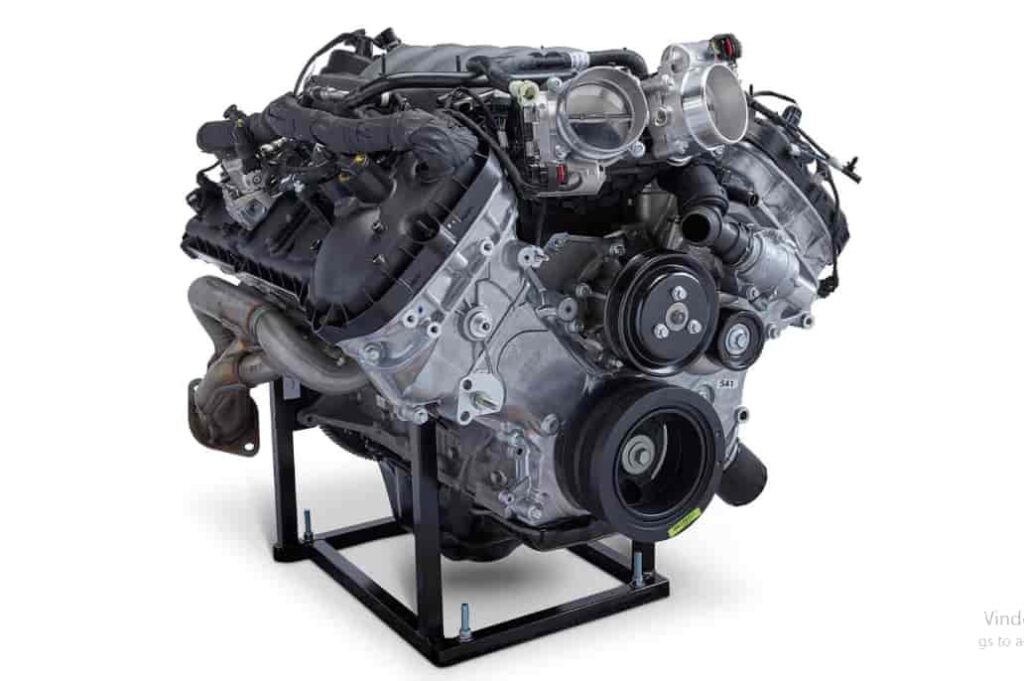
The 5.4 Triton engine is a V8 powertrain developed by the Ford Motor Company as part of its Modular engine family. It debuted in the late 1990s to deliver a balance of power, durability, and efficiency. The engine quickly became a core component in Ford’s trucks and SUVs when demand for reliable V8s was high.
With a 5.4 liter displacement, the engine provides strong low end torque and solid towing capability. It suits vehicles like the Ford F-150, Ford Expedition, and Lincoln Navigator. These models needed engines that could handle heavy loads while offering comfortable driving on the road.
Ford produced multiple versions of the 5.4 Triton, including 2 valve, 3 valve, and 4 valve variants. Each version improved airflow, efficiency, and overall performance. This variety can confuse buyers, since 5.4 Triton Engine Specs differ by version and year.
Most variants use a single overhead camshaft combined with electronic fuel injection. Later models added variable cam timing to boost power and fuel efficiency. These upgrades enhanced the driving experience without sacrificing reliability.
Understanding the 5.4 Triton engine helps make sense of its specifications. Knowing how Ford designed it and which vehicles it powers makes horsepower and torque numbers more meaningful in real world use.
5.4 Triton Engine Specs Overview
The 5.4 Triton engine comes in several versions, each offering slightly different performance and features. Understanding the differences helps you compare models and choose the right one for your needs. Below is a clear overview of the key specifications.
Engine Type: V8 Modular
Displacement: 5.4 liters
Valves per Cylinder: 2V, 3V, or 4V depending on year and model
Horsepower: Ranges from 260 hp to 310 hp
Torque: Between 350 lb-ft and 365 lb-ft
Fuel System: Electronic fuel injection
Compression Ratio: 9.0:1 to 9.8:1 depending on variant
Production Years: 1997 to 2010
Applications: Ford F-150, Ford Expedition, Lincoln Navigator
The 2 valve version was the earliest, designed mainly for reliability and towing. The 3 valve introduced variable cam timing for better airflow and slightly higher power. The 4 valve variant was the performance version, focusing on maximum horsepower and efficiency.
These specifications provide a foundation for understanding real world performance. Horsepower and torque figures indicate how the engine will handle acceleration, towing, and highway driving. Fuel system and compression ratio affect efficiency and maintenance, which are important for long term ownership.
Knowing the 5.4 Triton Engine Specs in this format makes it easier to compare against other V8 options or plan upgrades. Later sections will explore horsepower and torque in more detail, explain performance in real driving conditions, and highlight common problems that may affect these numbers.
Horsepower and Torque Breakdown
The 5.4 Triton engine delivers different performance depending on the version. The earliest 2 valve models produced around 260 horsepower and 350 lb-ft of torque. These engines were reliable for everyday driving and towing but lacked the responsiveness of later versions. The 3 valve variant improved airflow and added variable cam timing, increasing horsepower to roughly 300 and torque to 365 lb-ft. This made acceleration smoother and towing more efficient, especially for trucks carrying heavy loads.
The 4 valve version, introduced later, focused on performance. It offered the highest horsepower in the lineup, reaching up to 310 hp while maintaining strong torque. This engine provided more responsive throttle, better highway passing power, and a noticeable improvement in overall drivability compared to the earlier versions.
Real world performance depends not only on the version but also on maintenance, fuel quality, and load. Owners often notice that well maintained engines retain their torque even after years of use. Vehicles equipped with the 5.4 Triton engine can handle towing and hauling tasks with confidence, thanks to the engine’s V8 low end power.
Understanding horsepower and torque helps buyers choose the right version for their needs. For daily driving, the 2 valve version is sufficient. For towing and performance, the 3 valve and 4 valve variants offer more capability. These numbers also inform potential modifications or upgrades, helping owners maximize the engine’s potential while avoiding unnecessary strain.
5.4 Triton Engine Years and Evolution (1997–2010)
The 5.4 Triton engine evolved significantly from 1997 to 2010. The first models, mainly 2 valve variants, focused on reliability and ease of maintenance. They provided solid torque for towing but offered modest horsepower compared to later versions. Ford designed these early engines with simple overhead camshafts and standard electronic fuel injection to ensure consistent performance over long service life.
In the early 2000s, Ford introduced the 3 valve version. This engine added variable cam timing, which improved airflow and increased horsepower and torque. The update allowed trucks and SUVs to accelerate more smoothly while maintaining strong towing performance. Owners appreciated the balance between enhanced power and long term reliability.
The 4 valve Triton, released in the later years, aimed at performance. It offered higher horsepower and better efficiency while keeping torque high for heavy duty tasks. Engineers focused on optimizing airflow, combustion, and fuel delivery. This version delivered a noticeable improvement in responsiveness and real world drivability, particularly for highway passing and towing under load.
Throughout its production years, the engine received smaller refinements in fuel management, ignition systems, and emissions control. These changes helped keep the 5.4 Triton competitive with newer engines while extending its lifespan. Understanding these yearly improvements is important for buyers who want the best combination of performance and reliability, as each version provides slightly different driving characteristics.
Performance Explained: Real-World Driving Experience
The 5.4 Triton engine provides strong performance in real-world driving situations. On city streets, its V8 torque allows smooth acceleration from stoplights and easy merging onto highways. Even the early 2 valve versions can handle daily driving needs without feeling underpowered. The 3 valve and 4 valve models offer quicker throttle response and more effortless power delivery, making them ideal for drivers who frequently tow trailers or carry heavy loads.
When towing, the engine shows its strengths. Even fully loaded trucks can maintain speed on inclines thanks to consistent torque output. Acceleration may be slower with heavy cargo, but the engine delivers enough low end power to manage long hauls comfortably. Highway cruising is stable, with minimal strain on the engine, and the 4 valve version provides a more responsive experience during overtaking and lane changes.
The driving experience also depends on proper maintenance. Engines with regular oil changes, high quality spark plugs, and correctly adjusted fuel systems retain performance longer. Fuel quality and load management can affect throttle response and efficiency, but overall, the 5.4 Triton remains a dependable choice for both casual and heavy duty use.
By understanding how horsepower and torque translate into real-world conditions, drivers can select the version that matches their needs. Daily commuters may find the 2 valve version sufficient, while towing enthusiasts benefit from the 3 valve or 4 valve engines that provide added power and smoother performance.
Common Problems That Affect Performance
While the 5.4 Triton engine is generally reliable, some issues can impact performance over time. One common problem is spark plug failure, particularly in the 3 valve and 4 valve versions. Ford designed these engines with spark plugs located deep in the cylinder head, which can make replacement more difficult and increase maintenance costs. If neglected, misfiring may occur, reducing horsepower and fuel efficiency.
Timing chain and timing sprocket wear is another concern, especially in higher mileage engines. When these components degrade, the engine can experience rough idling, poor acceleration, and in severe cases, engine damage. Regular inspection and timely replacement prevent performance loss and extend engine life.
Oil consumption is also reported in some versions of the 5.4 Triton. Older engines may burn oil faster, leading to decreased lubrication and potential overheating. Monitoring oil levels and performing routine changes are essential to maintaining smooth operation.
Other minor issues include intake manifold leaks and sensor failures, which can slightly reduce torque and throttle response. While these problems are not universal, being aware of them helps owners maintain optimal performance. Addressing these common concerns ensures that the 5.4 Triton Engine Specs translate into reliable and consistent real-world driving power.
Fuel Economy and Efficiency
The 5.4 Triton engine offers respectable fuel economy for a V8, but it is not comparable to modern smaller engines. Most 2 valve versions average around 14 to 16 miles per gallon in the city and 18 to 20 mpg on the highway. The 3 valve variant slightly improves efficiency thanks to variable cam timing, reaching 15 to 17 mpg in city driving and 19 to 21 mpg on highways. The 4 valve performance version prioritizes power over efficiency, usually achieving 14 to 16 mpg in the city and 18 to 20 mpg on highways.
Fuel consumption depends heavily on driving style, load, and maintenance. Frequent towing or aggressive acceleration increases consumption, while gentle driving and regular maintenance can optimize efficiency. High quality fuel and timely oil changes also help preserve performance and reduce wear on internal components.
Despite its lower fuel economy compared to modern engines, the 5.4 Triton provides a strong balance of power, torque, and reliability. Understanding its fuel needs is essential for budgeting and planning long term ownership. For those who require towing capability or heavy duty use, the tradeoff in fuel consumption is often justified by the engine’s durability and real world performance.
By knowing the expected fuel efficiency for each version, owners can make informed decisions about which 5.4 Triton engine best fits their driving needs and lifestyle, balancing performance with operating costs.
Is the 5.4 Triton Engine Still Worth It Today?
The 5.4 Triton engine remains a viable choice for many truck and SUV owners, especially those who value durability and strong torque. Its V8 design delivers reliable towing power and comfortable highway performance, even in older models. The 3 valve and 4 valve variants offer improved horsepower and responsiveness, making them suitable for drivers who need extra performance for heavy loads or highway driving.
However, there are tradeoffs to consider. Fuel consumption is higher than modern V6 or EcoBoost alternatives, and maintenance costs can increase as the engine ages. Common issues like spark plug difficulties, timing chain wear, and occasional oil consumption require attention to keep the engine performing optimally. Buyers of used vehicles should carefully check service history and condition before purchase.
For everyday driving, the 2 valve engine often provides sufficient power with lower maintenance complexity. For towing and high performance needs, the 3 valve or 4 valve versions deliver better capabilities but may require more diligent upkeep. Choosing the right version depends on your priorities, whether it is reliability, fuel economy, or maximum power.
Ultimately, the 5.4 Triton engine continues to offer a solid balance of strength, versatility, and proven reliability. Understanding the 5.4 Triton Engine Specs and the differences between versions ensures that drivers select the model that best meets their needs today while minimizing surprises in performance or maintenance costs.
Conclusion
The 5.4 Triton Engine Specs provide a clear picture of what makes this V8 engine a long-lasting choice for Ford trucks and SUVs. Across its production years from 1997 to 2010, the engine evolved from a reliable 2 valve design to advanced 3 valve and 4 valve versions, improving horsepower, torque, and overall performance. Each version has its strengths, whether it is daily driving reliability, towing capability, or enhanced responsiveness for performance enthusiasts.
Understanding the differences in horsepower, torque, and configuration helps drivers make informed decisions when buying or maintaining a vehicle with the 5.4 Triton engine. While common issues such as spark plug challenges, timing chain wear, and oil consumption require attention, proper maintenance ensures that the engine continues to perform reliably. Fuel economy varies by version, but for most owners, the tradeoff is worthwhile considering the engine’s low end power and towing ability.
Whether you are a casual driver, a towing enthusiast, or someone looking for a durable V8 engine, the 5.4 Triton offers options that suit different needs. Knowing its specifications and evolution provides confidence in choosing the right model. For anyone interested in trucks or SUVs, understanding the 5.4 Triton Engine Specs is essential for maximizing performance, reliability, and value over the long term.