Buying a used truck with a 5.3L V8 might seem like a safe and reliable choice, but not all engines are created equal. In fact, some 5.3 AFM engines have developed a reputation for serious mechanical failures that can appear long before reaching 100,000 miles. For many truck owners, what starts as a fuel saving feature quickly turns into an expensive repair nightmare.
General Motors introduced Active Fuel Management to improve fuel efficiency by deactivating half of the engine’s cylinders under light load conditions. On paper, this sounds like a smart innovation. In reality, it has caused widespread issues, especially in certain production years. Problems such as excessive oil consumption, lifter failure, and camshaft damage have left many owners facing repair bills ranging from a few thousand dollars to complete engine replacements.
If you are planning to buy a used Chevy Silverado, Tahoe, or GMC Sierra, understanding which 5.3 AFM years to avoid is critical. Choosing the wrong model year could cost you far more than you expect, both financially and in long term reliability.
This guide will walk you through the full list of problematic 5.3 AFM engine years, explain why these issues occur, and help you make a smarter buying decision before it is too late.
Contents
What Is AFM and Why It Causes Problems
Active Fuel Management, also known as AFM, is a fuel saving technology developed by General Motors. It allows a V8 engine to run on only four cylinders during light driving conditions. This usually happens when you cruise on highways or maintain steady speeds.
The goal of AFM is simple. It reduces fuel consumption and improves efficiency. However, this system introduces several mechanical risks that many drivers do not expect.
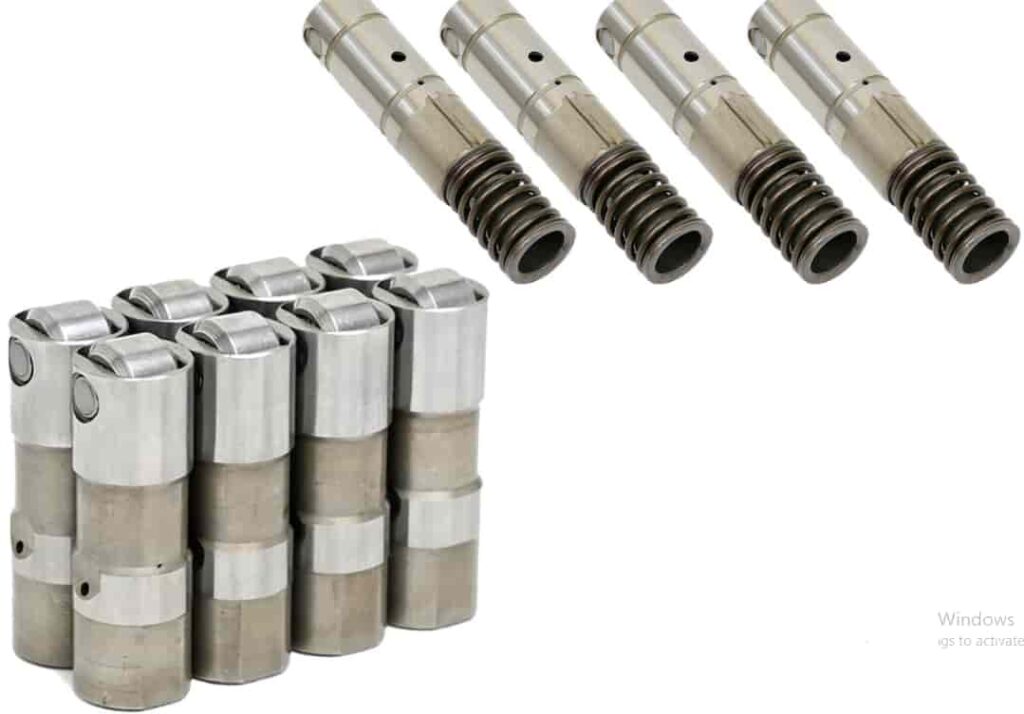
AFM depends on a complex set of components. These include special lifters, oil control valves, and a precise oil pressure system. All these parts must work together perfectly. When one component fails, it often triggers more serious engine damage.
Lifter failure is the most common issue. AFM lifters constantly switch between active and inactive states. Over time, this repeated movement causes wear. Some lifters may collapse or get stuck. When that happens, the camshaft can suffer damage very quickly.
Oil consumption is another major problem. Many 5.3 AFM engines burn more oil than normal. This issue often goes unnoticed until it becomes serious. Low oil levels increase friction and accelerate engine wear.
The core problem comes from the design itself. AFM tries to balance fuel efficiency with engine durability. In many cases, it fails to do both. This is why certain 5.3 AFM years to avoid show higher failure rates and costly repairs.
Full List of 5.3 AFM Years to Avoid
Not all 5.3 AFM engines fail at the same rate. Some model years show far more problems than others. If you plan to buy a used truck, this section is the most important part of this guide. It highlights the exact 5.3 AFM years to avoid and explains why they cause so many issues.
2007 to 2011 Models
These are the first generation of 5.3 engines equipped with AFM. Unfortunately, they also have the highest number of reported failures.
GM introduced AFM without fully refining the system. As a result, many engines developed serious problems early in their lifespan. Lifter failure is extremely common in these years. Once a lifter fails, it can damage the camshaft and lead to expensive repairs.
Oil consumption is another major concern. Many owners report that their engines burn oil at a high rate. In some cases, drivers need to add oil frequently between changes. This increases the risk of running the engine with low lubrication.
These issues appear in popular models such as the Silverado, Tahoe, and Suburban. Because of the high failure rate, these years are often considered the worst 5.3 AFM years to avoid.
2012 to 2014 Models
GM made some improvements to the AFM system during these years. However, the core problems did not disappear.
Lifter issues still occur, although slightly less often than earlier models. Camshaft wear remains a concern, especially in vehicles with poor maintenance history. Oil consumption also continues to affect many engines.
These engines may last longer than the earlier generation, but they still carry significant risk. Buyers often assume these models are safe, but real world data shows otherwise.
If you are looking for long term reliability, these years still fall into the category of 5.3 AFM years to avoid.
2015 to 2018 Models
This generation introduced the EcoTec3 engine, which includes direct injection along with AFM. While this upgrade improves performance and fuel efficiency, it also introduces new problems.
Carbon buildup becomes a major issue due to direct injection. Over time, carbon deposits form on intake valves, which reduces engine efficiency and performance.
AFM related failures still occur in these engines. Lifter collapse and valvetrain issues continue to appear, especially in higher mileage vehicles.
Repair costs can be even higher in this generation because of the added complexity. Fixing both AFM and direct injection issues can quickly become expensive.
Although these models feel more modern, they are still among the 5.3 AFM years to avoid if you want to minimize risk.
Quick Summary Table
- 2007 to 2011: Very high failure rate, most problematic
- 2012 to 2014: Slight improvement, but still risky
- 2015 to 2018: New technology, new problems
Choosing the right engine year can save you thousands of dollars. Many buyers focus on price or appearance, but engine reliability should always come first. Understanding these 5.3 AFM years to avoid helps you make a smarter and safer decision.
Common Problems in 5.3 AFM Engines
The 5.3 AFM engine offers better fuel efficiency, but it also brings several long term reliability concerns. These issues appear frequently across the most problematic 5.3 AFM years to avoid, and they often lead to expensive repairs if ignored.
The most serious problem is lifter failure. AFM lifters constantly switch between active and inactive states, which causes faster wear compared to standard lifters. When a lifter fails, it can no longer control the valve properly. This leads to engine misfires, rough performance, and noticeable power loss. If the issue continues, it can damage the camshaft and increase repair costs significantly.
Another common issue is excessive oil consumption. Many drivers report that their engines burn oil faster than expected. This problem often develops quietly, making it difficult to detect early. Low oil levels reduce proper lubrication, which increases internal friction and accelerates engine wear over time.
Camshaft damage is closely linked to lifter failure. A faulty lifter creates uneven pressure, which causes premature wear on the camshaft surface. Repairing this type of damage requires extensive labor and can be very costly. In newer models, carbon buildup also becomes a concern due to direct injection. Deposits form on intake valves, reducing airflow and engine efficiency.
These combined issues explain why repair costs can easily reach several thousand dollars. For many buyers, understanding these risks is essential when identifying the 5.3 AFM years to avoid and making a safe purchase decision.
Symptoms of a Failing 5.3 AFM Engine
Recognizing early warning signs can help you avoid serious engine damage. Many issues in the 5.3 AFM years to avoid do not appear suddenly. They often start with small symptoms that gradually become worse over time.
One of the most noticeable signs is a ticking or tapping noise from the engine. This sound usually comes from failing lifters that no longer function properly. At first, the noise may seem minor, but it often becomes louder and more frequent as the problem develops.
Engine misfires are another common symptom. You may feel hesitation during acceleration or notice that the engine runs unevenly. This happens when the valves do not open and close correctly due to lifter issues. As a result, engine performance drops and fuel efficiency decreases.
Loss of power is also a key warning sign. The vehicle may struggle to accelerate or feel weaker than usual. In some cases, the engine may enter a reduced power mode to prevent further damage.
High oil consumption is another issue that should not be ignored. If you find yourself adding oil more often than expected, it could indicate internal engine wear. This is especially common in the most problematic 5.3 AFM years to avoid.
The check engine light may also turn on. While this warning can have many causes, it often signals deeper mechanical problems in AFM engines.
Identifying these symptoms early gives you a better chance to prevent costly repairs and protect your engine.
Why These Years Are So Problematic
Not all engine issues happen by chance. The most problematic 5.3 AFM years to avoid share common design limitations that affect long term reliability. These problems come from how the AFM system operates under real driving conditions.
AFM relies on precise oil pressure to activate and deactivate cylinders. This creates constant stress on internal components, especially the lifters. Over time, the system becomes less stable, which increases the risk of mechanical failure. Unlike traditional engines, AFM adds complexity that reduces durability in the long run.
Another key issue is uneven engine wear. When the engine switches between V8 and V4 modes, some components work harder than others. This imbalance leads to inconsistent wear patterns inside the engine. As a result, certain parts fail earlier than expected.
Oil management also plays a major role. Many 5.3 AFM engines struggle to maintain consistent oil distribution. This contributes to excessive oil consumption and reduces proper lubrication. Without enough oil, internal components wear faster and become more vulnerable to damage.
In newer models, the addition of direct injection creates further complications. Carbon buildup becomes more likely, which affects airflow and engine performance. This adds another layer of maintenance challenges for owners.
These combined factors explain why certain model years have higher failure rates. The design focuses on efficiency, but it sacrifices long term reliability. This is the main reason why experienced buyers pay close attention to the 5.3 AFM years to avoid before making a purchase decision.
Should You Avoid All AFM Engines
Not every AFM engine is guaranteed to fail. However, they do carry a higher risk compared to traditional non AFM engines. This is especially true when you look at the most problematic 5.3 AFM years to avoid.
Some owners report that their engines run well for many years without major issues. In most cases, these vehicles receive consistent maintenance and careful driving. Regular oil changes, high quality engine oil, and early detection of problems can help extend engine life.
However, even with proper care, the design of AFM still introduces uncertainty. The system depends on multiple components working in perfect condition. If one part begins to fail, it can quickly affect the entire valvetrain. This makes long term reliability less predictable.
Another factor to consider is repair cost. AFM related issues are often expensive to fix. Many repairs require opening the engine, which increases labor costs. For some owners, disabling the AFM system becomes an alternative solution, but this also comes with its own trade offs.
If you are buying a used vehicle, the risk becomes even higher. You may not know how well the previous owner maintained the engine. Hidden problems can appear shortly after purchase, leading to unexpected expenses.
For this reason, many experienced buyers prefer non AFM engines when possible. While AFM offers better fuel efficiency, it may not be worth the long term risk. Understanding the 5.3 AFM years to avoid allows you to make a more informed and confident decision.
How to Fix or Prevent AFM Problems
While the 5.3 AFM system has known weaknesses, there are still ways to reduce the risk of failure. Taking the right preventive steps can help extend engine life and minimize costly repairs, especially if you already own one of the 5.3 AFM years to avoid.
One of the most effective solutions is disabling the AFM system. Many owners choose to install an AFM delete kit or use a tuning device to keep all cylinders active at all times. This reduces stress on the lifters and prevents the constant switching that leads to wear. Although this approach may slightly reduce fuel efficiency, it often improves long term reliability.
Regular oil maintenance is also critical. Using high quality engine oil and changing it at shorter intervals helps maintain proper lubrication. Clean oil supports stable pressure levels, which are essential for the AFM system to function correctly. Skipping oil changes or using low quality oil can accelerate internal damage.
Monitoring engine performance is another important step. Pay attention to unusual sounds, reduced power, or increased oil consumption. Early detection allows you to fix small issues before they become major problems.
Some owners also upgrade internal components when repairing the engine. Replacing AFM lifters with more durable parts or converting to a non AFM setup can improve reliability over time.
While no solution can completely eliminate the risks, these strategies can significantly reduce the chances of failure. Understanding how to manage these issues is just as important as knowing the 5.3 AFM years to avoid.
Best Alternatives to 5.3 AFM Engines
If you want to avoid the risks linked to the 5.3 AFM years to avoid, choosing a more reliable engine is a smart move. Several alternatives offer better durability while still delivering strong performance.
One of the safest options is the non AFM version of the 5.3L engine. These engines do not use cylinder deactivation, so they avoid many of the lifter related issues. While fuel efficiency may be slightly lower, reliability is often much better in the long run.
The 6.0L Vortec engine is another popular choice. It is known for its durability and simple design. Many truck owners prefer this engine because it handles heavy use with fewer mechanical problems. Maintenance is also more straightforward compared to AFM equipped engines.
Ford’s 5.0L Coyote engine is a strong competitor in this segment. It offers a good balance between power and reliability. Unlike AFM systems, it does not rely on cylinder deactivation in the same way, which reduces the risk of valvetrain issues.
Toyota V8 engines are also well known for long term reliability. They may not always deliver the same level of power as domestic trucks, but they consistently perform well over high mileage with fewer major failures.
Choosing the right engine depends on your priorities. If long term durability matters more than fuel savings, these alternatives are often better options. For many buyers, avoiding the 5.3 AFM years to avoid and selecting a proven engine can prevent years of costly repairs and frustration.
Conclusion
Choosing the right engine can make a huge difference in your ownership experience. While the 5.3L V8 is widely known for its performance and availability, the introduction of Active Fuel Management has created serious reliability concerns in specific model years. As you have seen throughout this guide, certain models come with higher risks of lifter failure, oil consumption, and expensive internal damage.
Understanding the 5.3 AFM years to avoid is essential if you want to protect your investment. The most problematic years, especially from 2007 to 2014, show consistent patterns of mechanical issues that can lead to costly repairs. Even newer models with improved technology still carry risks due to added complexity.
If you already own an AFM equipped engine, proper maintenance and early problem detection can help reduce potential damage. However, if you are planning to buy a used truck, taking the time to research engine history and condition is critical. In many cases, choosing a non AFM engine or a more reliable alternative can save you thousands of dollars in the long run.
In the end, a lower purchase price does not always mean better value. A reliable engine will always outperform one that comes with hidden risks. Make a smart decision, stay informed, and always prioritize long term durability over short term savings.