Choosing the wrong transmission can quietly drain your wallet, reduce your vehicle’s performance, and leave you dealing with costly repairs sooner than expected. For many truck owners, performance builders, and daily drivers, the debate between 4L60E vs 4L80E is not just a technical comparison. It is a decision that directly impacts durability, power handling, and long term value.
Both the 4L60E and 4L80E are popular automatic transmissions developed by General Motors, widely used across trucks, SUVs, and performance vehicles. At first glance, they may seem similar because both are four speed automatic transmissions designed for rear wheel drive platforms. However, once you look deeper into their specifications, internal components, and real world performance, the differences become significant.
Many users struggle with the same core questions. Is the 4L60E strong enough for my build? Will upgrading to a 4L80E actually solve reliability issues? And most importantly, which transmission is truly better for my specific needs?
This guide will walk you through a complete comparison of 4L60E vs 4L80E, covering differences, specs, performance, durability, and cost. By the end, you will have a clear answer based on how you actually use your vehicle, not just theory.
Contents
WHAT IS THE 4L60E TRANSMISSION
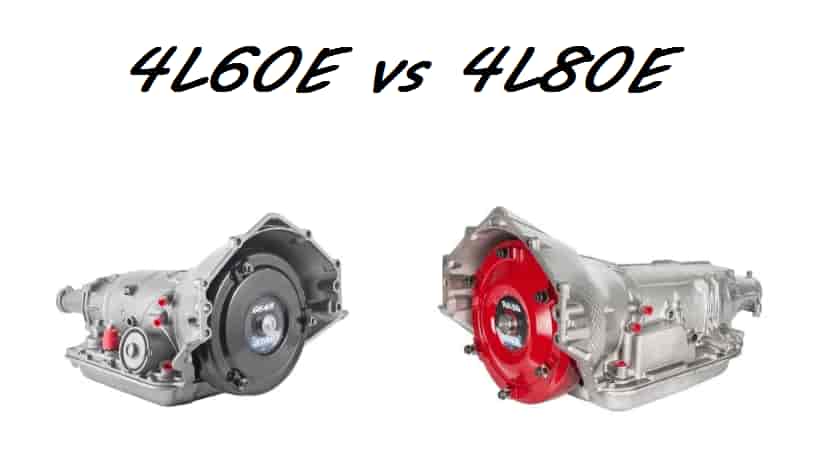
The 4L60E is one of the most popular automatic transmissions from General Motors. It is designed for light duty trucks, SUVs, and performance cars. This transmission evolved from the older 700R4 and introduced electronic control for more precise shifting.
In terms of specifications, the 4L60E features a four speed automatic setup with overdrive. It can handle around 360 lb ft of torque in stock form. Its lightweight design helps improve fuel efficiency and overall driving comfort. You can find this transmission in vehicles like the Chevrolet Silverado, Tahoe, Suburban, and Camaro.
One key advantage of the 4L60E is its affordability. Many drivers choose it because it costs less and is easy to replace. It also delivers smooth shifting during daily driving. For commuting and normal use, it performs reliably when properly maintained.
However, problems appear when power levels increase. The 4L60E does not handle high horsepower well. Under heavy load, internal parts wear out faster. Drivers often report clutch failure, slipping, and overheating issues. These problems become more common in modified or high performance builds.
Because of these limitations, many users start questioning their setup. They wonder if the 4L60E can handle long term stress or if an upgrade makes more sense. This is where the comparison between 4L60E vs 4L80E becomes critical.
WHAT IS THE 4L80E TRANSMISSION
The 4L80E is a heavy duty automatic transmission developed by General Motors for demanding applications. It is based on the strong TH400 platform, which already had a reputation for durability. GM added electronic controls to improve shift timing and overall performance.
This transmission uses a four speed automatic design with overdrive. It can handle more than 440 lb ft of torque in stock form. Many builders push it far beyond that limit with upgrades. Its internal components are larger and stronger than those in the 4L60E. This makes it a solid choice for high power engines and heavy vehicles.
You will often find the 4L80E in trucks, vans, and commercial vehicles. It is also common in towing setups and performance builds. Drivers who need strength and reliability often choose this transmission over lighter options.
One major advantage of the 4L80E is its durability. It handles high torque without failing under stress. It also performs well in towing and off road conditions. Many users trust it for long term reliability, even under heavy load.
However, this strength comes with trade offs. The 4L80E is heavier and larger than the 4L60E. It can reduce fuel efficiency and may require modifications during installation. The cost is also higher, both for the unit and for labor.
For drivers who push their vehicles hard, these drawbacks often feel acceptable. The added strength and reliability can prevent costly failures. This is why the 4L80E often becomes the preferred option in the 4L60E vs 4L80E debate when power and durability matter most.
4L60E vs 4L80E: KEY DIFFERENCES
When comparing 4L60E vs 4L80E, the differences go far beyond simple specs. These two transmissions serve different purposes, and choosing the wrong one can lead to poor performance or costly failures. Understanding their core differences will help you make the right decision based on how you actually use your vehicle.
Key Comparison Overview
| Feature | 4L60E | 4L80E |
|---|---|---|
| Torque Capacity | ~360 lb ft | 440+ lb ft |
| Weight | ~150 lbs | ~230 lbs |
| Gear Ratios (1st) | 3.06 | 2.48 |
| Size | Compact | Larger |
| Strength | Moderate | Heavy duty |
| Cost | Lower | Higher |
The most important difference lies in strength. The 4L60E focuses on efficiency and everyday usability. It works well for stock engines and moderate driving conditions. In contrast, the 4L80E is built for high stress situations. It handles more torque and performs better under load.
Weight and size also play a key role. The 4L60E is lighter and more compact, which makes installation easier. It also helps maintain better fuel efficiency. On the other hand, the 4L80E is heavier and requires more space. Some vehicles may need modifications to fit it properly.
Gear ratios create another noticeable difference in driving feel. The 4L60E offers a more aggressive first gear, which improves acceleration. This makes it suitable for daily driving and lighter performance setups. The 4L80E uses a slightly lower first gear ratio, but it delivers more consistent power under heavy load.
Cost is another factor that many drivers cannot ignore. The 4L60E costs less upfront and is easier to replace. However, it may lead to higher repair costs if pushed beyond its limits. The 4L80E requires a higher initial investment, but it often saves money in the long run due to its durability.
In simple terms, the 4L60E prioritizes comfort and efficiency, while the 4L80E focuses on strength and reliability. This fundamental difference defines the entire 4L60E vs 4L80E comparison.
PERFORMANCE COMPARISON
Performance is where the gap between 4L60E vs 4L80E becomes very clear. While both transmissions can handle daily driving, they behave very differently under pressure, especially when power and load increase.
The 4L60E delivers quick acceleration thanks to its shorter first gear ratio. This gives the vehicle a more responsive feel during normal driving. It shifts smoothly and provides a comfortable experience on the road. For stock engines or mild upgrades, this transmission performs well and meets most expectations.
However, performance starts to drop when power levels rise. The 4L60E struggles to handle high torque. Under aggressive driving, it may slip between gears or overheat. Many drivers experience performance loss after adding engine modifications. In some cases, the transmission fails completely when pushed too far.
The 4L80E takes a different approach. It focuses on stability and strength rather than quick acceleration. Although it may feel less responsive at low speeds, it maintains consistent performance under heavy load. It handles high horsepower and torque without losing efficiency. This makes it a strong choice for racing, towing, and high performance builds.
Another key difference appears in shift behavior. The 4L60E prioritizes smooth and soft shifts, which improves comfort. The 4L80E delivers firmer and more controlled shifts, especially under stress. This helps protect internal components and maintain power delivery.
For drivers who want a comfortable daily ride, the 4L60E feels more refined. But for those who demand power and reliability, the 4L80E offers a clear advantage. This is why performance focused users often prefer the 4L80E in the 4L60E vs 4L80E comparison.
DURABILITY AND RELIABILITY
Durability often becomes the deciding factor in the 4L60E vs 4L80E comparison. Many drivers do not worry about strength at first. Problems usually appear later, especially after increasing power or using the vehicle under heavy load.
The 4L60E performs well in normal conditions. It can last a long time when used with stock engines and proper maintenance. However, its internal components wear out faster under stress. Common issues include clutch failure, overheating, and gear slipping. These problems often appear when torque levels exceed the safe limit.
Heat is one of the biggest enemies of the 4L60E. During towing or aggressive driving, temperatures rise quickly. This reduces lifespan and increases the risk of failure. Many owners end up rebuilding or replacing the transmission sooner than expected. This creates extra cost and downtime.
The 4L80E offers a much stronger design. It uses heavier internal parts that handle stress more effectively. This transmission rarely fails under high torque when properly maintained. It also manages heat better, which helps extend its lifespan.
In real world use, the 4L80E proves more reliable for demanding situations. It performs well in towing, off road driving, and high horsepower builds. Many drivers trust it because it can handle abuse without breaking down.
From a long term perspective, durability often outweighs initial cost. The 4L60E may seem cheaper at first, but frequent repairs can add up. The 4L80E requires a higher investment, but it reduces the risk of failure. This makes it a more dependable choice in the long run.
COST COMPARISON
Cost plays a major role in the 4L60E vs 4L80E decision. Many drivers focus on the upfront price, but long term expenses often tell a different story.
The 4L60E stands out as the more affordable option. You can find it at a lower purchase price, and replacement costs remain reasonable. Installation is also simpler, which helps reduce labor expenses. For budget focused users, this makes the 4L60E an attractive choice.
However, the lower price comes with hidden risks. When pushed beyond its limits, the 4L60E may require frequent repairs or even a full rebuild. These costs can add up quickly, especially for modified vehicles. What seems cheap at first can become expensive over time.
The 4L80E requires a higher initial investment. The transmission itself costs more, and installation may involve additional modifications. You might need to adjust the driveshaft, crossmember, or wiring. Labor costs can increase depending on the complexity of the swap.
Despite this, the 4L80E often delivers better long term value. Its durability reduces the need for frequent repairs. Many drivers save money over time because the transmission lasts longer and handles stress more effectively.
In simple terms, the 4L60E works well for those who want a lower upfront cost and plan to keep power levels moderate. The 4L80E suits drivers who prefer to invest more now and avoid expensive problems later. This cost difference is a key factor in the 4L60E vs 4L80E comparison.
SHOULD YOU UPGRADE FROM 4L60E TO 4L80E
Many drivers reach a point where the stock setup no longer meets their needs. This is where the upgrade question becomes critical in the 4L60E vs 4L80E decision. The answer depends on how you use your vehicle and how much power you plan to handle.
Upgrading to a 4L80E makes sense when your engine produces high torque or horsepower. If you run performance upgrades such as cam, turbo, or supercharger setups, the 4L60E may not survive long term. Frequent slipping, overheating, or rebuilds are clear signs that the transmission is under too much stress.
Towing is another important factor. If you regularly haul heavy loads, the 4L60E may struggle to maintain reliability. Heat buildup and internal wear increase over time. In contrast, the 4L80E handles towing with much greater stability. It maintains performance even under constant load.
However, not every driver needs this upgrade. If your vehicle remains close to stock and you mainly use it for daily driving, the 4L60E still performs well. It offers smooth shifting, better fuel efficiency, and lower cost. In this case, upgrading may not provide enough value to justify the expense.
You should also consider the complexity of the swap. Installing a 4L80E often requires modifications to fit properly. This includes drivetrain adjustments and possible tuning changes. These factors increase both time and cost.
In simple terms, upgrade only when your usage demands it. If you push your vehicle hard or plan to increase power, the 4L80E becomes a smart investment. If not, the 4L60E remains a practical and cost effective option in the 4L60E vs 4L80E comparison.
WHICH TRANSMISSION IS BETTER FOR YOUR NEEDS
Choosing between 4L60E vs 4L80E depends on how you actually use your vehicle. There is no single answer that fits everyone. The right choice comes from matching the transmission to your driving style, power level, and long term goals.
If you use your vehicle for daily driving, the 4L60E is often the better option. It offers smoother shifts and better fuel efficiency. It also costs less and requires fewer modifications. For stock engines or mild upgrades, it delivers a balanced and comfortable driving experience.
For performance builds, the situation changes quickly. Higher horsepower puts more stress on internal components. The 4L60E may struggle to keep up and fail over time. The 4L80E handles this pressure much better. It provides stronger performance and maintains stability under load. This makes it the preferred choice for racing and high power setups.
Towing is another key factor. If you regularly pull heavy loads, durability becomes more important than comfort. The 4L80E performs better in these conditions. It resists overheating and handles constant stress without breaking down. The 4L60E can work for light towing, but it is not ideal for heavy duty use.
Budget also influences the decision. The 4L60E works well for those who want a lower upfront cost. The 4L80E requires a larger investment but reduces the risk of future repairs. Many drivers choose based on whether they prefer to save now or avoid problems later.
In short, the 4L60E fits daily drivers and moderate builds, while the 4L80E suits high performance and heavy duty use. Understanding your needs is the key to making the right decision in the 4L60E vs 4L80E comparison.
CONCLUSION
The comparison between 4L60E vs 4L80E clearly shows that these two transmissions serve different purposes. Each one has its own strengths, and the better choice depends on how you plan to use your vehicle.
The 4L60E stands out for its affordability, lighter weight, and smooth driving experience. It works well for daily driving, stock engines, and moderate upgrades. If you value comfort and lower upfront cost, this transmission remains a practical option.
On the other hand, the 4L80E focuses on strength, durability, and long term reliability. It handles higher torque without failure and performs consistently under heavy load. For towing, racing, or high performance builds, it offers a level of confidence that the 4L60E cannot match.
Many drivers make the mistake of choosing based only on price. This often leads to repeated repairs and unexpected costs. In reality, the better decision comes from understanding your needs. If your setup pushes the limits, investing in the 4L80E can save both time and money in the long run.
In the end, there is no universal winner in the 4L60E vs 4L80E debate. The right transmission is the one that aligns with your driving style, power goals, and budget.
What about your setup? Are you running a 4L60E or considering an upgrade to 4L80E? Share your experience or questions in the comments and let’s discuss.