Choosing the wrong engine can cost you thousands of dollars and months of frustration. This is especially true when comparing two of the most iconic Ford small block engines ever built. The 351 Windsor and the 302 have both powered countless project cars, classic Mustangs, hot rods, and street builds for decades. Yet many enthusiasts still struggle with one key question: which one is actually better for performance and builds?
At first glance, the 302 seems like the safe and affordable choice. It is lightweight, widely available, and easy to work on. On the other hand, the 351 Windsor offers more displacement, more torque, and a higher ceiling for serious power builds. That difference often leads to a painful dilemma. Do you choose the cheaper engine that might limit your future upgrades, or invest more upfront for long term performance potential?
This comparison is not just about numbers on paper. It is about real world usability, cost, reliability, and how each engine fits your goals. Whether you are planning a street car, a weekend cruiser, or a drag build, understanding the true differences between these two engines can save you time, money, and regret.
In this guide, we will break down everything you need to know about the 351 Windsor vs 302, including performance, build potential, cost, and practical use cases. By the end, you will have a clear answer on which engine is the right choice for your project.
Contents
Key Differences Overview
Displacement and Core Design
When you compare the 351 Windsor vs 302, displacement is the first difference you notice. The 302 offers 302 cubic inches, while the 351 Windsor delivers 351 cubic inches. This gap may look small, but it creates a major impact on performance.
A larger displacement allows the 351 Windsor to burn more air and fuel in each cycle. As a result, it produces stronger torque, especially at lower RPM. This gives it an advantage in heavy cars and performance builds.
The 302 focuses on balance. It provides enough power for most street applications while keeping the engine simple and efficient.
Power Output and Performance Potential
Both engines can deliver similar horsepower in stock form. However, their behavior changes once you start modifying them.
The 351 Windsor handles higher power levels more easily. Its stronger block and larger internals support aggressive builds. This makes it a better choice for high performance projects.
The 302 responds faster and revs higher. Many drivers prefer this characteristic for street driving because it feels more responsive and lively.
Size, Weight, and Fitment
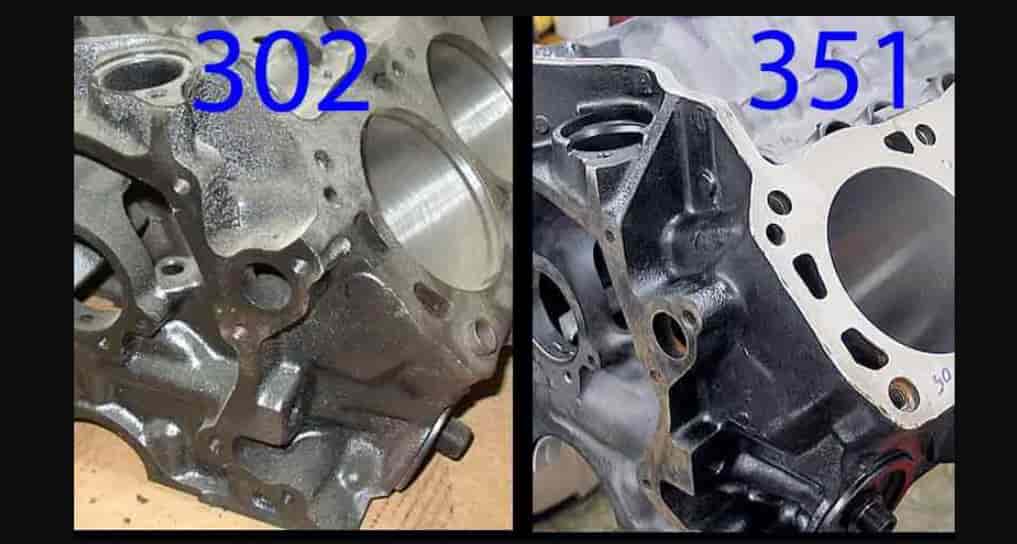
Physical size plays a critical role in engine selection. The 351 Windsor uses a taller deck height, which makes it larger overall. This can create fitment issues in tight engine bays.
Many builders need to modify mounts or adjust hood clearance when installing a 351 Windsor. These extra steps increase both time and cost.
The 302 avoids most of these problems. Its compact size makes installation easier. It also weighs less, which helps improve handling and balance.
Quick Summary of Differences
The 302 works best for simplicity, affordability, and easy swaps. It fits well in most builds and requires fewer modifications.
The 351 Windsor targets power and long term performance. It delivers more torque and supports bigger upgrades, but it demands more effort and budget.
Understanding these differences helps you avoid costly mistakes. It also makes your engine choice much clearer based on your goals.
Performance Comparison
When comparing the 351 Windsor vs 302, performance goes far beyond simple horsepower numbers. While both engines can produce similar horsepower in stock form, they deliver power in very different ways. The 302 focuses on higher RPM performance, which gives it a quicker throttle response and a more energetic driving feel. This makes it a strong choice for street cars and lightweight builds where responsiveness matters most.
In contrast, the 351 Windsor delivers power in a more consistent and forceful manner. Its larger displacement allows it to generate significantly more torque, especially at lower RPM. This creates a noticeable difference in real world driving. The engine pulls harder from a stop and maintains strength under load without needing to rev as high. For drivers who want strong acceleration and effortless power, this characteristic becomes a major advantage.
The gap becomes even clearer in performance builds. The 351 Windsor provides a stronger foundation for high horsepower setups thanks to its robust block design and larger internal components. Builders can push it further with fewer limitations. Meanwhile, the 302 still performs well when modified, but it reaches its limits sooner and often requires additional upgrades to handle extreme power levels.
Choosing between these two engines depends on your goals. The 302 suits drivers who value responsiveness and simplicity, while the 351 Windsor stands out for those who want maximum torque and long term performance potential.
Build Potential and Aftermarket Support
When evaluating the 351 Windsor vs 302, build potential plays a critical role in long term satisfaction. Many enthusiasts make the mistake of choosing an engine based only on initial cost, then regret it when they want more power later. Understanding how each engine supports upgrades helps you avoid that situation.
The 302 stands out for its massive aftermarket support. Parts are easy to find, widely available, and often more affordable. This makes it an excellent choice for beginners or budget builds. You can upgrade intake systems, camshafts, and heads without much difficulty. The engine also fits into most vehicles with minimal modification, which reduces build complexity and time.
However, the 351 Windsor offers a higher ceiling for serious performance builds. Its larger displacement and stronger block allow it to handle more aggressive upgrades. Builders often choose it for stroker kits and high horsepower setups because it supports more power without requiring as many internal reinforcements. This advantage becomes important when your goal is long term performance growth rather than a basic build.
That said, the 351 Windsor comes with trade offs. Parts can cost more, and installation often requires additional adjustments due to its larger size. These factors increase both time and budget, which can frustrate less experienced builders.
In the end, the 302 works best for accessible and straightforward builds, while the 351 Windsor is the better platform for those who plan to push performance to a higher level.
Cost Comparison
When comparing the 351 Windsor vs 302, cost often becomes the deciding factor. Many builders start with a clear budget, but unexpected expenses can quickly appear during a project. Choosing the wrong engine can lead to overspending or costly upgrades later.
The 302 remains the more budget friendly option. It is widely available, and replacement parts are easy to find at lower prices. This reduces the initial investment and keeps rebuild costs manageable. For beginners or anyone building a project car with limited funds, the 302 provides a practical and predictable path.
The 351 Windsor requires a higher upfront investment. The engine itself often costs more, and supporting parts can also increase the total budget. In addition, its larger size may require modifications during installation. These adjustments can add extra labor costs or demand more time if you handle the work yourself.
However, cost should not be viewed only in the short term. The 351 Windsor can deliver better value over time for high performance builds. Its stronger foundation allows you to reach higher power levels without constantly replacing or upgrading internal components. In contrast, pushing a 302 beyond its limits may lead to additional expenses that reduce its initial cost advantage.
Your budget and long term goals should guide your decision. The 302 works well for affordable builds with moderate power, while the 351 Windsor suits those who plan to invest more for greater performance potential.
Reliability and Durability
Reliability plays a major role when comparing the 351 Windsor vs 302, especially for builders who want a long lasting engine without constant repairs. Both engines have proven their durability over decades, but they perform differently under stress and high power conditions.
The 302 has a strong reputation for reliability in stock and mild builds. It runs smoothly, handles daily driving well, and requires less effort to maintain. Many owners choose it because it offers a dependable experience without frequent issues. However, its limitations appear when pushing for higher horsepower. As power increases, the internal components face more stress, which can reduce long term durability if not properly upgraded.
The 351 Windsor offers a more robust foundation. Its stronger block design allows it to handle greater stress and higher power levels with better stability. This makes it a preferred choice for performance builds that demand durability under heavy load. Drivers who plan to push their engine hard often rely on the 351 Windsor because it maintains strength over time.
Maintenance also plays an important role in reliability. The 302 benefits from simpler setups and easier access to parts, which makes repairs more straightforward. The 351 Windsor may require more effort and cost during maintenance, but it rewards that investment with better performance stability in demanding conditions.
In the end, both engines can be reliable when built correctly. The 302 suits daily use and moderate builds, while the 351 Windsor stands out for long term durability in high performance applications.
Engine Swap Difficulty and Compatibility
When comparing the 351 Windsor vs 302, engine swap difficulty is a factor that many builders underestimate. What looks simple on paper can quickly turn into a complex and time consuming process if the engine does not fit properly.
The 302 offers a clear advantage in this area. Its compact size allows it to fit into most engine bays without major modifications. Many vehicles were originally designed to support this engine, so installation becomes more straightforward. Builders can often reuse existing mounts, accessories, and components, which reduces both cost and effort. This makes the 302 an ideal choice for beginners or anyone looking for a smooth swap experience.
The 351 Windsor presents more challenges during installation. Its taller deck height increases the overall engine size, which can create clearance issues. Builders often need to modify engine mounts, adjust brackets, or deal with hood clearance limitations. These changes require additional planning and can increase both build time and expenses.
Compatibility also affects long term usability. The 302 integrates easily with a wide range of transmissions and aftermarket parts. This flexibility simplifies the overall build process. The 351 Windsor still offers strong compatibility, but it often demands more careful setup to ensure everything works correctly.
Ignoring these differences can lead to frustration and unexpected costs. Choosing an engine that matches your skill level and build environment helps you avoid delays and complications. For most straightforward projects, the 302 provides a smoother path, while the 351 Windsor suits builders who are prepared for a more involved installation process.
Best Use Cases for Street, Drag, and Daily Driving
Choosing between the 351 Windsor vs 302 becomes much easier when you focus on how you plan to use your vehicle. Each engine performs best in specific scenarios, and selecting the right one can save you from costly mistakes later.
For street driving, the 302 stands out as a practical and enjoyable option. Its lighter weight and higher revving nature create a responsive and smooth driving experience. It works well in daily traffic and delivers enough power for most drivers without feeling excessive. This makes it ideal for daily builds or weekend cruisers where balance and simplicity matter.
The 351 Windsor dominates in drag racing and high performance applications. Its strong low end torque provides powerful acceleration right from the start. This advantage becomes critical when launching the car or pushing for maximum straight line speed. Drivers who want aggressive performance and fast acceleration often prefer the 351 Windsor for this reason.
For daily driving, reliability and efficiency play a bigger role. The 302 offers a more manageable setup with lower operating costs and easier maintenance. It fits better into routine use without requiring constant attention or upgrades. In contrast, the 351 Windsor can still work for daily driving, but it may feel excessive for normal conditions and often comes with higher fuel and maintenance costs.
Matching the engine to your use case helps you avoid frustration. The 302 suits drivers who want a reliable and balanced experience, while the 351 Windsor fits those who prioritize raw power and performance.
Pros and Cons Summary
When making a final decision between the 351 Windsor vs 302, a clear breakdown of strengths and weaknesses helps you avoid second guessing later. Each engine serves a different type of builder, and understanding these differences will guide you toward the right choice.
The 302 offers strong advantages in affordability and simplicity. It is easier to install, easier to maintain, and widely supported by aftermarket parts. This makes it a reliable option for beginners and for anyone working within a limited budget. It also performs well in street applications thanks to its responsive and high revving nature. However, its biggest limitation appears when aiming for high horsepower. The engine reaches its limits faster and may require additional upgrades to handle extreme performance goals.
The 351 Windsor focuses on power and long term potential. Its larger displacement delivers stronger torque, and its robust design supports more aggressive builds. This makes it ideal for drag racing and high performance projects. Builders who plan to push their engines further often benefit from this stronger foundation. The trade off comes in the form of higher costs and more complex installation. It requires more effort, more planning, and a larger budget.
Final Verdict
Choosing between the 351 Windsor vs 302 depends entirely on your goals, budget, and experience level. There is no universal answer, but there is a right answer for your specific build.
If you want an affordable, simple, and reliable engine for street driving or a beginner project, the 302 is the smarter choice. It delivers solid performance without adding unnecessary complexity, and it allows you to complete your build faster with fewer complications.
If your goal is maximum performance, strong acceleration, and long term upgrade potential, the 351 Windsor becomes the better investment. It requires more upfront effort and cost, but it rewards you with higher power capability and greater durability under stress.
Before making a decision, consider how you plan to use your vehicle and how far you want to push your build. Choosing the right engine from the start will save you money, time, and frustration in the long run.