A 3.6 Pentastar ticking noise usually comes from problems in the engine’s valve train system. Common causes include worn rocker arms, damaged camshaft components, and poor lubrication. The 3.6L Pentastar V6 engine powers many Jeep, Dodge, Chrysler, and Ram vehicles.
Many owners notice ticking sounds and worry about engine damage. However, not every ticking noise means the engine has a serious problem. Some sounds come from normal fuel injector operation. Other sounds indicate mechanical wear inside the engine.
The source of the noise depends on several factors. These include the location of the sound, engine speed changes, and other warning signs. Misfires, rough idling, and reduced performance often point to deeper mechanical problems.
The 3.6 Pentastar engine uses rocker arms, camshafts, hydraulic components, and an oil lubrication system to control valve movement. When these parts wear or lose proper lubrication, the engine can produce a noticeable ticking sound.
This guide explains the causes, symptoms, diagnosis methods, and repair options for 3.6 Pentastar ticking problems. It also covers maintenance practices that help prevent future valve train damage.
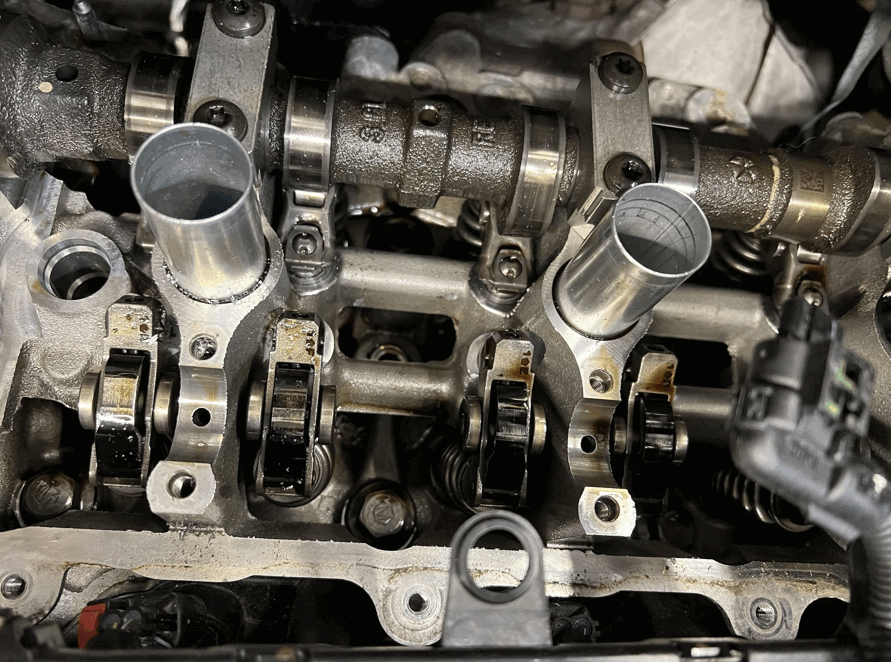
What causes a 3.6 Pentastar ticking noise?
A 3.6 Pentastar ticking noise usually comes from wear or damage in the valve train system, especially the rocker arms, camshaft, and related lubrication components. The valve train controls how the engine opens and closes its intake and exhaust valves. When these parts lose proper contact or lubrication, they create repeated ticking sounds that follow engine speed.
One of the most common causes is a worn rocker arm assembly. The rocker arm transfers movement from the camshaft to the engine valves. Inside the rocker arm, a roller bearing helps maintain smooth contact with the camshaft lobe. When this bearing wears out, the rocker arm can develop excessive movement. This creates a metal tapping sound that becomes more noticeable while the engine runs.
A damaged camshaft can also create ticking in a 3.6L Pentastar engine. The camshaft uses specially shaped lobes to control valve movement. When a camshaft lobe wears down, it changes the contact between the camshaft and rocker arm. The increased clearance allows the components to hit each other, which produces a ticking noise. In severe cases, camshaft damage can reduce valve movement and affect engine performance.
Low oil pressure and poor lubrication create another common cause of ticking. The 3.6 Pentastar engine relies on clean oil and proper oil pressure to protect moving components. When oil cannot reach the valve train parts effectively, friction increases and metal surfaces experience more wear. Regular oil maintenance and early inspection help reduce the risk of lubrication related engine damage.
Other possible causes include hydraulic component problems, exhaust leaks, and normal injector operation. Fuel injectors naturally create clicking sounds during operation, so identifying the exact location and pattern of the noise is important before replacing engine components.
What are the symptoms of a failing 3.6 Pentastar engine?
A failing 3.6 Pentastar engine usually shows additional symptoms besides ticking noise, including misfires, rough idle, reduced power, and warning lights. The ticking sound alone does not always confirm internal engine damage. However, when the noise appears with other performance problems, it often indicates a mechanical issue that requires inspection.
The first noticeable symptom is usually a ticking sound that changes with engine speed. A valve train related tick often becomes faster as the RPM increases because the rocker arms and camshaft move more frequently. The sound may become louder during acceleration or after the engine reaches operating temperature. Normal injector clicking usually remains consistent and does not create changes in engine performance.
Another common symptom is a misfire caused by improper valve operation. The rocker arms and camshaft control how the engine moves air into and out of the cylinders. When these components wear excessively, the valves may not open correctly. This reduces combustion efficiency and can cause engine hesitation, rough idling, or uneven power delivery.
A check engine light may also appear when a mechanical problem affects engine operation. The engine control module can detect abnormal combustion patterns and store diagnostic trouble codes related to misfires. Mechanics often use an OBD II scanner to identify these codes and determine whether the ticking noise connects to a cylinder performance issue.
The location of the ticking sound provides another important clue. Many 3.6 Pentastar ticking problems originate from the upper engine area near the cylinder heads because the valve train components sit in this region. A noise coming from the top of the engine often requires inspection of the rocker arms, camshaft, and related components.
How do you diagnose a 3.6 Pentastar ticking noise?
A 3.6 Pentastar ticking noise requires a systematic diagnosis to identify whether the source comes from normal engine operation or internal mechanical damage. A proper inspection focuses on the location of the sound, engine conditions, and related performance symptoms. Replacing parts without identifying the cause can lead to unnecessary repair costs.
The first diagnostic step is locating the source of the ticking sound. Mechanics often use an engine stethoscope to compare noise levels around different areas of the engine. A ticking sound near the cylinder head usually points toward valve train components such as rocker arms or camshaft parts. A sound from the exhaust area may indicate an exhaust leak rather than internal engine damage.
Checking the engine oil condition is another important step. The 3.6L Pentastar engine depends on proper oil flow to protect moving components inside the valve train. Low oil levels, contaminated oil, or incorrect oil specifications can reduce lubrication and increase component wear. Inspecting the oil filter and checking oil pressure can help determine whether lubrication problems contribute to the ticking noise.
A diagnostic scan can also provide useful information. Mechanics use an OBD II scanner to check for trouble codes related to misfires, cylinder performance, or other engine issues. These codes do not always identify the exact damaged component, but they help narrow down possible causes.
If initial checks indicate a valve train problem, deeper inspection may become necessary. Technicians may remove valve covers to inspect rocker arms, check camshaft condition, and examine signs of abnormal wear. This process helps determine whether the engine needs minor repairs or more extensive component replacement.
Is a 3.6 Pentastar ticking noise a serious problem?
A 3.6 Pentastar ticking noise can become a serious engine problem when it comes from damaged valve train components, poor lubrication, or internal mechanical wear. The severity depends on the source of the noise and how quickly the issue receives attention. A light ticking sound from normal injector operation does not create the same risk as a damaged rocker arm or worn camshaft.
A ticking noise caused by rocker arm failure can become worse over time. The damaged rocker arm may create uneven contact with the camshaft, increasing wear on both components. If the problem continues, the camshaft lobe can develop damage and reduce proper valve movement. This can turn a relatively small repair into a more expensive engine repair.
Driving with a damaged 3.6 Pentastar valve train component can also affect engine performance. A worn rocker arm or camshaft may prevent the valves from opening and closing correctly. This reduces combustion efficiency and can lead to symptoms such as engine misfires, rough idle, and reduced acceleration.
Early diagnosis helps prevent additional damage. When the ticking noise appears without other symptoms, an inspection can often identify the problem before major repairs become necessary. However, a ticking noise combined with a check engine light, performance loss, or unusual engine vibration requires faster attention.
The best approach is to identify the source of the noise instead of assuming every ticking sound requires the same repair. Understanding whether the sound comes from normal engine operation or mechanical failure allows vehicle owners to make better repair decisions and avoid unnecessary expenses.
Can you fix a 3.6 Pentastar ticking noise?
A 3.6 Pentastar ticking noise can often be fixed by repairing or replacing the damaged component that creates the sound. The correct repair depends on the cause of the ticking, because different failures require different solutions. A rocker arm problem requires a different repair approach than an oil pressure issue or a damaged camshaft.
Rocker arm replacement is one of the most common repairs for a 3.6L Pentastar ticking problem. The technician usually inspects the rocker arm assembly and checks the condition of the related camshaft lobes. Replacing only the worn rocker arm may solve the noise when the camshaft remains in good condition. However, a damaged camshaft requires additional repair because the worn surface can continue affecting the new rocker arm.
Oil related problems require a different solution. If the ticking comes from poor lubrication, the repair may involve correcting the oil level, using the correct oil specification, replacing a restricted oil filter, or repairing an oil pressure problem. Clean oil and proper pressure allow the valve train components to operate with less friction and wear.
Some ticking noises do not require major repairs. For example, normal injector clicking is part of regular engine operation and does not indicate mechanical failure. This is why accurate diagnosis should happen before replacing expensive engine components.
Preventive maintenance also plays an important role in protecting the 3.6 Pentastar engine. Following the recommended oil change schedule, using the correct engine oil, and responding to unusual noises early can reduce the risk of serious valve train damage. Early action often prevents a small ticking issue from becoming a major engine repair.
How much does it cost to repair a 3.6 Pentastar ticking problem?
A 3.6 Pentastar ticking repair cost depends on the damaged component, the amount of labor required, and whether the problem affects only the valve train or other internal engine parts. A simple diagnosis may cost far less than a repair involving rocker arms, camshaft replacement, or cylinder head work. Identifying the cause early usually reduces the total repair expense.
The lowest cost solution usually involves maintenance related issues. If the ticking comes from incorrect oil level, old engine oil, or a restricted oil filter, the repair may only require an oil service or lubrication system inspection. These repairs are less expensive because they do not require removing major engine components.
Rocker arm replacement usually costs more because technicians need access to the upper engine area. The repair requires inspection of the rocker arms, roller bearings, and camshaft surfaces. If the rocker arm has damaged the camshaft, the repair becomes more complex because the technician must replace additional internal components.
Camshaft related repairs represent a higher cost because they involve more labor and deeper engine disassembly. A damaged camshaft often requires replacing related valve train components to prevent repeated failure. The final cost depends on the vehicle model, labor rates, and the extent of the damage.
The vehicle model also affects repair complexity. A Jeep Wrangler, Jeep Grand Cherokee, Dodge Charger, Ram 1500, or Chrysler vehicle with the 3.6L Pentastar engine may have different access requirements and labor times. A professional diagnosis provides the most accurate estimate because the same ticking sound can come from different sources.
Which vehicles use the 3.6 Pentastar engine and experience ticking issues?
A 3.6 Pentastar ticking issue can appear in many vehicles because the engine powers a wide range of Jeep, Dodge, Chrysler, and Ram models. The 3.6L Pentastar V6 engine has been used for years across different vehicle platforms, which means owners of various models may search for similar ticking noise symptoms.
The Jeep Wrangler is one of the most recognized vehicles that uses the 3.6 Pentastar engine. Owners often report concerns about valve train noises because the engine operates under different driving conditions, including off road use, high temperatures, and heavy loads. These conditions make regular maintenance important for long term engine reliability.
The Jeep Grand Cherokee also uses the 3.6L Pentastar V6 in many model years. Because this vehicle combines daily driving with higher weight and towing capability, proper lubrication and maintenance become important factors in preventing excessive engine wear.
Other vehicles that use the 3.6 Pentastar engine include the Dodge Charger, Dodge Challenger, Ram 1500, Chrysler 300, Chrysler Town & Country, and Chrysler Pacifica. Although these vehicles have different designs and driving purposes, they share the same basic engine architecture and similar valve train components.
A ticking noise does not automatically mean every 3.6 Pentastar vehicle has the same failure. The actual cause depends on factors such as maintenance history, oil condition, mileage, driving habits, and the specific component creating the sound. Understanding the vehicle application helps technicians and owners narrow down possible causes during diagnosis.
How can you prevent 3.6 Pentastar ticking problems?
A 3.6 Pentastar ticking problem can often be prevented through proper maintenance, regular inspections, and early attention to unusual engine sounds. The valve train system depends on accurate lubrication and consistent component contact. Maintaining these systems reduces the chance of excessive wear in rocker arms, camshaft surfaces, and other internal engine parts.
Using the correct engine oil specification is one of the most important prevention methods. Engine oil creates a protective layer between moving components and helps reduce friction inside the valve train. Old, contaminated, or incorrect oil can reduce lubrication quality and increase wear on sensitive components such as rocker arms and camshaft lobes.
Following a regular oil change schedule also protects the 3.6L Pentastar engine. Fresh oil helps maintain proper oil flow and removes contaminants that can damage internal engine surfaces. Vehicle owners should also monitor oil levels because low oil levels can reduce lubrication efficiency and increase the risk of mechanical problems.
Early inspection can prevent minor issues from becoming major repairs. A new ticking sound, unusual engine vibration, reduced performance, or a check engine light should receive attention before the problem develops further. Detecting rocker arm wear or lubrication problems early can reduce repair complexity and cost.
Proper driving habits also support engine reliability. Allowing the engine to warm up, avoiding excessive stress when maintenance is overdue, and following manufacturer service recommendations help protect the valve train system. Preventive care does not eliminate every possible engine issue, but it significantly improves the long term reliability of the 3.6 Pentastar engine.
What should you do if your 3.6 Pentastar engine is ticking?
A 3.6 Pentastar ticking noise should be diagnosed based on its source, symptoms, and engine condition before deciding on a repair. Some ticking sounds come from normal engine operation, such as fuel injector activity, while others indicate problems with rocker arms, camshaft components, or lubrication systems.
The most common mechanical causes involve the valve train system. Worn rocker arms, damaged camshaft lobes, and poor oil circulation can create ticking sounds that become worse over time. Early diagnosis helps identify these problems before they cause additional engine damage or require more expensive repairs.
Vehicle owners should pay attention to supporting symptoms such as misfires, rough idling, reduced engine power, or a check engine light. These signs indicate that the ticking noise may affect engine performance and requires professional inspection.
Maintaining proper oil levels, using the correct engine oil, and following regular service intervals remain the most effective ways to protect the 3.6L Pentastar engine. Understanding the difference between normal engine sounds and mechanical warning signs allows owners to make better maintenance decisions.
For more information about related Pentastar reliability concerns, explore our guide on common 3.6 Pentastar engine problems to understand other issues that may affect this engine family.