Is the 3.5L PowerBoost Full Hybrid V6 truly reliable, or could hidden problems cost you thousands in repairs? Many buyers choose this hybrid engine because it promises strong performance and better fuel efficiency. On paper, it looks like the perfect balance between power and savings. In reality, things are not always that simple.
As hybrid technology becomes more complex, new concerns start to appear. Many Ford F 150 owners report issues related to battery performance, electrical systems, and unexpected driving behavior. These problems do not affect every vehicle, but they happen often enough to raise serious questions.
Most buyers do not worry about these risks until something goes wrong. By then, repair costs can become a major burden. Hybrid systems are harder to diagnose, and fixing them often costs more than traditional engines.
In this guide, we break down the most common 3.5L PowerBoost Full Hybrid V6 problems. You will learn what causes these issues and how to fix or prevent them. If you plan to buy or already own this hybrid truck, this article will help you avoid costly mistakes and make smarter decisions.
Contents
What Is the 3.5L PowerBoost Full Hybrid V6?
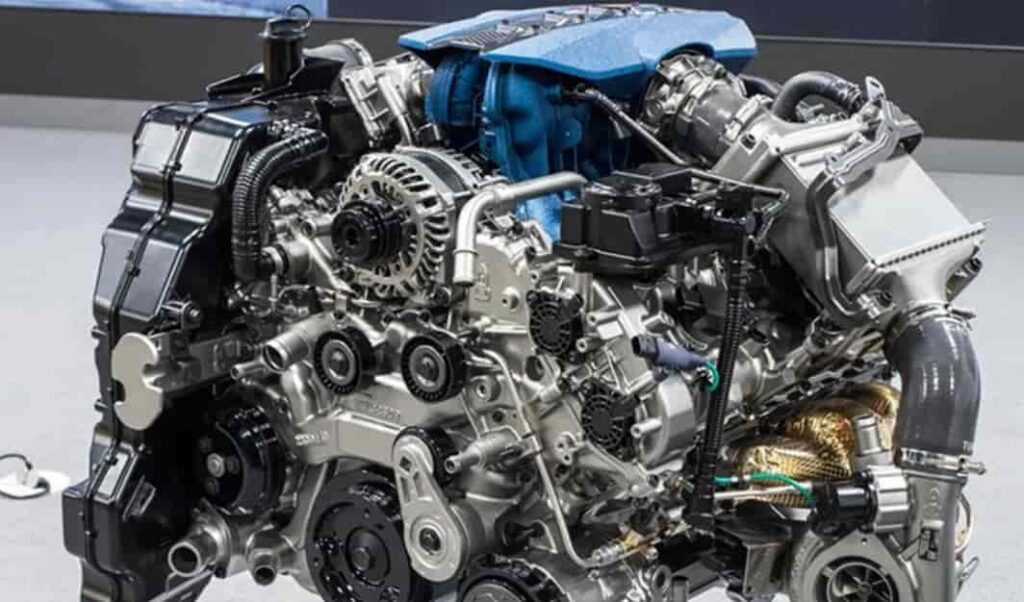
The 3.5L PowerBoost Full Hybrid V6 is Ford’s advanced hybrid engine designed for the Ford F 150. It combines a twin turbocharged V6 engine with an electric motor. This setup delivers both strong performance and improved fuel efficiency. Unlike mild hybrid systems, the PowerBoost works as a full hybrid. It can run on electric power alone in certain conditions.
This engine produces impressive horsepower and torque, making it suitable for towing, hauling, and daily driving. Many buyers choose it because it offers more power than traditional gas engines while consuming less fuel. Ford also integrates features like Pro Power Onboard, which allows the truck to act as a mobile generator.
Despite these advantages, the system adds more complexity compared to a standard engine. The hybrid battery, electric motor, and control software must work together seamlessly. When one component fails, it can affect the entire system. This complexity is one of the main reasons behind many 3.5L PowerBoost Full Hybrid V6 problems.
Understanding how this hybrid system works will help you identify issues early and maintain the engine properly. It also explains why some problems are more expensive to fix than expected.
Most Common 3.5L PowerBoost Full Hybrid V6 Problems
One of the biggest concerns for buyers is the real world reliability of this hybrid system. While the engine delivers strong performance, many owners have reported recurring issues. Understanding these problems early can help you avoid expensive repairs and unexpected breakdowns.
Hybrid Battery Issues
The hybrid battery is the heart of the PowerBoost system, but it is also one of the most common sources of trouble. Some owners notice a drop in fuel efficiency or reduced electric power over time. In more serious cases, warning lights appear on the dashboard, indicating battery faults.
Several factors can cause these issues. High temperatures, frequent short trips, and constant charging cycles can reduce battery lifespan. In colder climates, the battery may also lose efficiency faster than expected.
To fix this problem, many owners rely on software updates or battery recalibration. In severe cases, battery replacement becomes necessary, which can be very expensive. Regular maintenance and avoiding extreme driving conditions can help extend battery life.
Electrical System Glitches
Modern hybrid trucks depend heavily on electronic systems, and the PowerBoost is no exception. Many drivers report issues with the infotainment system, sensors, and dashboard displays. Screens may freeze, lag, or restart unexpectedly.
These problems often come from software bugs or communication errors between modules. Since the hybrid system relies on multiple control units, even a small glitch can affect overall performance.
Most of the time, a system reset or software update can resolve these issues. However, persistent problems may require diagnostic checks at a dealership. Keeping your system updated is one of the easiest ways to prevent these glitches.
Transmission Hesitation or Jerking
Another commonly reported issue involves transmission behavior. Some drivers experience hesitation when accelerating or feel jerking during gear changes. This can make the driving experience less smooth and sometimes frustrating.
This issue usually occurs because the hybrid system must coordinate between the electric motor and the gasoline engine. If the timing is not perfectly calibrated, delays or rough transitions can happen.
Ford has released software updates to improve this behavior in many cases. Reprogramming the transmission system often helps restore smooth performance. Regular updates and proper maintenance play a key role in minimizing this problem.
Most Common 3.5L PowerBoost Full Hybrid V6 Problems
While the previous issues already raise concerns, they are not the only ones owners face. Several other problems can affect daily driving and long term reliability. These issues often appear after extended use, which makes them even more important to understand.
Engine Start Stop Malfunction
The transition between electric power and the gasoline engine should feel smooth. However, some drivers report rough or delayed switching. In certain cases, the engine starts abruptly, which affects driving comfort.
This issue usually comes from calibration errors in the hybrid control system. When the software fails to manage the transition properly, the system reacts slower than expected.
A software update often resolves this problem. Ford has improved system calibration over time, so keeping your vehicle updated is essential. Ignoring this issue may lead to more noticeable performance problems later.
High Repair and Maintenance Costs
One of the biggest pain points for owners is the cost of repairs. Hybrid systems include more components than traditional engines. This increases both maintenance complexity and repair expenses.
When issues involve the battery or electrical systems, costs can rise quickly. Even simple diagnostics may take longer due to the system’s complexity. Many owners feel unprepared for these expenses.
Regular maintenance can reduce the risk, but it cannot eliminate it completely. Understanding potential costs before buying helps you avoid financial surprises.
Unexpected Power Loss
Some drivers report sudden loss of power while driving. This issue can feel alarming, especially at higher speeds. It may reduce acceleration or limit engine output without warning.
This problem often relates to sensor failures or battery communication errors. When the system detects a fault, it may reduce power to protect the engine and electrical components.
Diagnosing this issue requires professional tools. Fixes may include sensor replacement or software recalibration. Addressing warning signs early can prevent more serious failures.
Cold Weather Performance Issues
Cold weather can negatively affect hybrid systems, and the PowerBoost is no exception. Many owners notice reduced battery efficiency in low temperatures. This leads to lower fuel economy and weaker electric performance.
Cold conditions slow down battery chemistry, which limits energy output. As a result, the engine relies more on gasoline, reducing overall efficiency.
Parking in warmer areas and allowing the engine to warm up properly can help reduce this issue. While it is not a critical failure, it still affects daily usability in colder regions.
Causes Behind PowerBoost Hybrid Problems
To understand 3.5L PowerBoost Full Hybrid V6 problems, you need to look at how complex this system really is. Unlike traditional engines, this hybrid setup depends on multiple components working together in real time. The gasoline engine, electric motor, battery, and control software must stay perfectly synchronized. Even a small mismatch can lead to noticeable issues.
One major cause comes from system complexity. The more advanced the technology becomes, the more points of failure appear. A standard engine relies mostly on mechanical parts, while a hybrid depends heavily on electronics and software. This increases the risk of glitches, sensor errors, and communication failures.
Software dependency also plays a critical role. The PowerBoost system uses advanced programming to manage power distribution. When the software contains bugs or outdated calibration, problems like transmission hesitation or rough engine switching can occur. Regular updates help, but they do not always eliminate every issue.
Driving habits also affect reliability. Frequent short trips prevent the battery from operating efficiently. Aggressive acceleration can stress both the engine and electric motor. Over time, these habits may reduce system performance and increase wear.
Environmental factors add another layer of risk. Extreme heat can degrade battery health, while cold temperatures reduce efficiency. These conditions push the hybrid system beyond its optimal range.
When you combine all these factors, it becomes clear why some 3.5L PowerBoost Full Hybrid V6 problems appear over time. The system is powerful and efficient, but it requires proper care and awareness to perform at its best.
How to Fix or Prevent These Problems
While many 3.5L PowerBoost Full Hybrid V6 problems may sound serious, you can prevent or reduce most of them with the right approach. The key lies in proactive maintenance and smart driving habits.
Start with regular software updates. The PowerBoost system depends heavily on software to control the interaction between the engine and the electric motor. Manufacturers often release updates to fix bugs and improve performance. Keeping your vehicle updated can resolve issues such as transmission hesitation, electrical glitches, and rough engine transitions.
Follow a consistent maintenance schedule. Hybrid systems require more attention than traditional engines. Regular inspections help detect early signs of battery wear, sensor faults, or electrical issues. Addressing small problems early can prevent expensive repairs later.
Take care of the hybrid battery. Avoid exposing your vehicle to extreme temperatures for long periods. Whenever possible, park in shaded or covered areas. Try to maintain balanced driving patterns instead of frequent short trips. This helps the battery operate more efficiently and extends its lifespan.
Adjust your driving habits. Smooth acceleration and gradual braking reduce stress on both the engine and electric motor. Aggressive driving may feel powerful, but it increases wear over time. A more controlled driving style improves both reliability and fuel efficiency.
Pay attention to warning signs. If you notice unusual noises, delayed acceleration, or dashboard alerts, do not ignore them. Early diagnosis can prevent serious system failures. Hybrid systems often give subtle signals before major issues appear.
Preventing problems always costs less than fixing them. By taking these steps, you can reduce the risk of major 3.5L PowerBoost Full Hybrid V6 problems and enjoy a more reliable driving experience.
Maintenance Cost Breakdown
One of the biggest concerns related to 3.5L PowerBoost Full Hybrid V6 problems is the long term cost of ownership. While this hybrid system offers better fuel efficiency, it can also bring higher maintenance and repair expenses compared to traditional engines.
Routine maintenance such as oil changes, filters, and basic inspections remains similar to a standard engine. However, costs increase when hybrid specific components come into play. The battery system, electric motor, and advanced electronics require specialized diagnostics and trained technicians. This often leads to higher service fees.
Battery replacement is the most expensive potential cost. Although hybrid batteries are designed to last many years, they do not last forever. When replacement becomes necessary, the cost can reach several thousand dollars. This is one of the main reasons why many buyers hesitate before choosing a hybrid truck.
Electrical system repairs can also add up quickly. Issues related to sensors, control modules, or wiring may take longer to diagnose. Labor costs increase because technicians need more time and expertise to identify the problem.
When compared to a traditional EcoBoost engine, the PowerBoost may save money on fuel but spend more on maintenance over time. For some drivers, the trade off makes sense. For others, especially those planning long term ownership, these costs can become a major factor.
Understanding these expenses helps you prepare financially and avoid unexpected surprises.
Is the 3.5L PowerBoost Hybrid Reliable?
The 3.5L PowerBoost Full Hybrid V6 delivers a strong combination of power and efficiency. For many drivers, it offers a modern driving experience that traditional engines cannot match. Smooth acceleration, better fuel economy, and advanced features make it an attractive option.
However, reliability depends on how you define it. In the short term, many owners report positive experiences. The engine performs well, and most issues can be resolved through software updates or routine maintenance. For daily driving and moderate use, the system proves capable and efficient.
In the long term, concerns start to appear. The complexity of the hybrid system increases the risk of electrical and battery related problems. Repair costs also tend to rise as the vehicle ages. For drivers who plan to keep their truck for many years, these factors can affect overall satisfaction.
This engine suits drivers who value fuel efficiency and advanced technology. It works well for city driving and mixed usage. However, for heavy duty use or long term ownership with minimal maintenance costs, a traditional engine may still be a safer choice.
In the end, the 3.5L PowerBoost Full Hybrid V6 is not unreliable, but it requires awareness and proper care. Understanding potential risks helps you make a smarter decision.
Final Verdict
The 3.5L PowerBoost Full Hybrid V6 problems highlight an important reality about modern vehicles. Advanced technology brings better performance and efficiency, but it also introduces new risks. This hybrid engine delivers impressive power, smooth driving, and fuel savings. At the same time, it comes with increased complexity and higher potential repair costs.
Common issues such as battery performance, electrical glitches, and transmission behavior do not affect every owner, but they appear often enough to deserve attention. These problems usually have clear causes and, in many cases, manageable solutions. The key is early detection and proper maintenance.
If you are considering this engine, focus on your driving needs and long term plans. If you want better fuel efficiency and enjoy modern features, the PowerBoost can be a strong choice. If you prefer simplicity and lower long term risk, you may want to explore other options.
Understanding 3.5L PowerBoost Full Hybrid V6 problems allows you to make a more informed decision. A well informed buyer always avoids costly mistakes.
Would you still choose a hybrid truck after knowing these potential issues?