Are you leaving horsepower untapped in your 3.5 EcoBoost engine? Many drivers choose this twin turbo platform because it delivers strong performance straight from the factory, yet a large portion of its true potential often remains hidden. The real challenge is not about making more power, but about doing it safely without sacrificing long term reliability.
A common concern among owners is the fear of damaging the engine after installing performance parts. With so many conflicting opinions online, it becomes difficult to know which upgrades actually work and which ones could lead to expensive repairs. Some modifications promise massive gains but ignore critical factors like heat management, fuel delivery, and proper tuning.
This is where a structured and safe upgrade path becomes essential. In this guide, you will learn how to approach 3.5 EcoBoost performance upgrades in a logical and reliable way. From beginner friendly improvements to advanced modifications, every step is explained with clear reasoning, real benefits, and potential risks.
By the end of this article, you will not only understand how to increase horsepower, but also how to protect your engine while doing so. This is the key difference between random modifications and a well planned performance strategy.
Contents
Understanding the 3.5 EcoBoost Engine
To safely unlock more power, you first need to understand what makes the 3.5 EcoBoost engine such a strong platform for performance upgrades. This engine is not just powerful by design, it is also highly responsive to modifications when approached correctly.
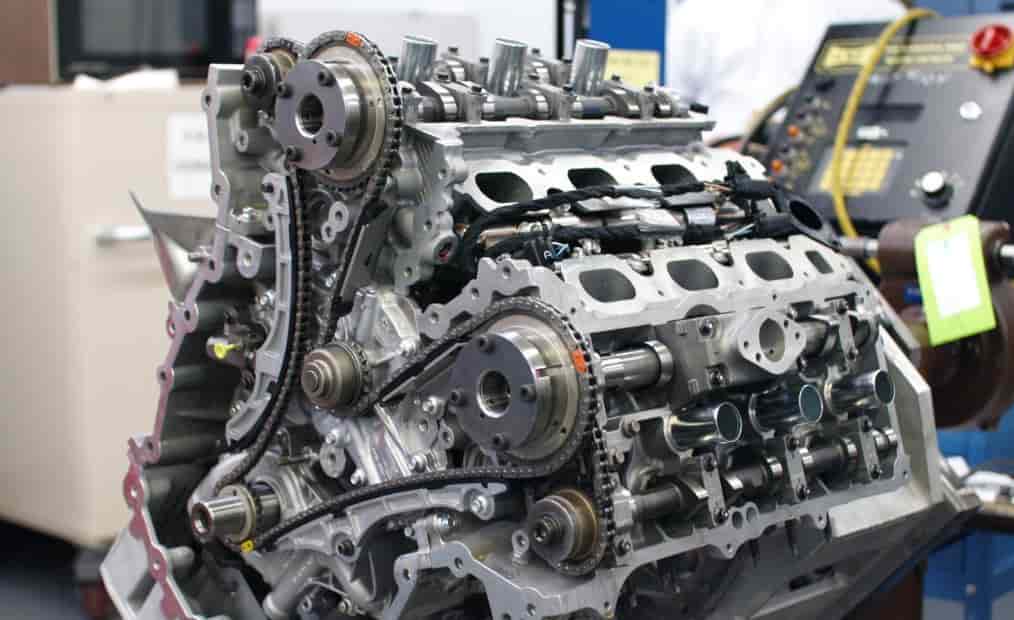
The 3.5 EcoBoost is a twin turbocharged V6 engine that uses direct fuel injection and advanced ECU control to balance power, efficiency, and emissions. Unlike naturally aspirated engines, this setup allows you to increase performance by adjusting boost pressure, airflow, and fuel delivery without needing major mechanical changes at the beginning.
One of the biggest advantages of this engine is its forced induction system. The twin turbo setup compresses incoming air, allowing more oxygen into the combustion chamber. This means more fuel can be burned, resulting in higher power output. Because of this, even small adjustments through ECU tuning can deliver noticeable horsepower gains.
However, more power always brings more stress. Heat becomes a critical factor as increased boost levels raise intake and engine temperatures. The fuel system must also keep up to avoid running lean, which can cause serious damage. In addition, the transmission and internal components must handle the extra torque generated by upgrades.
Understanding these limits is essential. Many performance issues do not come from the upgrades themselves, but from ignoring the supporting systems. When you combine the right parts with proper tuning and monitoring, the 3.5 EcoBoost becomes one of the most rewarding engines to modify.
Basic 3.5 EcoBoost Performance Upgrades
Stage 1 upgrades are designed for drivers who want noticeable gains without taking unnecessary risks. These modifications are beginner friendly and deliver measurable results while keeping engine safety as the top priority.
The first and most effective step is ECU tuning. A Stage 1 tune adjusts boost levels, fuel maps, and ignition timing to extract more horsepower from your engine. Gains of 50 to 80 horsepower are common when combined with supporting mods. The key advantage of tuning is that it leverages the engine’s existing components without requiring major mechanical changes. The main caution is to choose a reputable tuner who understands the 3.5 EcoBoost system, as improper calibration can lead to engine knock or other reliability issues.
Another popular Stage 1 upgrade is installing a cold air intake. By improving airflow to the engine, a cold air intake enhances throttle response and allows the turbo to operate more efficiently. While the horsepower gains are moderate, the combined effect with ECU tuning creates a smoother, more responsive driving experience.
Upgrading spark plugs to high-performance options also contributes to better combustion. Improved ignition reduces misfires, particularly under increased boost conditions, and supports the engine as it handles more power. High-quality spark plugs work in conjunction with tuning and intake improvements to ensure consistent performance.
Stage 1 upgrades are chosen for their affordability, low risk, and strong return on investment. They provide a solid foundation for more advanced modifications while ensuring that your 3.5 EcoBoost remains reliable and responsive. Completing these basic upgrades first prepares the engine for higher level enhancements without jeopardizing long-term durability.
Intermediate 3.5 EcoBoost Performance Upgrades
Stage 2 upgrades are for drivers who have already completed the basic modifications and are ready to take their 3.5 EcoBoost engine to the next level. These upgrades deliver more substantial horsepower gains and require a deeper understanding of how different components work together.
One of the most impactful upgrades at this stage is installing a larger or more efficient intercooler. The intercooler reduces the temperature of the compressed air from the turbochargers, which increases the air density and improves combustion efficiency. Cooler intake air also protects the engine from heat-related stress, allowing higher boost levels safely and consistently. This upgrade is essential for supporting any further performance modifications.
Upgrading the downpipes and exhaust system also contributes to noticeable power improvements. Reducing back pressure allows the turbochargers to spool faster, increasing throttle response and overall engine efficiency. Additionally, a high-performance exhaust system enhances sound quality, giving your EcoBoost a more aggressive tone while maintaining optimal airflow.
The fuel system may also require enhancements at this stage. Supporting mods such as higher-flow fuel injectors or upgraded fuel pumps ensure that the engine receives sufficient fuel under increased boost. Running lean can cause severe damage, so making sure fuel delivery is reliable is critical when pursuing intermediate upgrades.
Stage 2 modifications significantly increase horsepower and torque while maintaining engine reliability when done correctly. Ignoring critical supporting systems, however, can lead to overheating, knocking, or long-term wear, which is why these upgrades should always be planned as part of a cohesive performance strategy. By addressing airflow, cooling, and fuel delivery together, Stage 2 upgrades provide a balanced and effective boost in performance.
Advanced 3.5 EcoBoost Performance Upgrades
Stage 3 upgrades are designed for enthusiasts who want to maximize the performance potential of their 3.5 EcoBoost engine. At this level, modifications are more intensive, deliver the highest horsepower gains, and require professional tuning to ensure engine longevity.
Turbo upgrades are a central component of Stage 3. Installing larger or higher-performance turbos allows the engine to push significantly more air, resulting in 500 horsepower or more when combined with supporting modifications. While the potential power is impressive, larger turbos often introduce more lag, so careful selection and calibration are critical to maintaining drivability. The ECU must be finely tuned to handle increased boost pressures safely.
Methanol injection or E85 fuel conversion is another advanced option. These upgrades increase the effective octane rating, reduce knock, and allow for higher boost levels without compromising engine reliability. Methanol injection also cools intake temperatures, further improving power and safety under extreme conditions. Drivers who choose these modifications must understand the fueling system and monitor conditions closely.
For maximum reliability under extreme power levels, upgraded internal engine components such as forged pistons and stronger rods are recommended. These parts can handle higher cylinder pressures and torque, preventing damage that might occur with stock internals. Stage 3 upgrades should only be performed after Stage 1 and Stage 2 modifications are in place to ensure that supporting systems like cooling and fuel delivery are already optimized.
Stage 3 represents the peak of what is achievable on a 3.5 EcoBoost engine without major engine swaps. While the costs and complexity are higher, the results are unmatched for those who are committed to high performance. With proper planning, tuning, and monitoring, these upgrades allow your engine to perform at its absolute best without sacrificing reliability.
How to Upgrade Safely
Upgrading your 3.5 EcoBoost engine is exciting, but doing it safely is critical to protecting your investment and ensuring long-term reliability. Many enthusiasts make the mistake of adding parts individually without considering how they interact, which can lead to engine damage or reduced component life.
The first rule of safe upgrades is to approach modifications as a system. Each component affects others, so tuning should always accompany physical upgrades. ECU calibration must match intake, exhaust, turbo, and fuel system changes to prevent issues such as lean conditions, overboost, or excessive engine temperatures. Monitoring key parameters like air-fuel ratio, boost levels, and engine temperature is essential, especially after installing more aggressive upgrades.
Cooling is another critical aspect often overlooked. Upgraded intercoolers, efficient radiators, and high-quality oil coolers help maintain stable operating temperatures under increased stress. Overheating is one of the most common causes of failure in tuned engines, and investing in proper cooling solutions protects both performance and reliability.
Regular maintenance is equally important when pursuing performance upgrades. High-performance engines require frequent oil changes using premium synthetic oil, periodic inspection of spark plugs, and consistent fuel quality. Ignoring these factors reduces efficiency and increases the likelihood of damage, even with professional tuning.
Finally, always follow a structured upgrade path. Begin with Stage 1 modifications to establish a safe baseline, progress to Stage 2 for intermediate improvements, and only pursue Stage 3 upgrades after confirming that supporting systems are fully optimized. Planning upgrades in this way ensures each modification contributes to performance gains while minimizing risk, giving you the best possible combination of power, safety, and drivability.
Expected Horsepower Gains
Understanding the potential horsepower gains from each stage of upgrades helps set realistic expectations for your 3.5 EcoBoost engine. While numbers can vary depending on supporting modifications and tuning quality, there is a general pattern that reflects what most enthusiasts can achieve.
Stage 1 upgrades, which include ECU tuning, cold air intake, and high-performance spark plugs, typically yield 50 to 80 horsepower gains. These improvements enhance throttle response, airflow, and combustion efficiency without stressing the engine, making them ideal for beginners or those seeking modest performance gains.
Stage 2 upgrades, such as intercooler improvements, downpipes, exhaust systems, and fuel system enhancements, can provide an additional 100 to 150 horsepower. The engine becomes more responsive, turbo efficiency increases, and overall drivability improves. These gains are more substantial and require careful integration of supporting systems to maintain engine reliability.
Stage 3 represents the most aggressive modifications, including upgraded turbos, methanol injection or E85 conversion, and reinforced internal components. At this level, horsepower can reach 400 to 600 or more, depending on the extent of modifications and the quality of tuning. Advanced upgrades require precise calibration to ensure that additional power does not compromise engine longevity.
It is important to remember that raw horsepower is not the only measure of improvement. Torque, throttle response, and consistency under load are equally important. A well-planned upgrade path that considers the entire engine system delivers not only higher numbers on paper but also a more enjoyable and reliable driving experience.
Common Mistakes to Avoid
Many 3.5 EcoBoost owners make avoidable errors when pursuing performance upgrades, which can lead to reduced engine reliability, wasted money, or even catastrophic failures. Understanding these common mistakes allows you to plan your modifications safely and effectively.
One frequent mistake is relying on cheap or unverified tuning solutions. While inexpensive tunes may promise significant horsepower gains, they often fail to account for supporting modifications or proper fuel mapping. Running a poorly calibrated tune can lead to knocking, excessive boost, or lean conditions that severely stress engine components.
Another common issue is neglecting cooling. High-performance upgrades generate more heat, and ignoring intercooler efficiency, radiator capacity, or oil temperature can result in overheating. Even the strongest engine components cannot withstand continuous high temperatures without risk of damage.
Overboosting without supporting modifications is also a major concern. Simply increasing turbo pressure without upgrading fuel delivery, spark plugs, or intercooling creates unsafe conditions that can quickly harm the engine. Likewise, using low-quality fuel or failing to maintain spark plugs, filters, and oil reduces performance gains and increases the likelihood of mechanical problems.
The key takeaway is that performance upgrades work best when approached systematically. Each modification should complement the others, and proper monitoring, maintenance, and professional tuning are essential. Avoiding these common mistakes ensures that your 3.5 EcoBoost engine remains reliable while delivering maximum performance, allowing you to enjoy both power and peace of mind.
Conclusion
Upgrading your 3.5 EcoBoost engine can transform its performance, providing more horsepower, improved torque, and a more engaging driving experience. The key to success lies in following a structured approach that balances power gains with engine reliability. By starting with Stage 1 basic upgrades, progressing to Stage 2 intermediate improvements, and only then considering Stage 3 advanced modifications, you ensure that each step builds safely on the previous one.
Understanding how the twin turbo system, fuel delivery, and cooling interact allows you to make informed decisions, avoiding common mistakes that compromise performance and longevity. Proper ECU tuning, quality supporting parts, and careful monitoring of critical parameters such as boost, air-fuel ratio, and engine temperature are essential for achieving reliable results.
The 3.5 EcoBoost Performance Upgrades covered in this guide demonstrate that thoughtful planning and attention to detail can unlock the full potential of this engine without unnecessary risk. Whether you are a beginner seeking moderate improvements or an experienced enthusiast aiming for maximum horsepower, applying these strategies ensures your engine performs at its best while remaining safe and dependable.
Consider sharing your upgrade experience, commenting on your favorite mods, or asking questions about your specific setup. Engaging with a community of knowledgeable owners not only helps you make better choices but also contributes to a safer and more enjoyable tuning journey for every 3.5 EcoBoost enthusiast.