A 20W-50 hydraulic oil equivalent must match the viscosity and performance requirements of the hydraulic system. A similar grade number does not guarantee the same performance. SAE classifies 20W-50 as a multigrade oil. In contrast, industrial hydraulic oils commonly follow the ISO VG classification system. Therefore, ISO VG 68 or ISO VG 100 does not automatically replace 20W-50.
Four main factors determine the correct equivalent: viscosity, operating temperature, hydraulic system requirements, and the OEM specification. Viscosity controls how the oil flows and protects moving components. Temperature also changes oil viscosity during operation. In addition, the replacement fluid must protect the hydraulic components from wear. It must also work correctly with the pump, seals, and other system components.
ISO VG 68 and ISO VG 100 may serve as replacement candidates in specific applications. However, the equipment requirements determine whether either grade provides a suitable alternative. This guide compares 20W-50 with these common hydraulic oil grades. It also explains the differences between SAE and ISO VG classifications. Finally, you will learn which specifications to check before changing the original oil. These checks help you maintain proper lubrication, oil flow, and hydraulic system performance.
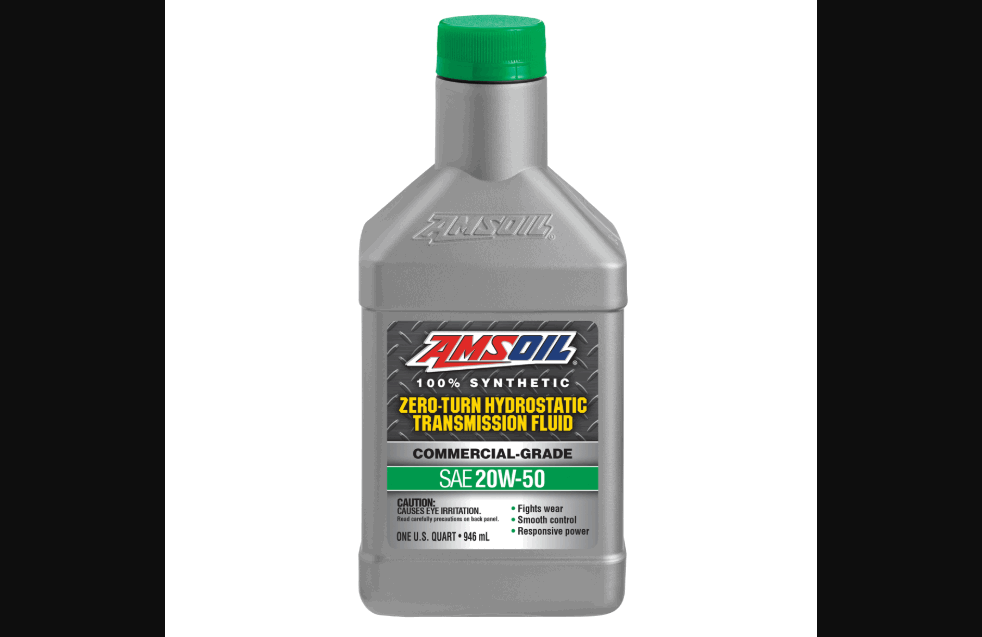
What Is the Equivalent of 20W-50 Hydraulic Oil?
A 20W-50 hydraulic oil equivalent is a lubricant that matches the required viscosity and performance specifications of the original oil. However, 20W-50 does not have one universal ISO VG equivalent. The SAE and ISO systems classify viscosity in different ways. Therefore, you should not choose a replacement by comparing grade numbers alone.
SAE 20W-50 is a multigrade viscosity grade. The 20W rating describes its low temperature performance, while the 50 rating describes viscosity at higher temperatures. ISO VG grades use a different approach. They classify industrial lubricants according to their kinematic viscosity at 40°C. As a result, SAE 50 and ISO VG 50 do not represent the same viscosity.
ISO VG 68 and ISO VG 100 often appear when users search for a 20W-50 hydraulic oil replacement. However, neither grade provides a direct replacement for every hydraulic system. ISO VG 68 has a lower nominal viscosity than ISO VG 100 at 40°C. Their actual suitability depends on the required viscosity during operation. Pump design, operating temperature, and lubricant specifications also affect the choice.
The equipment manufacturer provides the most reliable starting point for selecting an equivalent. Check the required viscosity and fluid specification in the equipment manual first. Then compare those requirements with the technical data for the replacement oil. This process identifies a suitable alternative more accurately than a simple SAE to ISO conversion.
In short, choose a 20W-50 hydraulic oil equivalent by matching viscosity, performance requirements, and OEM specifications. A similar viscosity grade alone does not confirm that two oils are interchangeable.
Is ISO VG 68 Equivalent to 20W-50 Hydraulic Oil?
ISO VG 68 is not a direct equivalent to SAE 20W-50 hydraulic oil. The two grades use different viscosity classification systems. ISO VG 68 identifies an industrial oil by its kinematic viscosity at 40°C. SAE 20W-50 uses a multigrade system that describes viscosity performance across different temperature conditions.
ISO VG 68 has a nominal kinematic viscosity of 68 mm²/s, or cSt, at 40°C. The ISO VG system allows a viscosity range around this nominal value. However, the 20W-50 label does not provide a directly comparable viscosity value at 40°C. Therefore, the grade names alone cannot confirm equivalence.
ISO VG 68 may replace 20W-50 when the hydraulic equipment requires its viscosity range and performance properties. The hydraulic pump must also operate correctly with the replacement fluid. Operating temperature plays an important role because oil becomes thinner as its temperature rises. A fluid that works well at moderate temperatures may provide insufficient viscosity under hotter operating conditions.
The additive package also matters. Hydraulic oils may contain anti-wear, oxidation control, corrosion protection, and foam control additives. A replacement must provide the performance that the hydraulic system requires. Similar viscosity does not guarantee similar protection.
Check the equipment manual before switching from 20W-50 to ISO VG 68. Compare the required viscosity, operating conditions, and lubricant specifications with the product data sheet. Use ISO VG 68 as a 20W-50 replacement only when these requirements match.
Is ISO VG 100 Equivalent to 20W-50 Hydraulic Oil?
ISO VG 100 is not a direct equivalent to SAE 20W-50 hydraulic oil. However, it may work as a replacement in specific hydraulic systems. The correct choice depends on viscosity, operating temperature, equipment design, and the required lubricant specification.
ISO VG 100 has a nominal kinematic viscosity of 100 mm²/s, or cSt, at 40°C. This value makes it more viscous than ISO VG 68 at the same temperature. SAE 20W-50 uses a different classification system. Therefore, comparing the numbers 100 and 50 does not show which oil is thicker or more suitable.
A hydraulic system may use ISO VG 100 when its pump and components require a higher viscosity oil. Operating temperature also affects this decision. Oil becomes thinner as temperature increases. A higher viscosity grade can maintain a thicker lubricating film under suitable operating conditions. However, excessive viscosity can create problems when the system starts at low temperatures.
Oil that is too thick increases resistance to flow. This condition can reduce pump inlet efficiency and slow hydraulic response. It may also increase energy losses while the system warms up. For this reason, choosing a thicker oil does not automatically provide better protection.
Check the equipment manual before replacing 20W-50 with ISO VG 100. Compare the required viscosity range and performance specification with the replacement oil data. Use ISO VG 100 only when its viscosity and performance characteristics meet the hydraulic system requirements.
How Do You Convert SAE 20W-50 to an ISO VG Hydraulic Oil Grade?
You cannot convert SAE 20W-50 directly to one ISO VG hydraulic oil grade by comparing the grade numbers. SAE and ISO VG use different viscosity classification methods. Instead, compare the actual kinematic viscosity of each oil at the relevant temperature.
SAE 20W-50 is a multigrade viscosity grade. The 20W part describes low temperature viscosity performance. The 50 part defines viscosity requirements at higher temperatures. This system helps describe how the lubricant behaves across a range of temperatures.
ISO VG uses a different method. It classifies industrial lubricants by their kinematic viscosity at 40°C. For example, ISO VG 68 has a nominal viscosity of 68 cSt at 40°C. ISO VG 100 has a nominal viscosity of 100 cSt at the same temperature. Therefore, SAE 50 does not equal ISO VG 50.
To compare 20W-50 with an ISO VG oil, check the technical data sheets for both products. Compare their kinematic viscosity at the same reference temperature. Next, check how their viscosity changes as the operating temperature rises or falls. The hydraulic system must maintain suitable oil flow and lubrication throughout its normal temperature range.
Finally, compare the required performance specifications and equipment recommendations. The correct ISO VG alternative must match the hydraulic system requirements, not the number shown on the SAE label. This method provides a more reliable comparison than using a simple SAE to ISO viscosity conversion chart.
Can You Use 20W-50 Engine Oil in a Hydraulic System?
You can use 20W-50 engine oil in a hydraulic system only when the equipment manufacturer allows it. The 20W-50 viscosity grade alone does not confirm compatibility. Engine oils and dedicated hydraulic oils perform different jobs. As a result, manufacturers formulate them with different performance requirements in mind.
Engine oil protects engines from wear, deposits, oxidation, and contaminants. Its additive package commonly includes detergents and dispersants for these tasks. Hydraulic oil must transfer power efficiently while protecting pumps, valves, and other moving components. It also needs suitable air release, foam control, oxidation resistance, and wear protection for its intended system.
However, some hydraulic equipment uses engine oil as the specified fluid. In these applications, 20W-50 may provide the viscosity and performance that the manufacturer requires. Using engine oil in this situation does not represent an improper substitution. The equipment specification already accounts for the properties of that lubricant.
Problems arise when a system requires dedicated hydraulic oil instead. A similar viscosity does not make an engine oil a suitable replacement. Different additive chemistry can affect system performance and fluid behavior. The oil must also maintain the correct viscosity throughout the equipment’s operating temperature range.
Check the equipment manual before adding 20W-50 engine oil to a hydraulic system. Use 20W-50 engine oil only when the manufacturer specifies or approves an oil with its viscosity and performance characteristics. Otherwise, choose a hydraulic fluid that meets the required specification.
What Should You Check Before Replacing 20W-50 Hydraulic Oil?
There are five main factors to check before replacing 20W-50 hydraulic oil: viscosity, operating temperature, pump requirements, fluid compatibility, and OEM specifications. Checking these factors helps you choose an oil that can maintain proper flow and lubrication.
Viscosity comes first because it affects both oil flow and film thickness. Oil that is too thin may not provide enough separation between moving surfaces. Oil that is too thick creates greater resistance to flow. Therefore, compare the viscosity data of the original and replacement oils at relevant temperatures.
Operating temperature comes next because viscosity changes as oil heats and cools. The replacement must remain suitable during startup and normal operation. Consider both ambient conditions and the temperatures that the hydraulic system reaches under load.
Pump requirements also influence oil selection. Hydraulic pumps need oil within a suitable viscosity range to operate efficiently. An unsuitable grade can affect oil flow, lubrication, and system response.
Fluid compatibility is another important factor. Compare the base oil, additive system, and relevant performance specifications before changing products. Do not assume that two oils will perform identically because their viscosity appears similar.
Finally, check the OEM specification in the equipment manual. The manufacturer may specify a viscosity grade, lubricant type, or required performance standard. Choose the replacement by following the OEM specification first, then verify viscosity, operating conditions, pump requirements, and fluid compatibility.
What Happens If You Use the Wrong Hydraulic Oil Equivalent?
Using the wrong hydraulic oil equivalent can cause poor lubrication, higher operating temperatures, slower system response, and increased component wear. The specific effect depends on whether the replacement oil is too thin, too thick, or incompatible with the hydraulic system.
Oil that is too thin creates a weaker lubricating film between moving components. It can also increase internal leakage inside pumps and valves. As a result, the hydraulic system may lose efficiency and struggle to maintain normal performance. Continued operation with insufficient viscosity can also increase wear on lubricated surfaces.
Oil that is too thick creates different problems. Higher viscosity increases resistance as the fluid moves through the system. The pump must work harder to circulate the oil, especially during a cold start. Excessive viscosity can also slow hydraulic response and increase energy losses until the oil reaches its normal operating temperature.
Fluid incompatibility creates another risk. Two oils may have similar viscosity but use different base oils or additive systems. Mixing incompatible products can change the properties of the hydraulic fluid. It may also reduce the performance that the equipment requires.
For these reasons, viscosity alone cannot identify a safe replacement. A suitable 20W-50 hydraulic oil equivalent must provide the required viscosity, fluid compatibility, and performance characteristics. Check the OEM requirements and product specifications before changing the original hydraulic oil.
Can You Mix 20W-50 With a Different Hydraulic Oil?
You should mix 20W-50 with another hydraulic oil only when both fluids have compatible formulations and meet the equipment requirements. Two oils may blend physically without providing the same performance. Therefore, viscosity alone does not confirm that two hydraulic fluids are compatible.
Mixing different viscosity grades changes the viscosity of the final fluid. For example, adding a thinner oil to 20W-50 can reduce the mixture’s viscosity. Adding a thicker oil can increase it. The final viscosity depends on the properties and proportions of both fluids. This change can affect oil flow, lubrication, and hydraulic response.
Additive compatibility also matters. Hydraulic fluids can use different additive systems for wear protection, oxidation control, corrosion protection, and foam control. Mixing different formulations may alter the balance of these additives. As a result, the mixture may not provide the performance specified for the hydraulic system.
A small top up also differs from a complete oil change. Before adding another product, identify the oil already inside the system. Then compare the specifications and compatibility information for both fluids. For a full change, follow the equipment and lubricant manufacturer’s recommendations for draining or flushing the system.
Do not mix 20W-50 with another hydraulic oil based only on a similar viscosity grade. Confirm fluid compatibility, required viscosity, and OEM specifications before combining the products.
How Do You Choose the Correct 20W-50 Hydraulic Oil Replacement?
Choose the correct 20W-50 hydraulic oil replacement by matching the OEM specification, viscosity, operating temperature, performance requirements, and fluid compatibility. Do not select an alternative by comparing SAE and ISO VG numbers alone. A suitable replacement must support the hydraulic system under its actual operating conditions.
First, check the equipment manual for the required lubricant specification. The manufacturer may specify an oil type, viscosity grade, or performance standard. Use these requirements as the primary reference when evaluating alternative products.
Next, compare the viscosity of the original oil with each replacement candidate. Use technical data from the lubricant manufacturer rather than the grade name alone. Also consider the normal operating temperature. Oil becomes thinner as temperature rises, so the replacement must maintain suitable viscosity during operation.
Then, compare the performance requirements of both fluids. Check properties related to wear protection, oxidation resistance, corrosion control, and foam control. The replacement must also suit the hydraulic pump and other lubricated components.
Finally, confirm fluid compatibility before topping up or changing products. Check the existing oil when possible and follow the manufacturer’s instructions for fluid changes.
Use six checks when selecting a replacement: OEM specification, viscosity, operating temperature, performance requirements, pump suitability, and fluid compatibility. If these requirements match, the alternative provides a stronger basis for replacement than a simple SAE to ISO conversion.
What Is the Best Replacement for 20W-50 Hydraulic Oil?
The best 20W-50 hydraulic oil equivalent is a fluid that matches the equipment’s required viscosity, performance specifications, and operating conditions. No single ISO VG grade serves as a universal replacement for SAE 20W-50. The two classification systems measure viscosity differently, so their grade numbers do not provide a direct conversion.
ISO VG 68 and ISO VG 100 may work as replacement candidates in specific applications. However, the correct choice depends on the hydraulic system. Check the required viscosity and normal operating temperature before choosing either grade. You should also compare the fluid’s performance properties and compatibility with existing oil.
The OEM specification provides the primary reference for making the final decision. Check the equipment manual first. Then compare the original fluid requirements with the technical data for the replacement product. This approach helps maintain proper oil flow, lubrication, and hydraulic performance.
Do not choose a 20W-50 hydraulic oil replacement by grade number alone. Match the OEM requirements, viscosity, operating temperature, and fluid specifications before switching oils. When the specifications remain unclear, confirm the replacement with the equipment or lubricant manufacturer.