The modern car buyer is no longer satisfied with just raw power or fuel efficiency alone. Instead, the real question has become whether an engine can deliver both without compromise. This is exactly where the 2.0 EcoBoost Engine Specs come into the spotlight. Widely used across multiple Ford models, this turbocharged engine has built a reputation for balancing performance, efficiency, and everyday usability.
However, many drivers still struggle to understand what these specifications actually mean in real life. Horsepower numbers may look impressive on paper, but do they translate into strong acceleration? Torque figures might seem technical, yet they directly impact how the car feels in daily driving. Fuel economy ratings can also be misleading, especially when turbocharged engines behave differently under various driving conditions.
Another common concern revolves around reliability and long term ownership costs. Turbo engines are often associated with higher maintenance complexity, which makes potential buyers hesitant. Is the 2.0 EcoBoost truly efficient, or does it consume more fuel than expected when pushed hard? Can it maintain performance over time without expensive repairs?
In this complete guide to 2.0 EcoBoost Engine Specs, you will discover everything from horsepower and torque to real world performance and fuel economy. More importantly, this article will help you understand whether this engine is the right choice for your driving needs and expectations.
Contents
- What Is the 2.0 EcoBoost Engine?
- 2.0 EcoBoost Engine Specs Overview
- Horsepower and Torque Explained
- Real World Performance of the 2.0 EcoBoost
- Fuel Economy: Is the 2.0 EcoBoost Efficient?
- Reliability and Common Problems
- Maintenance Cost and Ownership Experience
- Vehicles That Use the 2.0 EcoBoost Engine
- Pros and Cons of the 2.0 EcoBoost Engine
- Conclusion
What Is the 2.0 EcoBoost Engine?
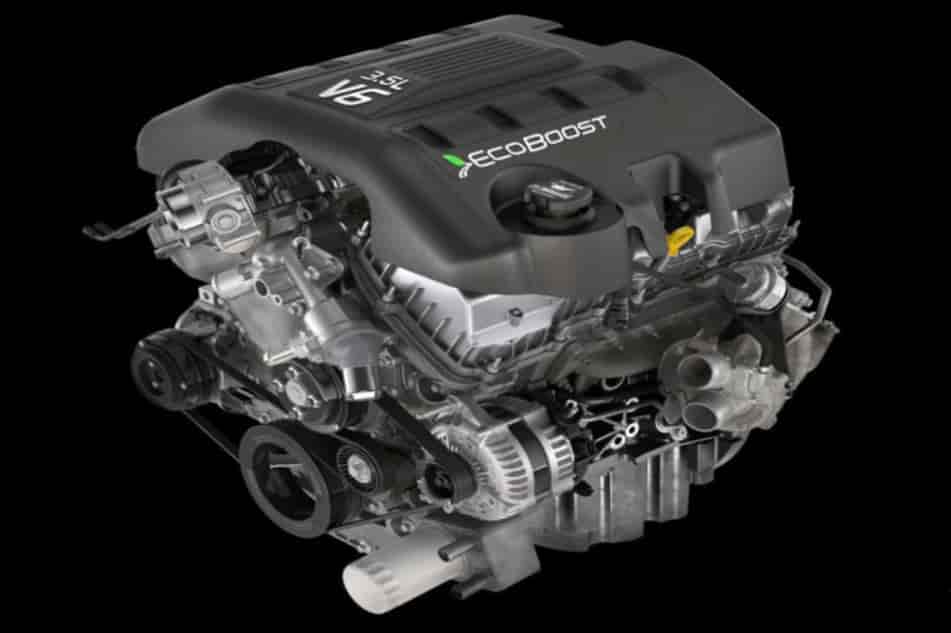
The 2.0 EcoBoost engine comes from Ford Motor Company and focuses on one goal. It aims to deliver strong performance without sacrificing fuel efficiency. Instead of using large engines, this technology relies on smarter engineering.
This engine uses a turbocharged inline four cylinder design. The turbocharger pushes more air into the engine. As a result, the engine produces more power from a smaller size. Drivers get strong acceleration without needing a bigger engine.
The system also uses direct fuel injection. It sprays fuel directly into the combustion chamber at high pressure. This improves fuel control and increases efficiency. It also helps the engine deliver smoother and more responsive power.
Many drivers choose the 2.0 EcoBoost because of its flexibility. The engine works well in sedans, SUVs, and even performance cars. Manufacturers can tune it for comfort, efficiency, or sporty driving. This makes it suitable for different types of drivers.
However, turbocharged engines behave differently from traditional engines. Power delivery can change based on driving style. Fuel consumption may also vary more than expected. These factors often confuse new buyers.
Understanding how the 2.0 EcoBoost works will help you read the specs correctly. It also helps you decide if this engine fits your driving needs.
2.0 EcoBoost Engine Specs Overview
To fully understand the 2.0 EcoBoost Engine Specs, you need to look beyond simple numbers. Each specification reflects how the engine performs in real driving conditions. When combined, these figures show the true balance between power and efficiency.
The 2.0 EcoBoost engine uses an inline four cylinder layout with turbocharging and direct injection. This setup allows it to deliver strong output while keeping the engine compact. Most versions of this engine produce between 200 and 250 horsepower. The exact number depends on the vehicle and tuning.
Torque output is another key highlight. The engine typically delivers around 300 to 370 Nm of torque. This torque often comes in at low RPM, which improves acceleration and daily driving comfort. You will feel this especially when driving in city traffic or overtaking on highways.
The compression ratio usually ranges from 9.3:1 to 10.1:1. This range helps balance power and fuel efficiency. A lower ratio supports turbocharging, while still maintaining stable combustion. The engine also uses a high pressure direct injection system to improve fuel delivery and combustion control.
Fuel economy varies depending on the vehicle type and driving conditions. On average, it ranges from 7 to 10 liters per 100 kilometers. However, aggressive driving can increase fuel consumption quickly, which is a common concern with turbocharged engines.
Below is a quick overview of the key specifications:
- Engine type: Turbocharged inline 4 cylinder
- Horsepower: 200 to 250 hp
- Torque: 300 to 370 Nm
- Fuel system: Direct injection
- Fuel economy: 7 to 10 L per 100 km
These numbers may look simple, but they play a major role in shaping real world performance. Understanding them will help you evaluate whether this engine meets your expectations.
Horsepower and Torque Explained
When reading 2.0 EcoBoost Engine Specs, many drivers focus on horsepower first. However, horsepower alone does not tell the full story. You need to understand how horsepower and torque work together in real driving.
Horsepower measures how fast the engine can deliver power over time. A higher horsepower figure often means better top speed and stronger performance at high RPM. This becomes useful when you drive on highways or need sustained power.
Torque, on the other hand, affects how the car feels when you press the accelerator. It represents the engine’s pulling force. The 2.0 EcoBoost engine delivers strong torque at low RPM thanks to its turbocharger. This gives you quicker acceleration from a stop and smoother overtaking.
This is where many drivers get confused. A car with high horsepower but low torque may feel slow in city driving. In contrast, an engine with strong torque at low RPM feels more responsive in daily use. The 2.0 EcoBoost balances both, which makes it suitable for mixed driving conditions.
The turbocharger plays a key role in this balance. It increases air pressure inside the engine, which boosts both horsepower and torque. However, it can also introduce a slight delay known as turbo lag. Modern tuning has reduced this issue, but you may still notice it in certain situations.
Understanding these two elements helps you read engine specs more effectively. Instead of focusing on one number, you should look at how horsepower and torque work together. This gives you a clearer picture of real world performance and driving experience.
Real World Performance of the 2.0 EcoBoost
Numbers on paper only tell part of the story. To truly understand the 2.0 EcoBoost Engine Specs, you need to look at real world performance. This is where many buyers decide if the engine meets their expectations.
In daily driving, the 2.0 EcoBoost feels responsive and flexible. The strong low end torque allows quick starts from traffic lights. It also makes city driving smoother, especially in stop and go conditions. You do not need to push the engine hard to get moving.
Acceleration is another strong point. Most vehicles with this engine can reach 0 to 100 km per hour in around 6.5 to 8 seconds. This depends on the car’s weight and tuning. For a small displacement engine, this level of performance feels impressive.
On highways, the engine maintains steady power delivery. Overtaking feels confident, even at higher speeds. The turbocharger helps provide extra boost when needed. This gives drivers a sense of control and safety during long trips.
However, turbo lag can still appear in certain situations. You may notice a slight delay when you press the accelerator suddenly. While modern systems reduce this effect, it does not disappear completely. Some drivers may find this different from naturally aspirated engines.
Driving style also plays a major role in performance. Smooth acceleration keeps the engine efficient and responsive. Aggressive driving increases power output but also raises fuel consumption. This trade off often surprises new users.
Overall, the 2.0 EcoBoost delivers a balanced driving experience. It combines strong acceleration, usable torque, and decent efficiency. For many drivers, this balance makes it a practical choice for both city and highway use.
Fuel Economy: Is the 2.0 EcoBoost Efficient?
Fuel efficiency remains one of the biggest concerns when evaluating 2.0 EcoBoost Engine Specs. Many buyers expect a small turbocharged engine to save fuel. In reality, efficiency depends heavily on how you drive and where you drive.
On paper, the 2.0 EcoBoost delivers solid fuel economy. Most vehicles report around 7 to 10 liters per 100 kilometers under mixed conditions. This makes it more efficient than many larger naturally aspirated engines with similar power output.
In city driving, fuel consumption tends to increase. Frequent stops and acceleration force the turbo to work harder. This leads to higher fuel usage than expected. Drivers who often face heavy traffic may notice this difference quickly.
On highways, the engine performs more efficiently. Steady speeds reduce turbo activity and improve fuel consumption. In these conditions, the engine can deliver impressive mileage for its performance level. This is where the EcoBoost technology shows its real advantage.
Driving habits play a critical role. Smooth acceleration and consistent speeds help maintain good fuel economy. Aggressive driving, on the other hand, increases fuel consumption significantly. This is one of the most common pain points for new owners.
Another factor to consider is fuel quality. The 2.0 EcoBoost often performs best with higher octane fuel. Using lower quality fuel may reduce efficiency and performance over time. This can also increase long term running costs.
In the end, the 2.0 EcoBoost offers a good balance between power and efficiency. It can be economical when driven properly, but it may consume more fuel under heavy driving conditions. Understanding this behavior will help you avoid unexpected costs.
Reliability and Common Problems
Reliability is one of the most important factors when evaluating 2.0 EcoBoost Engine Specs. While this engine delivers strong performance, many drivers still worry about long term durability and maintenance risks.
One of the most discussed issues is coolant intrusion. In some versions, coolant may leak into the engine cylinders. This can lead to overheating or even engine failure if not detected early. Although not every engine faces this problem, it remains a major concern for buyers.
Carbon buildup is another common issue. The direct injection system improves efficiency, but it can cause carbon deposits on intake valves over time. This may reduce engine performance and lead to rough idling. Regular maintenance helps minimize this problem.
Turbocharger wear is also something to consider. The turbo operates under high pressure and heat. Over time, components may wear out, especially if oil changes are not done properly. Poor maintenance can shorten the lifespan of the turbo.
Some drivers also report higher maintenance complexity compared to naturally aspirated engines. Repairs often require more expertise and can cost more. This creates a common pain point for owners who want low maintenance vehicles.
However, many of these issues can be managed with proper care. Regular oil changes, using high quality fuel, and following service schedules can improve reliability. Drivers who maintain their vehicles well often experience fewer problems.
In general, the 2.0 EcoBoost engine offers decent reliability when maintained correctly. It is not a trouble free engine, but it can perform well over time if you understand its weaknesses and take preventive action.
Maintenance Cost and Ownership Experience
When evaluating 2.0 EcoBoost Engine Specs, maintenance cost plays a key role in the final decision. Many buyers focus on performance and fuel economy, but long term ownership tells a different story.
The 2.0 EcoBoost engine requires regular oil changes to maintain performance. Most experts recommend changing the oil every 7,000 to 10,000 kilometers. Using high quality synthetic oil helps protect the turbocharger and internal components. Skipping this step can lead to expensive repairs.
Fuel requirements also affect ownership cost. This engine performs best with higher octane fuel. While it can run on lower octane, performance and efficiency may drop. Over time, this can increase fuel expenses, especially for daily drivers.
Maintenance for turbocharged engines tends to be more complex. Components like the turbocharger, high pressure fuel system, and intercooler require proper care. Repairs in these areas often cost more than traditional engines. This is a common concern for budget conscious owners.
Another factor is long term durability. Parts such as spark plugs, ignition coils, and fuel injectors may wear out faster under turbocharged conditions. Replacing these components adds to the overall maintenance cost.
However, the ownership experience can still be positive with proper care. Drivers who follow service schedules often enjoy smooth performance and fewer issues. Preventive maintenance reduces the risk of major failures and helps control costs over time.
In the end, the 2.0 EcoBoost offers a balance between performance and ownership cost. It may not be the cheapest engine to maintain, but it rewards careful owners with strong and consistent performance.
Vehicles That Use the 2.0 EcoBoost Engine
One of the strengths of the 2.0 EcoBoost Engine Specs lies in its wide application across different vehicle types. Ford Motor Company has used this engine in many models, which shows its flexibility and adaptability.
In the sedan segment, the engine appears in models like the Ford Fusion and Ford Mondeo. In these cars, the engine focuses on smooth performance and fuel efficiency. It delivers enough power for daily driving while maintaining comfort.
In the SUV category, the 2.0 EcoBoost is commonly found in vehicles such as the Ford Escape and Ford Edge. Here, the engine is tuned to provide more torque. This helps the vehicle handle heavier weight and offers better performance during long trips or family use.
The engine also powers pickup trucks like the Ford Ranger in some markets. In this case, the tuning prioritizes durability and pulling power. This makes it suitable for light towing and off road conditions.
Another interesting use is in performance oriented models. For example, some versions of the Ford Focus use a tuned EcoBoost engine to deliver sportier driving dynamics. In these vehicles, the focus shifts toward higher horsepower and faster acceleration.
Each model uses a slightly different version of the same engine. Manufacturers adjust tuning, turbo pressure, and software to match the purpose of the vehicle. This is why horsepower and torque figures may vary between models.
This wide usage proves that the 2.0 EcoBoost engine is not limited to one type of driver. Whether you need a comfortable sedan, a practical SUV, or a more dynamic driving experience, this engine can adapt to your needs.
Pros and Cons of the 2.0 EcoBoost Engine
Understanding 2.0 EcoBoost Engine Specs is not complete without looking at real advantages and disadvantages. Every engine has trade offs, and this one is no exception. Knowing both sides helps you make a smarter decision.
Pros
The first advantage is strong performance for its size. The turbocharger allows the engine to produce high horsepower and torque. This gives drivers quick acceleration and confident highway performance.
Another benefit is the balance between power and efficiency. Compared to larger engines, the 2.0 EcoBoost can save fuel under normal driving conditions. This makes it suitable for daily use without sacrificing performance.
The engine also offers versatility. It works well in many vehicle types, from sedans to SUVs and even light trucks. This flexibility shows how adaptable the engine design is.
In addition, modern technology improves the driving experience. Features like direct injection and turbocharging provide smoother power delivery. Drivers can enjoy both comfort and responsiveness in one package.
Cons
One of the biggest drawbacks is maintenance complexity. Turbocharged engines have more components that require attention. Repairs can be more expensive than naturally aspirated engines.
Fuel consumption can also increase under aggressive driving. Many drivers expect consistent efficiency, but turbo engines behave differently when pushed hard. This often leads to higher fuel costs than expected.
Reliability concerns are another issue for some users. Problems like carbon buildup or coolant leaks may appear over time. While not every engine experiences these issues, they still affect buyer confidence.
Finally, the engine may require higher quality fuel to perform at its best. This adds to long term ownership costs, especially for drivers who use their vehicles frequently.
Overall, the 2.0 EcoBoost engine delivers strong value, but it requires proper care. It suits drivers who want performance and are willing to maintain the engine correctly.
Conclusion
After exploring the full 2.0 EcoBoost Engine Specs, it becomes clear why this engine remains a popular choice across many vehicle segments. It offers a strong balance between performance, efficiency, and modern engineering. With impressive horsepower, solid torque at low RPM, and flexible applications, the engine meets the needs of both daily drivers and performance oriented users.
However, the real value of the 2.0 EcoBoost depends on how well you understand its behavior. While it can deliver good fuel economy under normal conditions, aggressive driving can quickly increase fuel consumption. Maintenance also plays a critical role. Without proper care, issues like carbon buildup or turbo wear may appear over time.
For drivers who want a responsive and versatile engine, the 2.0 EcoBoost is a strong option. It works well in city traffic, performs confidently on highways, and adapts to different vehicle types. At the same time, it requires a more attentive ownership approach compared to simpler engines.
Before making a final decision, you should consider your driving habits, maintenance budget, and long term expectations. Do you prefer strong acceleration and modern technology, or do you prioritize simplicity and lower maintenance costs?
In the end, understanding the 2.0 EcoBoost Engine Specs will help you choose with confidence and avoid unexpected surprises.