Many Ford owners ask the same question. Why does the car shift so hard or jerk at low speed? Why does it hesitate before moving? These issues often point to one key component, the 10R80 transmission.
Ford uses the 10R80 transmission in popular models like the F 150, Mustang, and Ranger. It offers 10 forward gears, smoother performance, and better fuel efficiency. On paper, it sounds impressive. In real driving conditions, many users report the opposite experience.
Drivers often notice rough shifting, delayed engagement, or sudden jerks. These problems create stress and raise serious concerns. Is the transmission failing? Will the repair cost be high? Should you fix it now or wait?
These questions matter because transmission repairs are expensive. A small issue can quickly turn into a major failure if ignored. Many owners only act when the damage becomes severe, and by then, the cost is much higher.
In this guide, you will learn about the most common 10R80 transmission problems. You will understand the symptoms, identify the root causes, and discover proven fixes. This knowledge will help you take action early and avoid costly repairs.
Contents
What Is the 10R80 Transmission?
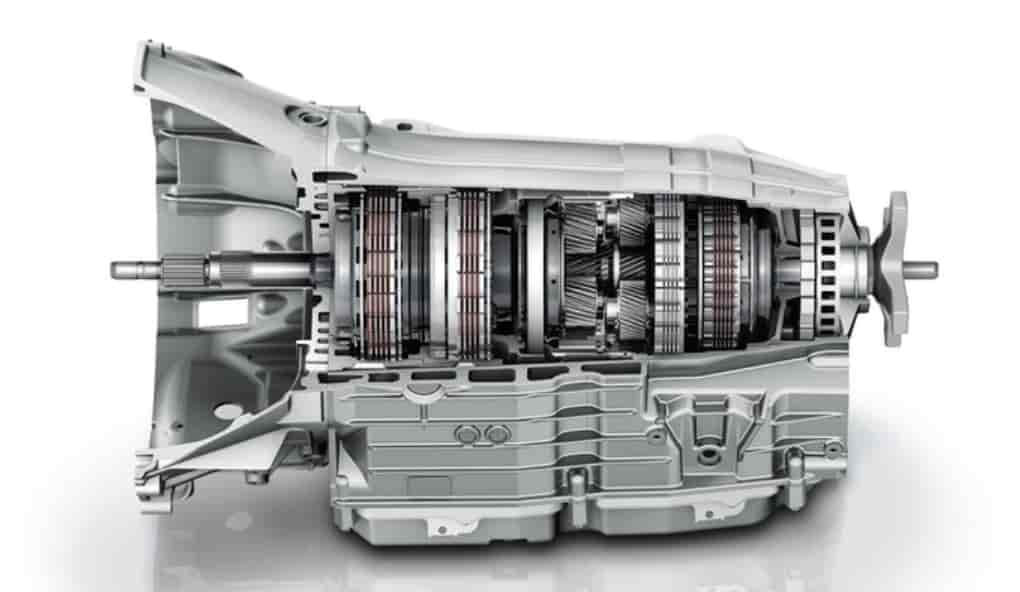
The 10R80 transmission is a 10 speed automatic gearbox developed through a joint effort between Ford and General Motors. Ford uses this transmission in several key models, including the F 150, Mustang, Ranger, and Expedition. It plays a major role in delivering both performance and efficiency.
This transmission uses a wide gear ratio range. It helps the engine stay in the optimal power band more often. As a result, drivers get smoother acceleration and improved fuel economy. The system also adapts to driving behavior over time, which should improve shifting quality.
Ford designed the 10R80 to handle both daily driving and heavy duty tasks. It works well in towing situations and highway cruising. In theory, more gears mean better control and less stress on the engine.
However, this complexity also creates new challenges. More gears require more precise control. The system depends heavily on software, sensors, and hydraulic components. When one part does not work correctly, the entire transmission can behave unpredictably.
Many drivers expect smooth and seamless shifting. Instead, they experience rough transitions, hesitation, or strange behavior at low speeds. These issues often appear early and become worse over time.
Understanding how the 10R80 transmission works helps you identify why these problems happen. In the next section, we will break down the most common 10R80 transmission problems and what causes them.
Common 10R80 Transmission Problems
Many drivers report similar issues when using the 10R80 transmission. These problems often start small but become serious over time. If you understand them early, you can avoid expensive repairs and reduce long term damage.
Harsh Shifting or Jerking
This is the most common complaint. The vehicle jerks when shifting between low gears, especially from first to third. The problem becomes more noticeable in slow traffic or city driving.
Several factors can cause this issue. The transmission control module may use outdated software. The valve body may also fail to regulate fluid pressure correctly. In some cases, adaptive learning creates poor shifting patterns.
Drivers often feel frustrated because the car does not feel smooth or predictable. The issue may seem minor at first, but it can worsen quickly.
You can fix this problem by updating the transmission software. A fluid check or reset of adaptive learning may also help. In more serious cases, the valve body may need replacement.
Gear Slipping
Gear slipping creates a serious safety concern. The engine revs higher, but the vehicle does not accelerate as expected. This issue often appears during acceleration or when climbing hills.
Worn clutch packs usually cause this problem. Low or degraded transmission fluid can also reduce pressure inside the system. As a result, the transmission fails to hold the selected gear.
Drivers often feel a loss of power and control. This situation can become dangerous in traffic or when overtaking.
You should not ignore this issue. A full inspection is necessary. In many cases, the transmission may require a rebuild or internal repair.
Delayed Engagement
Delayed engagement happens when the vehicle takes too long to move after shifting into drive or reverse. You may press the accelerator, but the car responds slowly.
Low fluid pressure is a common cause. Contaminated fluid can also block proper flow inside the system. In some cases, internal seals may wear out and reduce efficiency.
This issue creates discomfort and confusion, especially in parking situations. It can also signal deeper internal damage.
A fluid change often solves the problem in early stages. If the delay continues, the transmission may need further inspection.
Transmission Overheating
Overheating reduces the lifespan of the transmission. Drivers may see warning lights or notice a drop in performance. The vehicle may also enter a protective mode to prevent damage.
Heavy towing, hot weather, or a failing cooling system can cause this issue. Old transmission fluid also loses its ability to regulate temperature.
Many drivers underestimate this problem. Heat slowly damages internal components and leads to costly repairs.
You can prevent overheating by maintaining proper fluid levels and upgrading the cooling system if needed. Regular checks help you catch the issue early.
Sudden Downshifting
This is one of the most alarming problems. The vehicle may suddenly downshift without warning. It can cause a rapid drop in speed and create a dangerous situation on the road.
Software errors often trigger this behavior. Faulty sensors may also send incorrect data to the system. As a result, the transmission reacts in an unexpected way.
Drivers feel a strong jolt and may lose confidence in the vehicle. This issue requires immediate attention.
A software update often resolves the problem. If it continues, technicians should inspect sensors and control modules.
Symptoms of 10R80 Transmission Problems
The symptoms of 10R80 transmission problems often appear gradually, which makes them easy to ignore at first. Many drivers notice small changes in driving behavior but do not take action until the issue becomes serious. One of the most common signs is rough or inconsistent shifting. The vehicle may jerk or feel unstable when changing gears, especially at low speeds or in stop and go traffic. This problem reduces driving comfort and signals that the transmission no longer operates smoothly.
Unusual noises also indicate trouble. You may hear clunking, whining, or grinding sounds during gear changes. A healthy transmission should run quietly, so any strange sound suggests internal wear or mechanical issues. Another warning sign is a burning smell, which often points to overheated or degraded transmission fluid. When fluid loses its effectiveness, it cannot protect or cool the system properly, leading to increased friction and damage.
In many cases, the check engine light turns on without a clear reason. Drivers often overlook this signal, but modern vehicles use sensors to detect transmission faults. Poor fuel efficiency is another symptom. The transmission may fail to select the correct gear, forcing the engine to work harder than necessary. You may also experience delayed or weak acceleration, which affects both performance and safety. Recognizing these 10R80 transmission problems early can help you avoid costly repairs and serious failures.
Proven Fixes for 10R80 Transmission Problems
Fixing 10R80 transmission problems requires the right approach based on the root cause. Many issues start from software, fluid condition, or internal components, so identifying the exact problem is critical before taking action. One of the most effective solutions is updating the transmission control module. Ford has released several software updates that improve shift quality and fix erratic behavior. In many cases, this simple step can significantly reduce harsh shifting and unexpected downshifts.
Another important fix involves checking and replacing the transmission fluid. The 10R80 uses a specific type of fluid that degrades over time. Old or contaminated fluid can cause pressure loss, overheating, and poor shifting performance. Regular fluid changes help restore smooth operation and extend the lifespan of the transmission. If problems persist, the valve body may require inspection. This component controls fluid flow inside the system, and any malfunction can lead to inconsistent shifting or delayed engagement.
For more serious 10R80 transmission problems, internal damage may already exist. Worn clutch packs or damaged seals can cause slipping and loss of power. In these cases, a transmission rebuild becomes necessary. Although this option is expensive, it restores the system to proper working condition. Some drivers choose full replacement when the damage is too severe.
Taking action early is the best strategy. Addressing minor issues before they escalate can save thousands of dollars and prevent unexpected breakdowns.
Repair Cost of 10R80 Transmission Problems
The repair cost of 10R80 transmission problems can vary widely depending on the severity of the issue. Many drivers feel shocked when they first receive a repair estimate, especially if they ignored early warning signs. Small problems often cost much less to fix, but delays can quickly turn a minor repair into a major expense.
For basic fixes, such as a software update or fluid change, the cost usually ranges from 150 to 500 dollars. These solutions often resolve early stage issues like rough shifting or delayed response. However, if the problem involves the valve body, the cost can increase to around 800 to 1500 dollars. This component plays a key role in controlling fluid pressure, so replacement requires both parts and labor.
More serious 10R80 transmission problems lead to higher costs. A full rebuild typically ranges from 2500 to 4500 dollars, depending on the extent of internal damage. If the transmission fails completely, a full replacement may exceed 4000 dollars and sometimes reach even higher. These costs do not include additional expenses such as towing or diagnostic fees.
Many owners regret not acting sooner. Early detection and maintenance can reduce repair costs significantly. Understanding these price ranges helps you plan ahead and avoid unexpected financial stress. Taking action at the right time can make a major difference in both cost and vehicle reliability.
Is the 10R80 Transmission Reliable?
The reliability of the 10R80 transmission remains a common concern among Ford owners. On one hand, this 10 speed transmission delivers strong performance, improved fuel efficiency, and better gear control compared to older designs. It allows the engine to operate more efficiently across different driving conditions, which makes it suitable for both daily driving and heavy duty use.
However, many drivers report recurring 10R80 transmission problems that affect long term reliability. The system relies heavily on software, sensors, and precise hydraulic control. This complexity increases the risk of failure when even a small component does not function correctly. Issues such as harsh shifting, gear slipping, and delayed engagement can appear earlier than expected, especially if maintenance is not consistent.
Real world experience shows mixed results. Some owners drive for years without major issues, while others face repeated repairs within a short period. Driving habits, maintenance frequency, and software updates all play a critical role in how reliable the transmission performs over time.
In general, the 10R80 transmission can be reliable when properly maintained and updated. However, it is less forgiving than simpler transmissions. Ignoring early symptoms often leads to expensive repairs and reduced lifespan. For this reason, drivers should stay proactive, monitor performance closely, and address any unusual behavior as soon as it appears.
How to Prevent 10R80 Transmission Problems
Preventing 10R80 transmission problems is always more effective and less expensive than dealing with major repairs. Many issues develop over time due to poor maintenance or driving habits, so taking proactive steps can significantly extend the life of your transmission. One of the most important actions is changing the transmission fluid at regular intervals. Although some manufacturers suggest longer intervals, many experts recommend replacing the fluid every 30000 to 50000 miles to maintain optimal performance.
Keeping the transmission software up to date also plays a key role. Ford frequently releases updates that improve shift quality and fix known issues. Ignoring these updates can lead to unnecessary problems that could have been avoided. In addition, driving habits have a direct impact on transmission health. Aggressive acceleration, sudden braking, and heavy towing without proper preparation increase stress on internal components.
Regular inspection helps detect early signs of 10R80 transmission problems before they become serious. Checking for leaks, unusual noises, or changes in shifting behavior allows you to take action quickly. Small adjustments at the right time can prevent major damage and reduce repair costs. By following these simple steps, you can improve reliability, maintain smooth performance, and avoid unexpected breakdowns.
Conclusion
10R80 transmission problems are more common than many drivers expect, especially as vehicles age or maintenance is neglected. Issues such as harsh shifting, gear slipping, delayed engagement, and overheating can start as minor inconveniences but quickly develop into serious mechanical failures. Understanding these problems, recognizing the symptoms early, and applying the right fixes can make a significant difference in both performance and cost.
This guide has shown that the 10R80 transmission is not necessarily unreliable, but it does require careful attention. Regular maintenance, timely software updates, and responsible driving habits all contribute to better long term performance. Ignoring early warning signs often leads to higher repair costs and greater risk on the road.
If you are currently experiencing any of these 10R80 transmission problems, now is the time to act. Addressing the issue early can save you thousands of dollars and prevent unexpected breakdowns. Have you noticed any of these symptoms in your vehicle? Share your experience and take the first step toward protecting your transmission today.