If you drive a heavy duty truck with a 10R140 transmission, you expect strong performance and smooth shifting. You rely on it for towing, hauling, and daily work. But what happens when the transmission starts acting up?
Many drivers report common 10R140 transmission problems such as hard shifting, delayed engagement, or sudden power loss. These issues often appear without warning. At first, they may seem minor. Over time, they can turn into serious and expensive repairs.
The biggest concern is cost. A simple fix might cost a few hundred dollars. A major repair can quickly reach several thousand. That is why early detection matters.
In this guide, you will learn the most common 10R140 transmission problems, what causes them, and how to fix them. You will also discover practical ways to prevent future damage. Whether you already notice symptoms or just want to stay ahead, this article will help you protect your truck and avoid costly mistakes.
Contents
What Is the 10R140 Transmission?
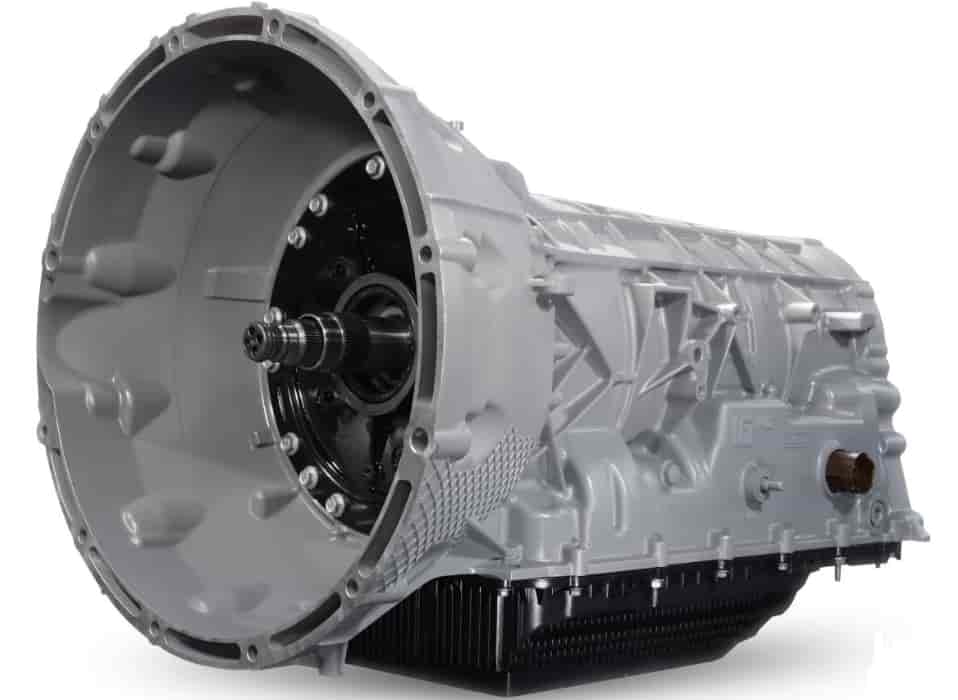
The 10R140 transmission is a heavy duty 10 speed automatic gearbox designed by Ford for its Super Duty trucks. You can find it in models like the F 250, F 350, and F 450. Ford built this transmission to handle extreme workloads, especially towing and hauling under high stress conditions.
Unlike lighter transmissions, the 10R140 focuses on strength and torque management. It works with powerful engines such as the 6.7L Power Stroke diesel. This setup allows the truck to deliver strong pulling power while maintaining efficiency across different driving conditions.
The transmission uses a wide gear ratio spread. This helps improve acceleration at low speeds and fuel efficiency at higher speeds. It also allows smoother transitions between gears when the system works correctly.
However, this level of complexity comes with trade offs. More gears mean more shifting activity. More shifting creates more opportunities for errors, especially when the system faces heavy loads or poor maintenance.
Many 10R140 transmission problems do not come from a single failure point. Instead, they result from a combination of software behavior, mechanical wear, and driving conditions. Understanding how this transmission works will help you identify problems early and avoid expensive repairs later.
Common 10R140 Transmission Problems
Many drivers experience 10R140 transmission problems in different forms, and these issues often start small before becoming serious. One of the most common problems is hard shifting, where the transmission jerks or slams during gear changes. This usually happens at lower speeds or in stop and go traffic, making the driving experience feel rough and uncomfortable. Over time, repeated hard shifts can increase wear on internal components and shorten the lifespan of the transmission.
Another frequent issue is delayed engagement. In this case, the transmission hesitates when you shift into drive or reverse. The delay may only last a few seconds, but it signals underlying pressure or fluid problems. If you ignore this symptom, it can lead to more severe internal damage and higher repair costs.
Transmission slipping is also a serious concern. When this happens, the engine revs increase, but the vehicle does not accelerate as expected. This issue reduces performance and can become dangerous, especially when towing heavy loads. In most cases, slipping points to worn clutch packs or internal wear that requires immediate attention.
Heat also plays a major role in 10R140 transmission problems. Under heavy towing or long uphill drives, the transmission can overheat. High temperatures break down the transmission fluid, which reduces lubrication and increases friction. As a result, internal parts wear faster, and the risk of failure rises significantly.
Some drivers also report rough downshifting when slowing down. The truck may jerk as it drops gears, which affects driving comfort. This issue often relates to software calibration or adaptive learning behavior, although mechanical wear can also contribute.
In addition, torque converter problems can cause shuddering or vibration during acceleration or steady driving. This issue reduces fuel efficiency and affects overall performance. Many drivers first notice it as a subtle vibration, but it can worsen over time if left untreated.
Finally, software related shifting problems have become more common in modern transmissions. The 10R140 relies on advanced control systems, and poor calibration or outdated software can cause inconsistent shifting. In some cases, a simple software update can resolve the issue, but many drivers overlook this solution.
Overall, most 10R140 transmission problems develop gradually. Early symptoms may seem minor, but they often lead to major failures if ignored. Recognizing these issues early can save you thousands of dollars and prevent unexpected breakdowns.
What Causes 10R140 Transmission Problems
Understanding the root causes of 10R140 transmission problems is essential if you want to fix issues effectively and prevent them from coming back. In many cases, the problem does not come from a single failure. Instead, it results from a combination of mechanical stress, fluid condition, software behavior, and driving habits.
One of the most common causes is low or contaminated transmission fluid. The 10R140 relies heavily on clean fluid to maintain pressure, lubrication, and cooling. When the fluid level drops or becomes dirty, the transmission cannot function properly. This leads to hard shifting, slipping, and overheating. Many drivers overlook fluid maintenance, which allows small issues to grow into serious damage.
Software calibration also plays a major role. The 10R140 uses an advanced control module to manage shifting patterns. If the software is outdated or not properly calibrated, the transmission may shift at the wrong time or behave inconsistently. In some cases, drivers experience rough shifting simply because the system has not adapted correctly or needs a reset.
Mechanical wear is another key factor. Over time, internal components such as clutch packs, solenoids, and the valve body begin to wear down. This process happens naturally, but it accelerates under heavy use. When these parts degrade, the transmission loses its ability to shift smoothly and maintain proper gear engagement.
Heavy towing and extreme workloads also contribute to many 10R140 transmission problems. While this transmission is designed for tough conditions, constant stress generates excessive heat. Heat breaks down fluid and increases internal friction, which speeds up wear and raises the risk of failure. Drivers who frequently tow near maximum capacity often experience problems sooner than expected.
Poor maintenance habits further increase the risk. Skipping fluid changes, ignoring early symptoms, or using the wrong type of transmission fluid can all damage the system. Many issues that seem like design flaws actually come from neglect or improper care.
In reality, most 10R140 transmission problems develop from preventable causes. When you understand these factors, you can take control of the situation, reduce long term costs, and extend the life of your transmission.
Symptoms You Should Never Ignore
Recognizing early warning signs is the key to avoiding serious 10R140 transmission problems. Many drivers ignore small changes in performance, but these symptoms often signal deeper issues that can become expensive if left untreated.
One of the first signs is jerking or rough shifting. The truck may feel unstable when changing gears, especially at low speeds. This symptom often appears before more serious damage develops. If you notice consistent rough transitions, the transmission likely struggles with pressure or calibration issues.
Another clear warning sign is delayed response when shifting into drive or reverse. The vehicle may hesitate before moving, even though the engine runs normally. This delay indicates that the transmission cannot engage properly, which often points to fluid or internal component problems.
A burning smell is another symptom you should never ignore. This usually means the transmission fluid has overheated and started to break down. Once the fluid loses its effectiveness, internal parts no longer receive proper lubrication. This quickly increases wear and can lead to failure.
Warning lights on the dashboard also provide important signals. If the transmission or check engine light appears, the system has already detected a problem. Many drivers continue driving despite these warnings, which often turns a minor issue into a major repair.
Loss of power during acceleration is another serious symptom. The engine may rev higher than usual, but the truck does not respond accordingly. This often relates to slipping or torque converter issues, both of which require immediate attention.
Unusual noises such as whining, clunking, or grinding should also raise concern. These sounds often indicate internal wear or failing components. Ignoring them can result in severe damage that requires a full rebuild.
Most 10R140 transmission problems give warning signs before complete failure. If you act early, you can fix the issue at a lower cost and avoid unexpected breakdowns. Waiting too long almost always leads to more expensive repairs.
How to Fix 10R140 Transmission Problems
Fixing 10R140 transmission problems depends on the severity of the issue and how early you detect it. In many cases, you can resolve minor problems quickly if you take action at the right time. However, if you ignore early symptoms, the repair process becomes more complex and expensive.
One of the simplest and most effective solutions is changing or flushing the transmission fluid. Clean fluid restores proper lubrication, improves pressure, and helps the system operate smoothly. If the fluid looks dark or smells burnt, you should replace it immediately. This basic maintenance step can often eliminate hard shifting and minor slipping issues.
Another common fix involves updating or resetting the transmission control module. Since the 10R140 relies heavily on software, incorrect calibration can cause rough or delayed shifting. A software update or adaptive relearn process can restore normal behavior. Many drivers overlook this step, even though it can solve problems without mechanical repairs.
If the issue continues, you may need to replace specific components such as solenoids. These parts control fluid flow inside the transmission. When they fail, the system cannot shift correctly. Replacing faulty solenoids often resolves shifting inconsistencies and improves overall performance.
In more serious cases, the torque converter may require repair or replacement. A failing torque converter causes shuddering, slipping, and poor power transfer. Addressing this issue early can prevent further damage to the transmission.
When internal wear becomes severe, a full rebuild may be necessary. This process involves replacing worn components such as clutch packs and seals. Although it costs more, it restores the transmission to proper working condition.
Choosing the right solution depends on accurate diagnosis. If you address 10R140 transmission problems early, you can often avoid major repairs. Taking action at the right time not only saves money but also extends the life of your transmission.
Repair Costs Breakdown
Repair costs are one of the biggest concerns when dealing with 10R140 transmission problems. Many drivers underestimate how quickly a small issue can turn into a major expense. Understanding the cost range helps you make better decisions and avoid unnecessary damage.
In the early stage, costs remain relatively low. A basic transmission fluid change or flush usually ranges from 150 to 400 dollars. This service can resolve minor issues such as rough shifting or delayed engagement if you act early. It is also one of the most effective ways to prevent long term damage.
When the problem becomes more noticeable, repair costs increase. Replacing components like solenoids or fixing minor internal issues typically costs between 500 and 1500 dollars. At this stage, the transmission still functions, but it shows clear signs of wear or malfunction.
More serious problems require deeper repairs. If internal parts such as clutch packs or the valve body start to fail, the cost can rise to 2000 to 4000 dollars. These repairs involve more labor and specialized work, which drives up the total expense.
In worst case scenarios, a full rebuild or complete replacement becomes necessary. This is where costs can reach between 4000 and 8000 dollars, depending on the extent of the damage and labor rates. Many drivers only realize the severity of the issue at this point, when the transmission has already failed.
The key takeaway is simple. The earlier you fix 10R140 transmission problems, the more money you save. Delaying repairs almost always leads to higher costs and more complex issues. Taking action early not only protects your vehicle but also prevents financial stress in the long run.
How to Prevent 10R140 Transmission Problems
Preventing 10R140 transmission problems is always easier and cheaper than fixing them. With the right habits and maintenance routine, you can significantly extend the life of your transmission and avoid costly repairs.
Regular transmission fluid maintenance plays the most important role. You should check the fluid condition and level periodically, especially if you tow heavy loads. Clean fluid keeps the system lubricated, maintains proper pressure, and prevents overheating. Replacing the fluid at the recommended intervals helps reduce wear and keeps shifting smooth.
Driving habits also have a direct impact on transmission health. Avoid aggressive acceleration and sudden braking whenever possible. Smooth driving reduces stress on internal components and allows the system to operate efficiently. When towing, try to stay within the recommended load limits instead of constantly pushing the truck to its maximum capacity.
Managing heat is another critical factor. Excessive heat is one of the main causes of 10R140 transmission problems. If you often drive in demanding conditions, consider monitoring transmission temperature and taking breaks during long hauls. Reducing heat buildup protects internal parts and extends fluid life.
Keeping the software up to date is equally important. The 10R140 relies on advanced control systems to manage shifting. Updating the transmission control module ensures better performance and prevents erratic behavior caused by outdated calibration.
Finally, never ignore early warning signs. Small issues such as slight delays or minor jerks often indicate underlying problems. Addressing them early can prevent serious damage and save you thousands of dollars.
By following these simple steps, you can reduce the risk of 10R140 transmission problems and keep your truck running smoothly for years.
Conclusion
10R140 transmission problems can affect even the most powerful trucks if you overlook early warning signs or skip proper maintenance. While this transmission is built for heavy duty performance, it still requires attention and care to operate at its best.
Throughout this guide, you have seen the most common 10R140 transmission problems, their root causes, and the best ways to fix them. From hard shifting and slipping to overheating and software related issues, each problem follows a pattern. Most of them start small and become more serious over time.
The good news is that you can control many of these risks. Regular fluid maintenance, proper driving habits, and early diagnosis can make a huge difference. Taking action early not only improves performance but also saves you from repair costs that can reach thousands of dollars.
If you currently notice any symptoms, do not ignore them. A quick inspection today can prevent a major repair tomorrow. If your transmission still runs smoothly, this is the right time to maintain it and keep it that way.
Have you experienced any 10R140 transmission problems with your truck? Share your experience or questions in the comments. Your insight could help others avoid the same costly mistakes.