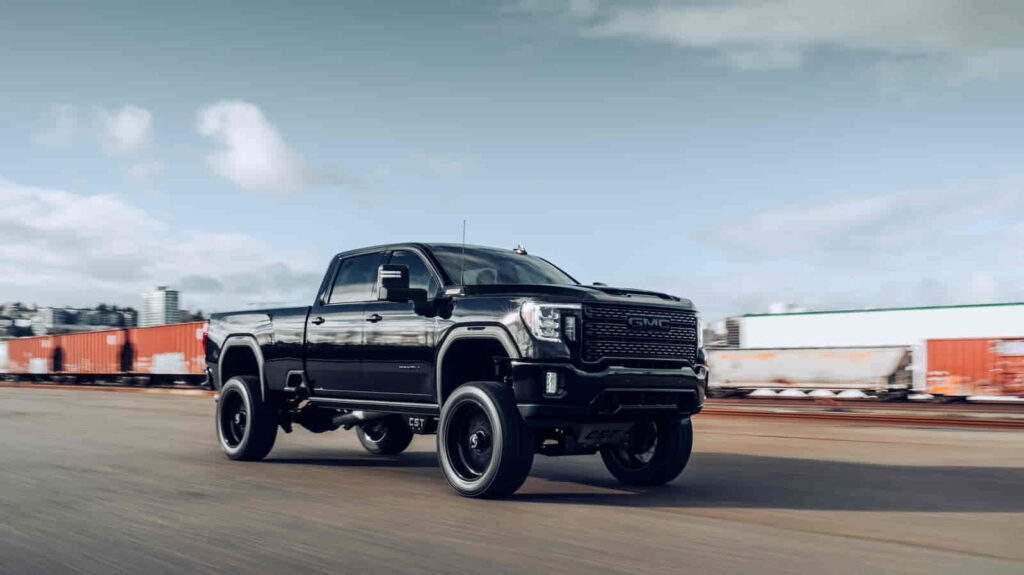
Knowing what year Duramax to avoid is important when shopping for a used Chevrolet Silverado HD or GMC Sierra HD with a 6.6L Duramax diesel engine. Although Duramax engines have a strong reputation in the heavy-duty truck market, different generations have distinct mechanical designs, fuel systems, and emissions equipment that affect their maintenance requirements and potential repair costs. Some model years deserve closer inspection because of documented issues involving fuel injectors, engine cooling, high-pressure fuel pumps, or diesel emissions systems. However, a model year associated with a known problem does not automatically make every truck from that year unreliable.
The most effective way to evaluate Duramax reliability is to identify the engine generation and confirm the condition of the individual vehicle. The LB7, LLY, LBZ, LMM, LML, and L5P engines have different characteristics, so a problem associated with one generation should not be applied indiscriminately to the others. Maintenance records, previous repairs, operating conditions, and diagnostic results can also make a substantial difference when comparing two trucks from the same model year.
This guide examines which Duramax years deserve extra caution, why certain generations have developed specific problems, and how those issues can affect ownership costs. It also explains what to inspect before buying a used Duramax truck so you can make a decision based on verified mechanical evidence rather than model-year reputation alone.
What Year Duramax Should You Avoid?
The 2001–2004 Chevrolet Silverado HD and GMC Sierra HD with the LB7 Duramax deserve particular attention when evaluating used trucks because the LB7 is known for fuel injector problems. The injectors sit beneath the valve covers, making replacement labor-intensive compared with many more accessible injector designs. A truck with a documented injector replacement may be a better purchase than one with no repair history, but the quality of the work and the parts installed still matter. Buyers should request repair invoices and verify whether the injector issue has already been addressed.
The 2004.5–2005 LLY Duramax also warrants careful inspection, particularly for trucks that have experienced overheating under heavy loads. Cooling-system performance and engine operating temperatures are important when evaluating these early LLY models. Driving conditions, maintenance, and any previous modifications can influence the risk, so buyers should not assume every LLY-equipped truck has the same problem. A pre-purchase inspection should include a review of cooling-system condition and a road test under appropriate operating conditions.
The 2011–2016 LML Duramax deserves extra scrutiny because its high-pressure fuel system uses a Bosch CP4 injection pump. If the pump suffers a catastrophic failure, metal debris can contaminate other fuel-system components, potentially turning a pump repair into a much more expensive job. Not every LML will experience this failure, and vehicle condition matters, but buyers should review fuel-system repair records and have the system assessed by a qualified diesel technician before purchasing.
These model years are best treated as inspection priorities rather than automatic exclusions. An older truck with complete maintenance records and documented repairs may offer better ownership prospects than a newer truck that has been neglected, heavily modified, or used under severe conditions. Mileage, service history, diagnostic results, and evidence of completed repairs should guide the final decision.
Read more: Chevy 3.6 Engine Problems
Why Are Some Duramax Model Years More Problematic Than Others?
Some Duramax model years develop a stronger reputation for mechanical problems because of differences in engine design, fuel-system components, emissions equipment, and cooling-system performance. Each Duramax generation introduced specific engineering changes, and those changes affected the types of repairs owners might face. For example, the LB7 is associated with injector replacement concerns, while the LML uses a CP4 high-pressure fuel pump that can create extensive fuel-system damage if it fails. These are distinct failure mechanisms, so buyers should evaluate each engine generation according to its own known weaknesses rather than treating all 6.6L Duramax engines as mechanically identical.
Fuel-system design is one important factor in long-term reliability. Diesel injectors operate under high pressure and require clean fuel, while high-pressure injection pumps depend on suitable fuel quality and proper system operation. When a component fails, the cost depends on whether the problem remains isolated or spreads to other parts. An injector repair may involve substantial labor because of component accessibility, whereas a CP4 failure can require cleaning or replacing multiple contaminated fuel-system components. Reviewing service invoices can help buyers determine whether previous owners addressed these issues and whether related repairs were completed.
Emissions equipment is another source of differences between Duramax generations. Later engines use systems such as diesel particulate filters (DPFs), exhaust gas recirculation (EGR), and, on applicable models, selective catalytic reduction (SCR) with diesel exhaust fluid (DEF). These systems reduce emissions, but they also introduce additional components that require maintenance and can trigger warning lights or reduced-power operation when faults occur. The exact equipment depends on the model year and emissions configuration, so a buyer should confirm the truck’s specifications and inspect its diagnostic codes instead of assuming every Duramax has the same emissions system.
Finally, vehicle history can matter as much as the engine generation. Frequent towing, extended idling, poor maintenance, unsuitable modifications, and delayed repairs can increase the likelihood of expensive problems. Two trucks from the same model year may therefore have very different reliability prospects. A documented maintenance history, evidence of correct repairs, and a professional inspection provide a more useful basis for a buying decision than model-year reputation alone.
Which Duramax Engine Generations Have Known Problems?
The LB7, LLY, LBZ, LMM, LML, and L5P Duramax engines have different reliability considerations because each generation uses distinct components and engineering designs. The LB7, introduced for the 2001 model year, is particularly associated with injector failures. Because its injectors are located beneath the valve covers, replacement requires substantial labor. When evaluating an LB7 truck, buyers should check for hard starting, rough idle, excessive smoke, fuel in the engine oil, and documentation of previous injector repairs. These symptoms do not prove injector failure by themselves, but they justify further diagnosis before purchase.
The LLY, introduced during the 2004 model year, is known for cooling-related concerns under demanding operating conditions, particularly in some early applications. Trucks used for towing heavy loads or climbing long grades should be evaluated for abnormal engine temperatures and cooling-system performance. The LBZ, available from 2006 through 2007 in the North American market, is frequently sought by used-truck buyers because of its reputation and relatively straightforward emissions configuration compared with later generations. However, age, accumulated mileage, maintenance quality, and previous modifications can still create substantial repair risks. Neither the LLY nor the LBZ should be judged solely by its generation label.
The LMM, generally found in 2007.5–2010 trucks, introduced a diesel particulate filter as part of its emissions system. Buyers should inspect the DPF and related exhaust components, check for emissions-system fault codes, and determine whether the truck has experienced repeated regeneration problems. Short trips and certain operating patterns can interfere with normal DPF regeneration, while neglected faults may lead to reduced performance and additional repair costs. A truck that has been properly maintained and operated under suitable conditions may avoid these issues, so inspection results and service records remain essential.
The LML, used from 2011 through 2016, deserves attention because of its CP4 high-pressure fuel pump and associated fuel-system failure risk. A pump failure can spread metal debris through the fuel system, potentially requiring repairs beyond the pump itself. The L5P, introduced for the 2017 model year, uses a different fuel-system design and should not automatically be assigned the same CP4-related risk as the LML. Nevertheless, newer technology does not eliminate the need to inspect emissions components, electronic controls, maintenance records, and evidence of previous repairs. Across all six generations, identifying the engine correctly is the first step toward assessing its specific risks.
What Duramax Problems Can Lead to Expensive Repairs?
Fuel-system failures can lead to some of the most expensive Duramax repairs because diesel injection components operate at very high pressures and depend on clean fuel. On the LB7, injector replacement can involve substantial labor because the injectors sit beneath the valve covers. On the LML, a failed CP4 high-pressure fuel pump can distribute metal debris throughout the fuel system, potentially damaging injectors and other components. The repair cost depends on the extent of the damage, the parts required, and the labor involved. Buyers should look for fuel-system repair invoices, ask whether related components were inspected, and arrange a professional assessment if the truck shows signs of poor starting, rough running, or unexplained fuel-pressure faults.
Cooling-system problems can also become expensive if abnormal engine temperatures are ignored. Some early LLY trucks have a history of cooling concerns under heavy towing or demanding driving conditions. A truck that struggles to maintain normal operating temperatures under load deserves further investigation before purchase. Possible contributing factors include cooling-system condition, airflow restrictions, and previous modifications, but the actual cause must be diagnosed rather than assumed. A technician can inspect the cooling system, evaluate engine-temperature data, and check for evidence of previous overheating or related engine damage.
Diesel emissions-system faults are another potential source of repair expenses, especially on Duramax generations equipped with a DPF, EGR, and SCR/DEF system. A clogged or malfunctioning DPF, an EGR fault, or a problem with the DEF delivery system can trigger warning lights, reduced-power operation, or failed emissions tests where applicable. The underlying cause may be a failed sensor, a damaged component, or an operating pattern that prevents normal regeneration. Before buying a truck with an emissions warning, obtain the diagnostic trouble codes and repair estimate. Replacing components without identifying the original cause can lead to unnecessary expense.
Electronic and maintenance-related problems also deserve attention. Faulty sensors, wiring damage, neglected fluids, and poorly executed aftermarket modifications can create symptoms that resemble major engine failures. For example, a warning light alone does not establish that an injector, turbocharger, or emissions component has failed; the stored diagnostic codes and test results must support that conclusion. Reviewing maintenance records, checking for active and historical trouble codes, and having a diesel specialist inspect the truck can help distinguish a manageable repair from a serious mechanical problem. The most reliable buying decision comes from understanding the confirmed fault and its total repair implications, not simply counting warning lights or relying on the truck’s model year.
How Can You Identify a Problematic Duramax Before Buying?
The best way to identify a problematic Duramax before buying is to combine maintenance-record verification, a cold-start inspection, diagnostic scanning, and a professional mechanical assessment. Start by confirming the truck’s model year and engine generation because the LB7, LLY, LBZ, LMM, LML, and L5P have different potential failure points. Ask the seller for maintenance records, major repair invoices, and information about towing use or aftermarket modifications. Records showing completed injector repairs, fuel-system work, or emissions-system maintenance can help establish the truck’s history. Missing records do not automatically mean the engine is unreliable, but they increase the importance of independent inspection.
A cold start can reveal symptoms that may be less noticeable after the engine warms up. If possible, arrange to see the truck before it has been started that day. Observe how readily the engine starts, whether the idle is smooth, and whether there are unusual noises, excessive smoke, or warning lights. Check for visible fluid leaks and signs of poor maintenance. These observations are preliminary clues rather than definitive diagnoses: cold-start behavior can be affected by temperature, battery condition, fuel-system performance, and other factors. Any persistent symptom should be evaluated by a qualified diesel technician before you commit to the purchase.
A diagnostic scan and road test provide additional evidence about the truck’s condition. A technician can retrieve active and stored trouble codes, review relevant engine data, and investigate faults involving fuel pressure, emissions equipment, sensors, or engine temperature. During an appropriate road test, pay attention to abnormal temperature changes, hesitation, reduced power, transmission behavior, and warning messages. For an LML, ask the technician to assess the condition and history of the high-pressure fuel system; for an LMM or another emissions-equipped generation, have the applicable DPF and emissions controls checked. A scan with no active codes is useful, but it does not guarantee that every component is healthy.
Before finalizing the purchase, obtain an independent pre-purchase inspection from a shop experienced with Duramax diesel engines. Ask for written findings that separate confirmed defects from potential concerns and include estimated repair costs where possible. Compare those findings with the asking price and the truck’s service history. If the seller refuses a reasonable inspection, cannot explain significant repair history, or pressures you to ignore unresolved warning signs, consider walking away. A thorough inspection cannot eliminate every future repair risk, but it can help you avoid buying a truck with expensive problems that could have been identified beforehand.
Which Duramax Years Are Worth Considering Instead?
The 2006–2007 LBZ Duramax is a strong candidate for buyers who want a used diesel truck with a well-regarded engine generation and a comparatively straightforward emissions configuration. The LBZ is often sought after because it combines strong towing capability with a reputation for durability. However, age and previous use remain important considerations. A truck that has accumulated high mileage, received aggressive engine tuning, or spent years towing heavy loads without proper maintenance may require more work than a carefully maintained example from a generation with a less concerning reputation. Before buying an LBZ, verify its service history, inspect the transmission and cooling system, and check for signs of modifications or excessive wear.
The 2017-and-newer L5P Duramax is another option worth considering for buyers who prefer a newer truck. Introduced for the 2017 model year, the L5P uses a different fuel-system design from the LML, so buyers should not automatically apply the LML’s CP4-related failure concern to the L5P. Newer trucks may also offer updated powertrain technology and more modern equipment, but their purchase prices and repair costs can be higher. Buyers should still review emissions-system condition, diagnostic codes, maintenance records, and any evidence of aftermarket tuning. A newer model year does not guarantee that a particular truck has been maintained correctly.
The 2007.5–2010 LMM and 2011–2016 LML may also be worth considering when their condition and repair history are well documented. The LMM requires careful evaluation of its diesel particulate filter and related emissions equipment, while the LML deserves additional attention to its high-pressure fuel system. Evidence of completed repairs, consistent maintenance, and a clean professional inspection can make a specific truck a reasonable purchase despite its generation’s known concerns. Conversely, unresolved warning lights or incomplete repair records should prompt further investigation.
Ultimately, the best Duramax to buy is not determined by model year alone. Compare the purchase price, mileage, maintenance documentation, confirmed mechanical condition, and expected repair needs. An independent inspection can help establish whether the truck’s condition justifies its asking price. Buyers who prioritize documented maintenance and a verified mechanical condition are better positioned to choose a suitable truck than those who select one based only on online reliability rankings.
Is a Duramax With a Known Problem Still Worth Buying?
A Duramax truck with a known engine-generation problem can still be worth buying if its condition has been verified, the relevant repair has been completed correctly, and the purchase price reflects any remaining risks. A model year associated with injector or fuel-pump failures does not mean every truck from that year will experience the same problem. For example, an LB7 with documented injector replacement may be a more sensible purchase than one with an uncertain repair history, provided the replacement work was performed correctly and the rest of the truck passes inspection. Buyers should evaluate actual maintenance records and mechanical evidence instead of rejecting a truck solely because of its engine generation.
The key question is whether the known problem has been repaired or remains an unresolved liability. On an LML, for example, a history of CP4 high-pressure fuel-pump failure requires careful review of the repair scope because contamination may affect other fuel-system components. A repair invoice should identify the work performed and the parts replaced, while an independent diesel technician can assess whether further problems are evident. Similarly, a truck with DPF or EGR faults should not be considered fully evaluated until the underlying cause and estimated repair cost are understood. A seller’s verbal assurance is less useful than verifiable documentation.
Purchase price and intended use should also influence the decision. A truck bought for frequent towing needs a dependable cooling system, a healthy transmission, and a fuel system appropriate for sustained heavy loads. A truck intended for occasional personal use may have different operating requirements, but it still needs to meet the buyer’s reliability and maintenance expectations. Compare the asking price with similar trucks, then account for confirmed repairs, deferred maintenance, and any specialist work recommended during inspection. If the likely repair costs eliminate the financial advantage of buying that particular vehicle, choosing another truck may be the better decision.
A Duramax with a known weakness is worth considering when the risk is understood, the evidence supports the seller’s claims, and the total cost fits the buyer’s budget. Walk away if significant symptoms remain unexplained, critical service records are unavailable, or the seller refuses an independent inspection. The goal is not to find a truck with a perfect model-year reputation; it is to find one whose condition, history, and price make sense for the intended use.