Many Volvo drivers want to solve a simple but annoying problem. The start stop system in Volvo Volvo shuts off the engine every time the car stops. This feature helps reduce fuel use and emissions. However, many drivers feel uncomfortable with how it works in daily traffic.
City driving makes the issue worse. The engine turns off and on again and again. This can feel rough, especially in heavy traffic or short stop situations. Because of this, many owners start searching for how to Volvo turn off start stop permanently without affecting engine performance.
At first, the solution looks simple. Most drivers expect a button or a setting that can disable it once and keep it off. But the system does not work that way. Volvo designs the start stop function as part of the engine control system. It connects directly to the ECU and the battery management system.
This integration creates a challenge. The system does more than save fuel. It also supports emissions control and engine efficiency rules. Because of that, Volvo limits full permanent deactivation through normal settings.
Drivers then face a clear conflict. They want smoother driving without interruptions. At the same time, they want to keep engine performance stable and avoid system risks. Understanding this balance is important before looking for any solution.
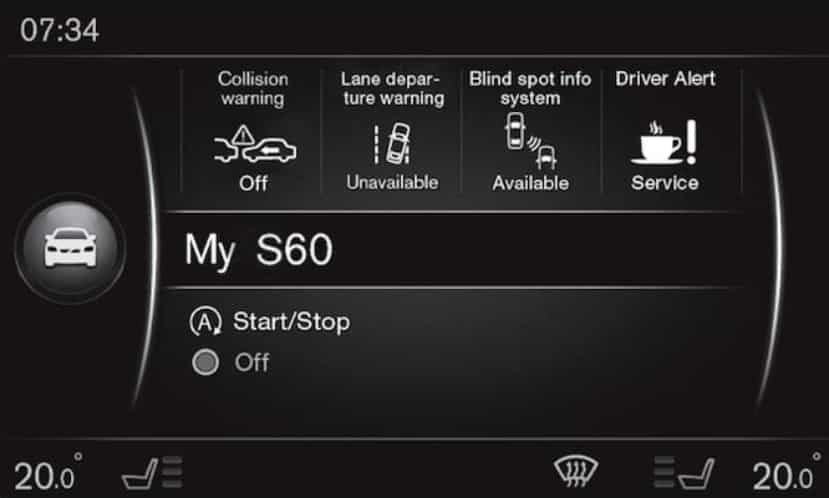
What Is the Volvo Start Stop System?
The start stop system in Volvo Volvo cars is an automatic engine control feature. It shuts down the engine when the car stops and restarts it when the driver presses the accelerator. Volvo designs this system to reduce fuel consumption and lower emissions in everyday driving.
This system works through several connected components. The Engine Control Unit manages the logic of when to stop and restart the engine. The Battery Management System checks whether the battery has enough power to handle repeated engine restarts. If the battery level is too low, the system may stop working temporarily to protect the vehicle.
The start stop system also depends on real driving conditions. It does not activate in every situation. For example, it may stay off when the engine is cold, when air conditioning demand is high, or when the steering wheel is turned sharply. These conditions help protect engine performance and driving comfort.
Volvo integrates this system deeply into the vehicle software. It is not a separate feature that the driver can fully isolate. Instead, it works as part of the fuel efficiency and emissions strategy built into modern Volvo engines. This is why the system behaves differently depending on driving style, traffic conditions, and vehicle health.
Many drivers misunderstand this system. They think it is only a comfort feature that can be easily turned on or off. In reality, it is a coordinated mechanism that balances fuel savings, emissions compliance, and engine protection. This is also the reason why attempts to fully disable it can be limited by factory settings.
Why You Cannot Turn Off Start Stop Permanently in Volvo
Many drivers assume the start stop system in Volvo Volvo can be fully disabled through software or a hidden setting. In reality, the system does not allow permanent deactivation through normal user controls. Volvo designs this limitation on purpose to meet technical and regulatory requirements.
One key reason comes from the Engine Control Unit. The ECU manages engine behavior at a system level, not just at a convenience level. It controls emissions output, fuel efficiency, and engine protection. Because the start stop system is part of this logic, the ECU automatically reactivates it every time the vehicle starts.
Another important factor is emissions regulation. Modern vehicles must meet strict environmental standards. The start stop system helps reduce idle emissions, especially in city driving. If the system stays off permanently, the vehicle may no longer meet certification targets in some regions.
Volvo also integrates the system with the battery and charging architecture. The Battery Management System monitors voltage, load, and recovery cycles. If drivers disable start stop permanently, it can disrupt the expected energy balance that the system relies on.
In addition, Volvo uses software restrictions to prevent long term deactivation through simple settings. Even if drivers change driving modes or preferences, the system resets after restart. This ensures consistent compliance and predictable engine behavior.
Because of these combined factors, there is no official option to permanently turn off start stop in most Volvo models. Any solution that attempts to bypass these controls usually involves external coding or modifications, which may introduce risks to engine stability and warranty coverage.
Methods People Use to Disable Start Stop
Although Volvo Volvo does not offer a permanent factory option, drivers still try several practical methods to reduce or disable the start stop system in real use. These methods vary in effectiveness and usually do not provide a true permanent solution.
One of the most common approaches is using the manual disable button. Most Volvo models include a start stop off button near the center console. Drivers can press it after each engine start. This method works immediately, but it resets every time the car restarts. It only provides temporary control during a single drive.
Another method involves adjusting driving modes. Some Volvo models allow Eco, Comfort, or Individual modes. In certain configurations, Eco mode may trigger start stop more frequently, while other modes can reduce its activation. However, this does not fully disable the system. It only changes how often it activates based on driving behavior and system logic.
Some drivers also experiment with battery-related behavior. The start stop system depends heavily on the Battery Management System and battery health. If the system detects low battery charge or unstable voltage, it may temporarily stop activating start stop. However, this is not a reliable or recommended method, because it can affect overall electrical performance.
More advanced users consider dealer coding or software adjustments. Some workshops offer ECU programming or software tweaks that claim to reduce start stop activity. These changes depend on model year and region. In most cases, they do not fully remove the system because the ECU still controls core engine logic. In addition, modifying software can introduce warranty risks and system instability.
A small group of users also report using external modules that simulate button presses or modify signal behavior. These tools attempt to override the default system response. However, their effectiveness varies widely and they may not be compatible with newer Volvo models due to updated software protection.
Overall, these methods only reduce or temporarily disable start stop behavior. None of them provide a fully permanent and risk-free solution within factory limitations.
Risks of Disabling Start Stop System
Trying to disable the start stop system in Volvo Volvo vehicles may seem harmless at first, but it can create several technical and operational risks. These risks usually appear when drivers go beyond normal settings and try software changes or external modifications.
One of the main risks involves the Battery Management System. The start stop system depends on precise battery monitoring to control engine restarts. If the system is forced off or disrupted, the battery may experience uneven charging cycles. Over time, this can reduce battery efficiency and shorten its lifespan.
Another potential issue is related to the Engine Control Unit. The ECU coordinates engine behavior, fuel delivery, and emissions control. When the start stop logic is altered, the ECU may detect inconsistent signals. This can trigger warning messages or error codes on the dashboard, especially in newer Volvo models with advanced diagnostics.
Fuel efficiency is also affected. The start stop system is designed to reduce fuel consumption during idle periods. When it is disabled, the engine continues running in situations where it would normally shut off. This leads to higher fuel usage, especially in heavy traffic conditions.
Warranty coverage is another important concern. Volvo provides software and system protection under its factory warranty. Any unauthorized coding, module installation, or ECU modification can potentially void parts of the warranty. This becomes a serious issue if engine or electrical problems occur later.
In addition, long term system stability may be impacted. Modern Volvo vehicles rely on tightly integrated software systems. Changes in one area can affect other connected functions, including emissions control, climate system behavior, and energy recovery logic.
Because of these risks, most experts recommend avoiding permanent modifications. While temporary adjustments may improve comfort, they often come with trade offs that affect reliability, efficiency, and long term vehicle health.
Does Turning Off Start Stop Affect Engine Performance?
Many Volvo Volvo owners worry that turning off the start stop system may damage the engine or reduce performance. In most cases, this concern is not fully accurate. The system does not directly control core engine power or mechanical output.
The engine itself continues to operate normally whether the start stop function is active or not. Acceleration, horsepower, and torque remain unchanged because these are controlled by the engine design and the Engine Control Unit. The start stop system only manages engine shutdown during idle situations, not performance during driving.
However, turning off the system can still create indirect effects. The most noticeable change is fuel consumption. When start stop is disabled, the engine keeps running during stops. This increases fuel usage in city traffic or congested driving conditions where idle time is frequent.
There is also a small impact on emissions efficiency. The system is designed to reduce idle emissions, especially in urban environments. Without it, the vehicle may produce slightly higher emissions during stop and go driving.
From a mechanical perspective, some drivers believe that frequent restarting may stress the engine. In reality, Volvo designs modern engines and starter components to handle repeated cycles. The system is built with reinforced starters and optimized battery support, so normal operation does not harm engine durability.
Overall, disabling start stop does not improve engine performance, nor does it significantly damage it under normal conditions. The main difference lies in efficiency and emissions behavior, not in power delivery or engine strength. This is why Volvo integrates the system as part of a broader efficiency strategy rather than a performance control feature.
Safer Alternatives to Improve Driving Experience
Instead of trying to permanently disable the start stop system in Volvo Volvo vehicles, many drivers can improve comfort by adjusting driving habits and using built in system options. These alternatives reduce frustration while keeping the vehicle stable and fully supported by factory settings.
One simple approach is to use driving modes more effectively. Many Volvo models offer Eco, Comfort, or Individual modes. While these modes do not fully turn off start stop, they influence how often the system activates. In some cases, switching away from Eco mode can reduce frequent engine shutdowns in slow traffic.
Another practical method is adapting driving style. Smooth acceleration and maintaining consistent speed can reduce unnecessary stops. In heavy traffic, keeping a steady gap instead of frequent braking can slightly reduce start stop activation. This helps create a more natural driving flow without needing system changes.
Battery condition also plays an important role. The start stop system relies on the Battery Management System to decide when activation is safe. A healthy battery with stable voltage helps the system behave more predictably. Regular maintenance and timely battery replacement can improve overall driving comfort.
Software updates from Volvo can also improve system behavior. In many cases, updates refine how the start stop logic responds to traffic and engine conditions. These updates are designed to balance fuel efficiency with smoother operation.
For drivers who still find the system distracting, using the manual disable button at the start of each trip remains the safest option. While it is temporary, it does not affect vehicle systems or warranty coverage.
These alternatives may not eliminate the system completely, but they provide a safer and more balanced driving experience without risking engine performance or system reliability.
Best Practices for Volvo Owners
Volvo Volvo owners can improve long term vehicle performance by focusing on proper system use instead of trying to force permanent changes to the start stop system. This approach keeps the vehicle stable and avoids unnecessary technical risks.
One important practice is maintaining a healthy battery. The start stop system depends heavily on the Battery Management System to decide when engine shutdown is safe. Regular battery checks help prevent unstable behavior and improve system consistency during daily driving.
Another key habit is following scheduled maintenance. Volvo designs its engines and software as an integrated system. Routine servicing ensures the Engine Control Unit and related components work correctly. This helps avoid unexpected system behavior and keeps fuel efficiency at the intended level.
It is also useful to understand how the system operates in real conditions. The start stop feature does not activate randomly. It responds to engine temperature, battery level, air conditioning demand, and driving conditions. When drivers understand these factors, they often find the system less disruptive.
Keeping software up to date is another best practice. Volvo frequently releases updates that refine engine control logic and improve overall driving smoothness. These updates can improve how the start stop system behaves without requiring manual changes.
Finally, drivers should avoid unauthorized modifications. External coding tools or ECU changes may seem attractive, but they can introduce instability and reduce long term reliability. Staying within factory settings ensures the vehicle continues to operate as designed.
Conclusion
The start stop system in Volvo Volvo vehicles is designed as part of a larger fuel efficiency and emissions control strategy. It is not a simple feature that can be fully turned off through standard settings. Instead, it connects directly to the Engine Control Unit and the Battery Management System, which makes permanent deactivation difficult under factory conditions.
Many drivers search for how to Volvo turn off start stop permanently without affecting engine performance. However, most available methods only provide temporary control or partial reduction of system activity. These options may improve comfort in certain driving situations, but they do not remove the system completely.
It is also important to understand the trade offs. Disabling or modifying the system can affect fuel consumption, battery behavior, and long term system stability. In some cases, it may also impact warranty coverage. Because of this, Volvo designs the system to reset automatically and maintain consistent operation.
The safer approach is to work with the system rather than against it. Using driving modes, maintaining battery health, and keeping software updated can improve driving comfort without introducing risk. These methods allow drivers to achieve a better balance between convenience and vehicle efficiency.
Ultimately, understanding how the system works gives drivers more control over their experience than trying to force permanent changes. A well maintained Volvo performs best when its integrated systems operate as designed, delivering both efficiency and reliability over time.