Choosing between Valvoline and Pennzoil is not simply about brand recognition. Both brands produce high-quality engine oil, but each focuses on different performance strengths. Valvoline is known for strong wear protection and high-mileage formulas. Pennzoil stands out for its advanced synthetic technology and excellent engine cleaning performance. Understanding these differences helps you choose the right oil for your vehicle.
Engine oil does much more than lubricate moving parts. It reduces friction, controls engine deposits, protects internal components, and maintains stable viscosity under different temperatures. A quality oil also improves engine durability and supports longer service intervals. Even when two products share the same viscosity grade and industry certifications, their base oils and additive packages can deliver different results on the road.
This comparison explains how Valvoline and Pennzoil perform in the areas that matter most. It examines engine protection, sludge prevention, synthetic oil technology, high-mileage performance, oil life, pricing, and overall value. Each section answers a specific question that drivers often ask before buying motor oil. By the end of this guide, you will know which brand better matches your vehicle, driving conditions, and maintenance goals.
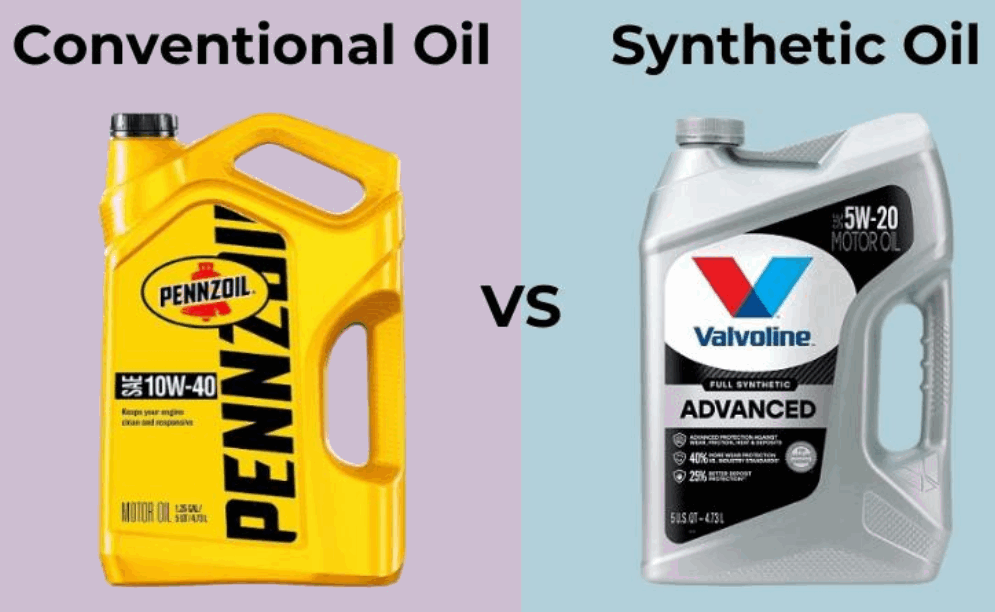
What Are the Main Differences Between Valvoline and Pennzoil?
Valvoline and Pennzoil both produce premium engine oils, but they focus on different performance priorities. Valvoline emphasizes engine protection and durability, while Pennzoil prioritizes engine cleanliness and synthetic oil performance. This difference influences how each brand develops its products and the types of drivers they serve.
Valvoline has more than 150 years of experience in the lubricant industry and has built a strong reputation for protecting engines under demanding conditions. Its product lineup includes conventional, synthetic blend, full synthetic, and high-mileage oils that target daily drivers, older vehicles, and performance engines. Many drivers choose Valvoline because its formulations deliver excellent wear protection during cold starts, heavy traffic, and extended highway driving.
Pennzoil approaches engine lubrication from a different angle. The brand is best known for producing synthetic oils made with natural gas through its PurePlus Technology. This process creates a highly purified base oil that contains fewer impurities than many conventional base oils. As a result, Pennzoil focuses on reducing sludge, preventing deposits, and keeping internal engine components cleaner throughout the oil change interval.
Both brands meet current industry standards, including API SP and ILSAC GF-6A, making them suitable for most modern gasoline engines. They also offer products that satisfy manufacturer requirements for turbocharged and direct-injection engines. Although their certifications are similar, their formulations deliver different advantages in everyday driving.
The biggest difference comes down to your maintenance priorities. Drivers who value maximum wear protection and high-mileage performance often prefer Valvoline. Drivers who want outstanding engine cleanliness and premium synthetic technology frequently choose Pennzoil. Neither brand is universally better because each excels in different operating conditions and vehicle applications.
Which Engine Oil Provides Better Wear Protection?
Wear protection is one of the most important factors when choosing engine oil because it directly affects engine life. Valvoline has a slight advantage in this category because its formulations focus on reducing metal-to-metal contact under demanding driving conditions. Pennzoil also provides excellent protection, but its primary strength lies in engine cleanliness rather than maximum wear resistance.
Valvoline uses a robust anti-wear additive package to create a durable protective film between moving engine components. This film helps reduce friction during cold starts, heavy acceleration, and high-load operation. It also minimizes contact between critical parts such as camshafts, pistons, bearings, and timing chain components. These characteristics make Valvoline a popular choice for high-mileage vehicles and engines that experience frequent stop-and-go traffic.
Pennzoil delivers reliable wear protection through its high-quality synthetic base oils and advanced additive technology. Its PurePlus Technology produces cleaner base oil with fewer impurities, allowing the lubricant to remain stable under high temperatures. Stable oil maintains consistent viscosity and continues protecting engine components throughout the recommended service interval. This balanced approach helps modern engines operate efficiently while reducing long-term wear.
Both brands meet the latest API SP and ILSAC GF-6A specifications, which include stricter requirements for wear control, oxidation resistance, and low-speed pre-ignition protection. Drivers of turbocharged and gasoline direct injection engines can confidently use either brand when selecting the correct viscosity grade recommended by the vehicle manufacturer.
Valvoline is the stronger option if your priority is maximum wear protection under severe driving conditions. Pennzoil is an excellent alternative if you want dependable wear protection combined with superior engine cleanliness. For most daily drivers, either oil provides more than enough protection when it is changed at the recommended interval.
Which Oil Keeps the Engine Cleaner?
Engine cleanliness plays a major role in maintaining long-term performance and reliability. Pennzoil has a clear advantage in this area because its synthetic formulations focus on preventing sludge, varnish, and carbon deposits before they accumulate. Valvoline also delivers excellent cleaning performance, but its primary emphasis remains engine protection rather than maximum deposit control.
Pennzoil achieves its cleaning performance through PurePlus Technology, which converts natural gas into a highly purified synthetic base oil. The process removes many impurities found in conventional crude oil and creates a cleaner foundation for the lubricant. Combined with advanced detergent additives, this technology helps prevent sludge formation and reduces carbon deposits on pistons, turbochargers, and other critical engine components. A cleaner engine allows oil to circulate more efficiently and supports consistent performance over time.
Valvoline also uses high-quality detergent and dispersant additives to keep contaminants suspended until the next oil change. These additives reduce sludge buildup, limit oxidation, and help maintain clean internal surfaces throughout the service interval. Drivers who follow regular maintenance schedules will find that Valvoline keeps modern engines clean while providing strong protection against everyday wear. Its cleaning performance is especially effective in engines that already operate under normal conditions.
Both brands meet current API SP and ILSAC GF-6A standards, which require improved protection against deposits in modern gasoline engines. Their full synthetic oils also help reduce turbocharger deposits and timing chain wear in turbocharged and gasoline direct injection engines. Choosing the correct oil viscosity and replacing the oil on schedule remain the most important factors for maintaining engine cleanliness.
Pennzoil is the better choice if your priority is keeping the engine as clean as possible throughout the oil change interval. Valvoline remains a strong competitor because it combines dependable cleaning performance with excellent wear protection. For most drivers, either brand will maintain a clean engine when paired with proper maintenance and the correct service interval.
How Do Valvoline and Pennzoil Compare in Synthetic Oil Technology?
Synthetic oil technology determines how well an engine oil performs under heat, pressure, and extended service intervals. Both Valvoline and Pennzoil produce high-quality full synthetic oils, but they rely on different technologies to achieve their performance goals. Valvoline focuses on durability and wear resistance, while Pennzoil emphasizes purity and engine cleanliness through its synthetic base oil formulation.
Valvoline develops its full synthetic oils with advanced additive chemistry that improves oxidation resistance, thermal stability, and viscosity retention. These characteristics help the oil maintain a strong lubricating film even when the engine operates under heavy loads or high temperatures. Stable viscosity also supports consistent lubrication during cold starts and long highway trips, reducing friction across critical engine components. This balanced formulation makes Valvoline suitable for modern engines that experience a wide range of driving conditions.
Pennzoil takes a different approach by using PurePlus Technology to produce synthetic base oil from natural gas instead of crude oil. This process creates a cleaner base oil with fewer impurities before additives are introduced. A purer base oil improves oxidation resistance and helps reduce sludge and piston deposits throughout the oil’s service life. As a result, Pennzoil synthetic oils are widely recognized for maintaining cleaner engine internals while delivering reliable performance under demanding conditions.
Both brands meet the latest API SP and ILSAC GF-6A specifications, which require improved protection against engine wear, oxidation, timing chain wear, and low-speed pre-ignition in modern gasoline engines. Their premium synthetic products also support turbocharged and gasoline direct injection engines that generate higher operating temperatures and greater mechanical stress than conventional engine designs.
The choice between these two technologies depends on your maintenance priorities. Valvoline is an excellent option if you value long-term durability and dependable wear protection. Pennzoil is the stronger choice if your goal is maximum engine cleanliness supported by a highly refined synthetic base oil. Either brand delivers excellent synthetic performance when you select the correct viscosity grade and follow the manufacturer’s recommended oil change interval.
Which Brand Is Better for High-Mileage Vehicles?
High-mileage engines require more than standard lubrication because internal components naturally wear over time. Valvoline is the stronger choice for high-mileage vehicles because its specialized formulations focus on reducing oil consumption, protecting worn engine parts, and maintaining seal flexibility. Pennzoil also offers high-mileage products, but its primary advantage remains engine cleanliness rather than long-term wear management.
Valvoline High Mileage Full Synthetic contains seal conditioners that help restore aging rubber seals and reduce minor oil leaks. These additives improve seal flexibility and minimize oil seepage that often develops in engines with higher mileage. The formulation also includes enhanced anti-wear additives that create a durable protective layer between moving parts. This extra protection helps reduce friction and supports smoother engine operation as internal components continue to age.
Pennzoil High Mileage Full Synthetic also addresses the needs of older engines by combining cleaning detergents with seal-conditioning technology. Its formulation helps remove existing deposits while preventing new sludge from forming during normal driving. A cleaner engine allows oil to circulate more efficiently and reduces the risk of restricted oil flow around critical components. Drivers who prioritize engine cleanliness often appreciate this balanced approach, especially if the engine has received regular maintenance throughout its life.
Both brands recommend their high-mileage oils for vehicles that have accumulated approximately 75,000 miles or more. Their products meet current API SP and ILSAC GF-6A standards and remain compatible with many naturally aspirated, turbocharged, and gasoline direct injection engines. Choosing the correct viscosity grade remains more important than selecting a specific brand because proper viscosity ensures consistent lubrication under different operating conditions.
Valvoline is the better option for drivers who want maximum protection against wear, oil consumption, and seal deterioration in older engines. Pennzoil is an excellent alternative for owners who want to maintain a clean engine while still receiving dependable protection. Both products can extend engine life when combined with regular oil changes and routine maintenance.
Which Oil Performs Better in Extreme Driving Conditions?
Extreme driving conditions place greater stress on engine oil than normal daily commuting. Valvoline performs better under heavy loads and severe operating conditions, while Pennzoil excels at maintaining oil stability and engine cleanliness during extended service intervals. Both brands offer full synthetic oils designed for modern engines, but their strengths become more noticeable when vehicles operate in demanding environments.
Valvoline performs exceptionally well in high-temperature conditions because its formulations prioritize thermal stability and wear protection. The oil maintains a strong lubricating film when engines generate excessive heat during towing, mountain driving, or prolonged highway travel. This stable oil film reduces metal-to-metal contact and helps protect critical components such as camshafts, bearings, and turbochargers. Drivers who frequently haul heavy loads or operate in hot climates often choose Valvoline for this reason.
Pennzoil delivers outstanding performance in environments where engine cleanliness directly affects long-term reliability. Its PurePlus Technology creates a highly refined synthetic base oil that resists oxidation and minimizes sludge formation even under continuous high temperatures. Cleaner oil circulates more efficiently through narrow oil passages and helps prevent harmful deposits around pistons and turbocharger components. This advantage supports consistent engine performance during extended driving and frequent stop-and-go traffic.
Cold weather also challenges engine oil because lubrication must begin immediately after startup. Both brands maintain excellent low-temperature fluidity when the correct viscosity grade is selected. Their synthetic formulations flow quickly through the engine during cold starts, reducing startup wear before the engine reaches normal operating temperature. This fast circulation is especially important for turbocharged and gasoline direct injection engines that rely on immediate lubrication.
Valvoline is the better choice if your vehicle regularly experiences heavy towing, high engine loads, or extreme heat. Pennzoil is an excellent option if you prioritize long-term oil stability and superior cleanliness during demanding daily driving. Both brands provide reliable protection in severe conditions when drivers follow the manufacturer’s recommended viscosity and maintenance schedule.
How Long Does Valvoline and Pennzoil Last Between Oil Changes?
Oil change intervals depend on more than the brand printed on the bottle. Valvoline and Pennzoil both produce full synthetic engine oils that support extended oil change intervals, but the actual service life depends on vehicle specifications, driving conditions, and maintenance habits. Following the interval recommended by the vehicle manufacturer remains the most reliable way to protect engine performance and maintain warranty coverage.
Valvoline Full Synthetic oils are formulated to maintain viscosity, resist oxidation, and protect engine components throughout the recommended service interval. The oil continues to lubricate critical parts under high temperatures and heavy engine loads without breaking down quickly. This stability helps reduce wear during long highway trips, frequent commuting, and seasonal temperature changes. Drivers who follow regular maintenance schedules can expect consistent performance from one oil change to the next.
Pennzoil Full Synthetic oils also deliver excellent long-term durability through their highly refined synthetic base oils. PurePlus Technology helps reduce oxidation and limits the formation of sludge and harmful deposits as the oil ages. Cleaner oil retains its protective properties for a longer period and continues circulating efficiently through the engine. This advantage becomes especially valuable in turbocharged and gasoline direct injection engines, where high operating temperatures accelerate oil degradation.
Driving conditions have a significant impact on oil life regardless of the brand you choose. Frequent short trips, heavy towing, stop-and-go traffic, dusty environments, and extreme temperatures place additional stress on engine oil. Under these severe conditions, changing the oil earlier than the maximum recommended interval helps maintain engine protection and reduces long-term wear. Vehicles that operate mainly on highways under steady speeds often allow the oil to reach its expected service life more consistently.
Neither Valvoline nor Pennzoil lasts universally longer than the other because both meet current API SP and ILSAC GF-6A performance standards. The better choice is to use the correct viscosity, install a quality oil filter, and replace the oil according to your manufacturer’s maintenance schedule. Consistent maintenance contributes more to engine longevity than extending oil change intervals beyond the recommended limit.
Which Brand Offers Better Value for Money?
Value for money depends on more than the purchase price. Valvoline and Pennzoil both offer premium engine oils, but they create value in different ways. Valvoline delivers excellent long-term protection for drivers who prioritize durability, while Pennzoil offers premium synthetic technology and superior engine cleanliness at a competitive price. Choosing the better value depends on your vehicle, driving habits, and maintenance goals.
Valvoline provides a broad product lineup that covers conventional, synthetic blend, full synthetic, and high-mileage oils. This variety allows drivers to select a product that matches both their engine requirements and budget. Many vehicle owners consider Valvoline a worthwhile investment because its formulations focus on reducing engine wear, extending component life, and maintaining reliable performance under demanding conditions. These benefits may help lower long-term maintenance costs, especially for vehicles with higher mileage.
Pennzoil also offers excellent value through its advanced synthetic formulations. Its PurePlus Technology creates highly refined base oil that helps maintain engine cleanliness over the entire oil change interval. A cleaner engine can improve operating efficiency and reduce deposit-related problems over time. Pennzoil products are also widely available through dealerships, auto parts stores, and service centers, making them an accessible option for most drivers.
The price difference between comparable Valvoline and Pennzoil products is usually small. Promotional discounts and regional availability often influence the final purchase cost more than the brand itself. Since both manufacturers meet the latest API SP and ILSAC GF-6A standards, buyers receive modern engine protection regardless of which product they choose. For this reason, performance characteristics should carry more weight than price alone when comparing premium synthetic oils.
Valvoline offers better value for drivers who prioritize maximum wear protection and long-term durability. Pennzoil provides better value for drivers who want premium synthetic technology and exceptional engine cleanliness. Both brands justify their price through consistent performance and strong industry certifications.
Which Engine Oil Should You Choose?
Choosing between Valvoline and Pennzoil becomes easier when you focus on your driving needs instead of brand popularity. Neither brand is the best choice for every vehicle because each excels in different areas of engine protection. The right decision depends on engine design, vehicle age, operating conditions, and maintenance priorities.
Valvoline is an excellent choice for drivers who frequently tow heavy loads, drive in extreme temperatures, or own high-mileage vehicles. Its formulations emphasize wear protection, thermal stability, and long-term durability. These characteristics help protect engines that experience higher mechanical stress or extended periods of operation under heavy loads. Drivers who plan to keep their vehicles for many years often appreciate this additional level of protection.
Pennzoil is a strong option for drivers who want to maintain the cleanest possible engine. Its PurePlus Technology produces highly refined synthetic base oil that helps reduce sludge and carbon deposits throughout the oil change interval. This advantage makes Pennzoil particularly attractive for modern turbocharged and gasoline direct injection engines, where engine cleanliness contributes to long-term efficiency and performance.
Vehicle manufacturer recommendations should always guide your final decision. Selecting the correct viscosity grade and using an oil that meets the required API, ILSAC, or OEM specification will have a greater impact on engine reliability than choosing between two premium brands. Regular oil changes with the proper filter also play a critical role in maintaining engine health.
Overall, Valvoline is the better choice if your highest priority is engine protection and durability. Pennzoil is the better choice if you value advanced synthetic technology and exceptional engine cleanliness. Since both brands meet modern industry standards, either one can provide outstanding performance when matched with the correct vehicle and maintenance schedule.
Conclusion
Valvoline and Pennzoil both rank among the leading engine oil brands because they deliver reliable protection, meet modern industry standards, and support today’s gasoline engines. The better choice depends on what you expect from your engine oil rather than which brand has the stronger reputation. Valvoline focuses on maximizing wear protection, thermal stability, and long-term durability. Pennzoil concentrates on advanced synthetic technology and superior engine cleanliness through its highly refined base oil.
Drivers who own high-mileage vehicles, tow heavy loads, or frequently drive in demanding conditions may benefit more from Valvoline. Its formulations help reduce engine wear and maintain a strong lubricating film under high mechanical stress. Pennzoil is an excellent option for drivers who want to minimize sludge and deposits while maintaining consistent performance throughout the oil change interval. Its synthetic technology supports cleaner engine operation and dependable protection for modern turbocharged and gasoline direct injection engines.
The most important factor is not choosing between Valvoline and Pennzoil. It is selecting the correct viscosity grade and an oil that meets your vehicle manufacturer’s specifications. Regular oil changes, a quality oil filter, and proper maintenance habits will have a greater impact on engine life than switching between two premium brands.
If your priority is maximum engine protection and durability, Valvoline is the stronger choice. If you value cleaner engine internals and advanced synthetic technology, Pennzoil offers an excellent alternative. Either brand can deliver outstanding long-term performance when paired with the right maintenance schedule and the correct oil specification.