Owning a vehicle like the Subaru Outback comes with the responsibility of regular maintenance, and one of the most important tasks is an oil change. Engine oil is the lifeblood of your vehicle, ensuring smooth lubrication, reducing friction, and protecting critical engine components from wear and overheating.
For many beginners, the idea of performing a Subaru Outback oil change can feel intimidating. Questions often arise: Which oil type should be used? How much oil is required? How often should it be replaced? Without clear guidance, it is easy to make mistakes that could affect engine performance or lead to costly repairs.
This Subaru Outback Oil Change Guide: Step by Step for Beginners is designed to simplify the entire process. Whether you plan to do it yourself at home or just want to understand what your mechanic is doing, this guide will walk you through everything in a clear and practical way.
From choosing the right oil to safely draining old lubricant and refilling fresh oil, each step is explained in detail to help you avoid common mistakes. By the end of this guide, you will feel more confident in maintaining your Subaru Outback and ensuring its engine runs smoothly for years to come.
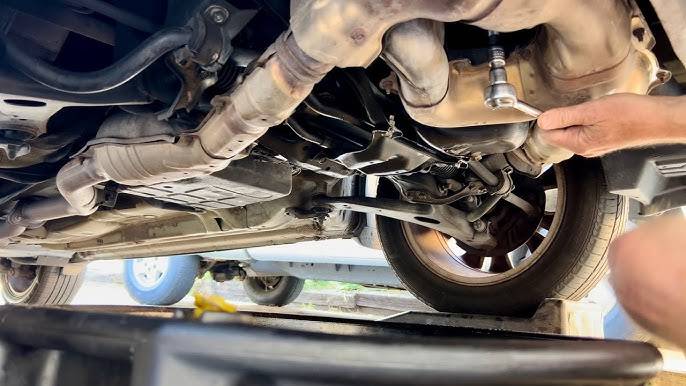
Step 1 – Understanding Oil Change Basics for Subaru Outback
Before starting any maintenance work on the Subaru Outback, it is important to understand why an oil change is necessary and how it impacts engine performance. Engine oil plays a critical role in lubricating moving parts, reducing friction, cooling internal components, and preventing the buildup of harmful deposits inside the engine.
Over time, oil degrades due to heat, dirt, and combustion byproducts. When this happens, it becomes less effective at protecting the engine. If oil changes are delayed, drivers may notice increased engine noise, reduced fuel efficiency, or even long term engine wear.
Most Subaru Outback models are designed to follow a regular maintenance schedule based on mileage or time intervals. While modern synthetic oils can last longer, checking oil condition regularly is still essential. Beginners should also pay attention to warning signs such as dashboard oil indicators, dark or dirty oil on the dipstick, and unusual engine vibrations.
Understanding these basics helps you avoid unnecessary damage and prepares you for a proper oil change process. Once you know why oil maintenance matters, the next step is choosing the correct oil type for your engine.
Step 2 – Choosing the Right Oil Type
Selecting the correct oil is one of the most important decisions when performing a Subaru Outback oil change. The Subaru Outback typically performs best with high quality full synthetic engine oil, which provides superior protection under both cold starts and high temperature driving conditions.
One of the most commonly recommended oil viscosities for Subaru Outback engines is 0W-20. This grade ensures smooth engine performance, improves fuel efficiency, and offers reliable lubrication across a wide temperature range. However, it is always important to check your owner’s manual, as oil requirements may vary depending on the model year and engine type.
Synthetic oil is preferred over conventional oil because it resists breakdown longer and maintains stability under extreme conditions. This means fewer deposits inside the engine and longer intervals between oil changes. While synthetic oil may cost more upfront, it often saves money in the long run by improving engine durability and reducing maintenance frequency.
Beginners should also ensure they use oil that meets manufacturer standards, often indicated by certifications such as API or ILSAC. Choosing the wrong oil viscosity can lead to poor engine performance, reduced efficiency, or even potential engine damage.
Step 3 – Tools and Preparation Before Oil Change
Proper preparation is essential before starting the oil change process on the Subaru Outback. Having the right tools and a safe working environment helps ensure the procedure is smooth, efficient, and free from mistakes.
Basic tools needed include an oil filter wrench, a socket wrench for the drain plug, a drain pan to collect old oil, a funnel for adding new oil, and clean rags for wiping spills. It is also necessary to have a new oil filter and the correct type of engine oil ready before beginning the process.
Safety should always be a priority. The vehicle must be parked on a flat surface, and the engine should be slightly warm but not hot to avoid burns from hot oil. Beginners should also ensure the car is securely lifted if access underneath is required, using proper jack stands instead of relying only on a hydraulic jack.
Organizing all tools beforehand helps prevent interruptions during the process. It also reduces the risk of contamination or incorrect installation. Once everything is prepared correctly, you are ready to move on to draining the old engine oil safely and efficiently.
Step 4 – Draining the Old Oil
The next stage in the Subaru Outback oil change process for the Subaru Outback is safely draining the old engine oil. This step is crucial because leftover degraded oil can reduce engine efficiency and contaminate the new oil if not fully removed.
Start by positioning the drain pan directly under the oil drain plug. Carefully loosen the plug using a socket wrench, and slowly remove it by hand once it becomes loose. Be prepared for hot oil to flow out quickly, so avoid direct contact to prevent burns. Allow the oil to drain completely, which usually takes several minutes.
While the oil is draining, inspect its condition. Very dark, thick, or gritty oil may indicate that the engine has been running with extended oil intervals. This observation can help you adjust future maintenance schedules for better engine care.
Once the oil flow reduces to a drip, replace the drain plug securely. Make sure it is tightened properly to avoid leaks but do not overtighten, as this may damage the threads. Proper disposal of used oil is also important, and it should always be taken to a recycling center or authorized collection point.
Step 5 – Replacing the Oil Filter
After draining the old oil, the next important step is replacing the oil filter on the Subaru Outback. The oil filter plays a vital role in trapping dirt, metal particles, and other contaminants that circulate through the engine system. A clean filter ensures that new oil stays effective for a longer period.
Begin by locating the oil filter, which is usually positioned near the engine block. Use an oil filter wrench to carefully remove the old filter. Be cautious, as it may still contain some residual oil. Once removed, compare it with the new filter to ensure you have the correct replacement.
Before installing the new filter, lightly coat the rubber seal with fresh engine oil. This helps create a proper seal and makes future removal easier. Screw the new filter into place by hand, tightening it securely but avoiding excessive force.
A properly installed oil filter ensures optimal oil flow and prevents contaminants from entering the engine. Skipping this step or installing it incorrectly can significantly reduce engine protection and lead to long term damage.
Step 6 – Adding New Oil
With the old oil removed and a new filter installed, the next step in servicing the Subaru Outback is adding fresh engine oil. This step restores lubrication and ensures the engine operates smoothly under all driving conditions.
Start by locating the oil filler cap on top of the engine. Remove it and place a funnel into the opening to avoid spills. Slowly pour in the recommended amount of oil, typically specified in the owner’s manual depending on engine size.
After adding oil, wait a few moments before checking the oil level using the dipstick. Remove it, wipe it clean, reinsert it fully, and then pull it out again to get an accurate reading. The oil level should be within the safe range marked on the dipstick. If it is low, add small amounts gradually until the correct level is reached.
It is important not to overfill the engine, as too much oil can cause foaming, increased pressure, and potential engine damage. Taking your time during this step ensures the engine is properly lubricated and ready for operation.
Step 7 – Final Check and Engine Test
After completing the oil refill process on the Subaru Outback, the final step is to perform a thorough inspection and engine test to ensure everything is functioning correctly. This stage is essential because even a small mistake in earlier steps can lead to leaks or performance issues.
Start by securely tightening the oil filler cap and double checking the oil drain plug underneath the vehicle. Look around the oil filter area as well to confirm there are no visible leaks. A clean, dry engine surface indicates that the installation was done properly.
Next, start the engine and let it run for a few minutes. During this time, observe the dashboard for any warning lights. Listen carefully for unusual noises such as knocking or ticking, which could indicate improper oil circulation or low oil levels.
After turning off the engine, wait a short moment and check the oil level once again using the dipstick. This helps ensure the oil has properly circulated throughout the engine and the level remains within the recommended range.
If your vehicle has an oil maintenance reminder system, reset it according to the owner’s manual. This ensures accurate tracking for your next service interval.
Conclusion
Performing a proper oil change for the Subaru Outback is one of the most important maintenance tasks every owner should understand. By following this Subaru Outback Oil Change Guide: Step by Step for Beginners, you gain the confidence to either handle the process yourself or better understand what is being done during professional servicing.
Regular oil changes help maintain engine cleanliness, improve fuel efficiency, and extend the overall lifespan of your vehicle. Neglecting this simple task can lead to increased engine wear, reduced performance, and costly repairs in the long run.
Whether you choose to do it at home or at a workshop, the key is consistency and attention to detail. Using the correct oil type, replacing the filter properly, and following safe procedures will always ensure the best results.
If you take care of your Subaru Outback with proper oil maintenance, it will continue to deliver smooth, reliable performance for many years.