Service Due Soon B1 means your vehicle has reached a scheduled maintenance point recommended by the manufacturer. The reminder does not indicate a vehicle failure. It tells you that your car needs specific maintenance tasks to maintain safety and reliability.
The B1 service code usually includes basic maintenance and vehicle inspections. These tasks often cover an oil change, oil filter replacement, brake inspection, tire inspection, and fluid checks. Completing these services at the correct interval helps prevent premature wear and reduces the risk of expensive repairs.
Many drivers feel confused when they see the Service Due Soon B1 message because the dashboard does not explain the required work. The reminder system tracks mileage, driving conditions, and service intervals to notify owners when maintenance becomes necessary.
This guide explains the meaning of Service Due Soon B1, the maintenance checklist, expected service costs, and the right time to schedule an appointment. Understanding this reminder helps vehicle owners follow the correct maintenance plan and protect their vehicle’s long term performance.
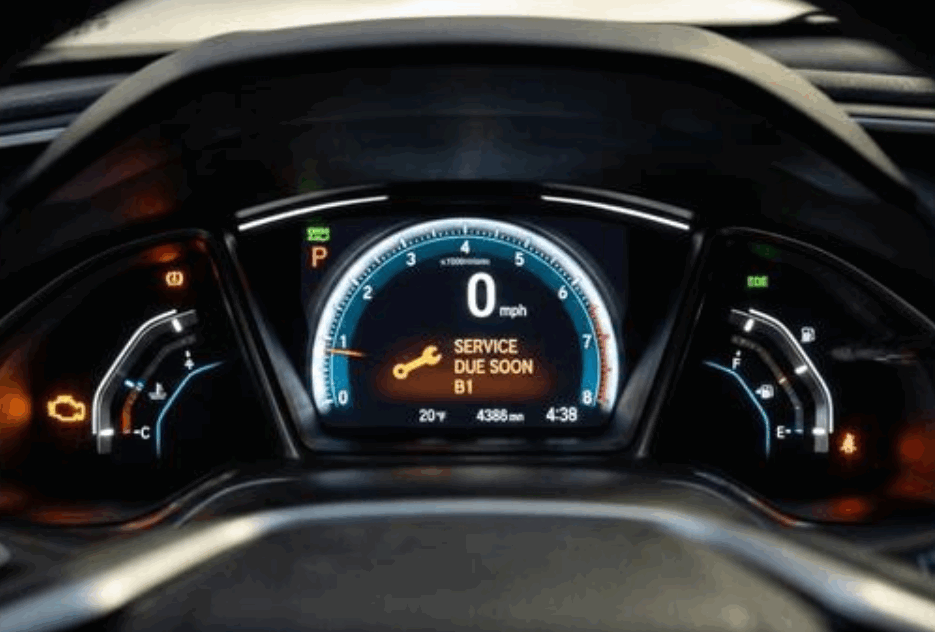
What Does Service Due Soon B1 Mean?
Service Due Soon B1 means your vehicle has reached a manufacturer-recommended maintenance interval that requires specific service tasks. The B1 code identifies a scheduled maintenance package rather than a mechanical problem or emergency warning.
Vehicle manufacturers use maintenance codes to organize service requirements based on mileage, driving conditions, and vehicle age. The letter and number combination provides technicians and owners with a clear maintenance reference. In many vehicles, the letter “B” refers to a group of inspection and replacement services, while the number “1” identifies additional maintenance requirements that apply to that service interval.
The Service Due Soon B1 reminder helps drivers maintain important vehicle systems before serious problems occur. Regular maintenance protects components such as the engine, braking system, tires, and fluid systems. For example, an overdue oil change can increase engine wear because old oil loses its ability to reduce friction between moving parts.
The exact meaning of B1 service depends on the vehicle manufacturer. Honda, Acura, Mercedes-Benz, and other automotive brands may use similar maintenance codes, but each brand creates its own service schedule. Vehicle owners should check the owner’s manual or manufacturer maintenance guide to confirm the exact requirements for their model.
Understanding the Service Due Soon B1 message allows drivers to take the correct action. Instead of treating the reminder as a warning of immediate failure, owners should view it as a preventive maintenance signal that helps maintain vehicle performance and reliability.
Why Does Your Vehicle Show a Service Due Soon B1 Reminder?
Your vehicle shows a Service Due Soon B1 reminder because it has reached a scheduled maintenance interval set by the manufacturer. The system uses service data to notify drivers when the vehicle needs specific inspections and maintenance tasks.
Modern vehicles use maintenance reminder systems to track important service intervals. These systems analyze factors such as mileage, engine operation, driving conditions, and time since the last service. When the vehicle reaches the recommended maintenance point, the dashboard displays a reminder to inform the owner.
The reminder does not appear because the vehicle has detected a major failure. It appears because preventive maintenance helps keep vehicle components working correctly. For example, regular oil replacement helps the engine maintain proper lubrication, while brake inspections help identify worn components before they affect driving safety.
Manufacturers create different maintenance schedules because each vehicle has unique engineering requirements. A compact car used for daily commuting may follow a different schedule from a heavy-duty vehicle that operates under higher loads. The owner’s manual provides the most accurate information about when the B1 service should occur.
Drivers should respond to the Service Due Soon B1 reminder by reviewing their maintenance history and scheduling the required service. Completing maintenance at the recommended interval helps reduce component wear, maintain vehicle efficiency, and support long-term reliability.
What Is Included in a Service Due Soon B1 Maintenance Checklist?
A Service Due Soon B1 maintenance checklist includes routine maintenance tasks and vehicle inspections that help maintain engine performance, safety, and reliability. The exact checklist depends on the vehicle manufacturer, but most B1 services include oil service, filter checks, fluid inspections, and basic safety inspections.
The engine oil change is one of the main parts of B1 service. Fresh engine oil helps reduce friction between moving engine components and supports proper heat control. Technicians also inspect or replace the oil filter because a clogged filter can reduce oil circulation and affect engine protection.
B1 service also includes a vehicle inspection to identify early signs of wear. Technicians usually check the braking system, tires, fluid levels, steering components, and suspension parts. These inspections help detect problems before they become expensive repairs. For example, finding uneven tire wear during a B1 inspection can prevent handling issues and improve driving safety.
Fluid inspection is another important part of scheduled maintenance. Technicians check fluids such as brake fluid, coolant, transmission fluid, and windshield washer fluid. Proper fluid levels help different vehicle systems operate correctly and reduce unnecessary stress on components.
The B1 maintenance checklist focuses on prevention rather than repair. It allows technicians to evaluate the vehicle’s current condition while completing manufacturer-recommended services. Completing these tasks on time helps drivers maintain vehicle performance and avoid unexpected maintenance costs.
How Much Does Service Due Soon B1 Cost?
Service Due Soon B1 cost depends on the vehicle brand, required maintenance tasks, labor rates, and service location. Most B1 services cost more than a basic oil change because they include multiple inspections and maintenance procedures.
The vehicle model is one of the main factors that affects B1 service pricing. Luxury vehicles and imported models usually have higher maintenance costs because they may require specialized technicians, OEM parts, and manufacturer-specific procedures. Standard passenger vehicles often have lower service costs because they use more common parts and service methods.
The service provider also affects the final price. Dealership service centers usually charge higher labor rates because they use manufacturer-trained technicians and follow official maintenance procedures. Independent repair shops may offer lower prices while still completing many of the same maintenance tasks.
The required maintenance items can also change the total cost. A basic B1 service may only require an oil change, filter replacement, and inspection. However, technicians may recommend additional repairs if they find worn brake components, damaged tires, or low fluid levels during the inspection.
Drivers should compare the estimated service cost with the recommended maintenance schedule rather than delaying service to save money. Completing B1 maintenance on time can prevent minor issues from developing into expensive repairs and helps maintain the vehicle’s long-term value.
Can You Drive After the Service Due Soon B1 Reminder Appears?
You can usually drive after the Service Due Soon B1 reminder appears because the message indicates scheduled maintenance, not an immediate vehicle failure. However, you should complete the required service within the recommended time to prevent unnecessary wear and maintenance problems.
The B1 reminder works differently from emergency dashboard warnings. A check engine light, low oil pressure warning, or overheating warning may indicate an urgent problem that requires immediate attention. In contrast, the Service Due Soon B1 message tells drivers that the vehicle has reached a planned maintenance milestone.
Delaying B1 service for a short period may not cause immediate damage, but extended delays can increase the risk of component wear. For example, old engine oil can lose its protective properties, and worn brake components may reduce braking performance. Regular inspections help technicians identify these issues before they affect vehicle operation.
Drivers should schedule B1 service based on the manufacturer’s recommendation, mileage, and driving habits. Vehicles that operate in severe conditions, such as frequent short trips, heavy traffic, extreme temperatures, or dusty environments, may require more frequent maintenance.
Before continuing to drive for an extended period, owners should review the vehicle’s maintenance history and check for other warning signs. If the vehicle shows unusual noises, reduced performance, fluid leaks, or additional warning lights, a professional inspection becomes more important.
What Is the Difference Between B1 Service and an Oil Change?
B1 service is different from a regular oil change because it includes multiple maintenance inspections and service tasks beyond engine oil replacement. An oil change focuses mainly on engine lubrication, while B1 service follows a broader manufacturer-recommended maintenance plan.
A regular oil change replaces old engine oil and usually includes an oil filter replacement. This service helps the engine reduce friction, control heat, and protect internal components. However, it does not usually include a complete inspection of other vehicle systems.
B1 service provides a wider evaluation of the vehicle’s condition. Technicians inspect important areas such as brakes, tires, fluid levels, and other components that affect safety and reliability. These inspections help identify early signs of wear that an oil change alone cannot detect.
The difference between these two services becomes more important as a vehicle accumulates mileage. A driver who only changes oil may maintain engine lubrication but miss problems with braking components, tire condition, or fluid systems. For example, a technician may discover worn brake pads during a B1 inspection before they create a safety concern.
Drivers should follow the manufacturer’s maintenance schedule instead of replacing only the engine oil when the B1 service interval arrives. A complete B1 service supports preventive maintenance by addressing multiple vehicle systems at the correct time.
How Often Should You Complete Scheduled Vehicle Maintenance?
You should complete scheduled vehicle maintenance according to the manufacturer’s recommended service interval. The correct timing depends on factors such as mileage, driving conditions, vehicle age, and maintenance requirements for each model.
Most manufacturers create maintenance schedules based on specific mileage points and time periods. For example, a vehicle may require certain inspections after a specific number of miles or months, even if the driver does not use the vehicle frequently. These schedules help owners maintain important systems before normal wear affects vehicle performance.
Driving conditions can change how often a vehicle needs maintenance. Vehicles that frequently operate in heavy traffic, extreme temperatures, dusty environments, or short-distance trips may experience faster wear. These conditions place additional stress on the engine, fluids, brakes, and other mechanical components.
The owner’s manual provides the most accurate maintenance schedule for each vehicle. It explains when drivers should complete services such as oil changes, inspections, filter replacements, and scheduled maintenance packages like B1 service.
Following a regular maintenance schedule helps drivers manage ownership costs more effectively. Preventive maintenance allows technicians to identify small issues early and reduces the chance of unexpected repairs. A consistent service routine also helps maintain vehicle reliability, safety, and resale value over time.
How Does Regular B1 Service Help Maintain Vehicle Performance?
Regular B1 service helps maintain vehicle performance by reducing component wear, identifying early problems, and keeping important systems operating correctly. Preventive maintenance allows drivers to protect their vehicles before small issues develop into expensive repairs.
A vehicle depends on multiple systems working together, including the engine, braking system, tires, fluids, and suspension components. Regular B1 maintenance allows technicians to inspect these systems and confirm that they continue to function properly. For example, checking fluid levels during service helps prevent problems caused by insufficient lubrication or cooling.
B1 service also supports long-term vehicle reliability by detecting problems at an early stage. A technician may find worn brake pads, damaged tires, or leaking fluids during a scheduled inspection. Addressing these issues early usually costs less than repairing major damage after a component fails.
Consistent maintenance also helps preserve vehicle efficiency. Clean engine oil, properly maintained filters, and correctly adjusted components allow the vehicle to operate more effectively. Drivers who follow recommended service intervals often experience fewer unexpected breakdowns and better overall ownership experiences.
Regular B1 service contributes to vehicle longevity because it follows a structured maintenance approach. Instead of waiting for problems to appear, owners use preventive care to maintain performance, improve safety, and protect the value of their vehicles over time.
What Should You Do After Seeing a Service Due Soon B1 Reminder?
You should schedule your B1 service appointment after seeing a Service Due Soon B1 reminder to complete the recommended maintenance tasks and keep your vehicle operating safely. The reminder shows that your vehicle has reached a planned service interval, so taking action helps prevent unnecessary wear and future repair costs.
The first step is to review your vehicle maintenance history and confirm the recommended service requirements. Your owner’s manual or manufacturer maintenance guide provides the most accurate information about the B1 service interval and required procedures.
Next, choose a qualified service provider that understands your vehicle model and follows proper maintenance standards. A certified technician can complete the required inspections, identify potential issues, and provide recommendations based on your vehicle’s condition.
Regular B1 maintenance is part of responsible vehicle ownership. It helps protect important components, maintain performance, and support long-term reliability. Instead of waiting for problems to appear, completing scheduled maintenance allows drivers to manage vehicle care proactively.
After receiving the Service Due Soon B1 notification, arrange the service at the appropriate time, keep records of completed maintenance, and continue following the recommended vehicle maintenance schedule.