The correct Ram 1500 coolant type depends on the model year, engine configuration, and factory coolant specification. Choosing the right engine coolant is essential because the cooling system plays a major role in controlling engine temperature, preventing overheating, and protecting critical components such as the radiator, water pump, thermostat, and engine block.
A Ram 1500 does not use every type of coolant available on the market. Different model years and engine options require specific coolant chemistry designed to provide proper corrosion protection and long term cooling performance. Using the wrong antifreeze or mixing incompatible coolant types can reduce protection and create cooling system problems.
When maintaining a Ram 1500 cooling system, three factors are especially important: coolant specification, coolant capacity, and replacement requirements. The correct specification ensures compatibility with factory components, the proper capacity helps maintain the correct operating temperature, and regular replacement prevents coolant degradation over time.
This guide explains how to identify the correct Ram 1500 coolant type, understand coolant capacity by engine configuration, determine when coolant replacement is needed, and avoid common coolant compatibility issues.
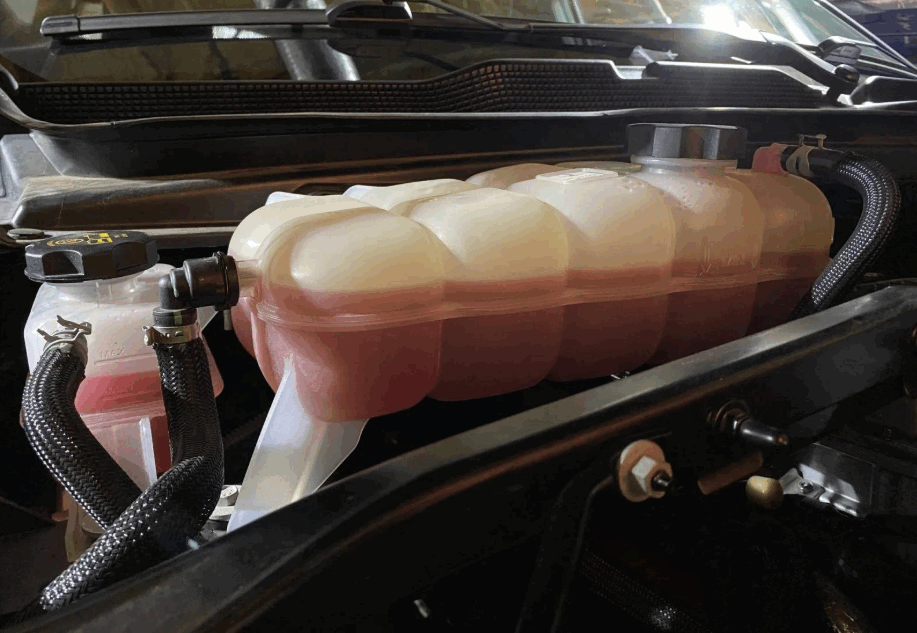
What Coolant Type Does a Ram 1500 Use?
The Ram 1500 uses engine coolant that meets the manufacturer’s factory specification rather than a universal coolant type that works for every vehicle. The recommended coolant depends on the vehicle’s model year and engine configuration, but many modern Ram 1500 models use Mopar coolant based on Organic Acid Technology, commonly known as OAT coolant.
OAT coolant technology is designed to provide long lasting corrosion protection while supporting modern cooling system materials. It helps protect aluminum components, radiator passages, water pumps, and other internal parts from corrosion and deposits. This is especially important because modern engines operate under high temperatures and rely on precise coolant performance.
Coolant type should not be determined only by color. While coolant color can sometimes provide a visual clue, different manufacturers may use similar colors for different coolant formulations. The chemical specification is more important than appearance. A coolant that looks compatible may still contain a different additive package that is not suitable for a Ram 1500 cooling system.
Using the correct Mopar coolant specification helps maintain proper heat transfer and protects cooling system components. Incorrect coolant chemistry may lead to reduced corrosion protection, contamination, or deposits that affect cooling performance.
Because Ram 1500 coolant requirements have changed across different generations, owners should always confirm the recommended coolant specification through the owner’s manual, service information, or the coolant reservoir label before adding or replacing coolant.
What Coolant Does a Ram 1500 Use by Engine and Model Year?
The required coolant type for a Ram 1500 can vary depending on the engine installed and the model year of the vehicle. Ram 1500 models have been offered with several engine configurations, and each engine may have specific cooling system requirements.
The 3.6L Pentastar V6, 5.7L HEMI V8, and 3.0L EcoDiesel engine options may use different factory coolant specifications depending on the production year and cooling system design. Newer generations of the Ram 1500 commonly use OAT coolant technology, while some older vehicles may have different factory requirements.
Model year is an important factor because coolant chemistry has evolved over time. A coolant specification recommended for a newer Ram 1500 may not automatically be correct for an older model. Using the wrong coolant based only on engine size can result in compatibility problems.
The safest method is to check the owner’s manual or verify the information listed on the coolant reservoir cap or vehicle service documentation. These sources provide the correct factory recommendation for the specific Ram 1500.
When purchasing replacement coolant, owners should look for the required specification rather than choosing a product based only on brand name or coolant color. Matching the factory requirement ensures proper protection for the engine, radiator, water pump, and thermostat system.
How Much Coolant Does a Ram 1500 Hold?
The coolant capacity of a Ram 1500 depends on the engine configuration, cooling system design, and model year. The total cooling system capacity includes coolant contained throughout the radiator, engine passages, heater core, hoses, and expansion reservoir.
It is important to understand the difference between total cooling system capacity and coolant refill amount. During a complete coolant replacement, the amount of new coolant added may be different from the total system capacity because some old coolant may remain trapped in internal passages unless the system is fully drained and flushed.
Most Ram 1500 cooling systems use a mixture of coolant and distilled water rather than pure antifreeze. The correct mixture ratio helps maintain freezing protection, boiling resistance, and efficient heat transfer. Using too much water or too much concentrated coolant can reduce cooling performance.
Adding too little coolant can cause low coolant levels, air pockets, and overheating. Adding too much coolant may prevent proper expansion and create pressure issues inside the system.
After replacing coolant, the cooling system may need to be properly bled to remove trapped air. Air pockets can interfere with coolant circulation and cause temperature fluctuations. Always follow the recommended filling procedure for the specific Ram 1500 model.
When Should You Change the Coolant in a Ram 1500?
The coolant replacement interval for a Ram 1500 depends on the model year, coolant type, driving conditions, and manufacturer recommendations. Modern OAT coolant systems are designed for extended service life, but coolant still requires inspection and eventual replacement.
Several factors can reduce coolant lifespan. High mileage, extreme operating temperatures, contamination, coolant leaks, and repeated overheating events can affect coolant condition. A vehicle used for towing, heavy loads, or frequent operation in harsh environments may require closer monitoring.
Signs that the coolant system needs attention include overheating, a low coolant reservoir level, dirty or discolored coolant, unusual temperature changes, or repeated coolant loss. These symptoms may indicate degraded coolant or another cooling system issue.
Regular coolant inspections are an important part of Ram 1500 maintenance. Checking coolant condition during routine service can help identify leaks, contamination, or component problems before they lead to engine damage.
When replacing coolant, it is important to use the correct factory specification and follow proper flushing and filling procedures. A complete coolant service helps maintain efficient heat control and protects important cooling system components.
Can You Mix Different Coolants in a Ram 1500?
Mixing different coolant types in a Ram 1500 is generally not recommended unless compatibility has been confirmed. Coolants with different chemical formulations may not provide the same level of protection when combined.
The main concern is the difference between coolant technologies such as OAT, HOAT, and universal coolant formulas. These products use different additive packages designed to protect cooling system materials in specific ways.
Mixing incompatible coolant types may reduce corrosion protection, create deposits, or affect cooling system performance. Over time, this can contribute to problems involving the radiator, water pump, thermostat, and internal coolant passages.
If the wrong coolant has been added or multiple coolant types have been mixed, a complete cooling system flush may be necessary. Flushing removes contaminated coolant and allows the system to be refilled with the correct specification.
When topping off coolant, always verify that the replacement coolant matches the existing coolant type and manufacturer requirement. Using the correct coolant chemistry is one of the simplest ways to protect the Ram 1500 cooling system.
How Do You Check and Add Coolant to a Ram 1500?
Checking coolant level on a Ram 1500 is a simple maintenance task, but it should always be performed safely. The coolant level should be inspected when the engine is cool because the cooling system operates under pressure when hot.
Start by checking the coolant reservoir level. The reservoir usually has minimum and maximum markings that indicate the proper coolant range. If the level is below the recommended mark, inspect the coolant condition and look for signs of leaks.
When adding coolant, use only the correct coolant specification recommended for the Ram 1500. Avoid mixing unknown coolant types or adding random antifreeze products without confirming compatibility.
Never open the radiator cap or coolant reservoir cap when the engine is hot. Hot coolant and steam can escape under pressure and cause serious burns. Allow the engine to cool completely before opening the system.
Add coolant slowly until the level reaches the correct range. After driving, check the coolant level again once the engine has cooled. A consistently dropping coolant level may indicate a leak or another cooling system problem that requires inspection.
What Are the Common Ram 1500 Cooling System Problems?
Coolant type is an important part of cooling system maintenance, but it is only one factor that affects engine temperature control. Several mechanical components work together to keep a Ram 1500 operating within the correct temperature range.
Common cooling system problems include coolant leaks, radiator failures, thermostat issues, water pump problems, and engine overheating. A damaged radiator can reduce heat transfer, while a failing thermostat may prevent proper coolant circulation.
Water pump problems can also affect coolant flow throughout the engine. If the pump cannot circulate coolant effectively, engine temperatures may increase even when the coolant level appears normal.
Coolant leaks are another common concern. Leaks may occur from hoses, connections, the radiator, reservoir, or other cooling system components. A low coolant level can reduce cooling performance and increase the risk of overheating.
Regular inspections help identify these problems early. Maintaining the correct coolant type, monitoring coolant level, and checking cooling system components are all necessary steps for reliable Ram 1500 operation.
How Do You Choose the Right Coolant for a Ram 1500?
Choosing the right coolant for a Ram 1500 depends on three main factors: model year, engine type, and manufacturer specification. The correct coolant is not determined only by vehicle name, engine size, or coolant color.
Before replacing coolant, always check the owner’s manual or factory service information to confirm the required specification. Using the correct coolant helps protect the radiator, water pump, thermostat, and other cooling system components.
Proper coolant selection is part of a complete Ram 1500 maintenance routine. Along with coolant service, owners should also monitor other important maintenance areas such as Ram 1500 oil type, Ram 1500 maintenance schedule, and Ram 1500 transmission fluid type.
Following the correct maintenance procedures helps ensure the cooling system continues to regulate engine temperature effectively and supports long term vehicle reliability.