Resetting the air suspension on a RAM 1500 can restore normal suspension operation when the system is affected by a temporary electronic fault, power interruption, or control-system state. A reset does not repair a failed compressor, leaking air spring, damaged air line, faulty ride-height sensor, or other physical problem. The correct reset procedure can also vary by model year and the condition that triggered the air suspension warning, so the vehicle’s owner or service information should take priority over a universal reset sequence.
Before resetting the system, check the instrument cluster for an air suspension warning, observe whether the truck is sitting level, and listen for abnormal compressor operation. These checks help distinguish a temporary system problem from a fault that requires diagnosis. A truck that repeatedly sinks, remains low on one corner, or runs the compressor excessively is more likely to have an underlying air suspension problem than a simple reset issue.
This guide explains how to reset the RAM 1500 air suspension, verify whether the reset worked, identify reasons the system will not reset, and determine when fault-code diagnosis, calibration, or professional repair is necessary.
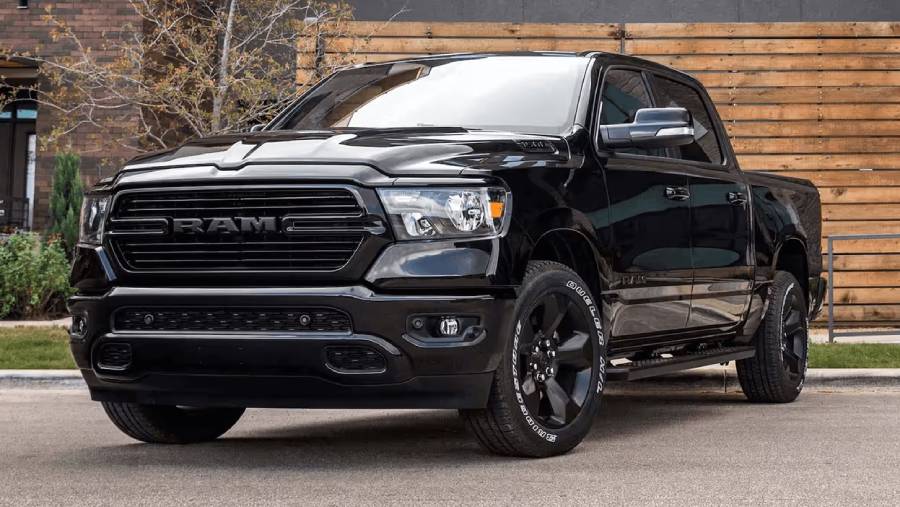
How Do You Reset the Air Suspension on a RAM 1500?
To reset the air suspension on a RAM 1500, first place the truck on level ground, verify that the electrical system has adequate power, cycle the ignition, allow the air suspension system to initialize, and then check whether the ride-height controls respond normally. The exact procedure can differ by model year and by the fault that caused the suspension to stop operating, so the owner’s manual or model-specific service information should be used when it specifies a different procedure.
Start with the truck parked on a level surface and keep the vehicle stationary while checking the suspension. Look at the instrument cluster for messages related to the air suspension system and observe the truck’s current ride height. Turn the vehicle off, allow its electrical systems to shut down, and then restart the vehicle. After startup, give the suspension system time to initialize before operating the ride-height controls. If the system accepts a height command and the truck returns to the requested position without displaying the warning again, the reset or restart has restored normal operation.
Do not repeatedly cycle the ignition or command the suspension up and down when the truck remains low, leans to one side, or the compressor runs continuously. These symptoms indicate that the system may have a persistent electrical, pneumatic, sensor, or compressor fault. Restarting the control system cannot seal an air leak, restore power through a failed electrical circuit, or repair a damaged suspension component.
A reset should therefore be treated as an initial recovery step rather than a universal repair procedure. If the warning returns immediately or the suspension still cannot change height, move to fault diagnosis instead of continuing to repeat the reset.
What Should You Check Before Resetting the RAM 1500 Air Suspension?
Check the truck’s ride height, dashboard warnings, electrical condition, compressor behavior, vehicle load, and visible suspension condition before attempting a reset. These checks establish whether the problem resembles a temporary control-system issue or a physical fault that a reset cannot correct.
First, observe how the RAM 1500 is sitting. Compare the front and rear ride heights and check whether one corner is noticeably lower than the others. A truck that remains uniformly at one height may indicate a different problem from a truck with one corner dropping toward the ground. A localized height difference can direct later diagnosis toward the air spring, air connection, height sensing, or another component associated with that area.
Next, check the instrument cluster before switching the vehicle off. Record the exact suspension-related warning instead of relying on memory after restarting the truck. A warning that disappears after an ignition cycle provides different diagnostic information from one that returns immediately. If diagnostic trouble codes are later retrieved, the original warning and operating conditions can also provide useful context for determining why the system stopped working.
Check the 12-volt electrical system as well. The air suspension relies on electrically controlled components, including its control electronics and compressor-related circuits. Low system voltage or an electrical supply problem can therefore interfere with normal suspension operation. Resetting the system without correcting an underlying power problem may result in the same fault appearing again.
Listen to the compressor when the system attempts to adjust ride height. A compressor that never operates, runs for an unusually long period, or repeatedly cycles provides an important diagnostic clue. For example, repeated compressor operation combined with a truck that loses height after parking points toward a different diagnostic path than a temporary warning that disappears after restarting the vehicle.
Finally, consider the truck’s load and inspect for obvious abnormalities before commanding another height change. Excessive or uneven loading can affect suspension position, while visible damage or a severely low corner should be investigated rather than repeatedly corrected through the ride-height controls.
How Do You Know the Air Suspension Reset Worked?
A RAM 1500 air suspension reset has worked when the system resumes normal ride-height control, the truck reaches and maintains the requested height, and the suspension warning does not return. The disappearance of a dashboard message alone is not enough to confirm that the underlying problem has been resolved.
Start by checking the ride-height controls after the system initializes. Request an available height change under conditions in which the vehicle normally permits that mode. The suspension should respond to the command and move toward the selected height without abnormal behavior. A successful response confirms that the system can at least communicate with and operate the components required for that height adjustment.
Next, observe whether the truck remains level after reaching its target position. All four corners should correspond to the expected vehicle stance rather than leaving one corner noticeably lower. If one side or corner remains low despite the system attempting to adjust itself, the problem has progressed beyond a simple reset and should be diagnosed according to the affected area.
Compressor behavior provides another verification point. The compressor may operate while the vehicle changes height, but it should not need to run continuously simply to maintain the truck’s position. Repeated or prolonged operation can indicate that the system is struggling to build or retain the required pressure.
Finally, monitor the instrument cluster and suspension behavior after the restart and during subsequent vehicle operation. A warning that immediately returns indicates that the control system still detects a fault. Likewise, a truck that initially reaches normal height but later sinks after being parked may have a pressure-loss problem that was temporarily hidden when the system was active.
A successful reset restores normal operation; it does not merely clear the visible warning. If the warning returns, the truck cannot maintain ride height, or the compressor behaves abnormally, the next step is to identify the fault rather than repeat the reset.
When Should You Reset the RAM 1500 Air Suspension?
Reset the RAM 1500 air suspension when the system shows signs of a temporary electronic or operating-state problem rather than a confirmed mechanical or pneumatic failure. A reset is most useful when a suspension warning appears temporarily, the system stops responding after an electrical interruption, or normal operation does not resume after the vehicle has been restarted. The purpose is to allow the control system to initialize again and determine whether the fault remains present.
A reset is less useful when the truck displays physical symptoms of an air suspension failure. A RAM 1500 that repeatedly sinks after parking, remains low on one corner, cannot build ride height, or runs the compressor for extended periods is showing evidence that requires diagnosis. These symptoms can be associated with pressure loss, compressor problems, electrical faults, or incorrect height information. Cycling the ignition may temporarily change the warning status, but it cannot correct the component or circuit causing the problem.
The timing of the fault also provides diagnostic information. A suspension system that resumes normal operation after restarting the truck and continues to maintain the correct ride height is different from a system that fails again within minutes. When the same warning or symptom repeatedly returns after a reset, treat the condition as a persistent fault rather than continuing to restart the system.
Resetting should also come before replacing components only when there is no clear evidence that a component has failed. Replacing an air compressor, height sensor, air spring, relay, or other component solely because the suspension stopped responding can lead to unnecessary repairs. Verify the system condition first, perform an appropriate reset when justified, and move to structured diagnosis when the problem remains.
Can a RAM 1500 Air Suspension Warning Be Cleared by a Reset?
A RAM 1500 air suspension warning may disappear after a reset when the condition that triggered it is temporary, but clearing the warning does not prove that the underlying fault has been repaired. The important distinction is whether the control system detects the same problem again after initialization.
A temporary warning can disappear when the system returns to an acceptable operating condition. After restarting the vehicle, monitor both the instrument cluster and the physical suspension response. If the warning remains off, the truck responds correctly to permitted ride-height commands, and the suspension maintains the selected position, the system has returned to normal operation at that time.
A warning that returns immediately indicates a different situation. The air suspension control system is detecting a condition that still exists or has occurred again. Repeating the same reset is unlikely to provide useful information because the vehicle has already demonstrated that initialization alone does not eliminate the fault.
Stored diagnostic trouble codes can also remain relevant even when the visible warning disappears. A scan of the appropriate vehicle system can provide information about the fault that triggered the warning and help separate an intermittent event from a recurring component or circuit problem. Record diagnostic information before clearing codes when troubleshooting a persistent issue because clearing them can remove useful evidence about the original condition.
The practical test is therefore not simply, “Did the warning disappear?” The better question is, “Did normal air suspension operation return and remain stable?” A warning that stays off while the truck reaches and maintains the correct ride height supports a successful recovery. A warning that returns, a compressor that continues to behave abnormally, or a truck that loses height indicates that further diagnosis is required.
Why Won’t the RAM 1500 Air Suspension Reset?
A RAM 1500 air suspension may not reset when the system still detects an electrical, pneumatic, sensor, or compressor-related fault. Resetting changes the operating state of the control system; it does not restore electrical power, seal an air leak, replace an inaccurate sensor, or repair a compressor that cannot produce the required pressure.
There are 5 major areas to investigate when the suspension does not return to normal operation: the 12-volt electrical supply, fuse or relay circuits, air-pressure retention, ride-height sensing, and compressor operation. These areas interact with each other, so the symptom should determine the diagnostic sequence. For example, a compressor that never activates requires a different initial check from a compressor that repeatedly runs while the truck continues to sink.
Avoid assuming that the compressor is defective simply because the truck remains low. The compressor is only one part of the system. A pressure leak can make a working compressor run repeatedly, while an electrical supply problem can prevent a functional compressor from operating at all. Diagnosis should establish what the system is failing to do before a component is replaced.
Can a Weak Battery Prevent the Air Suspension From Resetting?
A weak 12-volt battery or unstable electrical supply can interfere with RAM 1500 air suspension operation because the system depends on electrical power for its control electronics and electrically operated components. A reset cannot produce stable system operation when the required electrical supply is not available.
Check the vehicle’s overall electrical condition when suspension problems occur alongside slow starting, recent battery discharge, battery replacement, or other low-voltage symptoms. The objective is not simply to determine whether the dashboard turns on. The system must have sufficient and stable voltage while its components operate.
Electrical condition also matters because an air suspension fault can involve more than the battery itself. Battery terminals, grounds, connectors, wiring, and power-distribution components form part of the electrical path. A poor connection can therefore produce symptoms that resemble a failed suspension component.
Correct an identified power-supply problem before repeatedly resetting the air suspension. If normal suspension operation returns after the electrical condition is corrected, continue monitoring the system. If the suspension warning remains or the vehicle still cannot control ride height, continue diagnosis rather than assuming the battery was the only fault.
Can a Blown Fuse or Bad Relay Stop the Air Suspension?
A failed fuse, relay, or related electrical circuit can stop part of the RAM 1500 air suspension system from operating, and resetting the vehicle will not restore a circuit that has lost electrical continuity. The relevant circuit should be checked when a component that normally operates during a height adjustment remains inactive.
A fuse is a protective device rather than the underlying cause of every electrical failure. If a fuse is confirmed blown, replacing it without investigating why it failed can result in another failure. A short circuit, damaged wiring, connector problem, or excessive current demand can require further diagnosis.
Relay diagnosis follows the same principle. A relay participates in controlling electrical power to a circuit, but the absence of component operation does not automatically prove that the relay itself has failed. The power supply, control command, wiring, connections, and component must be considered as parts of the same electrical path.
Use model-specific service information to identify the correct fuse and relay locations because electrical layouts can differ between RAM 1500 model years and configurations. Do not remove or replace unrelated fuses based solely on a generic diagram from another vehicle year.
Can an Air Suspension Leak Cause the Reset to Fail?
An air leak can make a RAM 1500 appear as though the suspension reset failed because the system cannot maintain the pressure required to hold the correct ride height. Restarting the control system does not seal a leaking air spring, air line, fitting, or another pressure-containing component.
Pressure-loss symptoms depend on where and how quickly air escapes. One corner that becomes lower than the others can point toward a localized problem, while a truck that gradually changes height after sitting provides evidence that pressure is not being maintained as expected. The exact source still requires inspection because ride-height position alone does not identify the failed component.
Compressor behavior can strengthen the diagnosis. A working compressor may operate more frequently when the system repeatedly attempts to replace lost pressure. This creates an important distinction: excessive compressor operation does not necessarily mean that the compressor caused the original problem. The compressor may instead be responding to pressure loss elsewhere in the system.
Investigate the source of pressure loss when the truck repeatedly sinks or cannot maintain its selected height. Continuing to reset the system while it repeatedly compensates for a leak does not address the cause and can place additional operating demand on the compressor.
Can a Bad Ride-Height Sensor Prevent the System From Resetting?
A faulty ride-height sensor or related sensor circuit can prevent normal air suspension operation because the control system relies on height information to determine the truck’s position. Incorrect input can cause the system to make an inappropriate adjustment, refuse a height command, or register a fault.
The mechanism involves three stages: the sensor provides information about suspension position, the control system interprets that information, and the system commands the appropriate pneumatic components to adjust vehicle height. Incorrect information at the first stage can therefore affect the final suspension response even when the compressor and air springs remain capable of operating.
An abnormal ride height does not by itself confirm sensor failure. Air leaks, mechanical problems, wiring faults, connector problems, and other system conditions can produce similar visible symptoms. Diagnosis should compare the physical suspension position with the information available to the control system when appropriate diagnostic equipment is available.
Sensor replacement should therefore follow diagnosis rather than assumption. If service work changes the relationship between the sensor and actual vehicle height, a model-specific calibration or service procedure may also be required.
Can a Faulty Air Compressor Cause the Air Suspension to Stay Down?
A compressor that cannot provide the required air pressure can prevent the RAM 1500 from raising to the requested ride height. The compressor supplies pressurized air for suspension height changes, so insufficient compressor output can leave the vehicle low even after the control system has been reset.
Compressor symptoms should be separated into distinct operating conditions. A compressor that does not run at all requires investigation of its power supply, control circuit, protection state, and the compressor itself. A compressor that runs but does not raise the truck requires investigation of pressure generation and pressure loss. A compressor that repeatedly cycles while the truck loses height can indicate that the system is continually trying to compensate for another fault.
This distinction prevents an incorrect diagnosis based on sound alone. Hearing the compressor operate confirms that it is being activated, but it does not prove that it can build the pressure the system requires. Conversely, a silent compressor does not automatically prove compressor failure because an electrical or control condition can prevent activation.
Stop relying on repeated resets when compressor behavior remains abnormal. The next diagnostic step should determine whether the compressor receives the required electrical supply and command, whether the pneumatic system can build and retain pressure, and whether the control system has stored relevant fault information.
Why Is the RAM 1500 Still Low After an Air Suspension Reset?
A RAM 1500 can remain low after an air suspension reset when the system cannot build pressure, cannot retain pressure, receives incorrect ride-height information, or has an electrical or control fault that prevents normal height adjustment. A reset can restart system operation, but it cannot correct the physical or electrical condition responsible for an abnormal ride height.
Start the diagnosis by identifying how the truck is sitting. There are 3 useful patterns: the entire truck remains low, one axle remains low, or one corner sits lower than the others. These patterns do not prove which component has failed, but they narrow the diagnostic context. A truck that cannot raise at all requires investigation of system-wide functions such as compressor operation and electrical supply, while a single low corner directs more attention toward components affecting that area.
The timing of the height loss provides another diagnostic clue. If the RAM 1500 reaches its expected ride height while running but becomes lower after sitting, the system may be losing pressure while inactive. If the vehicle never rises after startup, the problem may involve pressure generation, electrical operation, control input, or another condition preventing a height command from being completed.
Do not repeatedly command the suspension to raise when the truck does not respond normally. Repeated attempts do not repair the underlying fault and can make diagnosis more difficult if the system changes state or stores additional fault information. Observe the suspension position, warning message, and compressor behavior first, then use those symptoms to select the next diagnostic step.
Why Is Only One Corner of the RAM 1500 Sitting Low?
One low corner on a RAM 1500 indicates a localized ride-height problem and should direct diagnosis toward the air suspension components and sensing associated with that area. Possible areas include the air spring, air connection, pneumatic distribution, ride-height sensing, and related mechanical components.
The first distinction is whether the corner stays low continuously or drops after the truck has been parked. A corner that gradually becomes lower while the vehicle sits provides a different diagnostic pattern from a corner that remains at the wrong height whenever the suspension is operating. The first pattern places greater emphasis on pressure retention, while the second also requires investigation of sensing, control, and mechanical position.
Compare the affected corner with the other 3 corners rather than evaluating it in isolation. If only one corner changes while the remaining suspension positions stay relatively stable, a system-wide loss of compressor operation becomes a less complete explanation. The fault is more likely to involve a component or condition capable of affecting that specific area, although testing is still required before replacing parts.
A reset is unlikely to provide a lasting solution when the same corner repeatedly returns to an abnormal position. At that point, inspect the affected suspension area and retrieve relevant diagnostic information. Replacing a height sensor or air spring based only on the visible stance can result in an incorrect repair because different faults can produce a similar low-corner symptom.
Why Does the RAM 1500 Sink After It Is Parked?
A RAM 1500 that repeatedly loses ride height while parked may have a pressure-retention problem because the suspension is unable to maintain the air required to hold its expected position. The location and rate of the height change help determine which part of the system requires further inspection.
Observe whether one corner, one end, or a larger portion of the truck changes height. A localized drop provides different information from a broader change in suspension position. Also record how long the change takes. A visible change shortly after parking and a gradual change over an extended period represent different rates of pressure loss and should not automatically be treated as the same fault.
The relationship between parking behavior and compressor operation is also important. If the suspension restores its height after startup but later sinks again, the system may be replacing pressure that is subsequently being lost. In that situation, resetting the control system can temporarily restore the visible ride height without correcting the condition responsible for the repeated drop.
Use repeated sinking as a diagnostic symptom rather than a reason to perform another reset. The appropriate next step is to determine whether the pneumatic system can retain pressure and whether the control system is receiving accurate ride-height information.
How Do You Diagnose a RAM 1500 Air Suspension That Will Not Reset?
Diagnose a RAM 1500 air suspension that will not reset in 5 stages: inspect the vehicle’s stance, check the electrical supply, observe compressor and suspension operation, retrieve diagnostic trouble codes, and test the system indicated by the results. This sequence moves from observable symptoms toward component-level diagnosis without replacing parts prematurely.
First, document the truck’s physical condition. Record whether the entire vehicle is low, one axle is affected, or one corner is different. Note the dashboard warning and whether the problem occurs immediately after startup, during a height adjustment, or after the truck has been parked. These observations establish the conditions under which the fault occurs.
Second, verify the electrical condition. The suspension system depends on electrical power for control and component operation, so a power-supply problem can prevent normal response even when pneumatic components are mechanically functional. The electrical check should follow the applicable service information rather than relying only on whether the vehicle starts.
Third, observe what happens when the system is expected to change height. Determine whether the compressor activates and whether the vehicle actually moves toward the requested position. The combinations produce different diagnostic paths. A silent compressor, an operating compressor with no height change, and a truck that rises but cannot maintain its position are 3 different symptom patterns.
Fourth, retrieve diagnostic trouble codes from the appropriate vehicle system when diagnostic equipment is available. Codes provide information about conditions recognized by the vehicle’s control electronics and can narrow the search toward a circuit, sensor, component, or operating condition. Record the codes before clearing them because clearing diagnostic information before documenting it can remove useful evidence.
Fifth, test the indicated system before replacing a component. A diagnostic trouble code should be treated as a starting point for diagnosis rather than automatic proof that the component named in the code description has failed. Wiring, connectors, power supply, pneumatic conditions, and related components can influence the same system.
Which Air Suspension Fault Codes Should You Check?
Check active and stored diagnostic trouble codes in the vehicle modules responsible for or related to air suspension operation rather than relying only on a generic engine-code scan. The exact codes and diagnostic procedures depend on the RAM 1500 model year, configuration, and fault condition.
Record the complete code and its status before clearing anything. An active fault indicates a condition the system currently recognizes, while stored or historical information can provide evidence about an intermittent problem. The associated service information should then be used to determine the tests required for that specific code.
Do not replace a component solely because its name appears in a fault-code description. A sensor-related code, for example, can involve the sensor itself, its electrical circuit, a connector, an implausible input, or another condition that affects the signal. The code identifies the diagnostic area; testing identifies the failed part or condition.
Generic code readers may not provide access to every chassis or suspension function required for diagnosis. When a basic scanner cannot communicate with the relevant system or display the required data, a diagnostic tool with appropriate vehicle-system coverage may be necessary.
Do You Need a Scan Tool to Reset the RAM 1500 Air Suspension?
A scan tool is not necessarily required for a basic restart or initialization attempt, but diagnostic equipment may be required when the RAM 1500 has a persistent air suspension fault, stored diagnostic trouble codes, or a service procedure that requires module-level functions. Resetting and diagnostic servicing should therefore be treated as separate levels of intervention.
A basic restart can determine whether normal operation returns after a temporary system condition. If the warning disappears and the suspension resumes stable ride-height control, additional diagnostic intervention may not be immediately necessary. Continue monitoring the vehicle because recurrence changes the diagnostic significance of the original event.
A persistent problem requires more information than repeated ignition cycling can provide. A capable scan tool can help retrieve fault information and, depending on the vehicle and tool, access system data or supported service functions. These capabilities make it possible to determine what the control system is seeing instead of diagnosing exclusively from the truck’s visible position.
Use model-specific service information before performing module-level reset, calibration, or service functions. A function available on one RAM 1500 model year or diagnostic platform should not automatically be assumed to apply to every truck. The objective is to use the correct procedure for the specific vehicle rather than force a generic reset sequence onto different system configurations.
Does the RAM 1500 Air Suspension Need Calibration After a Reset?
A RAM 1500 air suspension does not automatically need calibration after every basic reset because resetting and calibrating the system perform different functions. A reset attempts to restore or reinitialize system operation, while calibration establishes or corrects the ride-height references the control system uses to interpret the vehicle’s suspension position.
This distinction matters when troubleshooting a truck that remains at an incorrect height. If the system temporarily stopped responding but returns to normal operation after restarting, calibration should not automatically be assumed necessary. The suspension should first be checked for normal height adjustment, stable ride height, warning messages, and recurring faults.
Calibration becomes relevant when the system’s interpreted suspension position may no longer correspond with the truck’s actual position. The calibration procedure, required equipment, and conditions can differ by RAM 1500 model year and suspension configuration. Model-specific service information should therefore determine whether calibration is required and how it must be performed.
Do not use calibration as a substitute for repairing a physical or electrical fault. A leaking pneumatic component, failed electrical circuit, or other persistent system problem must be diagnosed separately. Establish that the system is capable of functioning correctly before assuming that incorrect calibration is the primary cause.
When Does RAM 1500 Air Suspension Calibration Become Necessary?
RAM 1500 air suspension calibration should be considered when service work or a diagnosed condition affects the relationship between actual vehicle height and the height information used by the suspension control system. Whether calibration is specifically required must be confirmed using service information for the vehicle being repaired.
Ride-height-sensor-related work is one context in which calibration may become relevant. The suspension control system uses height information to determine vehicle position and make adjustment decisions. A change that affects this reference can require a service procedure to ensure the control system interprets the suspension position correctly.
An unexplained or incorrect ride height after repairs can also justify checking calibration requirements. However, incorrect height alone does not prove that calibration is the cause. Pressure loss, electrical problems, sensor faults, mechanical conditions, and compressor-related problems should remain part of the diagnostic process when supported by the symptoms.
Use a diagnostic tool with the required vehicle coverage when the applicable service procedure specifies an electronic calibration function. Do not assume that manually cycling the ignition, disconnecting the battery, or repeatedly changing suspension modes performs the same function as a specified calibration procedure.
Can You Drive a RAM 1500 With an Air Suspension Warning?
Whether you should continue driving a RAM 1500 with an air suspension warning depends on the vehicle’s actual suspension position and behavior, not only on the presence of the warning message. A warning accompanied by abnormal ride height, severe leaning, unusual handling, tire-clearance concerns, or other obvious suspension problems requires greater caution than an intermittent warning with otherwise normal vehicle behavior.
Check the truck’s stance before continuing to drive. A vehicle that is substantially lower than expected or leaning significantly to one side can have altered clearance and handling characteristics. Driving should not be treated as normal when the suspension cannot maintain an appropriate operating position.
Compressor behavior provides another warning sign. A compressor that repeatedly or continuously attempts to correct ride height indicates that the system is struggling to achieve or maintain the requested condition. Continuing to operate the vehicle without diagnosing why the system requires repeated correction can allow the underlying problem to persist.
A warning that disappears after restarting the truck should still be monitored. If the RAM 1500 maintains normal ride height, responds correctly, and the warning does not return, the event differs from a persistent fault. If the warning repeatedly reappears, record the conditions under which it occurs and retrieve diagnostic information instead of relying on repeated resets.
Stop treating the issue as a reset problem when the truck cannot maintain a normal suspension position or shows behavior that could affect safe vehicle operation. The appropriate response is to identify the fault and determine whether the truck should be driven before the problem is repaired.
How Can You Prevent RAM 1500 Air Suspension Problems From Returning?
Prevent recurring RAM 1500 air suspension problems by correcting the original fault, monitoring pressure-loss symptoms, maintaining the vehicle’s electrical condition, investigating abnormal compressor operation, and diagnosing repeated warnings instead of continually clearing them. Prevention depends on eliminating the cause of the fault rather than making the warning temporarily disappear.
Address changes in ride height when they first become repeatable. A truck that begins sinking after parking or develops a recurring low corner is providing diagnostic information before the condition necessarily becomes more severe. Record where the height changes and how long the change takes because these details can help distinguish a localized problem from a broader system issue.
Maintain the electrical system in proper operating condition because the air suspension depends on stable electrical power for control and component operation. Battery condition, connections, wiring, and related circuits become particularly relevant when suspension symptoms occur alongside other electrical problems. Correcting an electrical fault early prevents repeated resets from masking the actual cause.
Pay attention to changes in compressor operation. Repeated or unusually long compressor operation should be investigated because it can indicate that the system is repeatedly trying to achieve or maintain ride height. The compressor itself may not be the original cause; pressure loss or another system condition can force a functional compressor to operate more frequently.
Do not make clearing warnings part of routine maintenance. A warning that repeatedly returns is evidence that the control system continues to detect a problem. Record the warning and available diagnostic information, identify the affected system, and repair the confirmed fault before relying on another reset.
When Should a RAM 1500 Air Suspension Problem Be Professionally Diagnosed?
A RAM 1500 air suspension problem should be professionally diagnosed when the reset repeatedly fails, the warning returns, the truck cannot reach or maintain normal ride height, one corner remains low, compressor operation is abnormal, or the required diagnosis exceeds basic visual and electrical checks. These conditions indicate that additional testing is more valuable than another reset attempt.
Professional diagnosis is particularly useful when diagnostic trouble codes require circuit or component testing. A code can identify the system in which a fault was detected, but determining the actual cause can require measurements, wiring checks, system data, pneumatic testing, or other diagnostic procedures. Replacing the component named in a code description without completing the required tests can lead to unnecessary repairs.
Persistent ride-height problems also justify further diagnosis. A RAM 1500 that rises normally but later sinks, remains low despite compressor operation, or repeatedly develops an uneven stance has a reproducible symptom that should be investigated. The pattern of the failure helps determine whether diagnosis should focus on pressure retention, pressure generation, sensing, electrical control, or another part of the suspension system.
Professional equipment may also be appropriate when the repair procedure requires access to suspension-specific data, module functions, or calibration. The required procedure depends on the model year and system configuration, so vehicle-specific service information should guide the work.
The reset process is complete when the RAM 1500 returns to normal suspension operation and maintains it. If the same symptom returns, further resetting is no longer the primary solution; diagnosis of the underlying fault is.