Mazda SkyActiv Technology has become one of the most recognized engineering approaches in the automotive industry, designed to improve fuel efficiency, driving performance, and overall vehicle efficiency without relying heavily on complex systems. By combining advanced engine designs, lightweight construction, and optimized transmissions, Mazda created a technology platform that helped many models deliver an engaging driving experience with competitive fuel economy. However, as more Mazda vehicles equipped with SkyActiv technology accumulate higher mileage, many owners and potential buyers are searching for answers about Mazda SkyActiv Technology Problems and long term reliability.
Understanding these concerns is important, especially for drivers considering a new or used Mazda vehicle. Questions about engine durability, maintenance costs, carbon buildup, oil consumption, transmission performance, and potential repair expenses often influence purchasing decisions. While SkyActiv technology has earned a strong reputation among many drivers, like any automotive system, it can experience certain issues depending on maintenance habits, driving conditions, and vehicle usage.
This guide explores the most common Mazda SkyActiv Technology Problems, explains why they happen, identifies warning signs owners should watch for, and provides practical solutions to reduce potential risks. By examining both the advantages and challenges of SkyActiv technology, this article will help readers make a more informed decision about Mazda ownership and understand what to expect from these innovative engines and systems.
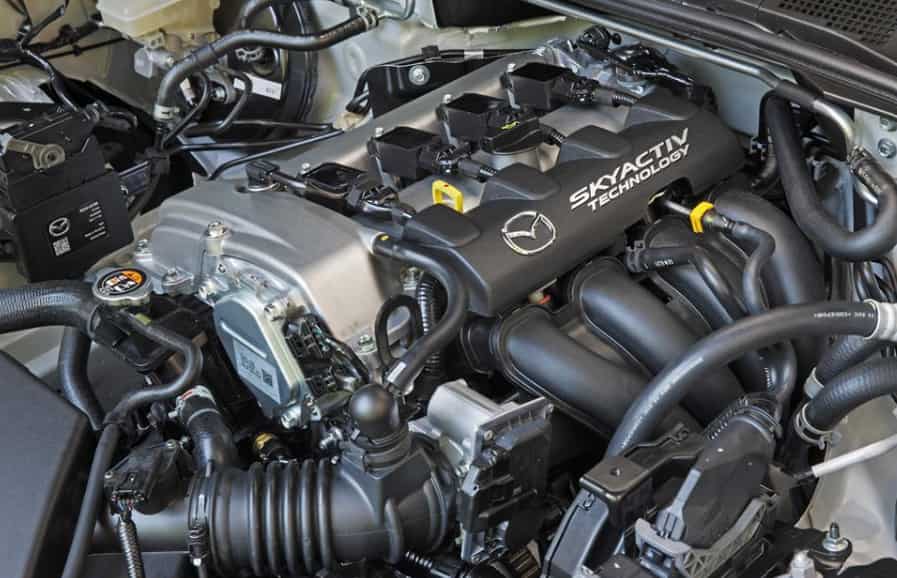
What Is Mazda SkyActiv Technology?
Mazda SkyActiv Technology is a group of engineering solutions that improve fuel efficiency, performance, and driving quality. Mazda created this technology to optimize the entire vehicle instead of focusing on only one component. The system includes engine design, transmission improvements, lightweight construction, and better vehicle balance. Mazda’s goal was simple: create cars that use less fuel while keeping an enjoyable driving experience.
The SkyActiv-G gasoline engine represents one of Mazda’s most important innovations. This engine uses a high compression ratio to improve combustion efficiency. A higher compression ratio helps the engine extract more energy from fuel during combustion. As a result, many SkyActiv-G engines provide strong fuel economy while maintaining smooth performance without requiring a turbocharger.
Mazda also developed the SkyActiv-D diesel engine for drivers who wanted better efficiency from diesel power. The engine uses a unique low compression ratio design that helps reduce emissions and improve fuel consumption. However, some SkyActiv-D owners have reported reliability concerns. These concerns often relate to diesel particulate filter issues, carbon buildup, and driving habits that involve frequent short trips.
The SkyActiv-Drive automatic transmission completes the SkyActiv system. Mazda designed this transmission to deliver smooth shifts and a more direct driving feel. It combines the convenience of an automatic gearbox with some of the efficiency benefits of a manual transmission. Regular maintenance helps the transmission maintain reliable performance over time.
Mazda SkyActiv Technology represents Mazda’s complete approach to modern vehicle engineering. The technology delivers several benefits, including better efficiency, responsive handling, and enjoyable driving characteristics. However, every advanced system requires proper care. Poor maintenance or unsuitable driving conditions can contribute to Mazda SkyActiv Technology Problems as vehicles age.
Are Mazda SkyActiv Engines Reliable?
Many drivers ask whether Mazda SkyActiv engines can provide reliable performance over many years of ownership. The answer depends on several factors, including engine type, maintenance quality, driving conditions, and vehicle history. Overall, Mazda SkyActiv engines have built a positive reputation among many owners because they offer a good balance between performance, efficiency, and mechanical simplicity.
The SkyActiv-G gasoline engine usually receives strong reliability ratings from Mazda owners. Its naturally aspirated design avoids some of the complexity found in many turbocharged engines. The engine delivers smooth power, good fuel economy, and consistent performance when owners follow the recommended maintenance schedule. Regular oil changes and proper service help SkyActiv-G engines maintain their durability over high mileage.
However, reliability does not mean the engine has no potential issues. Some owners report concerns such as carbon buildup, oil consumption, and occasional mechanical problems as vehicles age. These problems often depend on how the vehicle is used and maintained. A Mazda that receives regular service will usually perform better than a poorly maintained vehicle with the same mileage.
The SkyActiv-D diesel engine has a different reliability profile. Diesel engines require more attention because they use complex systems to control emissions. Issues related to diesel particulate filters and carbon accumulation can appear when drivers mainly use their vehicles for short trips. Proper driving patterns and regular maintenance play an important role in preventing these concerns.
Long term Mazda ownership can be very satisfying when owners understand the needs of SkyActiv technology. The engines provide excellent fuel efficiency and an enjoyable driving experience. However, buyers should always check maintenance records when purchasing a used Mazda. A vehicle’s service history often tells more about reliability than the brand name alone.
Overall, Mazda SkyActiv engines offer solid reliability, especially the gasoline versions. Like any modern automotive technology, they perform best when owners follow proper maintenance practices and address small problems before they become expensive repairs.
Mazda SkyActiv Technology Problems: Common Issues Owners Report
Mazda SkyActiv Technology has helped Mazda create efficient and enjoyable vehicles, but some owners have reported specific problems during long term use. These issues do not affect every Mazda vehicle, and many owners experience years of reliable performance. However, understanding common Mazda SkyActiv Technology Problems can help buyers make better decisions and help current owners maintain their vehicles properly.
One of the most discussed issues involves carbon buildup in direct injection engines. Mazda SkyActiv-G engines use direct fuel injection to improve combustion efficiency and fuel economy. This design provides many benefits, but it can also allow carbon deposits to form on intake valves over time. Traditional fuel injection systems spray fuel through the intake area and help clean some deposits naturally. Direct injection engines do not provide this cleaning effect because fuel enters the combustion chamber directly.
Carbon buildup usually develops gradually. Many owners may not notice the problem during the early stages. As deposits increase, drivers may experience rough idling, slower acceleration, reduced fuel economy, or inconsistent engine performance. Vehicles that mainly operate in heavy traffic or complete many short trips may face a higher risk because the engine does not always reach ideal operating temperatures.
Proper maintenance can reduce the impact of carbon buildup. Regular inspections help identify performance changes before they become serious. Some vehicles may require professional intake cleaning to restore normal airflow and engine operation. Good driving habits, regular servicing, and following Mazda maintenance recommendations can also help maintain engine efficiency.
Another concern among some Mazda owners involves oil consumption. Engine oil plays a critical role in protecting internal components, controlling friction, and supporting long term durability. Some SkyActiv engines may consume more oil as they accumulate mileage, especially when owners delay maintenance or use incorrect oil specifications.
Excessive oil consumption can create several warning signs. Drivers may notice frequent oil top ups, low oil level warnings, or changes in engine performance. Ignoring these signs can increase engine wear and potentially lead to more expensive repairs. Owners should check oil levels regularly and follow Mazda’s recommended service intervals to reduce potential risks.
SkyActiv-D diesel engines have also received attention because of specific diesel related challenges. Mazda designed SkyActiv-D technology to improve fuel efficiency and reduce emissions. However, diesel engines rely on additional emission control systems that require proper operation and maintenance.
One common concern involves diesel particulate filter performance. The filter collects soot from exhaust gases and needs regular regeneration to clean itself. Drivers who frequently take short trips may prevent the system from completing this process. Over time, this can contribute to warning lights, reduced performance, and increased maintenance requirements.
Carbon accumulation can also affect SkyActiv-D engines. Diesel vehicles usually require longer driving periods to maintain proper operating conditions. Owners who understand these requirements can reduce the chance of diesel related problems and improve long term reliability.
The SkyActiv-Drive transmission represents another area that some owners monitor. Mazda designed this automatic transmission to provide smooth shifting and a responsive driving experience. Many drivers report positive experiences with its performance. However, like any transmission system, it can develop problems when owners ignore maintenance.
Some reported transmission concerns include delayed shifting, unusual gear changes, or reduced smoothness during acceleration. These symptoms can result from several factors, including aging components, software issues, or insufficient maintenance. Regular transmission inspections and proper servicing can help prevent minor issues from developing into major repairs.
Cooling system concerns represent another possible issue for older Mazda vehicles using SkyActiv technology. The engine cooling system controls operating temperature and protects important components from excessive heat. Problems such as coolant leaks, thermostat failures, or aging components can affect engine performance if owners ignore early warning signs.
Most Mazda SkyActiv Technology Problems do not happen suddenly. They usually develop because of mileage, driving conditions, maintenance habits, or normal component wear. Regular service remains one of the most effective ways to protect a Mazda vehicle and maintain reliable performance.
Overall, Mazda SkyActiv technology offers many advantages, but owners should understand its specific requirements. Carbon buildup, oil consumption concerns, diesel system challenges, transmission maintenance, and cooling system issues represent the main areas to monitor. With proper care, many Mazda vehicles equipped with SkyActiv technology can provide a reliable and enjoyable ownership experience for many years.
Mazda SkyActiv Problems by Popular Models
Mazda SkyActiv Technology appears in several popular Mazda models, including the Mazda3, Mazda CX-5, Mazda CX-30, and Mazda6. Although these vehicles share similar engineering principles, each model may experience different concerns depending on usage, mileage, and maintenance history.
The Mazda3 is one of the most common SkyActiv vehicles on the road. It offers strong fuel efficiency, responsive handling, and good overall reliability. However, some owners report issues related to carbon buildup, oil consumption, and electronic components. Regular maintenance and proper inspections can help prevent these problems from affecting long term performance.
The Mazda CX-5 is one of Mazda’s most successful SUVs and uses SkyActiv-G engines in many versions. Owners often praise its reliability and driving experience. However, direct injection technology can contribute to carbon buildup over time. Some older models may also require closer attention to oil levels and maintenance records.
The Mazda CX-30 uses newer SkyActiv technology and generally has fewer long term reliability concerns. Still, owners may experience similar issues related to direct injection systems, software updates, and electronic features.
The Mazda6 combines comfort, efficiency, and sporty handling. Like other SkyActiv models, it can develop maintenance related concerns as mileage increases. Checking service history becomes especially important when buying a used Mazda6.
Overall, Mazda SkyActiv problems depend more on maintenance and ownership habits than the specific model alone. A well maintained Mazda3, CX-5, CX-30, or Mazda6 can deliver reliable performance and a satisfying ownership experience for many years.
Mazda SkyActiv Repair and Maintenance Costs
Understanding Mazda SkyActiv repair and maintenance costs is an important part of long term vehicle ownership. While Mazda vehicles are generally known for reasonable maintenance expenses, owners should still prepare for regular servicing and possible repairs as mileage increases. Proper maintenance can reduce the risk of major problems and help SkyActiv engines maintain reliable performance.
Routine maintenance for Mazda SkyActiv vehicles usually includes oil changes, filter replacements, fluid checks, brake inspections, and scheduled service. These basic services help protect important engine components and maintain fuel efficiency. Using the correct engine oil and following Mazda’s recommended maintenance schedule can also reduce the chance of premature wear.
One common maintenance expense involves carbon buildup cleaning. Because SkyActiv-G engines use direct fuel injection, carbon deposits may develop on intake valves over time. The cost of professional cleaning depends on the vehicle condition and service provider, but regular inspections can help owners identify the issue before it affects engine performance.
Oil related repairs can vary significantly depending on the cause. Some vehicles may only require closer oil monitoring, while others may need more detailed engine inspections. Owners can reduce potential costs by checking oil levels regularly and addressing warning signs early.
Transmission maintenance also affects long term ownership costs. The SkyActiv-Drive transmission offers smooth performance, but regular inspections and proper servicing help maintain reliability. Ignoring transmission concerns can lead to more expensive repairs in the future.
Compared with many modern vehicles, Mazda SkyActiv engines often provide a good balance between performance and maintenance costs. However, repair expenses can increase when owners delay service or purchase vehicles without a clear maintenance history.
For buyers considering a used Mazda, reviewing service records is one of the most important steps. A well maintained Mazda3, Mazda CX-5, Mazda CX-30, or Mazda6 can offer reliable ownership with predictable maintenance expenses.
Overall, Mazda SkyActiv repair costs remain manageable when owners follow proper maintenance practices. Preventive care, regular inspections, and early problem detection play a major role in controlling ownership expenses and protecting long term vehicle reliability.
How to Prevent Mazda SkyActiv Technology Problems
Preventing Mazda SkyActiv Technology Problems starts with proper maintenance and responsible ownership habits. Although SkyActiv engines provide strong efficiency and performance, they still require regular care to maintain long term reliability. Simple maintenance decisions can help owners avoid expensive repairs and keep their Mazda vehicles running smoothly.
Regular oil changes are one of the most important steps for protecting Mazda SkyActiv engines. Engine oil reduces friction, supports internal components, and helps maintain proper engine performance. Owners should use the recommended oil type and follow Mazda’s service schedule. Delaying oil changes can increase engine wear and may contribute to long term reliability concerns.
Preventing carbon buildup also requires attention to driving habits. SkyActiv-G engines use direct fuel injection, which can allow deposits to develop on intake valves over time. Drivers who mainly take short trips may increase the risk because the engine does not always reach its ideal operating temperature. Longer drives at normal operating conditions can help maintain better engine performance.
Regular vehicle inspections can help detect small issues before they become major problems. Owners should pay attention to warning signs such as unusual engine sounds, reduced fuel economy, rough idling, or changes in driving performance. Early diagnosis often reduces repair costs and prevents additional damage.
Diesel SkyActiv-D owners need to follow different maintenance practices. Diesel systems require proper operating conditions to manage emissions components effectively. Frequent short trips can affect systems such as the diesel particulate filter. Allowing the engine to complete normal operating cycles can help reduce diesel related concerns.
Transmission care also plays an important role in preventing Mazda SkyActiv problems. Regular checks help ensure that the SkyActiv-Drive transmission continues to operate smoothly. Owners should address shifting changes or unusual transmission behavior as soon as possible.
Overall, Mazda SkyActiv technology can provide reliable performance when owners follow proper maintenance practices. Preventive care, careful driving habits, and regular inspections allow Mazda vehicles to deliver better efficiency, lower ownership costs, and a more enjoyable driving experience over time.
Mazda SkyActiv Technology Problems vs Reality: Are They Deal Breakers?
Many discussions about Mazda SkyActiv Technology Problems create concerns among potential buyers. Some drivers worry that engine issues, maintenance costs, or reliability concerns make Mazda vehicles a risky choice. However, the reality is more balanced. SkyActiv technology has several strengths, and most problems depend on factors such as maintenance habits, driving conditions, and vehicle history.
The SkyActiv-G gasoline engine remains one of Mazda’s strongest technologies. Many owners report reliable performance, good fuel economy, and low ownership stress when they maintain their vehicles properly. Common concerns such as carbon buildup or oil consumption usually develop over time and often relate to normal wear or maintenance practices rather than major design failures.
The SkyActiv-D diesel engine has received more attention because diesel systems require more specific operating conditions. Issues related to the diesel particulate filter and carbon buildup can appear when drivers frequently use their vehicles for short trips. However, drivers who understand diesel maintenance requirements can reduce these risks and improve long term reliability.
Another important factor is the difference between internet discussions and real ownership experience. Online forums often highlight problems because people usually search for solutions when something goes wrong. Thousands of satisfied Mazda owners may never share their experiences because their vehicles operate normally for many years.
For used car buyers, the condition of the vehicle matters more than the technology name alone. A well maintained Mazda CX-5 or Mazda3 can provide better reliability than a poorly maintained vehicle from any brand. Checking service records, inspecting the engine condition, and understanding previous usage patterns can help buyers avoid unexpected repair costs.
Overall, Mazda SkyActiv Technology Problems should not automatically be considered deal breakers. The technology offers strong efficiency, enjoyable driving performance, and competitive reliability. Buyers should focus on choosing the right model, maintaining the vehicle correctly, and understanding its specific requirements before making a purchase decision.
Should You Buy a Mazda With SkyActiv Technology?
Choosing whether to buy a Mazda with SkyActiv Technology depends on your driving needs, maintenance habits, and expectations. While some buyers search for Mazda SkyActiv Technology Problems before making a decision, the overall ownership experience remains positive for many Mazda drivers. SkyActiv engines offer a strong combination of fuel efficiency, performance, and reasonable maintenance costs.
Mazda vehicles with SkyActiv-G gasoline engines are often a good choice for buyers who want a reliable and enjoyable daily driver. The naturally aspirated engine design provides smooth power delivery and avoids some of the complexity found in many modern turbocharged engines. With proper maintenance, many Mazda owners experience dependable performance over high mileage.
However, buyers should understand that every vehicle requires proper care. Direct injection engines can develop carbon buildup over time, and older vehicles may require additional attention as components wear. Checking maintenance records becomes especially important when purchasing a used Mazda because previous ownership habits can directly affect reliability.
The SkyActiv-D diesel models require more consideration. Diesel technology can provide excellent fuel efficiency, but it works best for drivers who regularly complete longer trips. People who mainly drive short distances may experience more diesel system concerns related to emissions components.
For most buyers, Mazda SkyActiv vehicles remain a smart choice when they select the right model and maintain it correctly. The Mazda3, Mazda CX-5, Mazda CX-30, and Mazda6 offer different benefits depending on lifestyle needs. Buyers who prioritize driving enjoyment, efficiency, and long term value may find Mazda SkyActiv technology a strong option.
Before purchasing, always inspect the vehicle condition, review service history, and understand common maintenance requirements. Mazda SkyActiv Technology Problems exist, but they are usually manageable when owners follow recommended care practices. A properly maintained Mazda can provide years of reliable performance and an enjoyable ownership experience.
Conclusion
Mazda SkyActiv Technology has helped Mazda create vehicles that combine fuel efficiency, enjoyable performance, and practical long term value. While some owners search for information about Mazda SkyActiv Technology Problems, these concerns do not mean that every SkyActiv vehicle will experience serious reliability issues. Most problems depend on factors such as maintenance quality, driving habits, vehicle age, and previous ownership history.
Common concerns such as carbon buildup, oil consumption, diesel system challenges, and transmission maintenance require attention, but owners can manage many of these issues through regular service and early problem detection. SkyActiv-G gasoline engines, in particular, have earned a strong reputation for delivering reliable performance when properly maintained.
For buyers considering a Mazda, understanding the technology is one of the most important steps before making a decision. A complete service history, professional inspection, and awareness of common issues can help reduce the risk of unexpected repairs. Whether you choose a Mazda3, Mazda CX-5, Mazda CX-30, or Mazda6, proper maintenance remains the key factor in achieving a positive ownership experience.
Have you experienced Mazda SkyActiv Technology Problems with your vehicle? Share your ownership experience, maintenance tips, or reliability feedback in the comments below.