A weak air conditioner can quickly make every drive uncomfortable, especially during hot summer days. If your Mazda 3 no longer blows cold air, you may be wondering whether a simple AC recharge will solve the problem. In many cases, low refrigerant is the reason for reduced cooling performance. However, an AC recharge is not always the complete answer. A leaking hose, worn compressor, blocked condenser, or faulty pressure sensor can produce similar symptoms. Understanding the difference is the first step toward avoiding unnecessary repairs and extra expenses.
This complete Mazda 3 AC Recharge guide explains everything you need to know before connecting a recharge kit. You will learn how the air conditioning system works, how to recognize the signs of low refrigerant, and how to identify the correct refrigerant for your specific Mazda 3 model. The guide also walks you through the recharge process, discusses common mistakes, and compares the cost of doing the job yourself with professional service. By the end of this article, you will know when a DIY recharge is a practical solution and when a full inspection is the smarter choice for restoring reliable cooling performance.
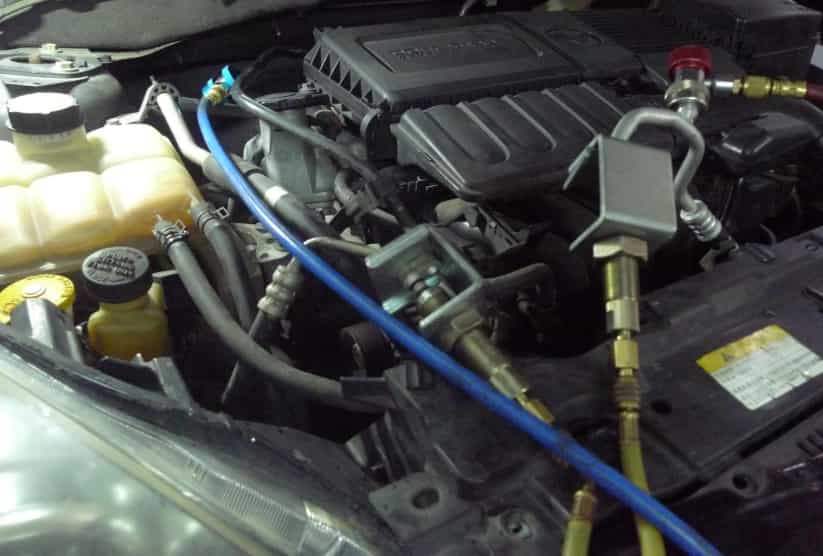
How a Mazda 3 AC Recharge Works
A Mazda 3 air conditioning system removes heat from the cabin and releases it outside the vehicle. The compressor pushes refrigerant through the system under pressure. Next, the refrigerant flows into the condenser, where it releases heat into the outside air. It then moves through the expansion device, which lowers both its pressure and temperature. Finally, the refrigerant enters the evaporator and absorbs heat from the cabin air. The blower then sends cool air through the dashboard vents. Because the system stays sealed, it should not lose refrigerant during normal operation.
A Mazda 3 AC recharge restores the correct refrigerant level when the system becomes slightly low. The proper refrigerant charge helps the compressor maintain the right pressure and improves cooling performance. As a result, the air from the vents becomes colder and more consistent. However, a recharge only replaces lost refrigerant. It does not repair damaged parts or stop an active leak. If the air conditioner quickly loses cooling again, another problem is causing the issue.
You should also remember that refrigerant does not wear out over time. A sealed AC system does not consume refrigerant during normal use. If your Mazda 3 needs frequent AC recharges, inspect the system for leaks before adding more refrigerant. Common leak locations include the condenser, compressor, service ports, and hose connections. Repairing the leak first prevents repeated refrigerant loss, protects the compressor, and helps the entire air conditioning system operate efficiently for a longer time.
Signs Your Mazda 3 Needs an AC Recharge
Your Mazda 3 often gives clear warning signs before the air conditioning system stops cooling completely. The most common symptom is warm air coming from the vents even though the AC is set to the lowest temperature. In some cases, the air feels cool while driving but becomes warmer when the vehicle is idling. This change usually happens because the system cannot maintain the correct refrigerant pressure. You may also notice that the compressor turns on and off more often than usual. These symptoms often point to low refrigerant, but they can also indicate other mechanical or electrical problems.
Before performing a Mazda 3 AC recharge, inspect the system carefully. Look for oily residue around the condenser, hose connections, or service ports because refrigerant leaks often leave small oil stains. Listen for unusual noises when the compressor engages and check whether the cooling fan operates normally. A clogged cabin air filter can also reduce airflow and make the air conditioner feel weaker than it actually is. If the system loses cooling again soon after a recharge, a leak or failed component is the most likely cause. Finding and repairing the fault will provide a longer lasting solution than adding more refrigerant.
Choosing the Correct Refrigerant
Choosing the correct refrigerant is one of the most important steps before performing a Mazda 3 AC recharge. Never assume that every Mazda 3 uses the same refrigerant because the specification can vary by model year, engine, and market. The easiest way to confirm the correct type is to read the information label under the hood. This label lists the approved refrigerant and the exact charge amount for your vehicle. Using the correct specification helps the air conditioning system operate safely and delivers the best cooling performance.
Many older Mazda 3 models use R134a, while some newer models use R1234yf. These refrigerants are not interchangeable and should never be mixed. Each type operates at different characteristics and requires compatible service equipment. Mixing refrigerants can reduce cooling performance, contaminate the system, and increase repair costs. Before you begin a Mazda 3 AC recharge, verify the refrigerant type, inspect the service ports, and prepare the correct tools. Spending a few extra minutes on these checks can prevent expensive mistakes and protect the entire air conditioning system.
Tools You Need Before Recharging
Preparing the right tools makes a Mazda 3 AC recharge safer and more accurate. Start with a recharge kit that matches the refrigerant specified for your vehicle. You should also wear safety glasses and protective gloves to reduce the risk of injury. A digital thermometer helps you measure the air temperature at the vents before and after the recharge. In addition, keep a clean cloth nearby so you can remove dirt from the service port before connecting the hose. These simple items improve both safety and the quality of the job.
Professional technicians use more advanced equipment, but basic tools are enough for many simple recharges. A manifold gauge set provides more accurate pressure readings than a single gauge. An electronic leak detector or UV dye can help locate small refrigerant leaks that are difficult to see. If the system has been opened or completely emptied, it should be evacuated with a vacuum pump before adding refrigerant. Taking the time to prepare the correct equipment reduces mistakes and increases the chance of restoring strong and consistent cooling performance.
How to Recharge a Mazda 3 AC
Begin by parking your Mazda 3 on a level surface and starting the engine. Turn the air conditioner to the coldest setting and select the highest blower speed. Next, open the hood and locate the low pressure service port. Remove the protective cap and clean the area before connecting the recharge hose. A clean connection helps prevent dirt from entering the system. Once the hose is secure, check the pressure reading and compare it with the instructions provided with your recharge kit. Always confirm that you are using the correct refrigerant before adding anything to the system.
Add refrigerant slowly while keeping the can in the position recommended by the manufacturer. Pause every few seconds to allow the system pressure to stabilize, then monitor the gauge and the air temperature from the vents. Stop charging as soon as the pressure reaches the recommended range. Adding too much refrigerant can reduce cooling performance and place extra stress on the compressor. After disconnecting the hose, reinstall the service port cap and test the air conditioner during a short drive. If the vents still blow warm air or the cooling disappears after a few days, inspect the system for leaks instead of performing another Mazda 3 AC recharge.
Mazda 3 AC Recharge Cost
The cost of a Mazda 3 AC recharge depends on the condition of the air conditioning system and the method you choose. A basic DIY recharge usually costs less because you only need a compatible recharge kit and a few basic tools. This option works best when the system has lost a small amount of refrigerant and no major leaks are present. However, you should avoid adding refrigerant repeatedly without finding the source of the problem. A small leak can become much worse over time and lead to expensive repairs.
Professional AC service costs more, but it includes a more complete inspection. A technician can recover the remaining refrigerant, check the system for leaks, remove moisture with specialized equipment, and recharge the system with the correct amount of refrigerant. This process provides better accuracy and helps protect the compressor from damage. Although the initial cost is higher, professional service often saves money in the long run because it addresses the root cause instead of only restoring temporary cooling.
Why the AC Is Still Not Cold After a Recharge
A Mazda 3 AC recharge does not always restore cold air. If the air conditioner still blows warm air, another problem is likely affecting the system. A refrigerant leak is one of the most common causes. Even a small leak can lower system pressure and reduce cooling performance within a short time. A damaged condenser, worn compressor seal, or leaking hose can all allow refrigerant to escape. In addition, a faulty cooling fan may prevent the condenser from releasing heat efficiently, especially when the vehicle is idling. As a result, the air from the vents may feel warmer in traffic than on the highway.
Mechanical and electrical faults can also reduce cooling performance. A weak compressor may fail to circulate refrigerant properly, while a blocked expansion valve can restrict refrigerant flow. A clogged cabin air filter reduces airflow and makes the air conditioner feel less effective. Electrical problems, including a failed pressure sensor or relay, may also prevent the compressor from operating correctly. Before performing another Mazda 3 AC recharge, inspect the entire system and identify the actual cause. Fixing the underlying problem provides reliable cooling and helps prevent unnecessary refrigerant loss.
Common AC Recharge Mistakes
Many vehicle owners make simple mistakes during a Mazda 3 AC recharge, and those errors can reduce cooling performance or damage the air conditioning system. One of the most common mistakes is using the wrong refrigerant without checking the label under the hood. Another frequent error is connecting the recharge hose to the wrong service port. Some drivers also continue adding refrigerant because they expect colder air immediately. In reality, overcharging the system can increase pressure, reduce cooling efficiency, and place unnecessary strain on the compressor.
Skipping a basic inspection is another mistake that often leads to repeated problems. Dirt around the service port can enter the system if the area is not cleaned first. Ignoring oily residue or visible damage may also allow a refrigerant leak to go unnoticed. Some drivers replace lost refrigerant several times without repairing the actual leak. This approach only provides temporary results and increases repair costs over time. Taking a few extra minutes to inspect the system and follow the correct procedure makes a Mazda 3 AC recharge safer, more effective, and more reliable.
Frequently Asked Questions
How often does a Mazda 3 need an AC recharge?
A Mazda 3 does not require regular AC recharges as part of normal maintenance. The air conditioning system is sealed, so it should retain its refrigerant for many years. If cooling performance drops, inspect the system for leaks before adding more refrigerant.
Can I perform a Mazda 3 AC recharge at home?
Yes, you can recharge the system at home if it has only lost a small amount of refrigerant and all components operate normally. Before you begin, confirm the correct refrigerant type and follow the instructions provided with your recharge kit. If the system is empty or damaged, professional service is the safer option.
What refrigerant does a Mazda 3 use?
The correct refrigerant depends on the model year and vehicle specification. Many older models use R134a, while some newer models use R1234yf. Always check the refrigerant label under the hood because it provides the correct information for your specific vehicle.
Why is my Mazda 3 AC still warm after a recharge?
A successful recharge will not fix a mechanical problem or a refrigerant leak. Warm air after a recharge may indicate a leaking hose, a weak compressor, a blocked condenser, or an electrical fault. A complete inspection can identify the real cause and prevent repeated cooling problems.
Can too much refrigerant damage the AC system?
Yes. Overcharging increases system pressure and places extra stress on the compressor. It can also reduce cooling performance and shorten the life of important air conditioning components. Always stop adding refrigerant when the pressure reaches the recommended range.
Does an AC recharge repair a refrigerant leak?
No. A Mazda 3 AC recharge only restores the refrigerant level. It does not seal damaged hoses, replace worn seals, or repair failed components. If the refrigerant level continues to drop, locate and repair the leak before performing another recharge.
Conclusion
A Mazda 3 AC recharge can restore strong cooling when the system has lost a small amount of refrigerant. However, the recharge process should always begin with the correct diagnosis. Checking the refrigerant type, inspecting the system for leaks, and using the proper tools help prevent costly mistakes. These simple steps also improve cooling performance and protect important air conditioning components.
If your Mazda 3 continues to blow warm air after a recharge, avoid adding more refrigerant without further inspection. A hidden leak, a failing compressor, or another mechanical problem may be responsible for the loss of cooling. Repairing the underlying fault provides a long term solution and helps extend the life of the entire AC system. By following the guidance in this Mazda 3 AC Recharge guide, you can make informed decisions, improve driving comfort, and keep your air conditioning system working efficiently throughout the year.